
Results
-
£29.50
Have Yourself A Merry Little Christmas - Hugh Martin & Ralph lane - Hannah Hawken
Some musical numbers require little introduction and the hit that is 'Have Yourself A Merry Little Christmas' has been entertaining audiences since its first appearance back in 1944. Original sung by Julie Garland in the MGM musical 'Meet Me In St. Louis', the song was later revised and re-recorded. It was this second incarnation that is the popular song that we know today. Christmas solos are a novelty and now, arranged by Hannah Hawkden, this lovely little number fits perfectly into any Christmas concert giving your band and audience something fresh this year.
In Stock: Estimated dispatch 1-3 working days
-
 £44.50
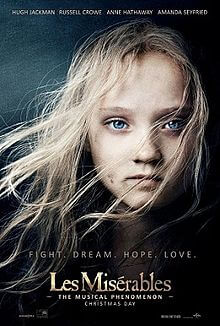
Les Miserables (Concert Suite) - Alain Boublil and Claude-Michel Schonberg - Gavin Somerset
Based on the book by Victor Hugo, Les Misrables has been entertaining audiences around the world since its first performance in London in 1985. Whilst the initial critical reviews were not favourable, the paying public disagreed and the success of the West End musical led to a Broadway production. The show had a big revival in 2012 with the release of the hit film. In this new specially arranged Concert Suite, which features a built in encore - the Epilogue to the show (should you wish to use it) and an optional cut omitting the more difficult sections (making the work accessible to lower section bands), this work gives your band the chance to bring a touch of Broadway to your audience. The Suite features the Prologue, On My Own, Bring Him Home, Master of the House, One Day More & Can You Hear The People Sing? A great audience pleaser and grand concert or contest work that belongs in every bands library.
In Stock: Estimated dispatch 1-3 working days
-
 £65.50
Phoenix - David Holling
Phoenix is a programmatic study depicting the life of the fascinating fictitious bird. The opening is dramatic and yet joyous, followed by the first theme that represents the bird in flight; light in style but relentless all the same. A touch of Latin imposes on a small part of the opening section before returning to the theme once again. The 'Tranquillo' section represents the calm dignity of the bird's fate before the tender slow movement conveys the Phoenix's death with a new theme. This is chance for the soloists to demonstrate musical and technical skill and should be treated interpretively, not mechanically. A fanfare then bursts forth followed by a serious but short fugal section as the Phoenix is reborn. The bird takes flight again in the closing section of music where the melodic content should always be at the forefront of the ensemble.
In Stock: Estimated dispatch 1-3 working days
-
 £37.50
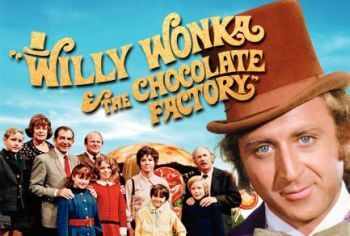
Willy Wonka (Selections From) - Leslie Bricusse & Anthony Newman - Gavin Somerset
Few people have not seen the 1971 film starring Gene Wilder as the eccentric chocolatier, offering tours of his chocolate factory to those lucky enough to find the hidden golden ticket. Whilst initialy a box office failure, the film went on to become a favourite in households across the world, years after its initial release. Now for the first time, your band can enjoy the music from the film in this selection that includes 'Golden Ticket', 'The Candy Man' and of course, the unforgettable 'Pure Imagination'. The music of Leslie Bricusse & Anthony Newley has been a hit for many years and continues to make TV and radio appearances. 'The Candy Man' was perhaps best known when covered by Sammy Davis Jr where it made it to number one in the USA. 'Pure Imagination' has been used countless times in adverts in the media and more recently, recorded by Jamie Callum for his album 'Momentum'. 'Pure Imagination' can also be performed as a stand-alone item. This is truly an all-time classic filled with a feast of musical variety that fits well into just about any concert. A must for all band libraries. To download the Solo Cornet part, please CLICK HERE . To download the Solo Horn part, please CLICK HERE . To download the Solo Euphonium part, please CLICK HERE . To download the playback audio to play along to, please RIGHT CLICK HERE & Save As .
In Stock: Estimated dispatch 1-3 working days
-
 £44.50
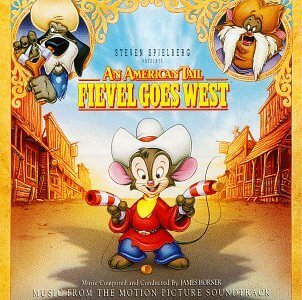
An American Tail Overture - James Horner - Gavin Somerset
An American Tail Suite Composed By James Horner For the first time ever, the music from Steven Spielberg's animated story has been arranged into a full suite for brass band. With hits like "Somewhere Out There", "Dreams to Dream" and "Way Out West" all included in the suite, the music of James Horner can set emotions rolling, there is something for everyone to enjoy. With the whole concert suite lasting around 10 minutes, there are optional cuts written when if played, can cut the suite down to 6 minutes, as well as cutting out some difficult parts for lower section bands. With Wild West themes and train journey rides (and lets not forget the spoken lyrics!), this really is musical entertainment at its best
In Stock: Estimated dispatch 1-3 working days
-
£44.50
Brass Monkey's Ensemble Workout - David White
This selection of music is the perfect all-in-one workout for your training band. Each piece contained within the selection serves a definite purpose (all of which are given below and are printed in the score). The "Ensemble Workout" balances musical exercises and pieces of music to ensure that the end result is a better ensemble performance over all. The pieces keep the players entertained whilst ensuring they listen and work with the other players around them. Drum Kit and Percussion parts are also included. The pieces (and their objectives) included areaA UNISON WARM UP & HYMN TUNEA MINOR TUNE - no key or time signature, no dynamics, accidentals for some (sharp)PLODDING ON - time signature but no key signature, no dynamics, accidentals for some (sharp, flat natural) staccato / legato playingLITTLE WALTZ - time signature & key signature, accidentals & dotted minims & ties D.S. al Fine & repeats with 1st & 2nd time bars no dynamicsLAZY LATIN - time & key signature, dynamics & accidentals, staccato / legato playing styles, sectional repeats with 1st & 2nd time barsTHE AIKIN DRUM - 6/8 compound time, March style playing, D.C. al Coda
In Stock: Estimated dispatch 1-3 working days
-
 £29.50
Classical Brass - Various - Gavin Somerset
This medley of famous classical music is the perfect addition to any concert. Beginning with the 'Barber of Seville' before the piece sets off on a journey with tongue placed firmly in cheek! Let your audience here the great classical works of Rossini, Grieg, Liszt, Mendelssohn (& others) as they've never heard them before. The various famous melodies all stay around long enough for your audience to recognize them before being moved off in another direction completely. This work is a musical journey that is perfect for formal proms concerts, yet certainly would not be out of place on a bandstand either. The piece has many opportunities for bands to add their own choreography if desired. A toe tapping, audience pleasing, journey that leaves the audience wanting more. Whilst rehearsals are suspended due to Covid-19, we are making some parts available to download FREE for home use and practice, alongside a downloadable backing track to play along to. To download the Solo Cornet part, please CLICK HERE . To download the Solo Horn part, please CLICK HERE . To download the Solo Euphonium part, please CLICK HERE . To download the playback audio to play along to, please RIGHT CLICK HERE & Save As .
In Stock: Estimated dispatch 1-3 working days
-
 £44.50
Chicago (Highlights from) - Fred Ebb - Iain McKnight
The music from the 1975 musical by Fred Ebb, with lyrics by John Kander, is ranked up there with the best musicals of all time. Whilst the original Broadway production only ran for a couple of years, Chicago was revived in 1996. Following this new lease of life, the show continues to run to this day and has enjoyed over 7,000 performances on Broadway. In the first arrangement of its kind for brass band, this new 'Highlights from Chicago' has been made especially for the Leyland Band to feature on their new upcoming CD. Expertly arranged by Iain McKnight, the work features, 'The Overture', 'And All That Jazz', 'Nowadays' and 'Hot Honey Rag'. Sure to be a hit with all who play it, the music appeals to audiences of all ages and is a great concert item that will suit both outdoor and indoor concert events. Not to be missed.
In Stock: Estimated dispatch 1-3 working days
-
 £24.50
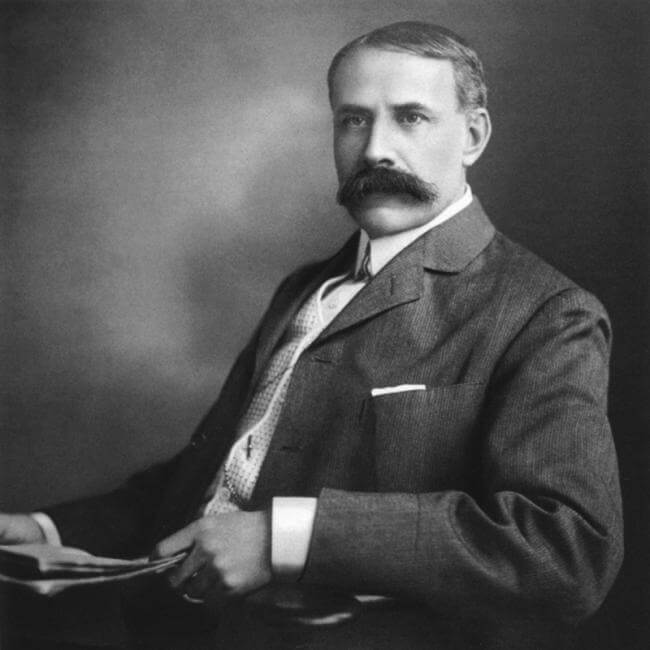
Nimrod 'From Enigma Variations' - Elgar - Gavin Somerset
The 'Enigma Variations' by Elgar are musical portraits of his friends and family. The best of these 14 variations is by far, number 9 entitled 'Nimrod'. The variation has become a piece in its own right and is common at funerals and other solemn occasions. Remembrance Day in particular would not be complete without hearing the work and is always performed at the Cenotaph in London on this day. Now, this arrangement by Gavin Somerset remains faithful to the original and with careful scoring throughout, it allows bands of most standards to play this gorgeous piece and still obtain those hair raising moments the audiences have come to expect. A must for every bands library.
In Stock: Estimated dispatch 1-3 working days
-
 £37.50
Rey's Theme - John Williams - Gavin Somerset
John Williams returned to the Star Wars franchise to compose music for Episode VII - The Force Awakens. Spanning a musical journey of over 40 years, his theme for the heroine of the new films, Rey, is just as powerful and emotional as any of the music composed for the saga. While describing "Rey's Theme," John Williams said the music "wasn't heroic in the sense of a hero, but instead the song was meant to convey an adventure that would resolve itself in triumph." Now available for Brass Band, this delicate, yet, powerful theme is a great addition to any concerts, bringing John Williams' latest music from Star Wars into the band room.
In Stock: Estimated dispatch 1-3 working days
 View Music