
Results
-
 £55.00
John Williams: Epic Themes (Brass Band - Score and Parts) - Williams, John - Sykes, Steve
John Williams: Epic Themes is a medley of John Williams favourites including Star Wars (Main Theme), March (1941), Imperial March (from Star Wars Episode V : The Empire Strikes Back), Olympic Spirit and Superman (Main Theme), arranged with the approval of the composer by Steve Sykes.Suitable for Advanced Youth/3rd Section Bands and aboveDuration: 9.00
Estimated dispatch 7-14 working days
-
 £44.95
Excerpts from Finale from Symphony No.4 (Brass Band - Score and Parts) - Tchaikovsky, Peter Ilyich - Gordon, William
Peter Ilyich Tchaikovsky wrote his fourth symphony in 1877 and 1878. It was first performed in the latter year conducted by Nikolai Rubenstein. Despite initial critical reaction, the symphony has become a staple of the orchestral repertoire and is one of the most frequently performed late 19th century symphonies. In the exciting finale, Tchaikovsky incorporates a famous Russian folk song, 'In the field stood a birch tree' as one of its themes.
Estimated dispatch 7-14 working days
-
£22.50
Excerpts from Finale From Symphony No.4 (Brass Band - Score only) - Tchaikovsky, Peter Ilyich - Gordon, William
Peter Ilyich Tchaikovsky wrote his fourth symphony in 1877 and 1878. It was first performed in the latter year conducted by Nikolai Rubenstein. Despite initial critical reaction, the symphony has become a staple of the orchestral repertoire and is one of the most frequently performed late 19th century symphonies. In the exciting finale, Tchaikovsky incorporates a famous Russian folk song, 'In the field stood a birch tree' as one of its themes.
Estimated dispatch 7-14 working days
-
 £76.99
Contrasten (Brass Band - Score and Parts) - De Haan, Jan
The source of inspiration for the composer was the nuclear disaster in Chernobyl in Russia. The first movement Ostinato expresses desperation, helplessness, fear and anger. The themes from the first movement are further exposed in the second movement Fantasia which has a spectacular finale. In 1989 this composition was the test-piece for the finals in the fourth section of the National Brassband Championships of Great Britain.Duration: 11:30
Estimated dispatch 7-14 working days
-
 £40.00
Jurassic Park (Brass Band - Score and Parts) - Williams, John - Catherall, Alan
The two main themes from the film. The same music has been used in the sequel The Lost World.Parts of the score are quite difficult, but there is a cut to overcome many of the technical difficulties in the middle section. Six minutes of pure magic. This edition has remained a popular seller over the years.Suitable for 3rd Section bands and above
Estimated dispatch 7-14 working days
-
 £74.99
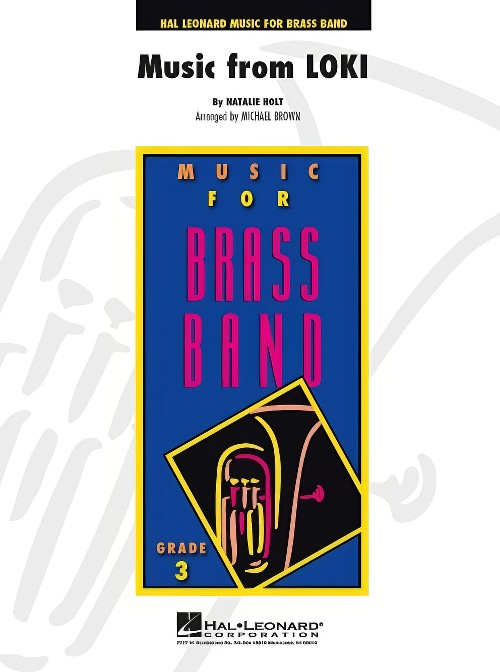
Loki, Music from (Brass Band - Score and Parts) - Holt, Natalie - Bond & Brown
Loki further unravels the ever-expanding tapestry of the Marvel universe. Natalie Holt's memorable soundtrack is dramatic and engaging, and presented here in a powerful arrangement of the main themes for brass band.Duration: 3.30
Estimated dispatch 7-14 working days
-
 £49.99
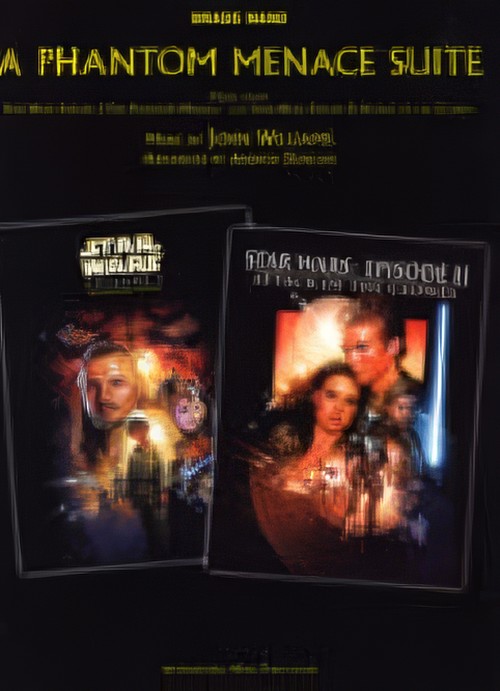
A Phantom Menace Suite (Brass Band - Score and Parts) - Williams, John - Duncan, Andrew
Andrew Duncan has brought together three key themes from the first tow of the Star Wars prequels, 'Star Wars: The Phantom Menace' and 'Star Wars: Attack of the Clones', providing an exciting addition to any concert.Suitable for Advanced Youth/3rd Section Bands and aboveDuration: 6.00
Estimated dispatch 7-14 working days
-
£67.50
Highlights from Star Trek Into Darkness (Brass Band - Score and Parts)
Michael Giacchino's soundtrack for the highly anticipated follow-up to 2009's Star Trek is dramatic and evocative. Using a mixture of familiar previous themes along with new material, this medley for brass band brings the excitement and drama of the film to the concert stage.
Estimated dispatch 7-14 working days
-
£34.99
Grease! (Brass Band - Score and Parts) - Casey & Jacobs - Duncan, Andrew
Andrew Duncan has taken some key themes from the shown Grease! and made this fine brass band arrangement. Includes: Summer Nights; Look at Me, I'm Sandra Dee; Greased Lightnin'; Hopelessly Devoted to You; You're the One That I Want; We Go Together; Summer Nights (reprise).
Estimated dispatch 7-14 working days
-
 £154.60
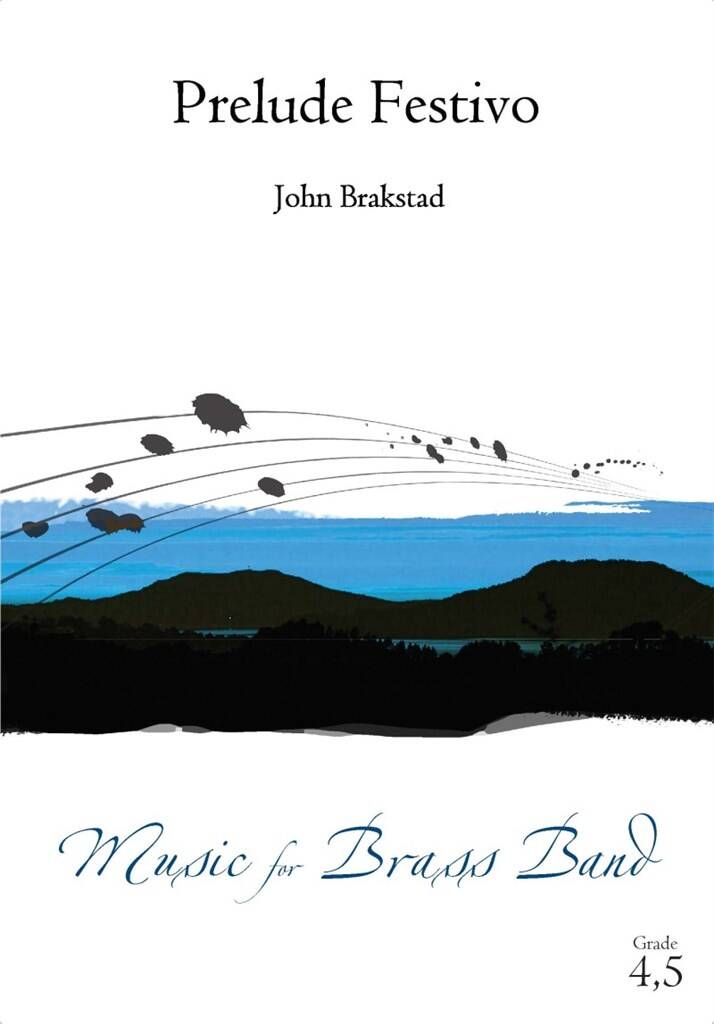
Prelude Festivo - John Brakstad
Prelude Festivo is intended to be performed both in concerts and in competitions and includes solo passages for most instrument groups. Duration 7,5 minutes. Form: Fast slow fast. The piece is built on two themes: Theme 1 (Allegro con spirito) is first presented as a cornet solo after a fanfare-like opening. Theme 2 is hinted at in the opening bars, but is presented fully in the slow (Andante) section (bar 141). This theme is developed and also appears as melodic and rhytmic fragments throughout the composition. In the concluding section (bar 196) both themes are played in conjunction before the piece concludes with the fanfare theme from the opening bars. Parts thatare marked piu mosso ed leggiero should be played in a cheerful light staccato style in contrast to Andante cantabile.
Estimated dispatch 5-14 working days
 View Music