
Results
-
 £152.99
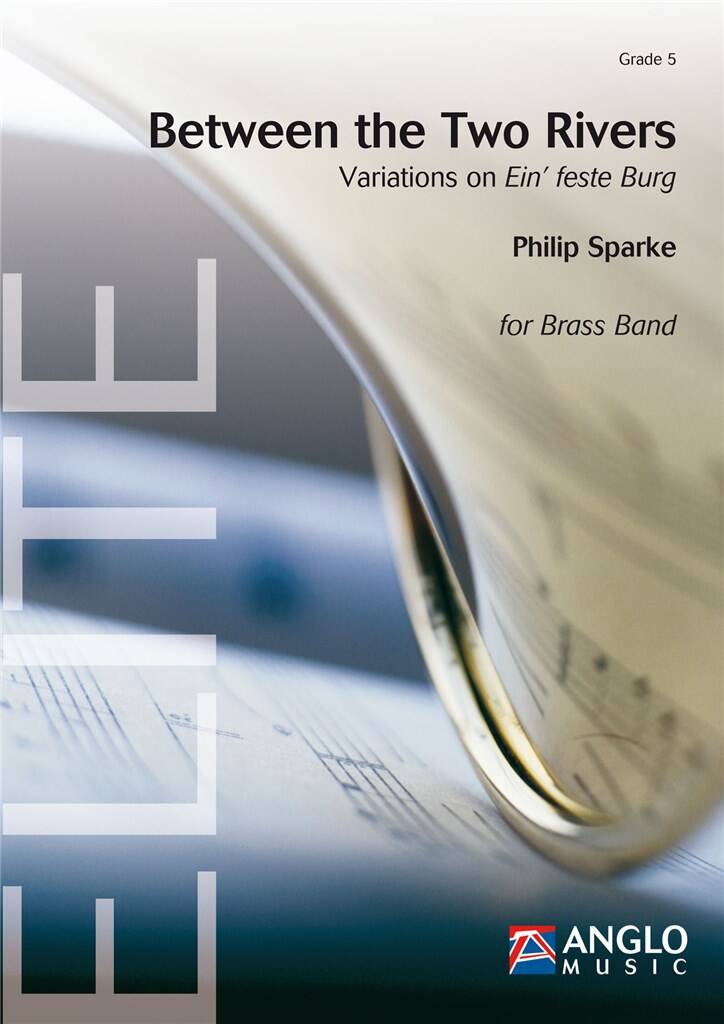
Between the Two Rivers - Philip Sparke
Between the Two Rivers was commissioned by Fanfare 'Prins Hendrik', from Aalst in the Netherlands. The title derives from the fact that the town of Aalst lies between two tributaries of the River Dommel. The community is a highly religious one, so the famous Luther chorale, Ein' Feste Burg, was an obvious choice for Philip Sparke to use as the theme for this new work. It takes the form of a theme with four contrasting variations. Variation 1 is a moto perpetuo, variation 2 has a slower march like feel, variation 3 is a sinister slow movement and the final variation is in the form of a lyrical fugue. Between The Two Rivers is sure to become a major work inmodern brass band repertoire.
Estimated dispatch 5-14 working days
-
All for One! - Caradog, Hughes & Forslund - Maurice Forslund
'All for One' is a road march based on two well-known Welsh melodies 'Rachie' by Caradog Roberts and 'Calon Lan' by John Hughes. Supporters of Welsh Rugby Union will probably have sung them on more than one occasion. The two melodies have been assembled, added to, and arranged by our colleague Maurice Forslund in Stockholm, and the resulting march is one that is straightforward, in the traditional Brass Band genre, and well within the capabilities of most bands. It works equally well as a concert opener or a processional march for the village fete.
-
 £40.00
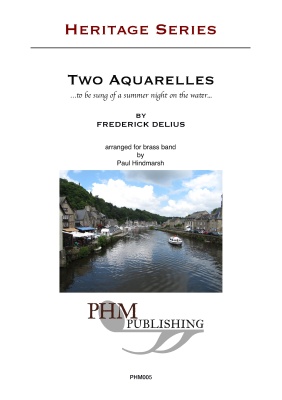
Two Aquarelles (Euphonium Feature with Brass Band - Score and Parts)
In the late spring of 1917, the Bradford born composer, Frederick Delius (1856 - 1934) composed two short part-songs at his home in Grez-sur-Loing. The river ran along the bottom of his garden and he called the two miniatures To be sung of a summer night on the water. The First World War was at its height, but one would never guess that from the languid and serene quality of these richly textured nocturnes. The songs were first heard in London on 28 June, sung by the Oriana Madrigal Society, conducted by Charles Kennedy Scott. In 1932 Delius's amanuensis, Eric Fenby, arranged them for string orchestra as Two Aquarelles. While I have taken Fenby's title, my arrangement is a note-for-note transcription of the choral original. It was prepared in early in 1993 for Besses o' th' Barn Band, of which I was Musical Director at the time. In the second song, the prominent tenor solo has been given to the solo euphonium, who should stand apart from the band in performance.- Paul HindmarshDuration: 5.00
Estimated dispatch 7-14 working days
-
 £40.00
One Night Only (From Dreamgirls)
ABOUT THIS PIECE: Looking for a show-stopper for your next concert? Look no further than this electrifying arrangement of One Night Only from the hit musical Dreamgirls. With music by Henry Krieger and lyrics by Tom Eyen, this iconic number serves as a pivotal moment in the show, performed in two contrasting styles: a soulful ballad by Effie White and an upbeat dance version by Deena Jones & the Dreams. This arrangement expertly captures the essence of both renditions, bringing their energy and passion to the brass band stage. One Night Only delivers all the excitement and glamour of the original, leaving audiences tapping their feet and humming the unforgettable melody long after the final note. A must-have addition for bands seeking a dynamic and memorable highlight for their next programme! ENSEMBLE: Standard British Brass Band WHEN YOU BUY THIS PRODUCT, YOU GET: High-quality printed score and parts LEVEL: 2 LISTEN: DURATION: 4-minutes, 30-seconds EXAMPLE SCORE: Click here LEVEL GUIDE: Level 1- Accessible to all Level 2 - c. UK third section and higher Level 3 - c. UK second section and higher Level 4 - c. UK first section and higher Level 5 - c. UK championship section level
Estimated dispatch 5-7 working days
-
 £39.95
Two Operatic Encores (Score and Parts) - Bram Gay
Two encores in one publication! Donizetti's 'Una Furtiva Lacrima' ('A Secret Tear') is arranged as a trombone or euphonium solo while Puccini's 'Signore ascolto' - Liu's Aria from his final opera Turandot - provides cornet soloists with a delicate showpiece.
Estimated dispatch 7-9 working days
-
 £45.00
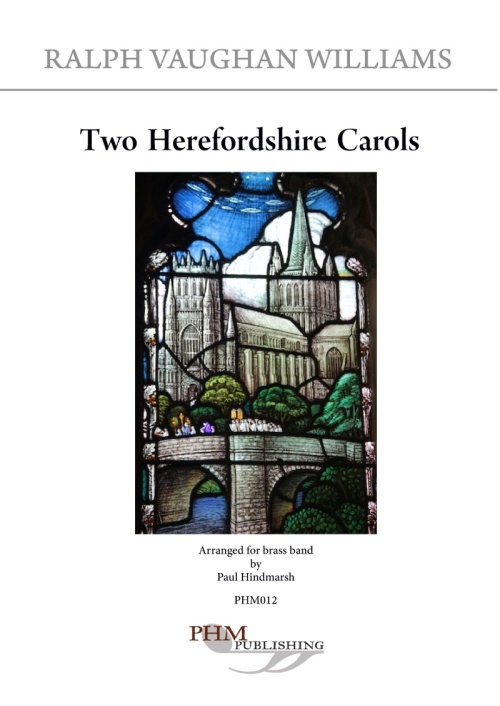
Two Herefordshire Carols (Brass Band - Score and Parts)
The two traditional tunes that comprise this straightforward setting were sung to Ralph Vaughan Williams (1872-1958) by Mrs. Esther Smith of Dilwyn, near Hereford, during one of the great composer's folk song collecting tours of England in the early years of the twentieth century. They were included in Twelve Traditional Carols from Herefordshire, edited by E.M. Leather and Vaughan Williams. The words to which Mrs. Smith sung the first tune were probably drawn from eighteenth century evangelical sources. The editors replaced these with six of the 16 verses of a traditional seventeenth century carol text, Joseph and Mary.The second melody, which appears as the centre piece of this arrangement, was sung to a carol that tells of a farmer who ploughed on Christmas Day. It is in fact a translation of a German traditional carol Gelobet seist du Jesu Christ that was published in Goodly Psalmes and Spiritualle Songes (1546) translated by Miles Coverdale. Vaughan Williams used the title Coverdale's Carol.The brass band settings follow the settings made by Vaughan Williams in 1920 for the Oxford Book of Carols. Since his simple harmonic approach is similar in both settings, three verses of his haunting version of Coverdale's Carol have been folded inside four verses of the slightly more animated treatment of Joseph and Mary. The harmonisations of Vaughan Williams have been given some brass band colour, with some verses taken by soloists from the ensemble. The accompaniment figuration that embellishes the second verse of Joseph and Mary has been used to open and close this arrangement and to bind the verses together.- Paul HindmarshDuration: 5.00
Estimated dispatch 7-14 working days
-
£29.95
UNDER TWO FLAGS (Brass Band Set) - Bramwell Coles
The catalyst for this march came during Bramwell Coles' brief service in the Royal Army Medical Corps at the end of World War One. It was intended as a salute to British Salvationists serving in the Armed Forces and includes quotations from several national airs like Rule Britannia, Men of Harlech, Bluebells of Scotland and God save the King (Queen).
Estimated dispatch 7-14 working days
-
 £29.95
Judd: Under Two Flags
The catalyst for this march came during Bramwell Coles brief service in the Royal Army Medical Corps at the end of World War One. It was intended as a salute to British Salvationists serving in the Armed Forces and includes quotations from several national airs like Rule Britannia, Men of Harlech, Bluebells of Scotland and God save the King (Queen).
Estimated dispatch 7-14 working days
-
 £40.00
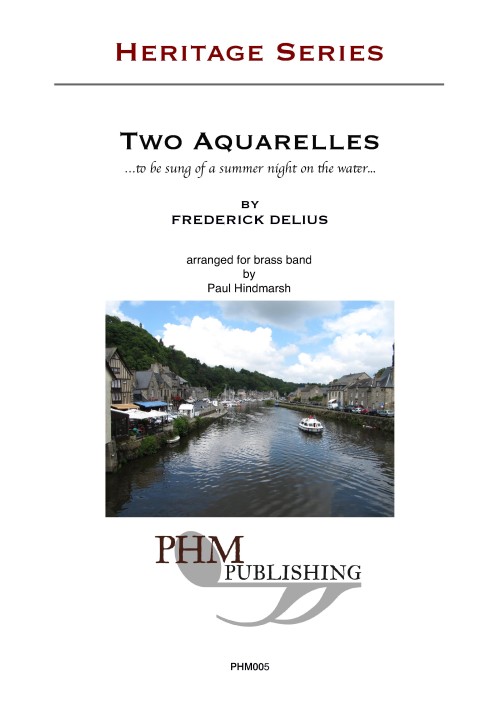
Two Aquarelles (Euphonium Feature with Brass Band - Score and Parts) - Delius, Frederick - Hindmarsh, Paul
In the late spring of 1917, the Bradford born composer, Frederick Delius (1856 - 1934) composed two short part-songs at his home in Grez-sur-Loing. The river ran along the bottom of his garden and he called the two miniatures To be sung of a summer night on the water. The First World War was at its height, but one would never guess that from the languid and serene quality of these richly textured nocturnes. The songs were first heard in London on 28 June, sung by the Oriana Madrigal Society, conducted by Charles Kennedy Scott. In 1932 Delius's amanuensis, Eric Fenby, arranged them for string orchestra as Two Aquarelles. While I have taken Fenby's title, my arrangement is a note-for-note transcription of the choral original. It was prepared in early in 1993 for Besses o' th' Barn Band, of which I was Musical Director at the time. In the second song, the prominent tenor solo has been given to the solo euphonium, who should stand apart from the band in performance.- Paul HindmarshDuration: 5.00
Estimated dispatch 7-14 working days
-
 £152.99
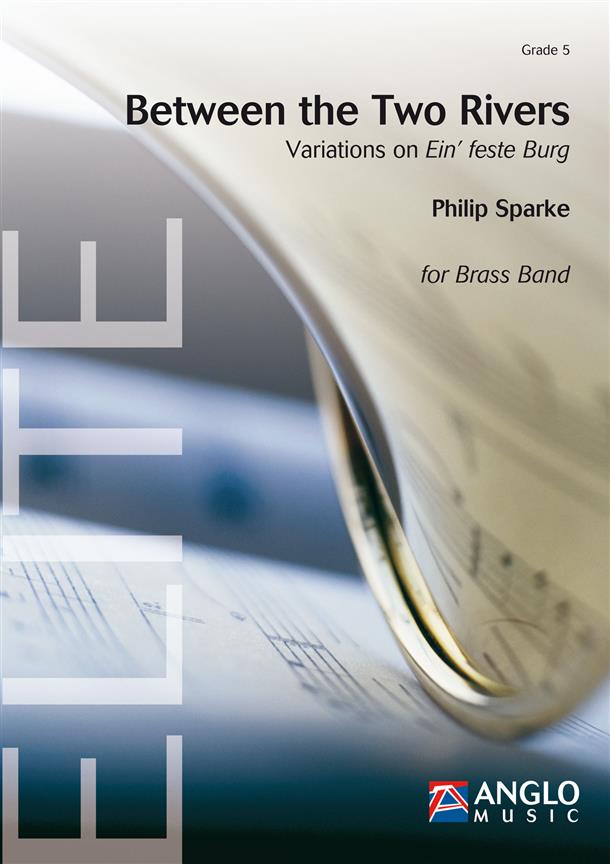
Between the Two Rivers (Brass Band - Score and Parts) - Sparke, Philip
Between the Two Rivers was commissioned by Fanfare Prins Hendrik, from Aalst in the Netherlands. The title derives from the fact that the town of Aalst lies between two tributaries of the River Dommel. The community is a highly religious one, so the famous Luther chorale, Ein' Feste Burg, was an obvious choice for Philip Sparke to use as the theme for this new work. It takes the form of a theme with four contrasting variations. Variation 1 is a moto perpetuo, variation 2 has a slower march like feel, variation 3 is a sinister slow movement and the final variation is in the form of a lyrical fugue. Between The Two Rivers is sure to become a major work in modern brass band repertoire.Duration: 15:00
Estimated dispatch 7-14 working days
 View Music