
Results
-
 £93.40
Scales, Technique and Velocity for Band, part 1 - Monard
Estimated dispatch 5-14 working days
-
 £102.99
Chameleon - Thomas Doss
Chameleon is a three-part solo piece for euphonium and brass band. The different styles within the piece provide lots of variety, requiring refined technique and a great deal of flexibility from the soloist. This composition was commissioned by Georg Pranger, to whom the piece is also dedicated. As a pioneer of the Austrian euphonium soloist scene, Pranger is committed to the 'unshackling' of this wonderful instrument and the creation of great musical momentum, as achieved by this commission.
Estimated dispatch 5-14 working days
-
 £49.10
Happy Go Lucky - Willy Hautvast
The public love the xylophone, so for all you xylophonists out there, here is a fresh and fun new composition for those of you who want a piece that doesn't require a top level of technique.
Estimated dispatch 5-14 working days
-
 £56.90
Samba Sensation - Kees Vlak
A solo for alto saxophone or flugelhorn. Recommended for beginners. A good percussion performance will create a certain tension. The solo part does not require a developed technique, but rather a good sound.
Estimated dispatch 5-14 working days
-
 £52.70
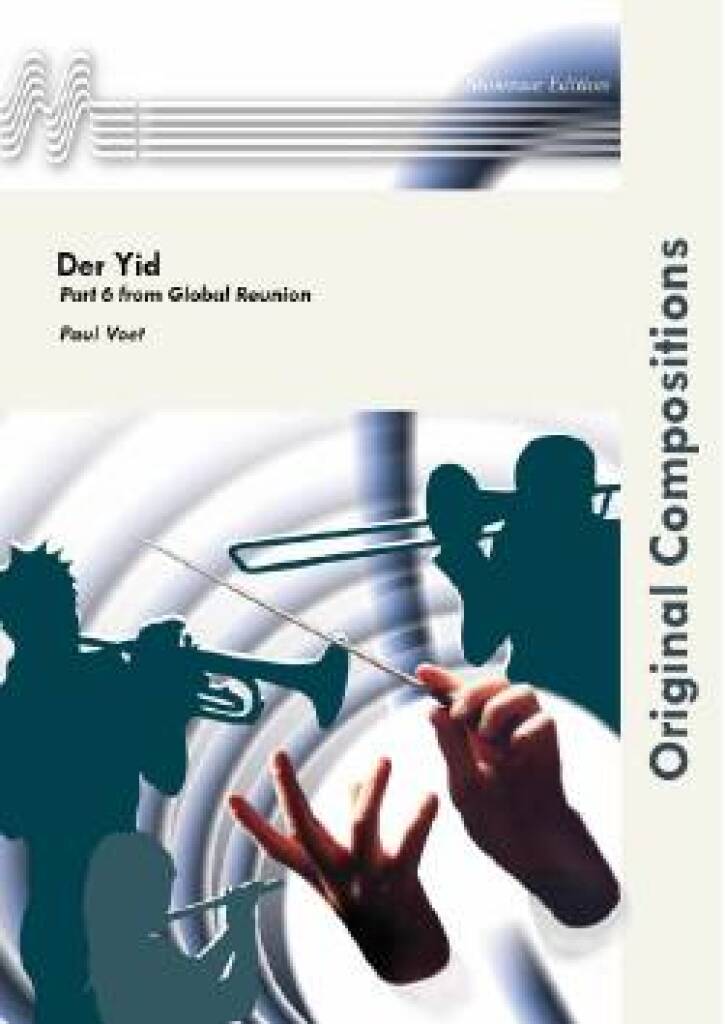
Der Yid - Paul Voet
Jews in Eastern Europe always had their typical music. Links with gipsy music are never far away. Starting with 3 cadenzas, each for cornet, euphonium and tenorhorn the band has to deal with a difficult and very fast theme of 'Der yid in Yerusholayim'. Virtuosi horns, baritone and flugelhorn often answer the main theme by cornets and euphoniums. Quick drum patterns accompany the whole movement. Growing to a raging climax at the end all possible is asked from the bandsmen as to technique and endurance.
Estimated dispatch 5-14 working days
-
 £228.70
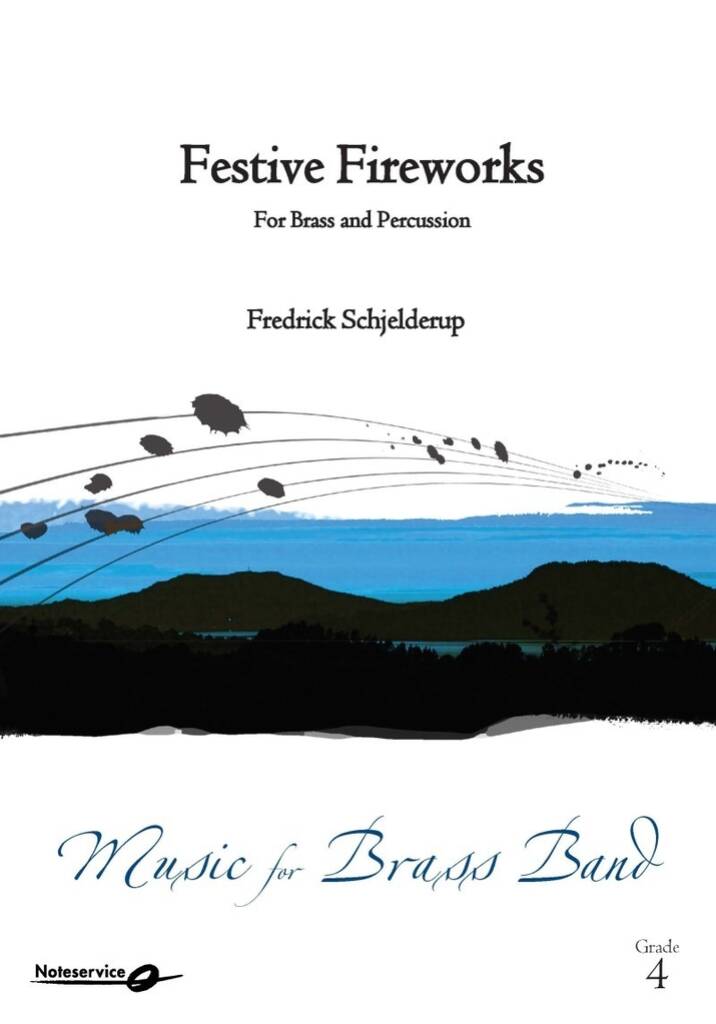
Festive Fireworks - Fredrick Schjelderup
Festive Fireworks is written in three movements: I. Festivitas, II. Fantasia & III. Fireworks. The piece is based on two different tunes, both presented in the first movement, "Festivitas". II. Fantasia is written as a calm fantasy on the two themes. It includes melodic lines, percussion effects and finish off with cadenza's for Solo Cornet, Solo Horn, Euphonium and Eb Bass. III. Fireworks is a quick movement with lots of energy combined with technique and melodic lines. Elements of the first and second movement is presented and mixed together for a great finale. To the conductor: "I. Festivitas" can also be used as a concert opener or finale and has two differentendings for concert use or contests (by using all the three movements).
Estimated dispatch 5-14 working days
-
 £11.95
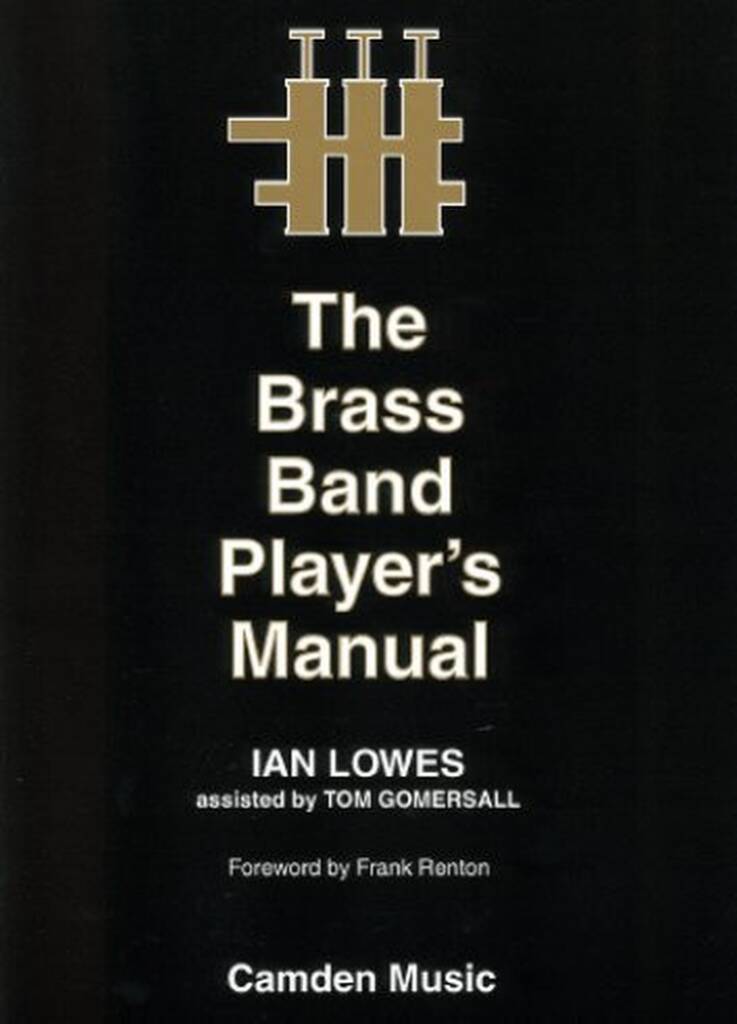
The Brass Band Player's Manual - Ian Lowes
This is the 'Haynes manual' of technique for the brass player. It breaks down all areas of preparation and performance into easy to understand sections and provides valuable exercises to improve all aspects of playing. Completewith a quick reference 'fault diagnosis chart'.IntroductionThis tutor is intended as a self-help tutor for all band players. It is laid out in the manner of a DIY car manual where technical explanationsare combined with fault diagnosis and suggestions for corrective solutions. Explanations range in depth to suit playing standards from beginner to championship level.64 pages.
Estimated dispatch 5-14 working days
-
 £60.99
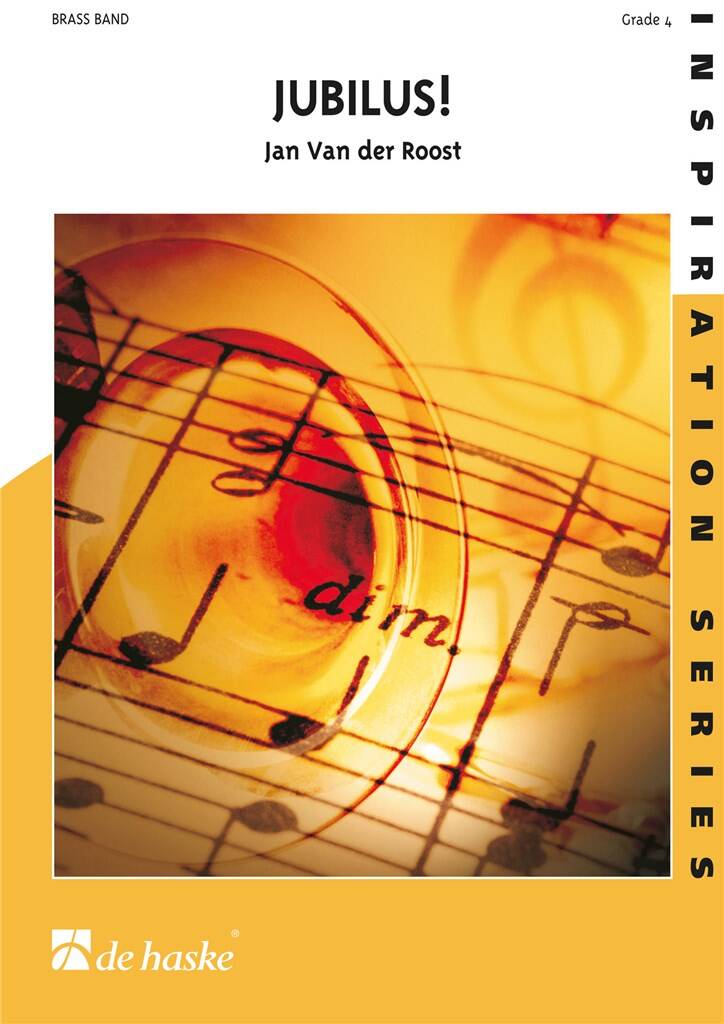
Jubilus! - Jan Van der Roost
Jan van der Roost's new work Jubilus will make an ideal opening piece for any event. It is in a classical ABA form, beginning with a rising brass fanfare which is quickly replaced by a contrasting expressive lyrical theme. The two themes alternate for a few seconds until an exciting new atmosphere is created with the lively allegro. This eventful piece lets you show off many aspects of your player's style and technique without losing overall unity
Estimated dispatch 5-14 working days
-
£54.99
Swingin' Kilts - John Blanken
John Blanken has created a swinging arrangement of the famous Scottish traditional tune Scotland the Brave. The usual version with bagpipes is the best known and there is a similarity in Swingin' Kilts owing to its long, drone-like tones in the accompaniment. The theme has been rhythmically adapted but it is still easily recognisable. Swingin' Kilts holds a challenge for every brass band. It makes demands in terms of timing and technique which give this work the bravura feel that will keep the audience as well as the musicians swinging in their seats.
Estimated dispatch 5-14 working days
-
 £124.95
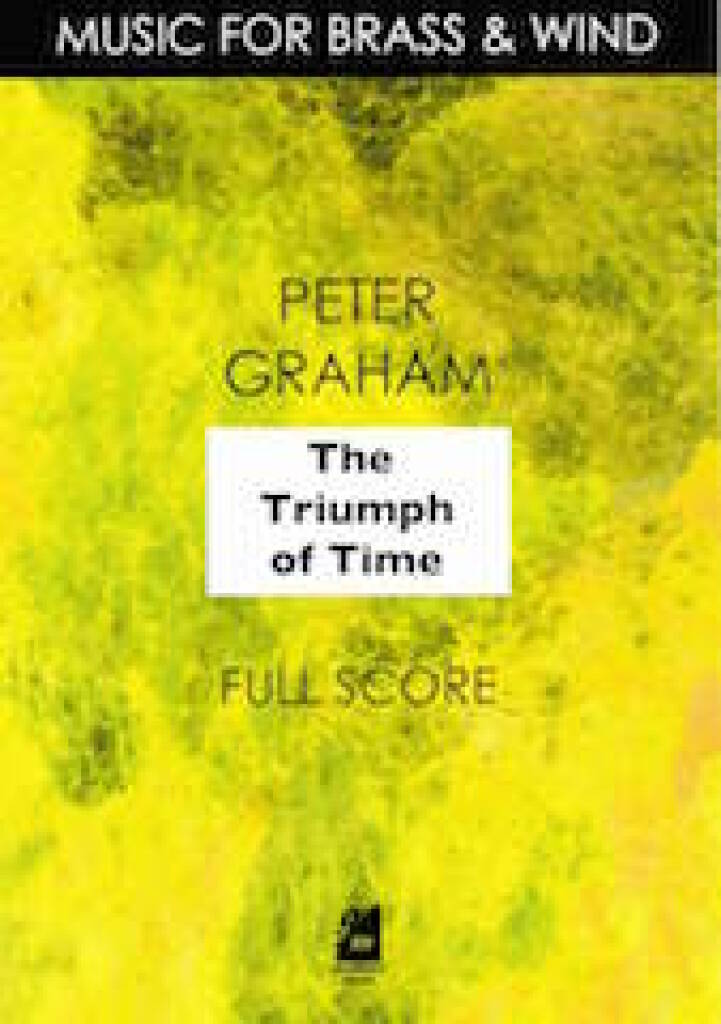
The Triumph of Time - Peter Graham
Like The Essence of Time, The Triumph of Time is a set of variations for band which follow roughly the same moods and characteristics of its older relative. Many years ago as I took up a university post and embarked on postgraduate compositionalstudy, my friend and colleague Ron Holz offered me some sage advice; to explore and assimilate unfamiliar compositional concepts and to develop and strengthen my technique, but never to stop writing tunes! This piece is dedicated to Dr Ronald W. Holzin gratitude.Peter Graham, June 2015
Estimated dispatch 5-14 working days
 View Music