
Results
-
 £37.50
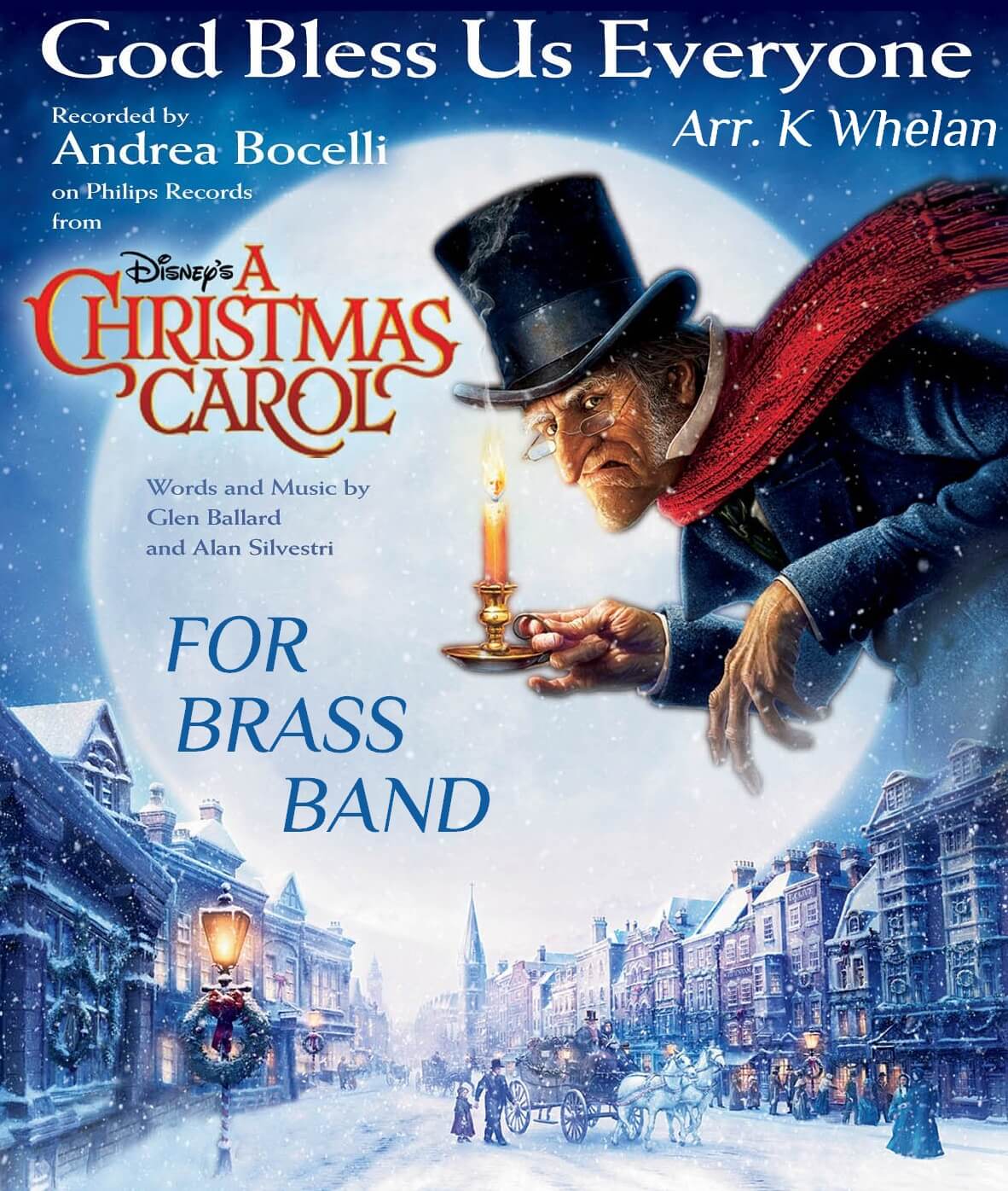
God Bless Us Everyone - Alan Silvestri - Karl Whelan
From Disney's hit movie A Christmas Carol comes the compelling theme song that will fill every heart with the holiday spirit. This inspiring message of peace and goodwill is a holiday call to kindness, and the festive orchestration is the icing on the cookies. Arranged by Karl Whelan, this new festive release is accessible to all bands and something familiar yet original for your Christmas concerts this year.
In Stock: Estimated dispatch 1-3 working days
-
 £37.50
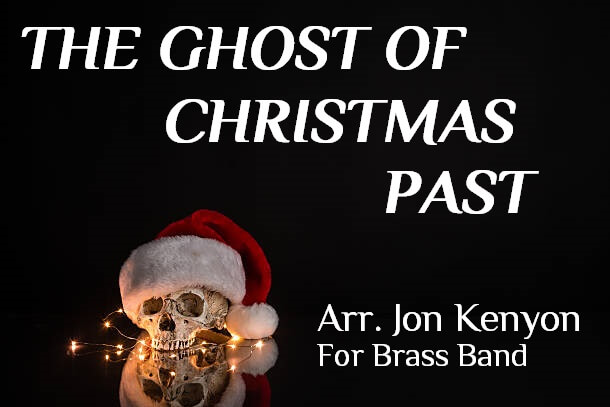
Ghost of Christmas Past - Trad - Jon Kenyon
This effective new arrangement creates a haunting atmosphere for your concerts, as some of the most well-loved Christmas carols are scored in a way unheard of before. Opening with God Rest Ye Merry Gentlemen in a cinematic scene, the work wouldn't feel out of place on the set of a Tim Burton film score. Carols of the minor key drift though the composition and take your audience on a journey to give them something completely different and fresh for your concerts this year. At 7 mins duration, the work is a perfect Overture alternative of the Macabre kind.
In Stock: Estimated dispatch 1-3 working days
-
£24.50
The Humming Chorus - Puccini - Alan Beaumont
This most beautiful piece from Puccini's opera Madame Butterfly has been wonderfully arranged for a brass band of any standard to perform to perfection. Simple and well structured, whether it is performed to a full concert hall, or on a bandstand in the park, audiences everywhere will appreciate this lovely piece.
In Stock: Estimated dispatch 1-3 working days
-
£24.50
Hut Six - Len Jenkins
A great march (perfect for contests such as whit Fridays) dedicated to the memory of those who worked at Bletchley Park, Milton Keynes, England, in World War 2. They were under the brilliant leadership of Alan Turing and were responsible for breaking the secret military codes used by the Enemy Forces (German in particular). The composer, Len Jenkins, lives close to Bletchley Park, went to school even closer, and attended Training Courses actually in 'The Park'. The march has memorable themes and is toe tapping for the audience.
In Stock: Estimated dispatch 1-3 working days
-
£29.50
How Great Thou Art - Trad - Edward Knowles
Every year, bands up and down the country perform joint concerts with choirs around the UK & across the globe. Joint items between the two ensembles are wonderful viewing (& listening) for the audience and can work as a terrific finale. Now, with the release of this arrangement, bands and choir* can join together and perform this wonderful work. Featuring a Baroque fanfare to open and a fugue towards the end, this is a simply stunning way for band and voices to be brought together. The arrangement also features an optional cut which allows the work to be performed without a choir. However, this arrangement invites the band to sing the melody in 4 part harmony, giving a fantastic new dimension to your bands versatility. Full choir parts & a piano part (for choir rehearsal purposes) are included with this publication. This really is a fantastic item that can make the hairs on your neck rise.
In Stock: Estimated dispatch 1-3 working days
-
£29.50
Have Yourself A Merry Little Christmas - Hugh Martin & Ralph lane - Hannah Hawken
Some musical numbers require little introduction and the hit that is 'Have Yourself A Merry Little Christmas' has been entertaining audiences since its first appearance back in 1944. Original sung by Julie Garland in the MGM musical 'Meet Me In St. Louis', the song was later revised and re-recorded. It was this second incarnation that is the popular song that we know today. Christmas solos are a novelty and now, arranged by Hannah Hawkden, this lovely little number fits perfectly into any Christmas concert giving your band and audience something fresh this year.
In Stock: Estimated dispatch 1-3 working days
-
 £29.50
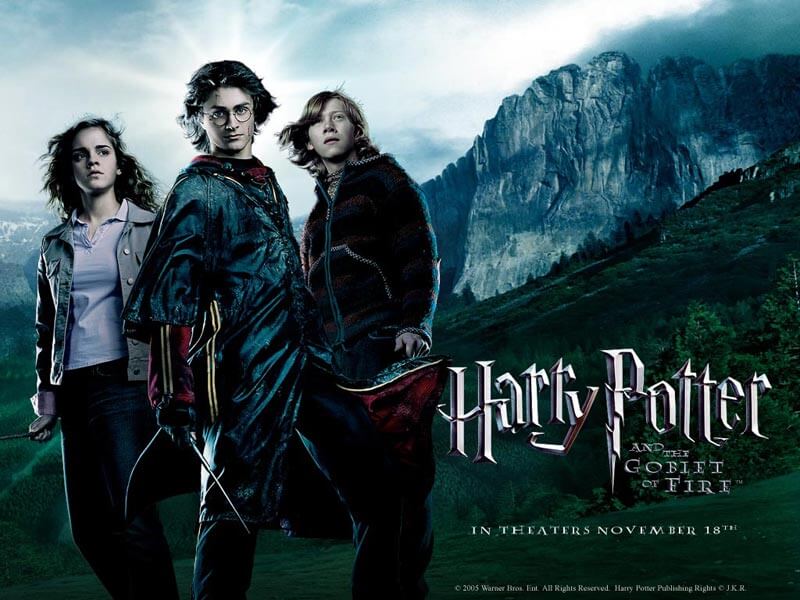
Hogwart's March - Patrick Doyle - George Marshall
From the fourth installation of the Harry Potter series comes 'Harry Potter & The Goblet of Fire'. This was the first of the Harry Potter films not to be scored by John Williams. Instead, Scottish Composer, Patrick Doyle was handed the gauntlet and he produced a gem of a score that lived up to the magic on screen. Although darker than the previous three films, the light-hearted 'Hogwart's March' featured predominantly at the Triwizard tournament. Now available for band, this work is perfect for band's looking to add a little magic to their programme. Instantly recognisable by the younger players and audience, and a different take on the traditional Brass Band march. To download the Solo Cornet part, please CLICK HERE . To download the Solo Horn part, please CLICK HERE . To download the Solo Euphonium part, please CLICK HERE . To download the playback audio to play along to, please RIGHT CLICK HERE & Save As .
In Stock: Estimated dispatch 1-3 working days
-
£24.50
Hail, Smiling Morn! - Reginald Spofforth - Sam Fisher
For bands around the Yorkshire region, this title immediately conjures up images of Christmas and local carols, particularly in Sheffield. The song is a glee written in the early 19th Century by Reginald Spofforth and usually sang at both Easter & Christmas, has recently seen its popularity grow across the nation. Sam Fisher has taken the lively 6/8 dance and created a concert march from the raw material that fits the more traditional brass band march format.
In Stock: Estimated dispatch 1-3 working days
-
£29.50
Huntingtower - Ottorino Respighi - Alastair Wheeler
Whilst best known in the Brass Band world for The Pines of Rome, Respighi wrote Huntingtower in 1932 for Concert (wind) Band for a special concert in memory of John Philip Sousa, who had passed away on March 6 of that year. The work was premiered by the US Army Band. With only around 6 weeks to compose the work, his inspiration for the piece came from a visit to Huntingtower Castle in Scotland. A standard in the wind & military band repetoire, the work is available for Brass Band and is a great alternative to some of the traditional Overtures.
In Stock: Estimated dispatch 1-3 working days
-
 £29.50
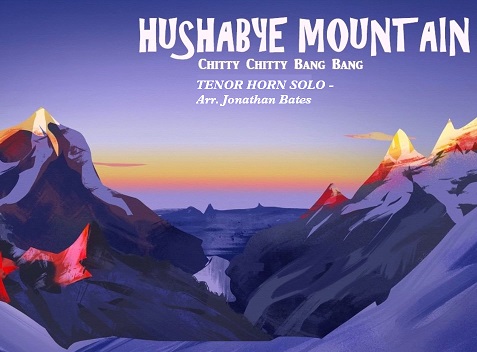
Hushabye Mountain - R & R Sherman - Jonathan Bates
Originally arranged for Owen Farr, Hushabye Mountain is a well-loved and cherished song by the renowned Sherman Brothers from the 1968 motion picture, Chitty Chitty Bang Bang. The work is undoubtedly one of the most popular songs from the show. The song acts as an idyllic lullaby, sang by Caracatus Potts as he sends his children to sleep. This arrangement, as a tenor horn solo by Fodens Band's Principal horn Jonathan Bates, features the tuned percussion throughout, and sets the melody initially over a music-box-like idea, before more dreamy and tranquil soundscapes enter.
In Stock: Estimated dispatch 1-3 working days
 View Music