
Results
-
 £37.50
Italien Euphoniem - Gavin Somerset
Occasionally, a solo comes along that allows the performer to show off their skill, whilst allowing the band a licence to enjoy themselves too. From the pen of Gavin Somerset comes a solo that takes all the 'bravissimo' of the great Italian composers and delivers a piece that both the audience and performers can enjoy. This original work is written with tongue placed firmly in cheek in this playful, light-hearted take on Italian music with a built in fun factor. The work is a must for both Euphonium soloists and bands looking to add a playful item to their programme To download the playback audio to play along to, please RIGHT CLICK HERE & Save As .
In Stock: Estimated dispatch 1-3 working days
-
£24.50
Jocular Geordie - Various - David White
Every part of the UK, from Cornwall to the outer tips of Scotland has its own local and traditional folk tunes. This playful medley of traditional tunes has come straight from the North East, including popular tunes such as "Cushie Butterfield", "Geordy, Haud the Bairn" and "Keep your Feet Still, Geordie". This toe-tapping piece is a must for all bands, whether performing in a concert hall or a village gala, your audiences can be singing and swaying.
In Stock: Estimated dispatch 1-3 working days
-
 £29.50
Jingle Bell Swing - James Pierpoint - Gavin Somerset
Get your audience on their feet in this ultimate Christmas Concert finale. Jingle Bells gets the Michael Buble Big Band treatment in this arrangement which will appeal to bands of all levels. There is plenty for every player to enjoy and there is no doubt that this finger clicking good piece will leave your audiences cheering for more. A must for all bands wanting to give their audience something different this Christmas season.
In Stock: Estimated dispatch 1-3 working days
-
 £24.50
Jingle Bells Fanfare - Bill Cumming - Jack Lythaby
What better way to open a Christmas concert than a fanfare piece based around arguably, the most famous Christmas carol ever written. In an arrangement for band based on an idea by Bill Cumming, there is plenty of majesty heard throughout this fanfare which refers to Jingle Bells throughout. Although the melody we all know is never fully allowed to be heard, the fanfare teases the listener, alluding to the things later to come throughout the rest of the concert.
In Stock: Estimated dispatch 1-3 working days
-
£29.50
King Of The Road - Rodger Miller - Lee Rogers
If there was one song that would encapsulate the laid back, easy-going nature of the bass trombone player - this is it! Roger Miller's classic 1964 song has now been skilfully arranged by Lee Rogers which can feature either the bass trombone or Eb Bass. The band parts also enjoy the laid back nature of the soloist with the melody featuring throughout different sections. Recorded by Dean Martin, The Proclaimers, Jerry Lee Lewis & countless other, this item is pure entertainment and just begs for the soloist to endure the "hobo" look as the song's lyrics describes. A must for all bands.
In Stock: Estimated dispatch 1-3 working days
-
 £24.50
Kathleen Mavourneen - Frederick Crouch - Andi Cook
Composed by Frederick Crouch with lyrics by Marion Crawford, this easy listening piece was popular during the American Civil War years. The term "Mavourneen" is derived from Irish Gaelic "My Beloved.". Now skilfully arranged as a cornet solo by Andi Cook, the work is open to soloists of most standards and was recently recorded on the final James Shepard Versatile Brass CD, Legacy which has increased it's popularity again within the Brass Band movement.
In Stock: Estimated dispatch 1-3 working days
-
 £24.50
Keep The Rhythm Going - Neil Brownless
Keep the Rhythm Going was written for Abingdon Concert Band during the 2020 Coronavirus pandemic as a tribute to musicians around the world who found ways to play together virtually in order to 'keep the rhythm going'. This exciting piece will be a great opener for any concert or contest programme and is available for both brass band and wind band. When performing the wind band arrangement the Cor Anglais, Eb Clarinet and Alto Clarinet parts are optional and can be omitted without affecting the music. The premiere performance can be viewed here: https://youtu.be/b6f7zRzxI7k The piece was premiered virtually on 19th November 2020 by 109 musicians from around the world from the following musical organisations:Abingdon Concert BandAbbey Brass BandAbergavenny Borough BandAbingdon and District Music SocietyAlnwick PlayhouseConcert BandAlnwick Symphonic Wind EnsembleAnything Goes Swing BandAshby Concert BandAylesbury Concert BandAylesbury Symphony OrchestraBacchus Wind OrchestraBanbury Symphony OrchestraBicester Concert BandBisham Concert BandBlaina Town BandBoobs and BrassBourne Concert Band of WokingBrass for AfricaBucks WindBurford OrchestraCastleton BrassCity of Cardiff Melingriffith Brass Band OrganisationCoquet Concert BandCorpo Bandistico G. Puccini - DLF BolognaDarlington Clarinet EnsembleDidcot Concert OrchestraDragon's Big BandDurham Miners' Association Brass BandEast Grinstead Concert BandGoring & Streatley Concert BandHalifax Concert BandHenley Symphony OrchestraJazz ColossusBig BandJupiter BrassKidlington Concert BrassLangtree SinfoniaNantwich Concert BandThe British Police Symphony OrchestraNew Buckenham Silver BandNottingham Concert BandNottingham Daytime OrchestraNottingham Symphonic WindsPaddock OrchestraPeebles Concert BandPotterspury Big BandReading Concert BandRoyal College of MusicRoyal Welsh College of Music & DramaSalvation Army West Midlands Fellowship BandSalvo BrassSaxophone SundaeSevenoaks and Tonbridge Concert BandShirley BandSlinfold Concert BandSouth Norfolk Youth Symphonic BandStockport Silver BandSuper BoneTewkesbury CamerataThame Concert BandThe Band of The Royal British Legion, LeistonVale Symphonic Wind BandTowcester Studio BandUniversity of Nottingham BlowsocThe University of Trinidad and TobegoWadhurst Brass BandWest Forest SinfoniaWeston BrassWindsor & Maidenhead Symphony OrchestraYorkshire Wind OrchestraYoung Musicians Symphony Orchestra...and some freelancers.
In Stock: Estimated dispatch 1-3 working days
-
 £37.50
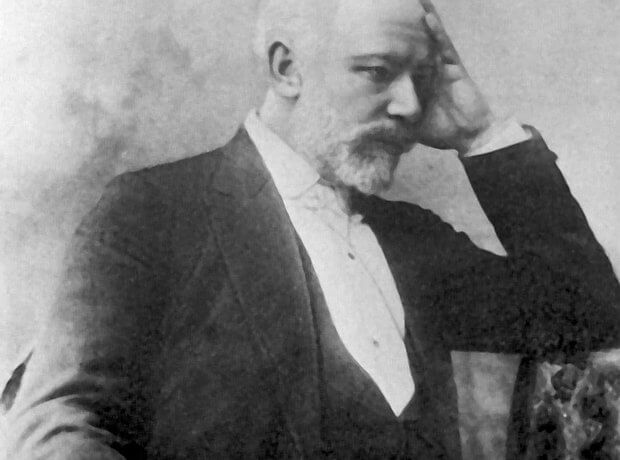
Symphony No.1 (2nd Mov.) - Tchaikovsky - Julian M Blakestone
"Land of Desolation, Land of Mists" is the title given to the second movement of Tchaikovsky's First Symphony with carries the sub-title Winter Dreams, a theme carried onward by its first two movements. However, those seeking the "misty desolation" of a winter on the steppes will not find it here, for of all Tchaikovsky's symphonies, this one bears the aura of optimism.
In Stock: Estimated dispatch 1-3 working days
-
 £37.50
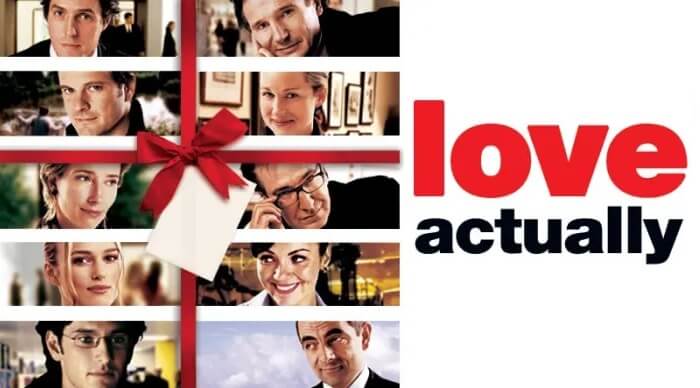
Love Actually - David Arnold - Gavin Somerset
This hit British comedy film set in the build up to Christmas, features just about every emotion you can imagine which helped to make it one of the most popular films of all time. With an all-star cast, the film is backed with a stunning soundtrack by David Arnold, tugging at the heartstrings and uplifting the audiences simultaneously. Also featured in this selection, is the title 'Christmas Is All Around Us' featuring the trombone section in this comic number. Beautifully arranged, this title is a must have for your festive concerts this year giving you a work that audiences will remember with the smiles, laughter and tears that the film evokes.
In Stock: Estimated dispatch 1-3 working days
-
 £24.50
Largo (From the New World Symphony) - Antonin Dvorak - Andi Cook
Dvorak's music, is filled with memorable themes and this movement is no exception. For years associated with Bread advert, this arrangement for brass band is simply stunning, creating a warm sound throughout the sections of the band and playable by all levels of band. A perfect item for any concert.
In Stock: Estimated dispatch 1-3 working days
 View Music