
Results
-
 £44.95
SONG AND DANCE (Cornet Solo with Brass Band Set)
Estimated dispatch 7-14 working days
-
 £54.20
SONG AND DANCE (Eb Horn Solo with Brass Band) - Woodfield, Ray
Grade: Medium.
Estimated dispatch 7-14 working days
-
 £76.99
Mixed Bag - Peter Martin
'Mixed Bag' stands midway between a collection and a hotchpotch. It is a colourful compilation of four completely different pieces, each with its own specific character. The first part is called 'Tanguillo' : as its name suggests, this Spanish dance is related to the Tango. In the next part, 'Maybe next time ....' a repeated bass line (Passacaglia) can be heard, first solo, but thereafter gradually the other instruments join in. The third part forms a huge contrast did the former part have a Baroque atmosphere, 'Rock Hard' seems to have come directly from the Rock 'n Roll era, reminding us of stars such as Bill Haley and Elvis Presley. The finale is acheerful, inciting movement called 'Gypsy Dance'.
Estimated dispatch 5-14 working days
-
 £53.50
On a Roll - Oliver Waespi
The title of this piece reflects its upbeat, forward-driven character. It starts out with a soul groove, carrying a prominent theme which invites players and listeners to dance. The slower middle section features a blues with optional solo parts. After the return of the soul beat, the piece concludes with a striking reaffirmation of the initial theme. On a Roll may be performed as an effective opener or as an upbeat rhythm item during a concert or contest. On a Roll was commissioned by the Zurcher Blasmusikverband for the Zurcher Kantonalmusikfest 2024 in Urdorf/Schlieren, Switzerland.
Estimated dispatch 5-14 working days
-
 £91.99
Fanfares, Songs & Dances - Philip Sparke
Fanfares, Songs & Dances was commissioned by Brass Bands England, the Lithuanian Brass Band Association and the Dutch National Brass Band Championships (NBK), and first performed at the 43rd 'NBK' in October 2024. The work is played in three linked movements: FANFARES opens in robust fashion with a sequence of fanfare-like statements, initially featuring the horns, whose modal theme includes a figure that will reappear throughout the work. Euphoniums and then cornets introduce a second theme, which is followed by a third, again initiated by the horns. Baritones then change the mood with a more-lyrical theme, which builds to a climax, eventually leading back to a recall of the initial fanfare theme. This gradually dissolves to introduce the second movement. SONGS continues to relax the fanfare feel with a long introduction to the movement's main theme, first appearing on solo cornet. A change of key introduces a bridge passage which leads to a sonorous chorale, which builds to a triumphal return of the cornet theme. A peaceful coda leads to the final movement of the work. DANCES is a scherzo-like movement based around a series of rhythmic melodies in triple time, which lead to a majestic return of the 2nd movement's chorale theme under cornet figuration. The opening dance theme returns and heralds a joyous coda.
Estimated dispatch 5-14 working days
-
 £72.99
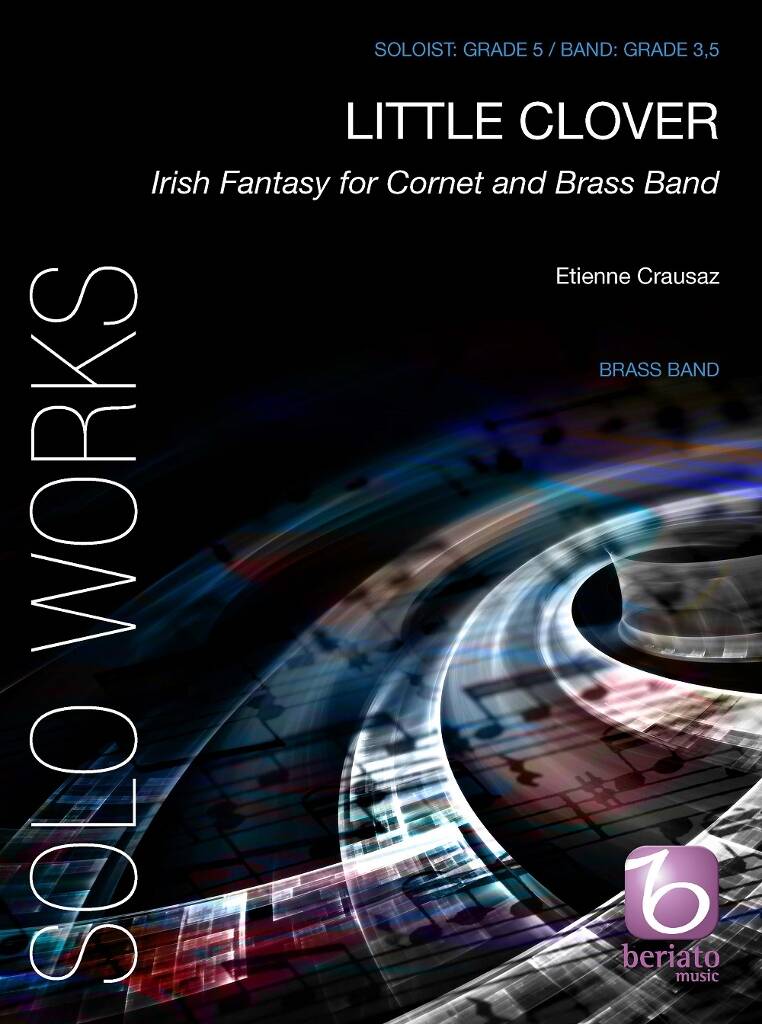
Little Clover - Etienne Crausaz
Cornet solo commissioned by Carole Rudaz, a Swiss cornetist, on the occasion of her 40th birthday. Due to its rarity, the four-leaf clover is considered lucky in western culture. But the common three-leaf shamrock, also known as Little Clover, is one of the symbols of Ireland, whose traditional music greatly influenced the general aesthetics of this piece. The work is in three parts: the first, in 6/8, is very lively and virtuosic. After a short cadenza, the second part introduces a theme tinged with melancholy, while the last part is a dance in 2/2 that reprises the theme of the second part to conclude the piece.
Estimated dispatch 5-14 working days
-
 £125.00
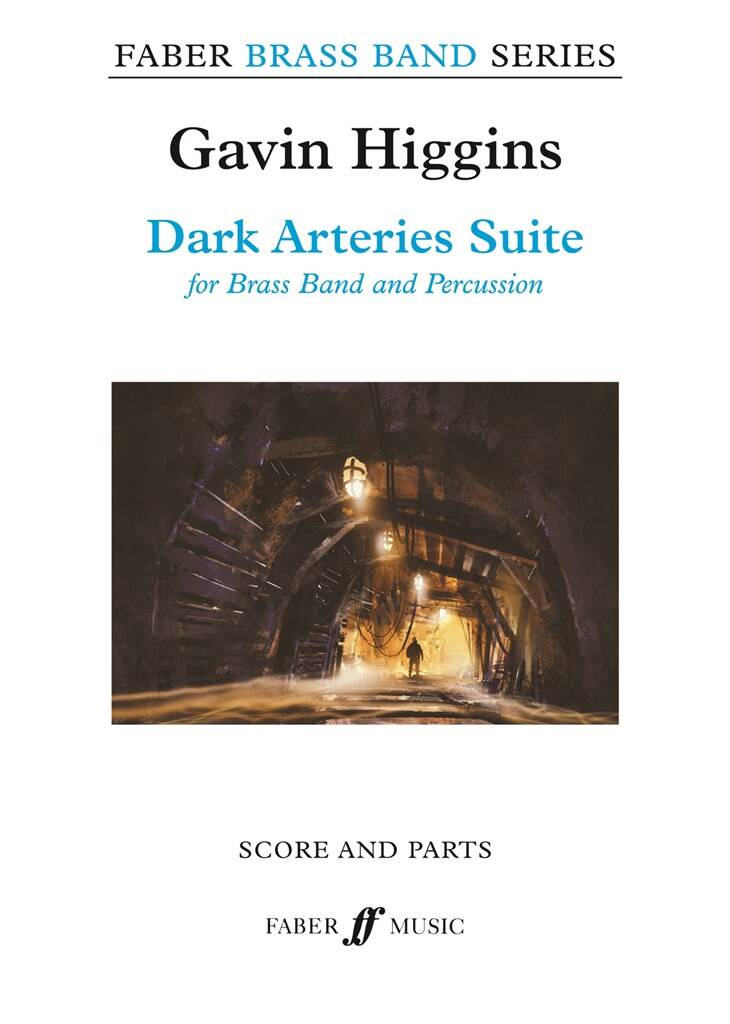
Dark Arteries - Gavin Higgins
Dark Arteries was commissioned by Rambert Dance Company and first performed in May 2015 with the Tredegar Town Band sharing the stage with Rambert dancers. Dark Arteries is a personal and at times highly wrought response to the Miners' Strike and its aftermath. It is in three movements, the first and last are expansive, with widely contrasting sound worlds, from dark, brooding melodies and the haunting sounds of solo flugel horn to wild syncopations on cornets, suggestive of an imposing, but often bleak mining landscape.In 2016 Higgins re-worked Dark Arteries into a virtuoso concert suite, which captures the essence of the work in three connected movements.Dark Arteries Suite was premiered by the National Youth Brass Band of Great Britain, conducted by Bramwell Tovey at the Barbican Centre, London, 22 April 2017.
Estimated dispatch 5-14 working days
-
 £115.60
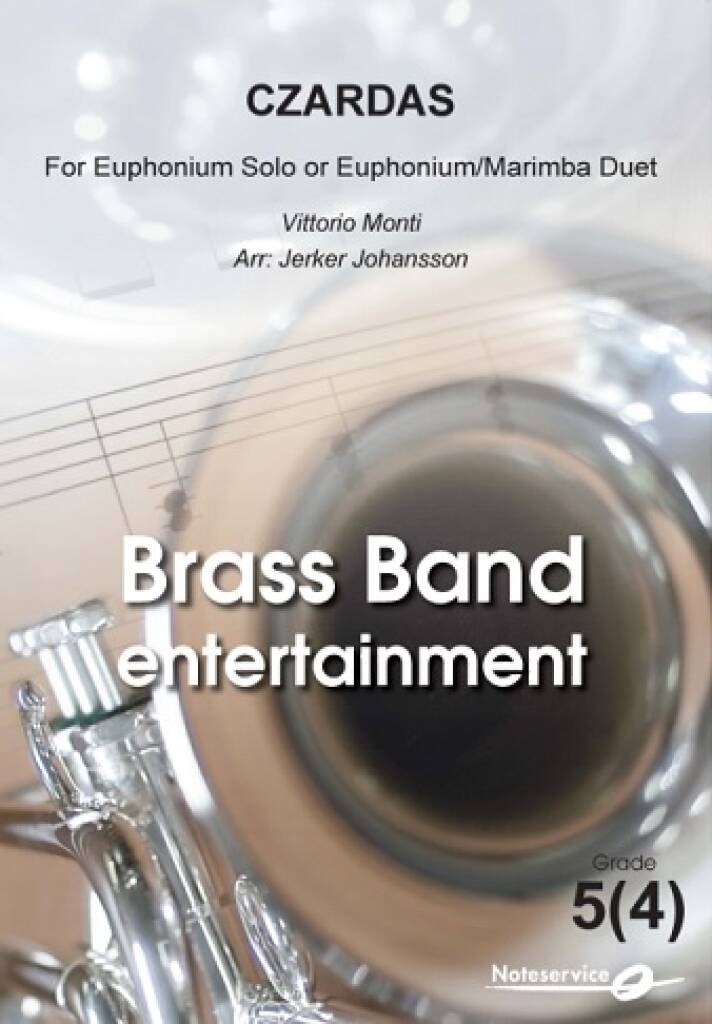
Czardas - Vittorio Monti - Jerker Johansson
There are composers that have gone done in history by just a single composition. One of those is the Italian violinist and composer Vittorio Monti (1868-1922). Around 1904 he wrote "Czardas", which soon became a favourite among violinists inrestaurant and gipsy orchestras. Monti was also conductor of the Lamoureux Orchestra in Paris and wrote music for ballets and operettas.Csardas is originally a Hungarian folk dance with a slow part (lassu) and a fast part (friska). The virtuoso solo in this arrangement for brass band is written for euphonium and marimba.
Estimated dispatch 5-14 working days
-
 £19.95
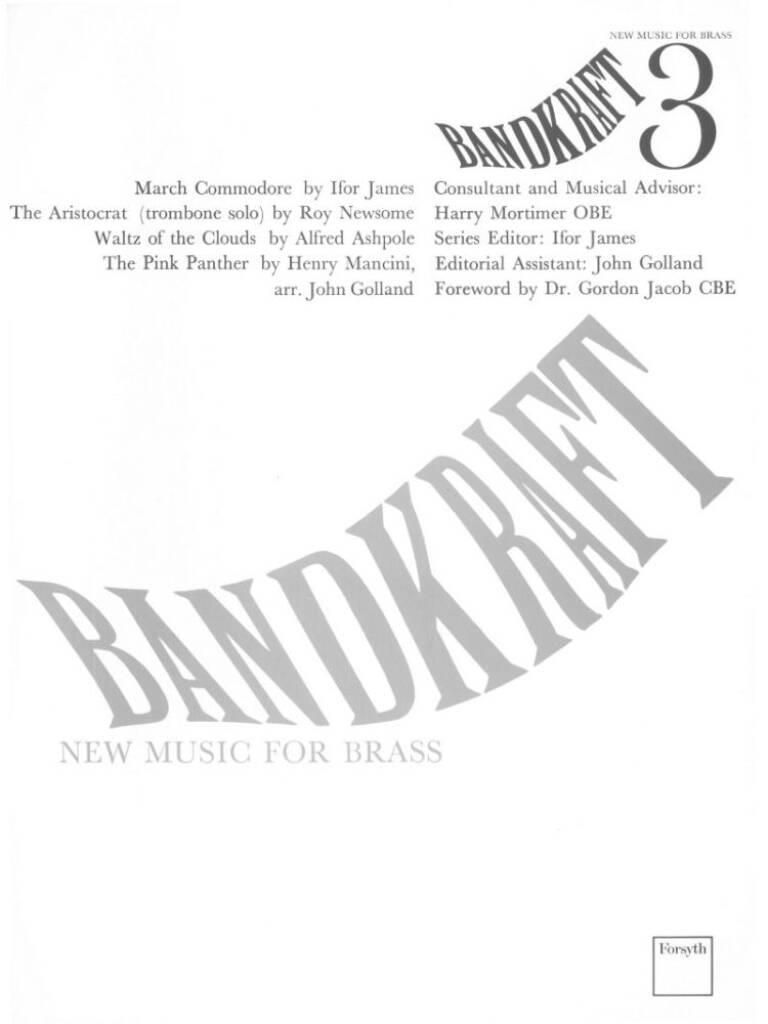
Bandkraft 3
The third of three superb sets of new music and arrangements for brass ensembles.March Commodore - Ifor James: A striking piece well suited for performance in concert or on the march.The Aristocrat - Roy Newsome: A not too difficult trombone solo, providing animated, musical fun for band and audience alike, and which gives the trombonist ample opportunity to play the fool.Waltz of the Clouds - Alfred Ashpole: A Viennese style waltz by a composer with unparalleled experience of writing for bands.Pink Panther - Mancini, arr. John Golland: The original Mancini Pink Panther translated for brass band. Watch out for his sneaky rhythms, which need proper dance band treatment.
Estimated dispatch 5-14 working days
-
 £54.99
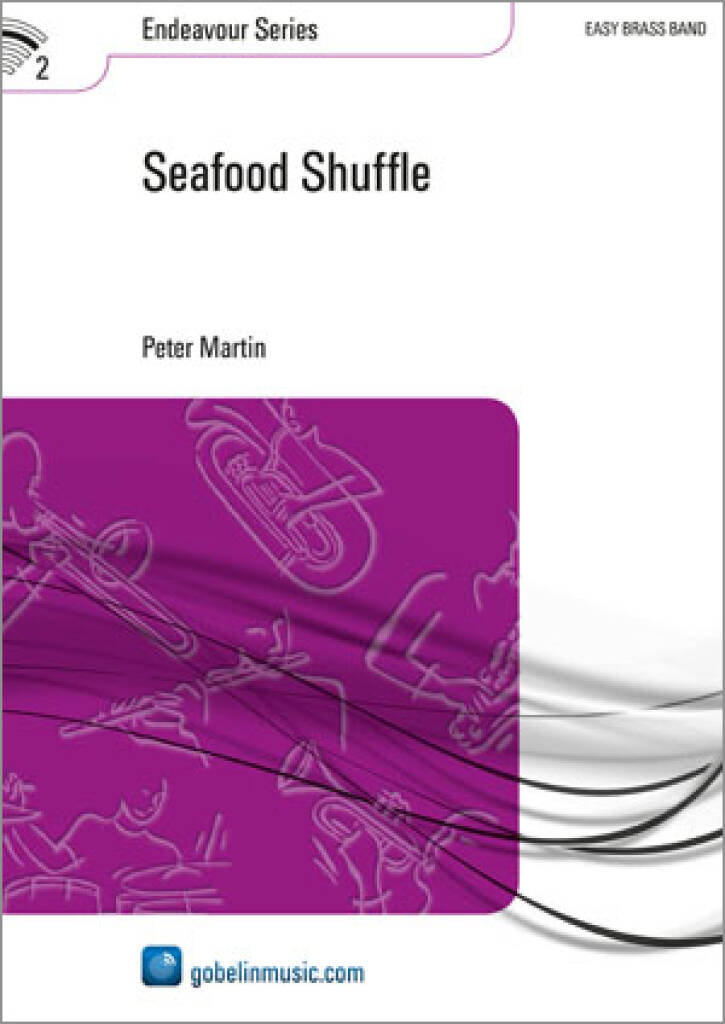
Seafood Shuffle - Peter Martin
Energetic music which invites you to dance, because it is hard to keep still with this shuffle. And you don't have to. Feel like a fish in water in this Seafood Shuffle which includes some flashy solos. Solo parts in C, Eb and Bb are included.
Estimated dispatch 5-14 working days
 View Music