
Results
-
£24.50
The Cheshire Waltz - Traditional - A. Cook
A gentle setting of the traditional Cheshire folk melody, featuring solo and ensemble contributions from around the stand, this arrangement is playable by most levels of band and ideal for a lighter moment in your concert programme as an alternative to a slow melody.Starting as softly as a summer breeze, slowly gaining enthusiasm, before waltzing brightly to its peaceful conclusion, it's music as light as a victoria sponge and as English as a game of cricket on the village green.
In Stock: Estimated dispatch 1-3 working days
-
£29.50
Brave Bones - Max Stannard
This composition is based on the melody from Scotland the Brave, with several different variations. The piece begins with a gradually build up in the style of a thriller movie, before working lighthearted through several styles and genres allowing the trombone section to show of the skills and have fun. This is an excellent showcase for your trombone section. This piece would also fit perfectly into a programme of Scottish music or a Burns Night performance
In Stock: Estimated dispatch 1-3 working days
-
£29.50
The Breeze And I - Ernesto Lecuona - Neville Buxton
The songs of Ernesto Lecuona may have been covered by more exotica artists than any other composer, yet they're relatively unknown except to fans of traditional Latin music. It's a shame, for Lecuona was a multi-talented artist and a pioneer of Latin music in America. A Lecuona song has everything an exotica lover could ask for: mystery, excitement and rhythm. "The Breeze & I" is no exception, starting with a Bolero, then moving from Beguine to Swing before returning to the Bolero to finish. Recorded by Jimmy Dorsey with Bob Eberly singing Al Stillman's lyrics, this tune became a number one hit in the U.S.
In Stock: Estimated dispatch 1-3 working days
-
£37.50
Brass Monkey's Occasions - Gavin Somerset
Never be caught out again on a concert with this selection that caters for just about every occasion. Your training band will be prepared to perform anything from a Fanfare to the National Anthem and even 'He's A Jolly Good Fellow'. The music included in this publication is used all over the world, all year around. "Land Of Hope & Glory" is also included, in the same key as the popular senior band arrangement (by J. Ord Hume) so your training band can join in with the senor band in a proms concert finale. This release puts well-known, often requested tunes in one publication letting your training band shine, whatever the occasion. Music included isaAFANFARENATIONAL ANTHEM (God Save The Queen/King)ROYAL NAVY HYMN (Melita)HARVEST HYMN (St. George's Windsor)ONWARD CHRISTIAN SOLDIERS (St. Gertrude)DANNY BOY (Londonderry Air)HE'S A JOLLY GOOD FELLOWF.A. CUP THEME (Eventide)LAND OF HOPE & GLORY (Pomp & Circumstance March No.1)
In Stock: Estimated dispatch 1-3 working days
-
£37.50
Christmas Humbug - Traditional - Len Jenkins
If you were looking for something different and quirky this Christmas aA" look no further! A medley of all the best known carols from the festive period, but not as you may expect them. This piece takes you on a musical journey through different styles of music with clever bits of carols thrown in for good measure. The piece is written in 2 sections and can be played as one long through-composed suite, or each half performed separately, effectively giving you two pieces of music out of one. This item is one for every band and certain to entertain both the audience and players.
In Stock: Estimated dispatch 1-3 working days
-
 £29.50
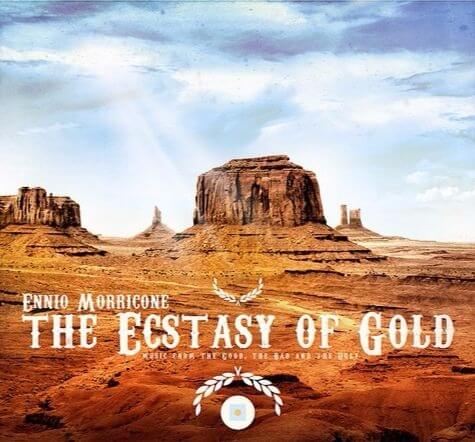
Ecstasy Of Gold - Ennio Morricone - Andi Cook
This energetic piece, one of the many qualities of Ennio Morricone's music, has recently been brought back into the public eye with its use in the new 'Health Lottery" Adverts and many other TV appearances. The music comes from the iconic picture "The Good, The Bad & The Ugly" while the character Tuco searches for the $200,000 hidden in a graveyard. Since then, its been a hit world wide, being used in several media campaigns. its success can be attributed to the strong, powerful melody that last long in the memory. Now for the first time, arranged for band by Andi Cook, the brass band can enjoy the powerful piece that follows its delicate opening for Solo Horn. To download the Solo Cornet part, please CLICK HERE . To download the Solo Horn part, please CLICK HERE . To download the Solo Euphonium part, please CLICK HERE . To download the playback audio to play along to, please RIGHT CLICK HERE & Save As .
In Stock: Estimated dispatch 1-3 working days
-
£37.50
Midnight in Cairo - Steven Ponsford
Midnight in Cairo is a fun and light piece of music, suitable for anywhere in a concert. It is atmospheric in its nature, conjuring up images of the lively nightlife in the streets against the backdrop of the Nile and the other ancient wonders of this vibrant city. The music starts in a mysterious mood, with soft vocals around the band accompanying the main theme, before the piece takes off. There are solos for trombone and cornet, which will benefit from the players standing up to play, and improvising if possible.
In Stock: Estimated dispatch 1-3 working days
-
£37.50
Brass Monkey's Christmas - Gavin Somerset
With so many bands now using the Brass Monkeys publications with their training bands, this latest release of the 'Brass Monkeys' series is our largest to date and includes a variety of works from the festive season. In this substantial publication of music, simple carols are included that can be performed to accompany an audience singing, or as standalone items. Some novelty choices of music have been included too. The 'Little Drummer Boy' is designed to give your budding percussionist the limelight they've craved all year around, whilst 'O Holy Night' will teach your front row the importance of the 12/8 time signature. Of course, no Christmas compilation would be complete without 'Jingle Bells' & 'We Wish You A Merry Christmas'. This publication will ensure your Brass Monkeys are not left out in the cold this Christmas! Music included is...AWAY IN A MANGER (Cradle Song)HARK, THE HEARALD ANGELS SING (Mendlesshon)LITTLE DRUMMER BOY (Carol Of The Drum) aA" playable without percussionIN THE BLEAK MIDWINTER (Cranham)JINGLE BELLSWHILE SHEPHARDS WATCHED (Winchester Old)O HOLY NIGHTWE WISH YOU A MERRY CHRISTMAS
In Stock: Estimated dispatch 1-3 working days
-
 £24.50
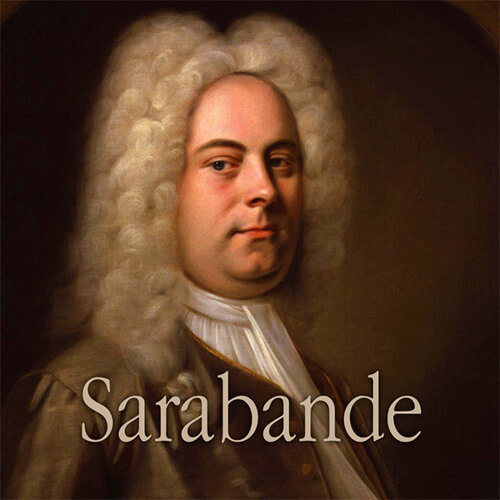
Ombra Mai Fu - Handel - Jonathan Bates
Whilst many will not know the music by name, upon hearing a few bars, the music is recognisable as one of Handel's most famous works. This however was not always the case. 'Ombra Mai Fu' is the opening Aria from the opera 'Serse' which was a failure upon its release, lasting only five performances following its premiere. Thankfully the work was rediscovered some years later and became one of the most famous classical music pieces we know today. Originally composed to be performed by a castrato singer, Jonathan Bates has now arranged this timeless classic into a beautiful cornet solo that would feature well in both the concert hall and bandstand.
In Stock: Estimated dispatch 1-3 working days
-
£29.50
Celebration - Lawrence Killian
Celebration for Brass Band is a suite of music in three movements.The piece's overall aim is to provide both the players and the audience with a positively uplifting and fun musical showcase. The listener is taken on a journey through the various moods and feelings associated with three types of celebration: birthday, anniversary, and jubilee. The music is generally light in character, a subtle blend of the familiar and not-so-familiar, with a few 'cheesy bits' to make you smile in between.The first movement is 'Birthday Treat', a light-hearted look at the fun and games surrounding a birthday party for any age. Opportunity is given within the music for the players and audience to join in and echo the sounds of a live party with exclamations of: "Happy Birthday!", "Congratulations!", "Well done!".The second movement in the suite is 'Anniversary', a touching musical tableau recalling memories of bygone days.The final movement, 'Jubilee', is precisely that. Full of jubilation, energy, and carnival, the music will engage the listener from the start. Listen out for musical snippets recalling the musical moods heard earlier in the first two movements.
In Stock: Estimated dispatch 1-3 working days
 Listen to MP3
 View Music