
Results
-
 £72.70
Boller og kaker og brus - Hans Offerdal
I wrote this march for Furuset skoles musikkorps and Haugen skolekorps to use on the 17th of May 2007. Those familiar with Norwegian culture know that this day is the national holiday of Norway. What symbolises this day for most kids I think, areplaying and parading in the streets and afterwards eating as much candy, ice cream and cake as possible.The rhythm of the opening motive is based on the rhythm of the title, thus the march is supposed to illustrate a bunch of kids shoutingout: "Candy and Ice Cream and Cake!" There should be no doubt what they want after finishing parading in the streets.
Estimated dispatch 5-14 working days
-
£54.99
Barcelona '92 - Horst Schelcke
The Olympic Games from the summer of 1992, officially known as theGames of the XXV Olympiad of the modern era, were held in the sunnySpanish city of Barcelona. This was the first time the Olympic Gameshad been held in Spain, and to celebrate this Horst Schelke composedthis rousing concert march with a typically Spanish feel. Relive theexcitement of this great event with this superb march.
Estimated dispatch 5-14 working days
-
 £59.99
Marcho Brioso - Philip Sparke
Marcho Brioso was commissioned by The Brioso Brass, a British-style brass band from Hokkaido, Japan. They gave the first performance in January 2012.The commission was for a bright and breezy march that the band could use as their theme tune, so Marcho Brioso falls into the composer's series of Broadway-style marches, which includes Slipstream, The Bandwagon and Jubiloso.After a short introduction a solo cornet plays the main theme, accompanied by a euphonium counter-melody. A secondary phrase from the horns and baritones leads to a tuttiversion of the main theme which is followed by the traditional 'bass' strain. A change of key heralds the trio section, which features a cantabile melody on euphonium; this is then taken up by the full band after a short bridge passage and further change of key.This takes us back to the home key which sees a quiet staccato version of the main theme lead to a recapitulation and a short coda which brings the march to a close.
Estimated dispatch 5-14 working days
-
 £60.99
Helios - Jan Van der Roost
Following in the footsteps of Ceremonial March, Mercury, Arsenal and Minerva, Helios is a concert march in the tradition of grand English marches. In the first passage several connected themes are developed in a combination of contrasting nuances. The melodic line of the trio is long and expressive; a characteristic found in all Jan Van der Roost's marches. Helios represents the ideal combination of rich thematic material with a traditional harmonic structure.
Estimated dispatch 5-14 working days
-
 £60.99
Emerald Jubilee - Jan de Haan
An Emerald Jubilee celebrates a 40th anniversary. Jan de Haan composed this colourfully orchestrated concert march to celebrate Will van der Beek's 40th anniversary as conductor of the Deutsche Musikverein Haaren. As publisher of van der Beek's transcriptions of classical works Jan de Haan can look back on many years of successful collaboration with the knowledge that there will be many more to come. Unusually cast in a minor key, the main theme provides an interesting contrast to the more melodic major key of the second movement. The relatively slow theme gives this march a dignified stately and subdued quality.
Estimated dispatch 5-14 working days
-
 £54.99
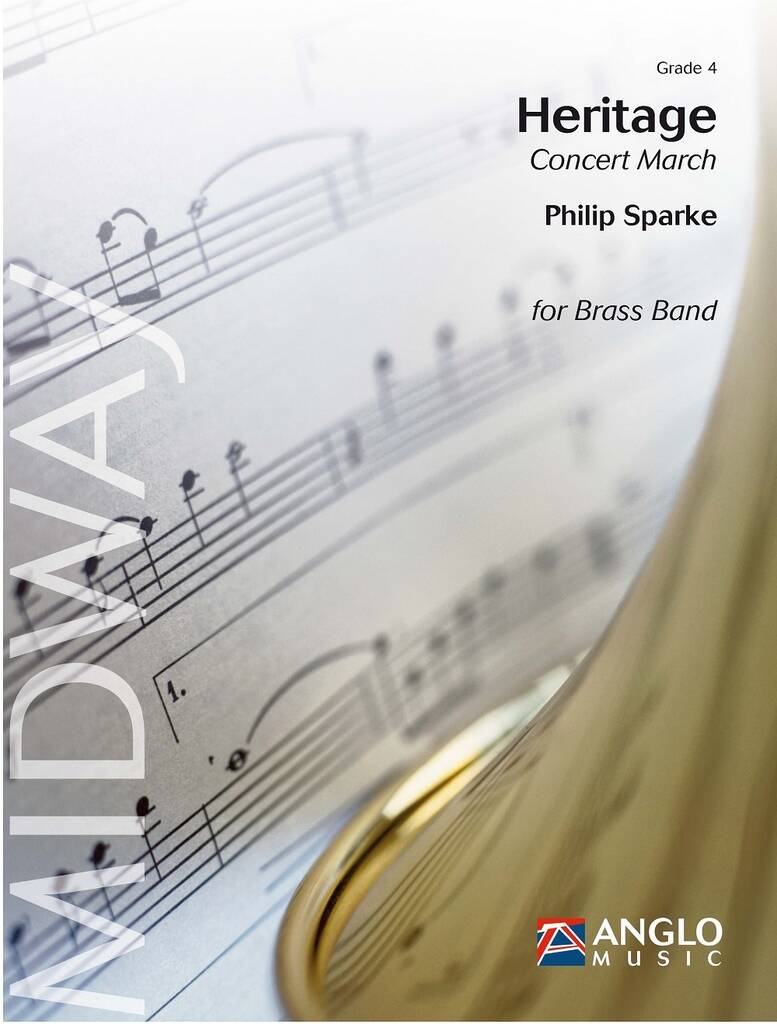
Heritage - Philip Sparke
Philip Sparke wrote Heritage as a grand concert march in the tradition of Elgar and Walton. After a brief introduction, the march's long main theme is presented: first in subdued tones, then taken up by the full band, adding a tenor counter melody. The following bridge passage leads to a change of key and the traditional trio section. A repeat of previous motifs leads to a return of the main theme, followed by a short closing coda.
Estimated dispatch 5-14 working days
-
 £59.99
Royal Salute - Philip Sparke
This march from Philip Sparke is in the tradition of the English ceremonial or concert march, such as the masterpieces written by Sir Edward Elgar and Sir William Walton. It attempts to continue this tradition with a march for intermediate band that has all the recognisable hallmarks such as broad melodies, counter melodies and a nobilmente trio.
Estimated dispatch 5-14 working days
-
 £19.95
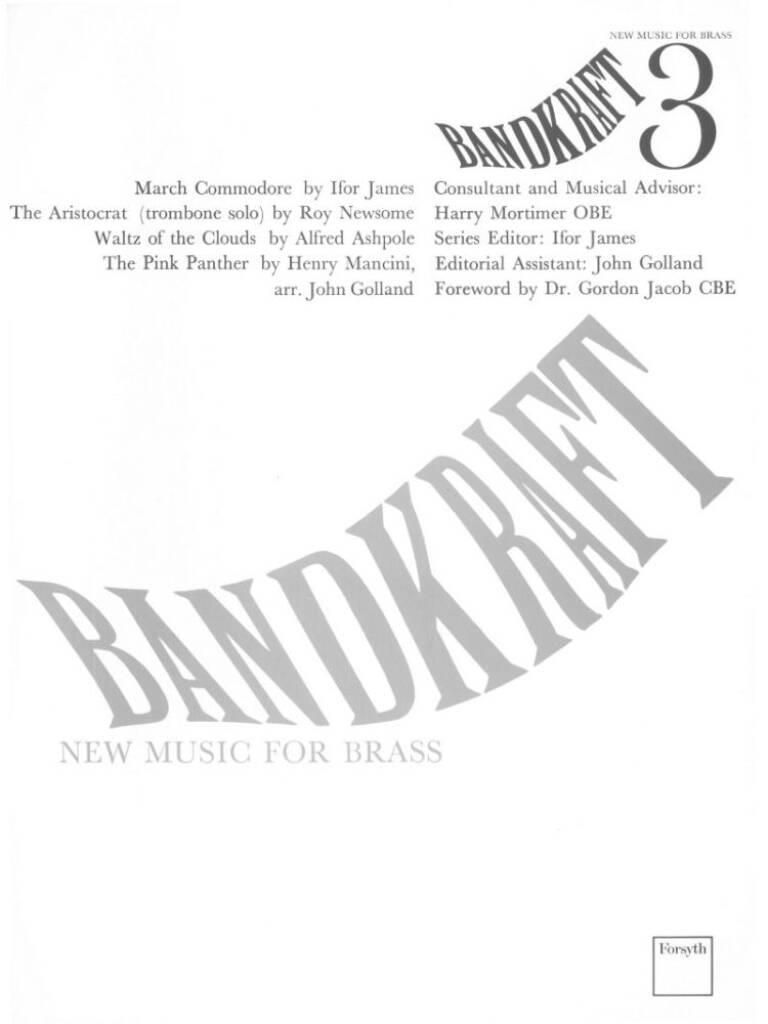
Bandkraft 3
The third of three superb sets of new music and arrangements for brass ensembles.March Commodore - Ifor James: A striking piece well suited for performance in concert or on the march.The Aristocrat - Roy Newsome: A not too difficult trombone solo, providing animated, musical fun for band and audience alike, and which gives the trombonist ample opportunity to play the fool.Waltz of the Clouds - Alfred Ashpole: A Viennese style waltz by a composer with unparalleled experience of writing for bands.Pink Panther - Mancini, arr. John Golland: The original Mancini Pink Panther translated for brass band. Watch out for his sneaky rhythms, which need proper dance band treatment.
Estimated dispatch 5-14 working days
-
 £60.99
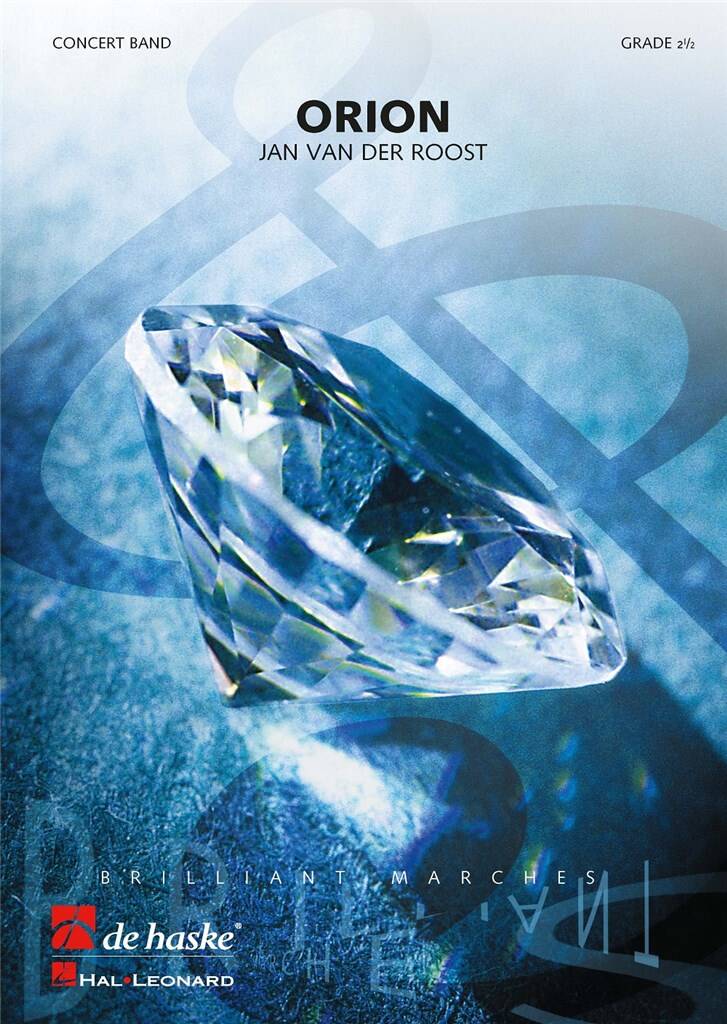
Orion - Jan Van der Roost
There are all sorts of marches: fast and slow, solemn and energetic, military and civil, procession and funeral. Orion is a so-called 'slow march'. However the moderate tempo does not make a passive or heavy impression. On the contrary, this march contains natural optimism and spontaneity. The persistant 'pulse' gives this majestic march a noble character
Estimated dispatch 5-14 working days
-
 £55.20
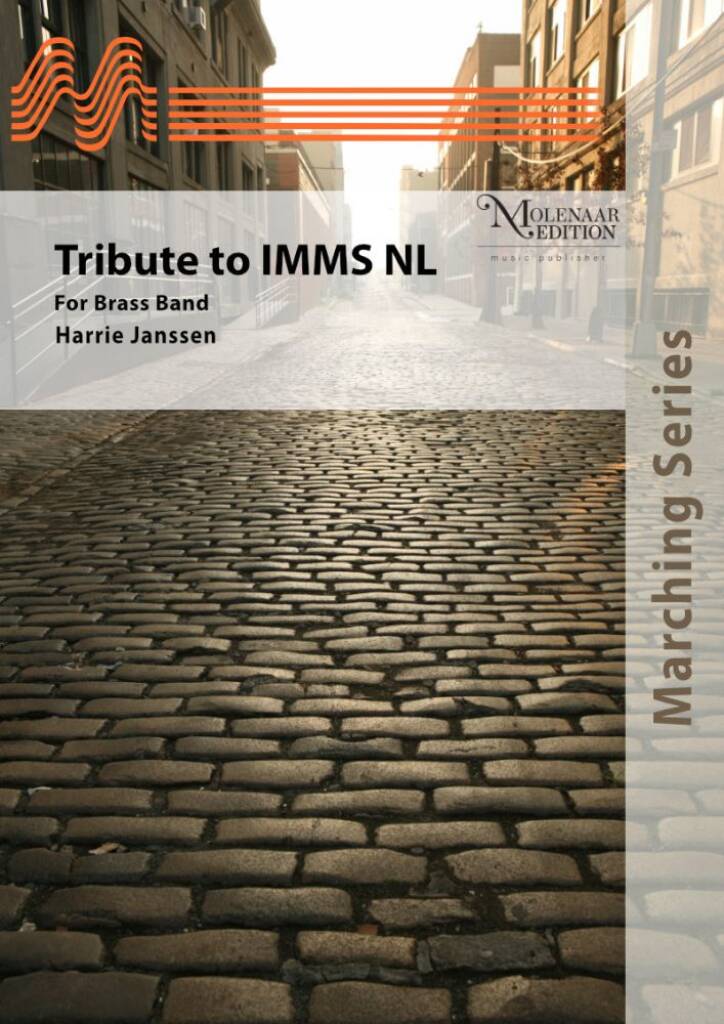
Tribute to IMMS NL - Harrie Janssen
A classical march in the style of Henk van Lijnschooten in honour of IMMS Netherlands. "The International Military Music Society". A brilliant composition by Harrie Janssen that once again shows that there are still plenty of possibilities within the traditional march form to create a surprising whole.
Estimated dispatch 5-14 working days
 View Music