
Results
-
 £14.95
The Maple Leaf (Brass Band - Score only) - Coles, Bramwell
This march is characteristic in style of many written by Bramwell Coles. It derives its title from the song, 'The Maple Leaf Forever' while there are also strong references to 'O Canada' and 'Rule Britannia'.
Estimated dispatch 7-14 working days
-
 £54.99
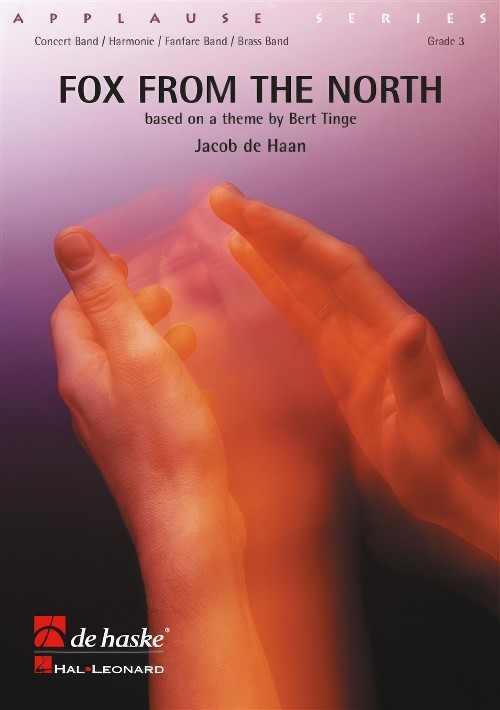
Fox from the North (Brass Band - Score and Parts) - De Haan, Jacob
As with his march Fresena, Jacob de Haan assimilated a well-known folksong from his province of birth (Friesland) into this swinging composition. Both works originate from a festival suite that he once wrote by order of this province.Duration: 2:45
Estimated dispatch 7-14 working days
-
 £35.00
BLUES ON THE MARCH (Brass Band) - Barry, Darrol
Traditional marches are great, but sometimes you want something different to kick off your concert. This piece gives your band a chance to get into the 'swing' of things, based on the traditional twelve bar blues it features a contrasting middle section with a trombone trio and a flugel (cornet) obligato. Grade: 4th section +. Duration: 3:50
Estimated dispatch 7-14 working days
-
 £42.95
ONE AND OLNEY, The (March) (Brass Band) - Keeley, Ed
Composed for Olney Town to commemorate the formation of Olney Brass on 1st April 2011. First performed on 15th July 2011.
Estimated dispatch 7-14 working days
-
 £37.95
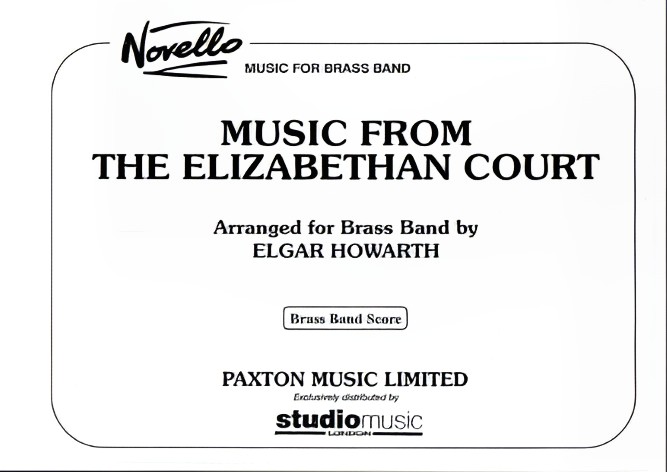
Music from the Elizabethan Court (Brass Band - Score only) - Howarth, Elgar
Contains:The Earle of Oxford's March (William Byrd)Pavane (John Bull)Galliard (John Bull)The King's Hunting Jigg (John Bull)Duration: 10.00
Estimated dispatch 7-14 working days
-
 £74.95
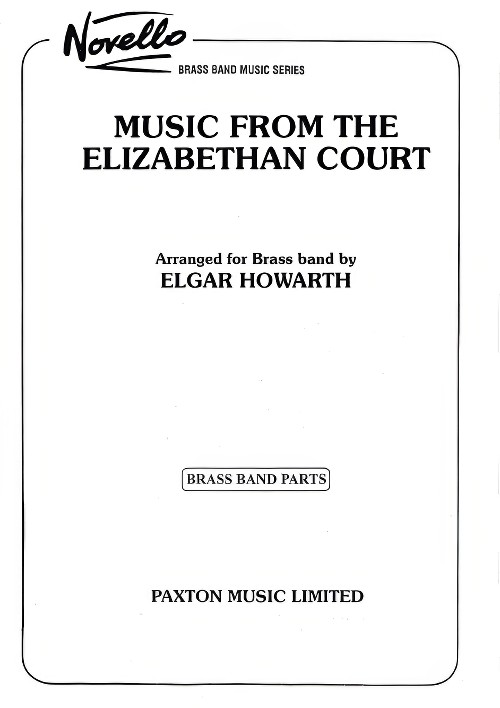
Music from the Elizabethan Court (Brass Band - Score and Parts) - Howarth, Elgar
Contains:The Earle of Oxford's March (William Byrd)Pavane (John Bull)Galliard (John Bull)The King's Hunting Jigg (John Bull)Duration: 10.00
Estimated dispatch 7-14 working days
-
 £47.60
MARCHE DE LA POMME DE TERRE (Brass Band) - Ratnik, Peter
March of the Potato. Grade: easy.
Estimated dispatch 7-14 working days
-
£49.95
Pomp & Circumstance March No.6 (Brass Band - Score and Parts) - Elgar, Edward - Payne & Wilby
The sketches of Edward Elgar complete & orchestrated by Anthony Payne. Brass Band realisation by Philip Wilby
Estimated dispatch 7-14 working days
-
£32.95
POMP and CIRCUMSTANCE MARCH No.1 (Brass Band ) - Elgar, Edward
The best known of Elgar's six Pomp and Circumstance Marches
Estimated dispatch 7-14 working days
-
 £105.20
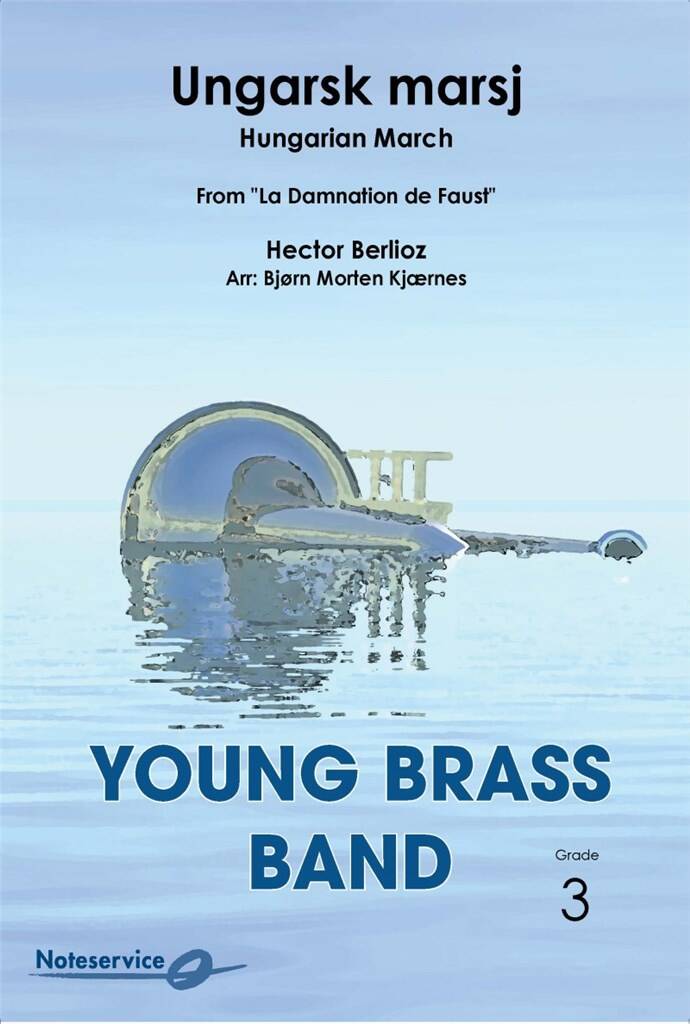
Ungarsk marsj - Hector Berlioz - Bjorn Morten Kjaernes
The "Rakoczi March" (Hungarian March) was the unofficial state anthem of Hungary before Ferenc Kolcsey wrote the Himnusz which is today the official national anthem of Hungary. The first version of this march-song was probably created around 1730 by one or more anonymous composers, although tradition says that it was the favorite march of Francis Rakoczi II. That early version called back Francis Rakoczi II to save his people. It was very popular in the 18th century but in the 19th century the more refined Rakoczi March became prevalent. Hector Berlioz included the music in his composition "La Damnation de Faust" in 1846, and Franz Liszt wrote a number of arrangements, includinghis Hungarian Rhapsody No. 15, based on the theme. The march gave its name to a 1933 Austrian-Hungarian feature film - Rakoczy-Marsch This arrangement is based on Berlioz instrumentation and phrasing from his Hungarian March, but in the form of the 19th century Rakoczi March
Estimated dispatch 5-14 working days
 View Music