
Results
-
 £44.95
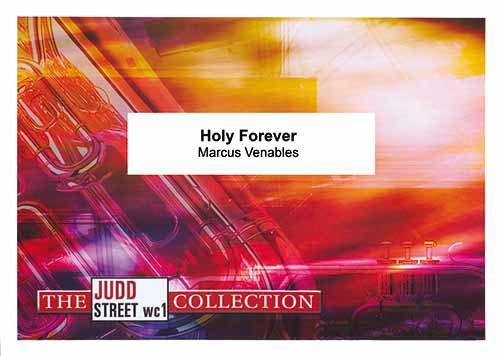
Holy Forever (Brass Band - Score and Parts)
The words of Chris Tomlin's popular song, Holy Forever, invite us to join in the Heavenly worship by the faithful voices of those who have gone before us. Across generations, people bow in reverence, while angels continually cry 'holy', bearing witness to a holiness that does not fade or change. Woven together with the historic hymn Holy, holy, holy (S.A.S.B. 31) this music refocuses our attention on God, whose holiness remains, even when our worship is incomplete.The piece moves between complexity and simplicity, rhythmic drive and chorale, uniting styles in a grand and hopeful conclusion that offers praise to God who is holy now and holy forever.
Estimated dispatch 7-14 working days
-
 £89.95
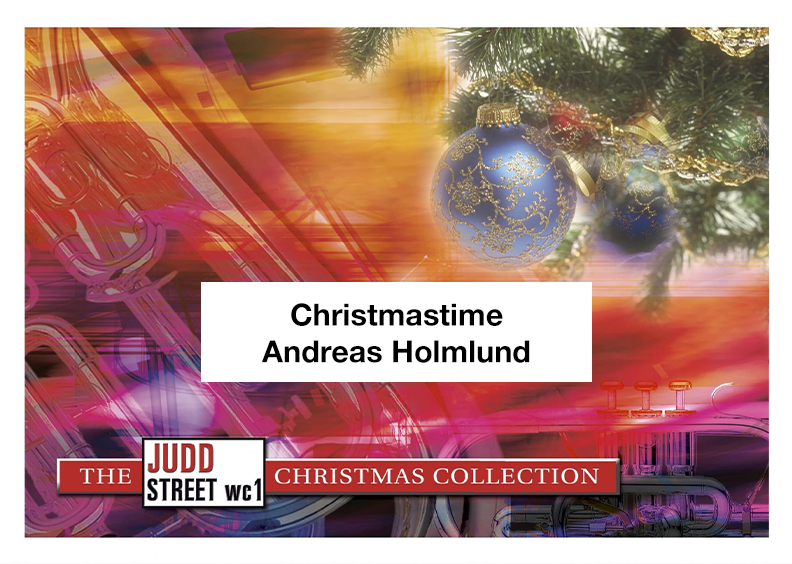
Christmastime (Brass Band - Score and Parts)
Taking the form of an overture, this piece contains passing references to many well-known festive songs, and features Hark! the herald angels sing (C.C. 38), The first Nowell (C.C. 86), Have yourself a merry little Christmas (C.C. 115) and O come, all ye faithful (C.C. 61).There are a lot of notes in this music. Keep it light throughout and make the most of every opportunity to play quietly. In sections D and E, The first Nowell is presented in 2/2 time. Getting used to this unusual presentation of the melody may take careful rehearsal.
Estimated dispatch 7-14 working days
-
 £24.00
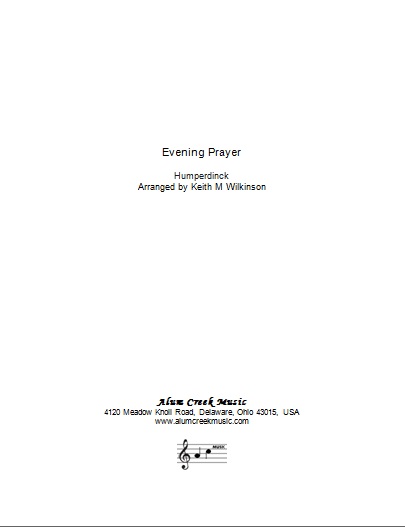
Evening Prayer (Cornet Duet with Brass Band - Score and Parts)
This beautiful music is from the end of Act 2 of the opera Hansel and Gretel by German composer Engelbert Humperdinck (1854-1921). The duet is a prayer by the brother and sister as they seek the protection of angels before falling asleep on the forest floor. The opera, Humperdinck's most famous composition, is based on the fairy tale by the Grimm brothers, and has libretto by the composer's sister. It was first performed in December, 1893.
Estimated dispatch 7-14 working days
-
 £44.95
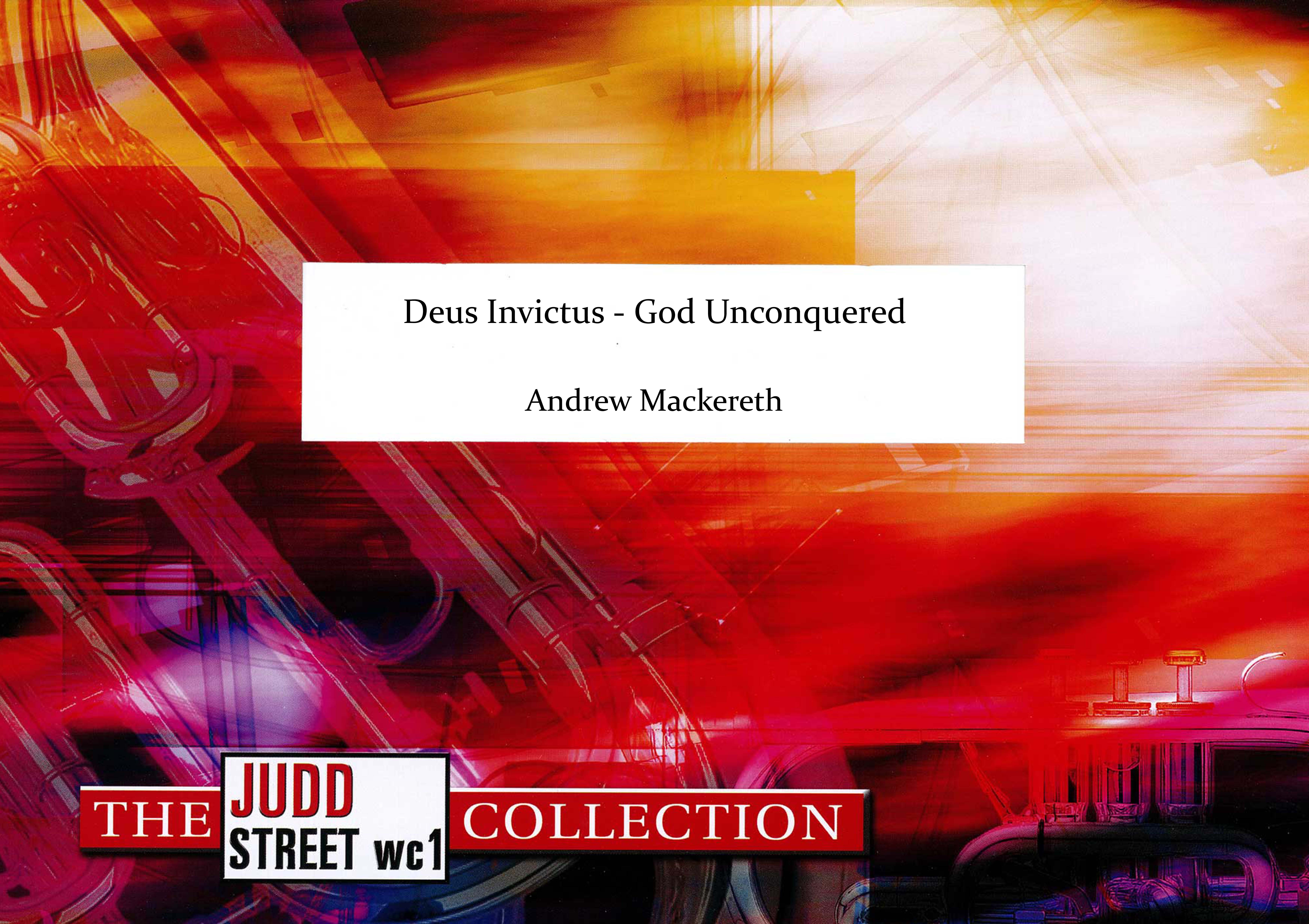
Deus Invictus - God Unconquered (Brass Band - Score and Parts)
Deus Invictus draws its inspiration from well-known words from Romans 8: 38-39; 'For I am convinced that neither death nor life, neither angels nor demons, neither the present nor the future, nor any owers, neither height nor depth, nor anything else in all creation, can separate us from the love of God'. The music reflects the confidence and certainty of the scripture text while, as in everyday life, trials and tests come along which are reflected in a sequence of musical skirmishes. The work introduces the 19th century hymn 'St Albinus' to a wider audience and also includes references to the tunes 'St Margaret' and 'Rachie'. A setting of the Easter Hymn, 'Christ the Lord is risen today!', is heard followed by a final reprise of 'St Albinus'.
Estimated dispatch 7-14 working days
-
 £4.95
£4.95Berceuse de Jocelyn (Angels Guard Thee) (Trombone and Piano)
Trombone and Piano
Estimated dispatch 7-14 working days
-
 £29.95
Carolcade (Brass Band - Score and Parts)
An easy-listening arrangement for brass band (in the hooked-on style) of several Christmas carols and songs including:Good King WenceslasO little town of BethlehemDing dong merrily on highAngels from the realms of GloryWe wish you a merry Christmas
Estimated dispatch 7-14 working days
-
 £54.20
Christmas Carols (Brass Band - Score and Parts)
Includes: Hark! The Herald Angel's Sing; Christmas Lullaby; Joy to the World
Estimated dispatch 7-14 working days
-
£33.00
The Angel's Serenade - Braga, G
Includes Peter Pan by W. Rimmer with a full band set (no score)
In Stock: Estimated dispatch 1-3 working days
-
 £89.95
The Trumpets of the Angels (Brass Band - Score and Parts) - Gregson, Edward
The Trumpets of the Angels was commissioned by the Fodens (Courtois) Band for their centenary concert at The Bridgewater Hall in 2000. It is based on a work written for the BBC Philharmonic and Huddersfield Choral Society in 1998, the starting point of which was a quotation from the Book of Revelation:and I saw the seven angels which stood before God; and to them were given seven trumpetsThus the idea behind the work is dramatic and I have tried to achieve this by the spatial deployment of seven solo trumpets around the band, four on-stage, the others off-stage. Six of the solo trumpets eventually join the band, but Trumpet 7 remains off-stage and, indeed, has the most dramatic and extended cadenza representing the words of the seventh angel ...and time shall be no more.The Trumpets of the Angels is a large-scale work, scored for seven solo trumpets, brass band, organ and percussion (deploying 'dark' instruments such as tam-tams, bass drum and two sets of timpani). The work opens with a four-note motif announced by off-stage horns and baritones and answered by fanfare figures on solo trumpets. In turn, each of the first four solo trumpets play cadenzas and then all four join together, independently playing their own music. The organ enters dramatically with its own cadenza, leading to the entry of solo trumpets 5 and 6 with music that is more urgent and rhythmic, describing the horsemen of the Apocalypse.The music reaches another climax, more intense this time, with the horns and baritones (now on-stage) again sounding the transformed motif, before subsiding into what might be described as a lament for humanity, slow music which builds from low to high, from soft to loud, with a melody that is both simple and poignant. At the climax, Trumpet 7 enters playing the opening four-note motif, dramatically extended to almost three octaves. This cadenza (to the partial accompaniment of tam-tams) introduces new material and foreshadows the ensuing scherzo which is fast and aggressive. Despite the somewhat desolate mood of this music, it slowly moves towards an optimistic conclusion, transforming the 'humanity' music into an affirmative and triumphant statement.- Edward Gregson
Estimated dispatch 7-14 working days
-
 £44.95
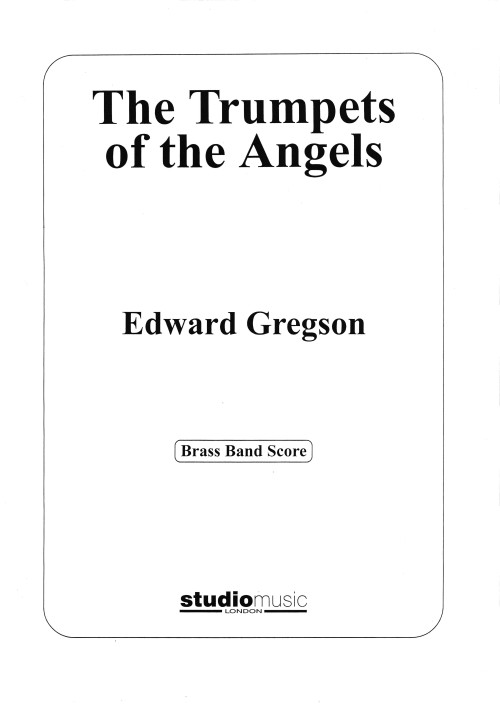
The Trumpets of the Angels (Brass Band - Score only) - Gregson, Edward
The Trumpets of the Angels was commissioned by the Fodens (Courtois) Band for their centenary concert at The Bridgewater Hall in 2000. It is based on a work written for the BBC Philharmonic and Huddersfield Choral Society in 1998, the starting point of which was a quotation from the Book of Revelation:and I saw the seven angels which stood before God; and to them were given seven trumpetsThus the idea behind the work is dramatic and I have tried to achieve this by the spatial deployment of seven solo trumpets around the band, four on-stage, the others off-stage. Six of the solo trumpets eventually join the band, but Trumpet 7 remains off-stage and, indeed, has the most dramatic and extended cadenza representing the words of the seventh angel ...and time shall be no more.The Trumpets of the Angels is a large-scale work, scored for seven solo trumpets, brass band, organ and percussion (deploying 'dark' instruments such as tam-tams, bass drum and two sets of timpani). The work opens with a four-note motif announced by off-stage horns and baritones and answered by fanfare figures on solo trumpets. In turn, each of the first four solo trumpets play cadenzas and then all four join together, independently playing their own music. The organ enters dramatically with its own cadenza, leading to the entry of solo trumpets 5 and 6 with music that is more urgent and rhythmic, describing the horsemen of the Apocalypse.The music reaches another climax, more intense this time, with the horns and baritones (now on-stage) again sounding the transformed motif, before subsiding into what might be described as a lament for humanity, slow music which builds from low to high, from soft to loud, with a melody that is both simple and poignant. At the climax, Trumpet 7 enters playing the opening four-note motif, dramatically extended to almost three octaves. This cadenza (to the partial accompaniment of tam-tams) introduces new material and foreshadows the ensuing scherzo which is fast and aggressive. Despite the somewhat desolate mood of this music, it slowly moves towards an optimistic conclusion, transforming the 'humanity' music into an affirmative and triumphant statement.- Edward Gregson
Estimated dispatch 7-14 working days
 View Music