
Results
-
 £37.50
Bless 'Em All - Various - Gavin Somerset
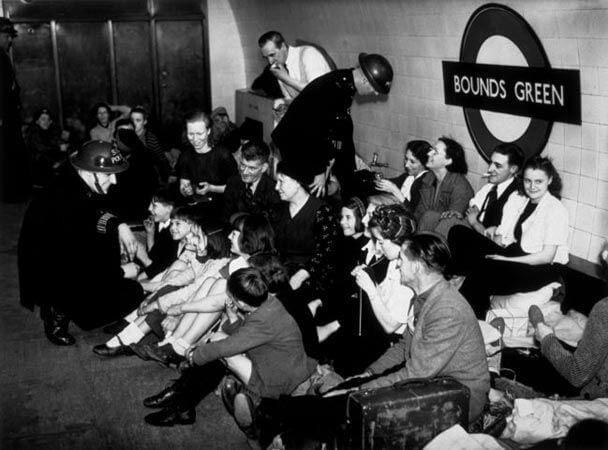
Keeping spirits high during World War II was essential, and music played a huge part. Darrol Barry's excellent arrangement 'Keep Smiling Through' has been pleasing audiences for years and can probably be found in most brass bands libraries across the country. This latest release of popular war time songs including 'Wish Me Luck, As You Wave Me Goodbye', 'We're Going To Hang Out The Washing', 'Kiss Me Goodnight Sgt. Major', 'Good Morning', 'Bless 'Em All' and the highlight of the piece, the slow, hair raising middle movement 'Apple Blossom Time', was originally released to coincide with the 70th Anniversary of the Battle Of Britain. All of these songs were sung as the London population camped out in the underground stations. This arrangement will get the feet tapping as audiences sing along to the lively pieces and then sends shivers down their spines with the gorgeous 'Apple Blossom Time' featuring in the middle of the medley. This is a piece not to be missed and should belong in all bands libraries.
In Stock: Estimated dispatch 1-3 working days
-
 £24.50
Sospiri - Elgar - Max Stannard
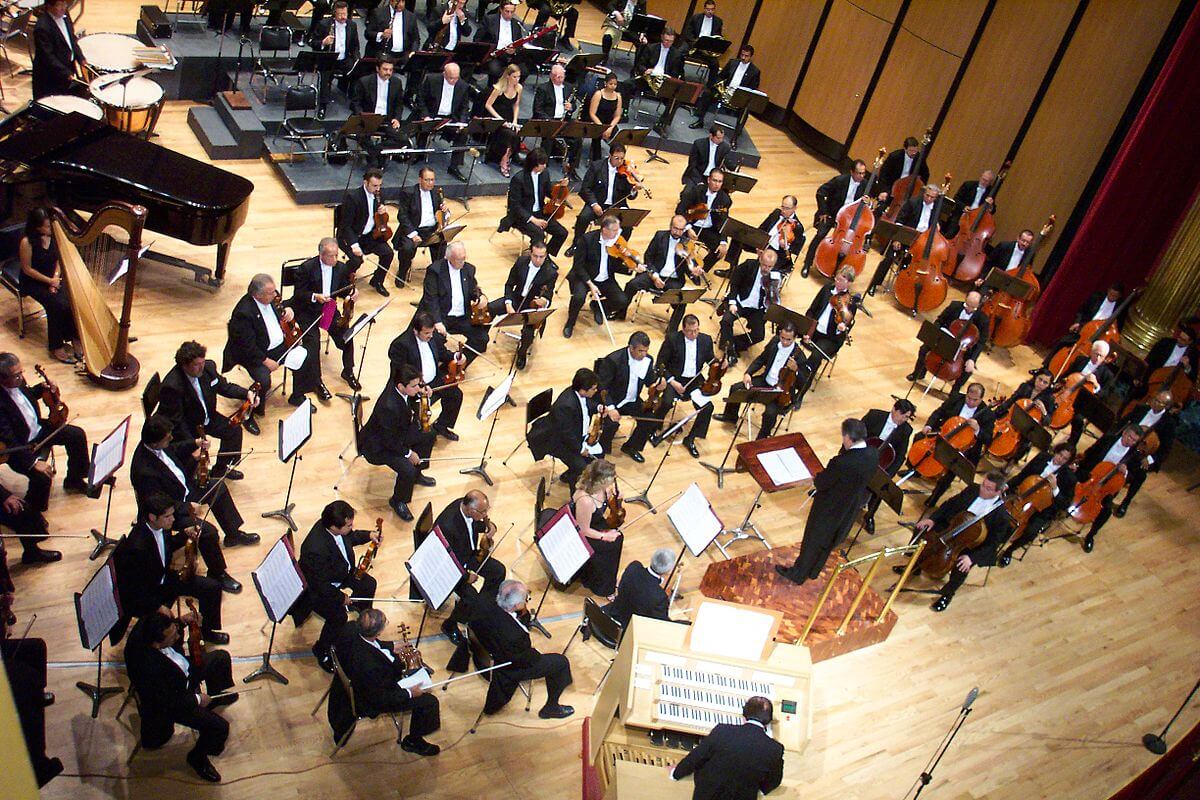
Originally scored for string orchestra, harp and organ, this Adagio was composed by Sir Edward Elgar shortly before the outbreak of the First World War and you can perhaps hear the gathering storm clouds of war in the music which became a bleak adagio that would not be out of place as the slow movement of an Elgar symphony. The work was dedicated to the leader of the London Symphony orchestra W.H. (Billy) Reed.
In Stock: Estimated dispatch 1-3 working days
-
 £24.50
In Flanders Fields - Gavin Somerset
Many are familiar with the ever popular poem, 'In Flanders Fields' written by Lieutenant Colonel John McCrae during the first World War. The poem tells of the fields strewn with crosses where fallen soldiers had been laid to rest. The opening stanza states 'In Flanders fields the poppies blow, Between the crosses, row on row,'. These words form the foundation on which this music was composed. The music pulls on the varying emotions one might feel if you journeyed through the fields and will leave your audience in little doubt of the sadness, bravery and honour, which those who fell in the Great War endured. Also Available for Wind Band
In Stock: Estimated dispatch 1-3 working days
-
 £37.50
Bedknobs & Broomsticks - Sherman & Sherman - Gavin Somerset
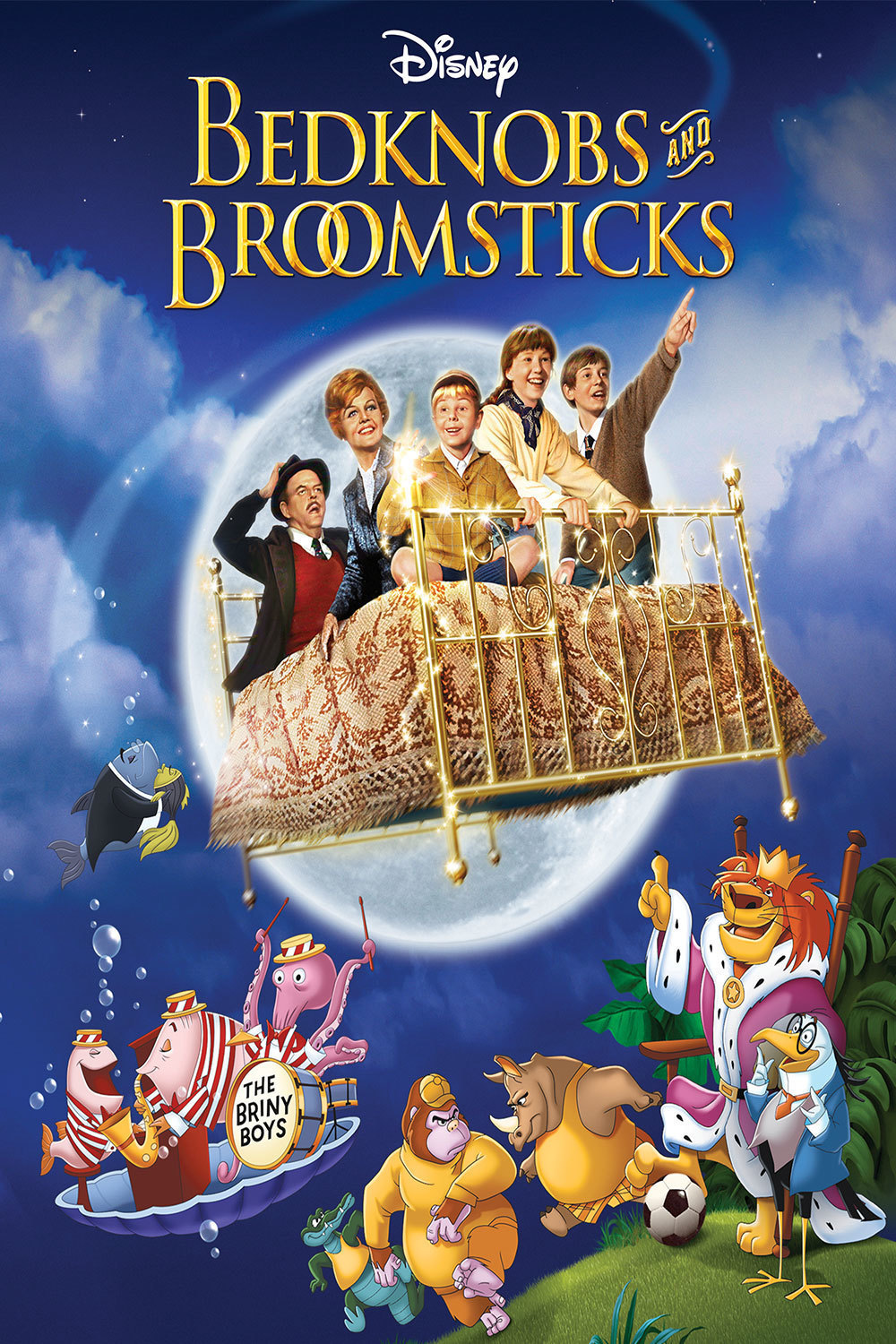
After the success of Mary Popping in 1964, Disney once again had a hit on their hands seven years later with the release of 'Bedknobs & Broomsticks'. Set in 1940, the film told the story of Eglantine Price, a spinster who was learning the ways of witchcraft to help Britain with the War effort. Richard & Robert Sherman provided another excellent score, with memorable songs that now for the first time, are available for Brass Band. This toe-tapping new work features The Old Home Guard, The Age of Not Believing, Portabello Road and, The Beautiful Briny Sea (with added bubbles!). Audiences of all ages will appreciation this title and is a great addition to any concert programme. Whilst rehearsals are suspended due to Covid-19, we are making some parts available to download FREE for home use and practice, alongside a downloadable backing track to play along to. To download the Solo Cornet part, please CLICK HERE . To download the Solo Horn part, please CLICK HERE . To download the Solo Euphonium part, please CLICK HERE . To download the Eb Bass part, please CLICK HERE . To download the playback audio to play along to, please RIGHT CLICK HERE & Save As .
In Stock: Estimated dispatch 1-3 working days
-
 £29.50
A Shropshire Lad - George Butterworth - Duncan Wilson
A major concert work for band, this tone poem is based on Geroge Butterworth's song cycle of the same name, itself based on the poetry of A.E. Housman, concentrating on the very personal effects of The Great War. Butterworth himself fell at the Somme in 1916. This is the second arrangement of Butterworth's music by Duncan Wilson after The Banks of Green Willow was recorded by both Black Dyke and Rothwell. The music is intense and poignant and an ideal piece for this year's centenary of the Armistice.
In Stock: Estimated dispatch 1-3 working days
-
 £24.50
Hinky Dinky - Traditional - John Lee
Mademoiselle from Armentires (also known as Hinky Dinky) was one of the most popular songs of World War One and known in many versions, often with extremely dubious lyrics! The origins of the jaunty melody are not certain but it could date back as far as the 1830's and may be a French military tune. The instructions on 'standing' and 'sitting' are intended as a guide only and should be adapted to suit the needs and athleticism of individual bands! A perfect addition to a band's repertoire in this WWI Centenary year.
In Stock: Estimated dispatch 1-3 working days
-
£24.50
Codebreakers - Len Jenkins
A great march, dedicated to the memory of those who worked at Bletchley Park, Milton Keynes, England, in World War 2. They were under the brilliant leadership of Alan Turing and were responsible for breaking the secret military codes used by the Enemy Forces (German in particular). The composer, Len Jenkins, lives close to Bletchley Park, went to school even closer, and attended Training Courses actually in 'The Park'. The march has memorable themes and is toe tapping for the audience.
In Stock: Estimated dispatch 1-3 working days
-
£24.50
Hut Six - Len Jenkins
A great march (perfect for contests such as whit Fridays) dedicated to the memory of those who worked at Bletchley Park, Milton Keynes, England, in World War 2. They were under the brilliant leadership of Alan Turing and were responsible for breaking the secret military codes used by the Enemy Forces (German in particular). The composer, Len Jenkins, lives close to Bletchley Park, went to school even closer, and attended Training Courses actually in 'The Park'. The march has memorable themes and is toe tapping for the audience.
In Stock: Estimated dispatch 1-3 working days
-
 £24.50
Kathleen Mavourneen - Frederick Crouch - Andi Cook
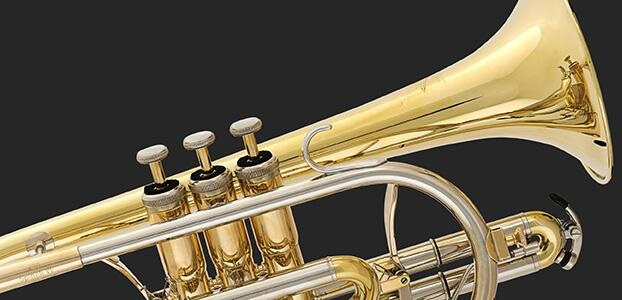
Composed by Frederick Crouch with lyrics by Marion Crawford, this easy listening piece was popular during the American Civil War years. The term "Mavourneen" is derived from Irish Gaelic "My Beloved.". Now skilfully arranged as a cornet solo by Andi Cook, the work is open to soloists of most standards and was recently recorded on the final James Shepard Versatile Brass CD, Legacy which has increased it's popularity again within the Brass Band movement.
In Stock: Estimated dispatch 1-3 working days
-
£29.50
Prelude & Mazurka - Delibes - Barry Strickle
The ballet "Coppelia" was first premiered in May 1870, unfortunately its successful run was interrupted by the Franco-Prussian war. Thankfully, the ballet still went on to become the most performed opera at the Opera Garnier in Paris. The ballet brought Delibes his first taste of success, encouraging him to carry on to other great works such as Lakeme, and Le Corsaire. Arranged by Barry Strickle, the Prelude and Mazurka from Coppelia will be instantly recognizable to most, and features regularly on Classic FM.
In Stock: Estimated dispatch 1-3 working days
 View Music