
Results
-
£76.99
Contrasten - Jan de Haan
The source of inspiration for the composer was the nuclear disaster in Chernobyl in Russia. The first movement Ostinato expresses desperation, helplessness, fear and anger. The themes from the first movement are further exposed in the second movement Fantasia which has a spectacular finale. In 1989 this composition was the test-piece for the finals in the fourth section of the National Brassband Championships of Great Britain.
Estimated dispatch 5-14 working days
-
£69.99
Twins - Jan Hadermann
Twins is a composition about two children, born at the same moment, growing up together yet with totally different characters. One twin is sensitive and introverted whilst the other is much more lively and energetic. This is reflected in the musical motifs of the piece. The quiet first melody which gains tension through continuous transposition is succeeded by the joyous rocking melody of the second twin.
Estimated dispatch 5-14 working days
-
 £104.99
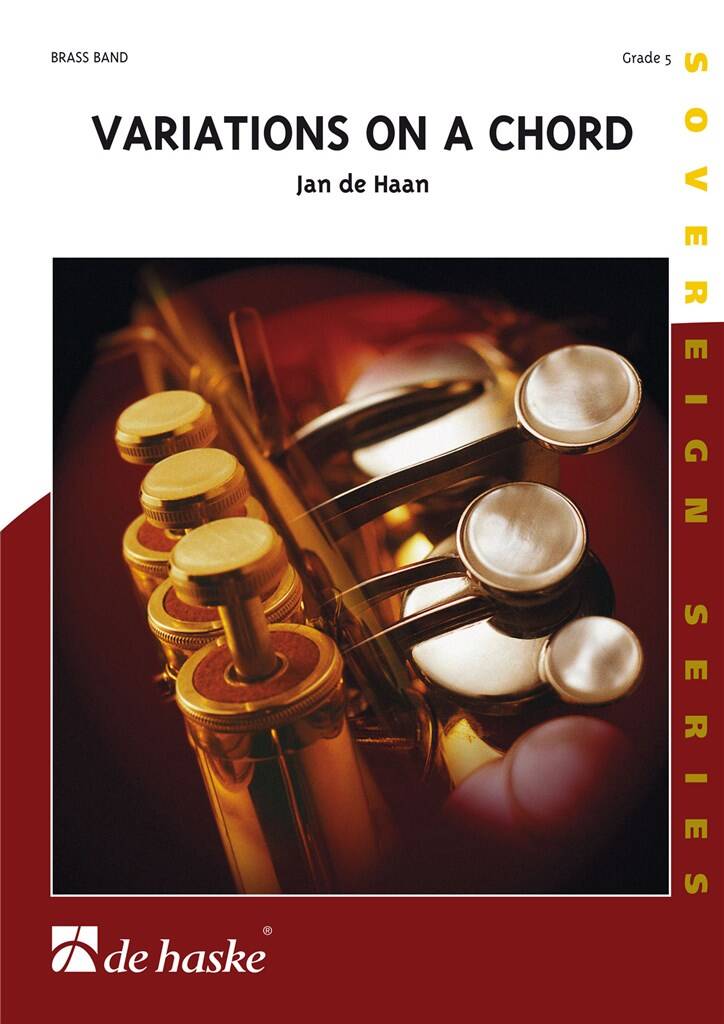
Variations on a Chord - Jan de Haan
Variations on a Chord was composed on the occasion of the second lustrum of the Dutch Brass Band Championships celebrated in 1990. The piece is the immediate sequel to Contrasten a piece which was composed in 1986, and which is performed all over the world. Not only was the final chord of this previous work used as a starting point for the new composition, but Variations on a Chord is also the first concert piece for brass band composed by Jan de Haan since then. The several variations are based on a solemn theme. The so-called minor-major seventh chord is easily detectable. The structure of the piece is such that the lyrical theme is preceded by a majestic introduction, and isfollowed by eight variations each strongly contrasting in character. The piece finishes in a short but extremely spectacular coda.
Estimated dispatch 5-14 working days
-
 £104.99
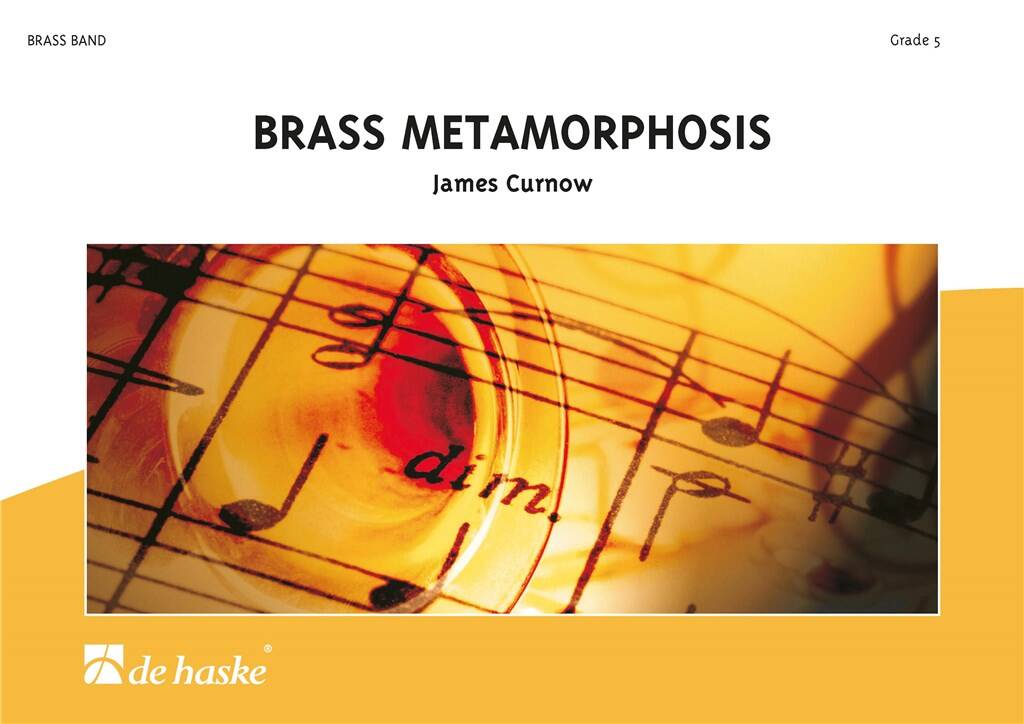
Brass Metamorphosis - James Curnow
Brass Metamorphosis as the title suggests is a set of variations based on an original theme. Each of the five variations is in a different style with the first being a lively rondo, the second slow and intense, the third an agile scherzando, the fourth slow and expressive and the fifth full of majesty as it brings the piece to a triumphal close.
Estimated dispatch 5-14 working days
-
 £104.99
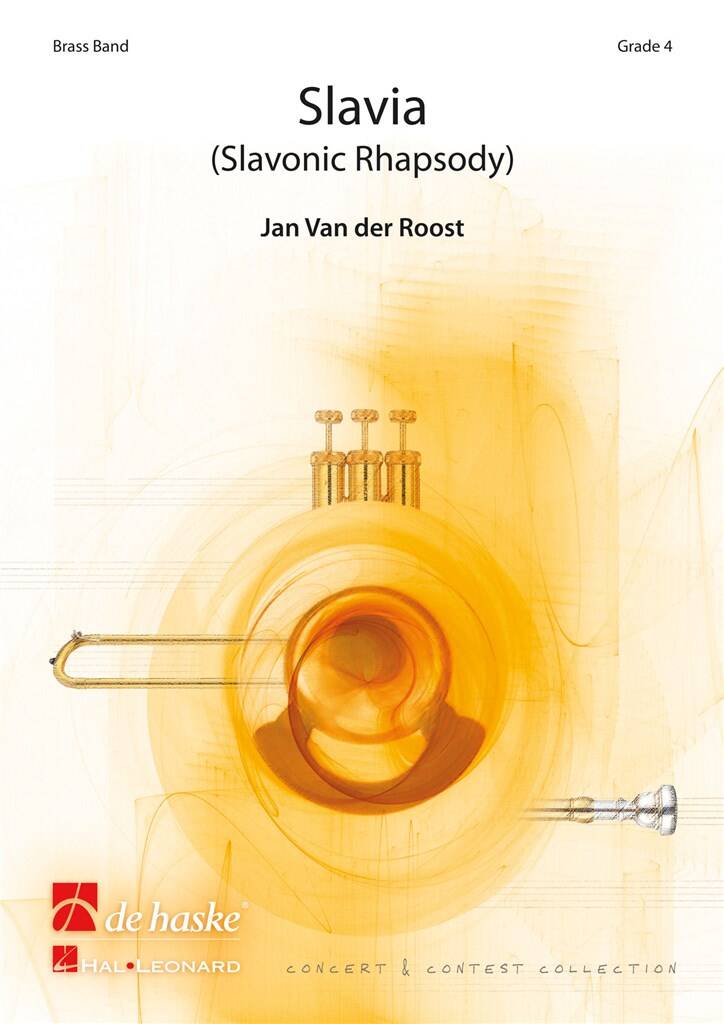
Slavia - Jan Van der Roost
Jan Van der Roost originally composed each and every note of 'Slavia' (as in case in 'Puszta', 'Rikudim' and 'A Highland Rhapsody'). Consequently, 'Slavia' does not contain any arrangement of existing tunes, but is an original composition 'in the style of...'. The introduction has an ABA structure and exposes a broad melodic line. Following a short cadenza, there is a second movement in a fast and fiery tempo. The tempi increase, gradually culminating in an exciting final climax, making this 'Slavonic Rhapsody' a spell-binding experience to the very last note.
Estimated dispatch 5-14 working days
-
£69.99
Suite Symetrique - Jacob de Haan - Menno Haantjes
This playful three-part suite is largely based on symmetry. This of course is largely due to the relations of the arrangement of the themes; however, on the other hand, to the larger structures in form. The first part, (Prelude et Scherzo) has a solemn opening. Followed by it a related scherzo with many changes in time, this too is composed in a symmetrical form. In the second movement, Choral Dorian, the theme of the prelude is reversed and used in chorale in Dorian tonality. The suite comes to a close with Rondo d'Avignon. An annual theatre festival in a French city on the Rhone inspired this suite. It is a lively movement, symmetrically bought to a finish with a repeat of theprelude from the first movement.
Estimated dispatch 5-14 working days
-
 £84.99
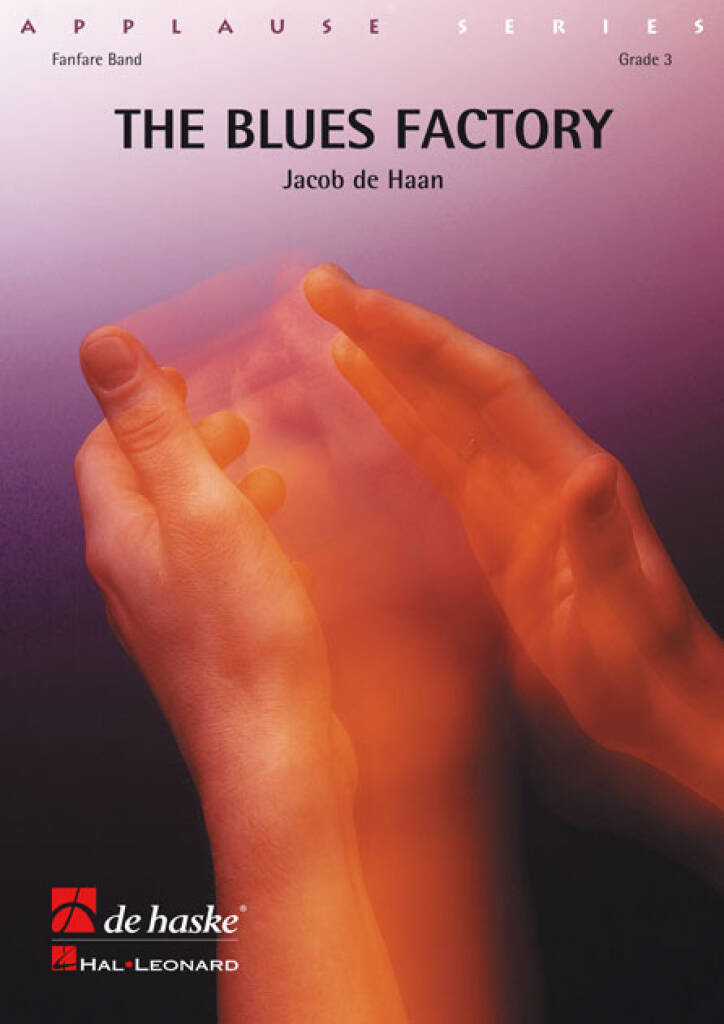
The Blues Factory - Jacob de Haan
This imaginative new work portrays the rich history of the textile industry through music. The decline of the industry is expressed in the opening slow movement with an authentic 12 bar blues. The second movement uses a jazzy rock style blues to show the optimism and solidarity of the mill workers and the final movement uses a strong vocal-style blues to look forward with optimism to the future.
Estimated dispatch 5-14 working days
-
 £60.99
Bist Du bei mir - Johann Sebastian Bach - Jacob de Haan
The song Bist du bei mir, geh' ich mit Freuden zum Sterben und zu meiner Ruh' (BWV 508) was composed by Johann Sebastian Bach for his second wife Anna Magdalena (1701-1760), who he married in 1721. The unparalleled popularity of this song is probably due to the magnificent, sensitive melody that wonderfully fits the anonymous text, in which a loved one is told that even death is beautiful "as long as you are there with me." Jacob de Haan has produced this beautiful arrangement for brass band, which is suitable for many occasions.
Estimated dispatch 5-14 working days
-
 £54.99
School's Cool - Jacob de Haan
This short, "cool" suite in three movements can be performed with a variety of instruments from a handful of players to a complete brass band. The first movement radiates joy with a powerful 3/4 beat. The second movement is in the style of a pavane, which gives a sense of nostalgia and the final movement forms a cheerful and high-spirited closing with a really funky beat. This wonderful suite has been composed especially for youth musicians and they will all gain great pleasure from performing it.
Estimated dispatch 5-14 working days
-
 £60.99
Consolation - Jan de Haan
Wer nur den lieben Gott lasst walten was composed by Georg Neumark in about 1641 and was subtitled 'Trostlied' literally meaning consolation song. Songbooks at the time showed the popularity of this song and it is still well-known today partly due to Johann Sebastian Bach's use of the melody for one of his own chorals. In Jan de Haan's arrangement the choral is heard twice, once, alternating with the original motif from the introduction and a second time, without interruption, reflecting the composer's original intention - a song of consolation.
Estimated dispatch 5-14 working days
 View Music