
Results
-
 £105.20
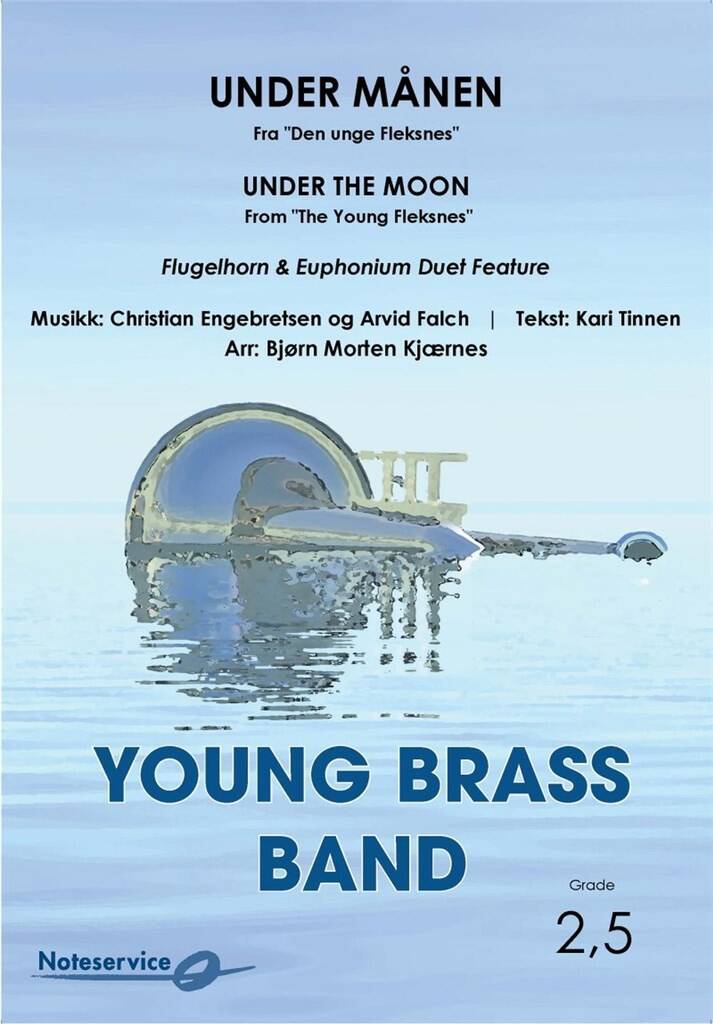
Under manen (Fra Den unge Fleksnes) - Christian Engebretsen - Bjorn Morten Kjaernes
This has become a Christmas song that has its roots in a love duet between the young Fleksnes and classmate Victoria. The class will be competing with a duet in a song competition. The text gives hope of love and links it to Christmas traditions. "A Dream of Christmas, About Love" is the first line of the text. "The Young Fleksnes" runned as advent calender on TV Norge in 2010. This arrangement feature an flugelhorn soloist and a euphonium soloist. Please be aware of the dynamics between soloists and accompaniment. Adjust the dynamics according to the musicians in the ensemble.
Estimated dispatch 5-14 working days
-
 £107.80
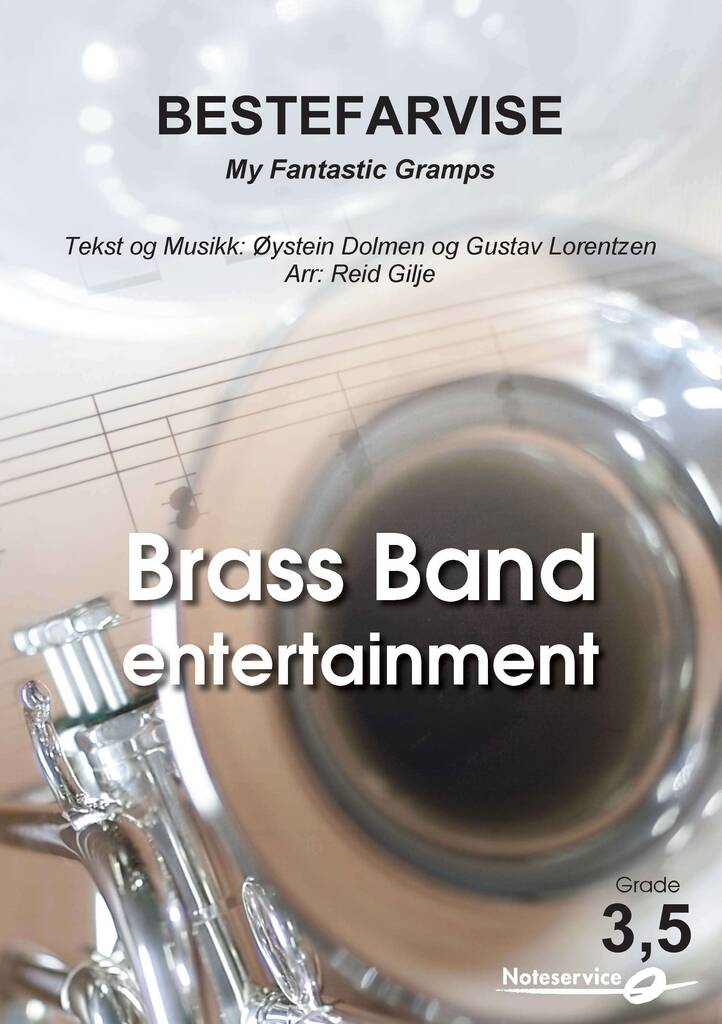
Bestefarvise - Øystein Dolmen - Reid Gilje
"My Fantastic Gramps" is a bubbly piece about an old man.The style of playing must be fresh and youthful throughout the piece.Be aware of the timpani solo and especially tom-toms at first beat in bars 28, 32 and equivalent. The tom-toms must be prominent in the balance.Please make sure that solo cornet plays he articulation (short) excessively at bar 70 (banjo-style). Feel free for some slapstick-mood at bar 86. Be creative!The style at bar 115 must be outgoing and happy, with a lot of joyfulness!
Estimated dispatch 5-14 working days
-
 £115.60
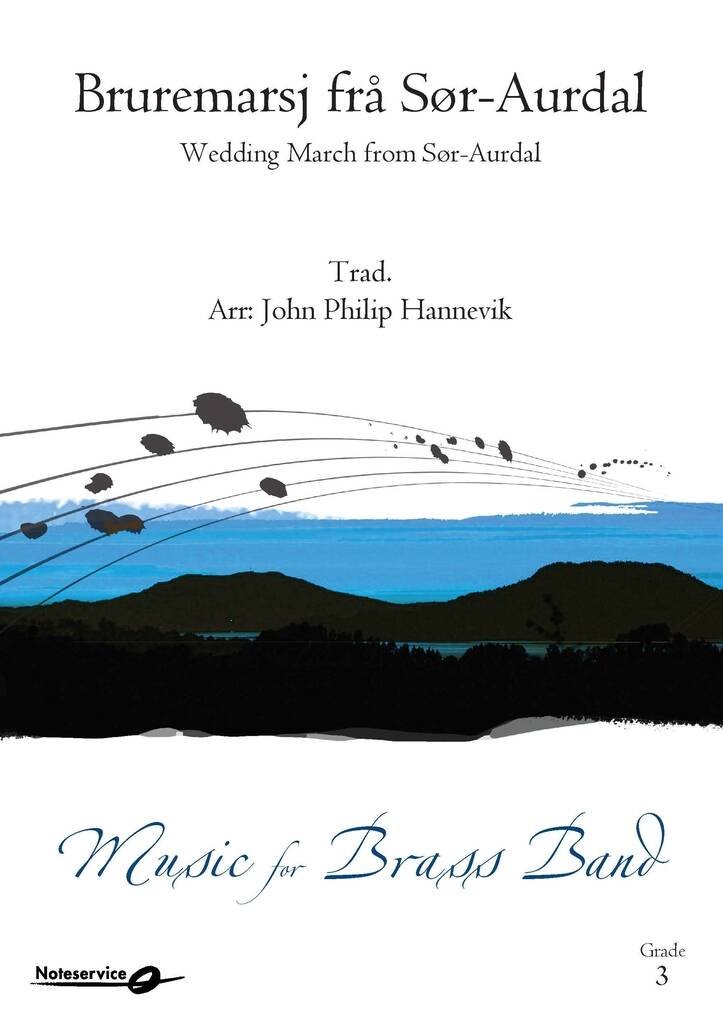
Bruremarsj fra Sor-Aurdal - John Philip Hannevik
This wedding march originates from the Valdres region in Norway. The municipality of Southern Aurdal is known for its two beautiful Stave churches, probably built around 1160-1190.The wedding march is not among the most well-known of its kind in Norway, but it still has a wonderful melody and a nice rhythmical lilt. Make sure that the tunes are played in a flowing and singing style.
Estimated dispatch 5-14 working days
-
 £115.60
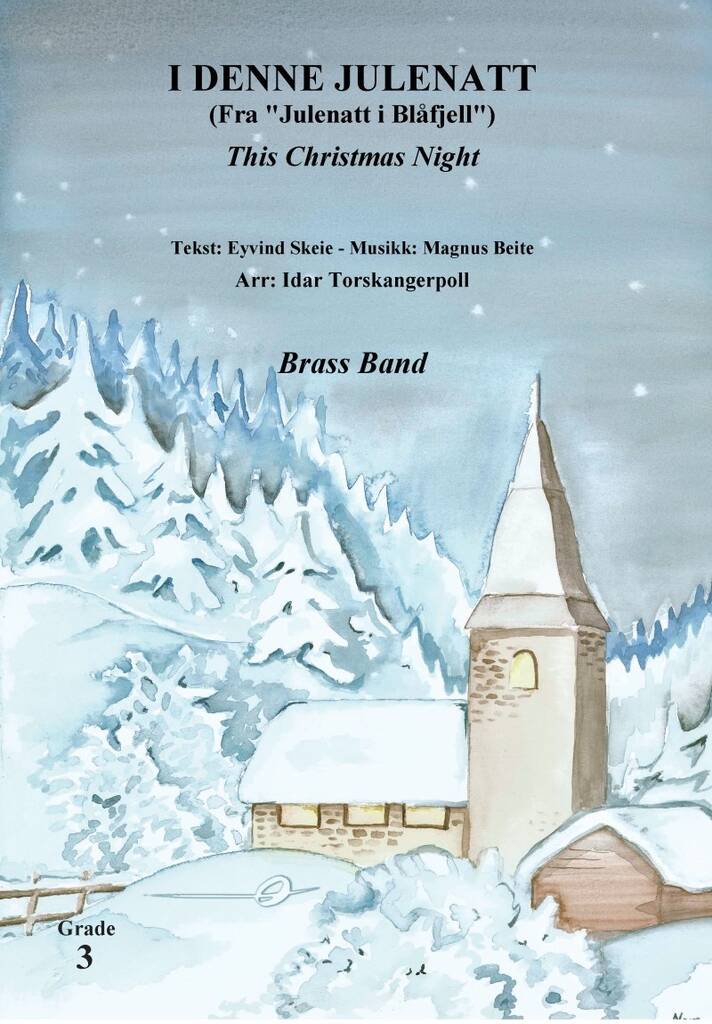
I Denne Julenatt (Fra "Julenatt i Blafjell") - Eyvind Skeie - Idar Torskangerpoll
"This Christmas Night" is taken from the Norwegian movie "Julenatt i Blafjell" who premiered in 2009. The movie is a follow-up to the very popular TV-series "Jul i Blafjell" og "Jul pa Manetoppen""This Christmas Night" was performed by Anita Skorgan, a famous singer in Norway.Make sure that all phrasing is done together and watch balance between instrument groups, thin out instrumentation if needed.
Estimated dispatch 5-14 working days
-
 £115.60
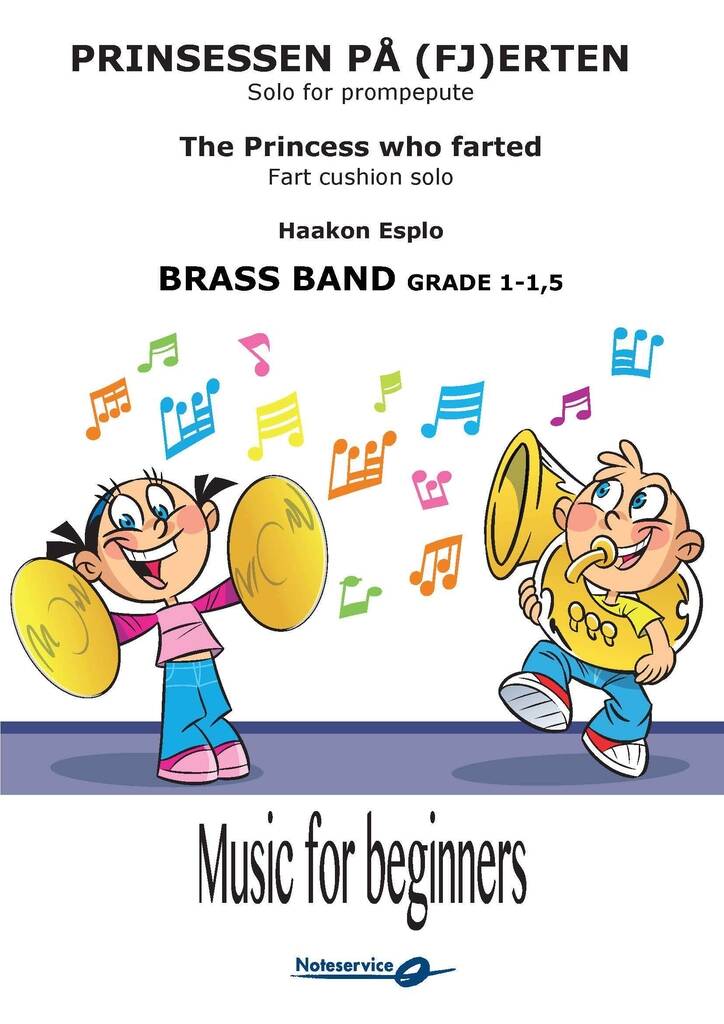
Prinsessen pa (fj)erten - Haakon Esplo
In this little suite in three movements, your young musicians really can be creative and have fun.Of course, a story must be written about the unfortunate princess who ate pea soup and got to let a small fart. Maybe one or more should dress up and play the princess and other roles? And who will be the lucky one who gets the honourable assignment to be a soloist on a fart cushion - probably for the first time in the history of your band? Maybe all the musicians should have one each?Think what a great finale at the last movement that could be.Good luck!
Estimated dispatch 5-14 working days
-
 £115.60
Movie Fantasy - Hans Offerdal
Movie Fantasy is a film music fantasy in four movements.In the first movement we meet the hero of our story. He is a strong man who fights for justice. Thefollowing movement introduces us to the bad guy with his evil mind and vicious plan to destroy our hero.In the third movement they chase each other and end up in a huge fight. They knock each other out and liestill on the ground. Which one of them will survive?In the final movement our hero wakes up at the hospital the very next morning with his girl friend at hisside. He realises that he won the fight and the bad guy is set in jail. His girlfriend embraces him and thecamera moves back. End credits roll as the piece closes with a fanfare.Each movement can also be played separately.
Estimated dispatch 5-14 working days
-
 £115.60
Det er jul - Lars Martin Myhre - John Philip Hannevik
This song was composed by the Norwegian singer-songwriter Lars Martin Myhre.The lyrics describe a person seeing the Holiday season approaching, with the feeling of being a bit on the side of society. Remembering the Childhood memories, the memories that are both warm but also bitter-sweet.The song was produced in cooperation with The Salvation Army in Norway in 2020.
Estimated dispatch 5-14 working days
-
 £127.30
Batbygger Jo - Ragnhild Furebotten - Idar Torskangerpoll
This song from the band Hekla Stalstrenga is about Joe the boatbuilder. Joe builds the most fabulous boats, but has a deal with the devil that every seventh boat is going to him.Norwegian band Hekla Stalstrenga started as a duo in 2005. Since then, they have extended to a quintet and have released eight record albums. Five of these have been nominated to "Spellemannsprisen", the Norwegian equivalent to Grammy.In this arrangement watch the articulation and give the song the slow groove it needs.
Estimated dispatch 5-14 working days
-
 £115.60
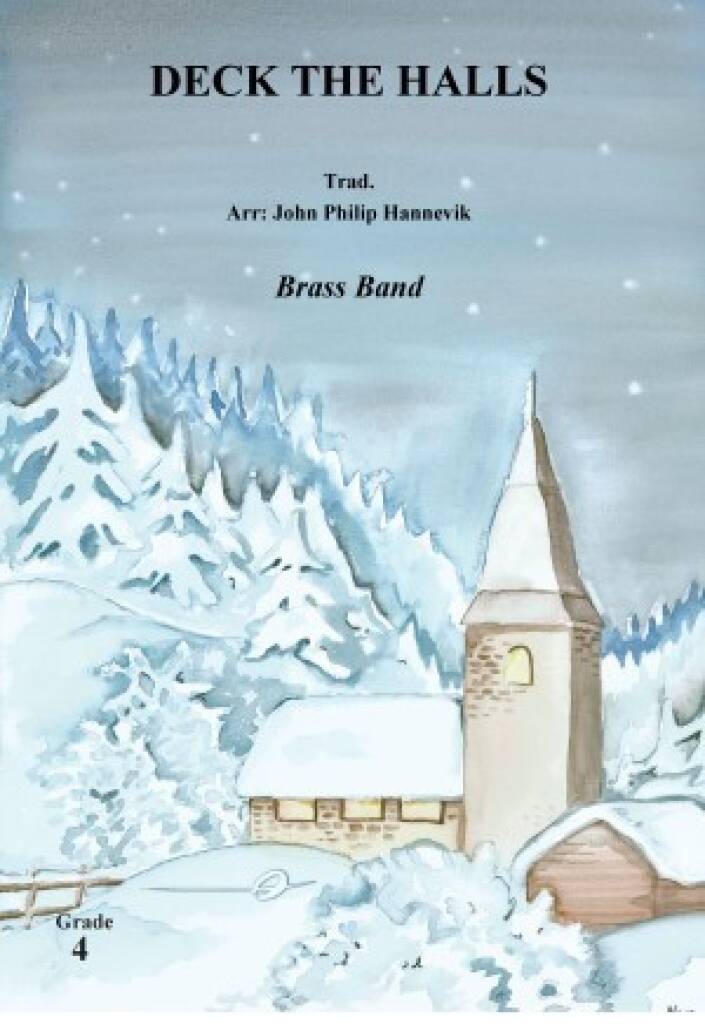
Deck the Halls - John Philip Hannevik
The original Welsh song Nos galan dating back to the sixteenth century, has become an international Christmas carol with the English lyric Deck the hall with boughs of holly.The song does not offer much in terms of variation, but I have tried to construct a short piece where one can see that the song still offers itself to a wide array of stylistical treatments.The opening is almost like a Christmas Overture, before it wanders in to a renaissance-like style.The middle section offers a much more lush and lyrical rubato treatment, with lots of color and thick harmonization.The end then turns the tempo even more up than at the start of the piece, and brings us through a big band ending with long soaring lines.- John Philip Hannevik -
Estimated dispatch 5-14 working days
-
 £115.60
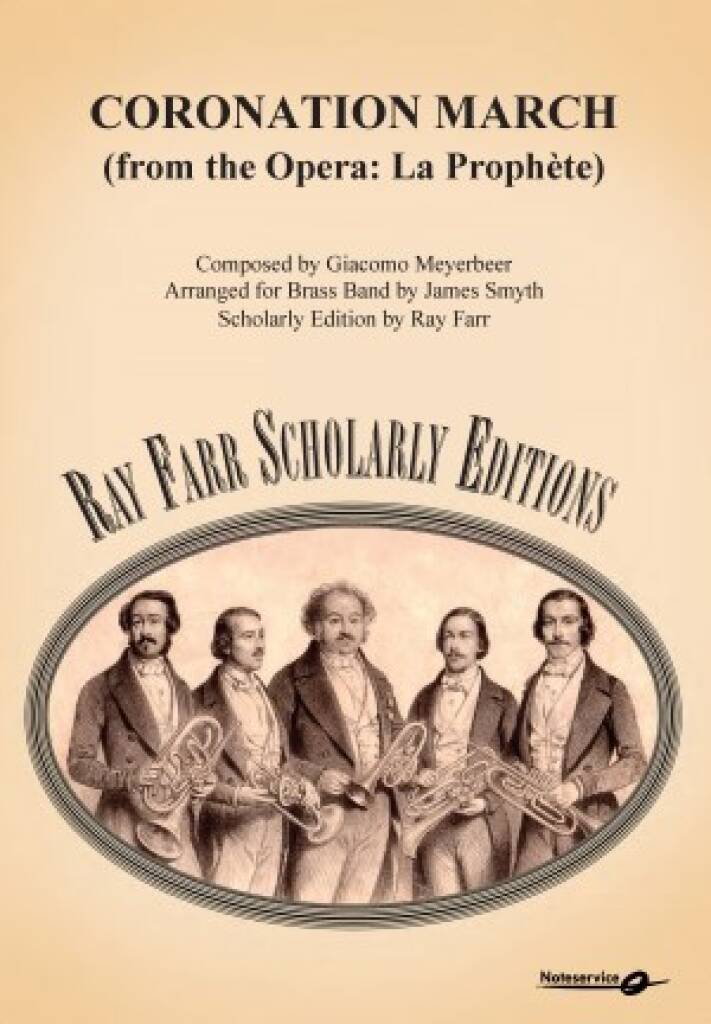
Coronation March - Giacomo Meyerbeer - Ray Farr
This Coronation March is from the opera Le Prophete (The Prophet) by Giacomo Meyerbeer and was arranged for brass band by James Smyth. The march was performed during a series of brass band events which took place at the Crystal Palace, London 1860 - 1863. Enderby Jackson was the organiser of these historically important occasions and also conducted the massed band concerts.The purpose of this scholarly edition is to produce a performing version, clearing ambiguities and errors, that can be enjoyed by today's performers and listeners, bearing in mind the original function and context. At the same time the edition is an analytical, musicological study of one of the rare treasures of the brass band repertory.
Estimated dispatch 5-14 working days
 View Music