
Results
-
 £37.35
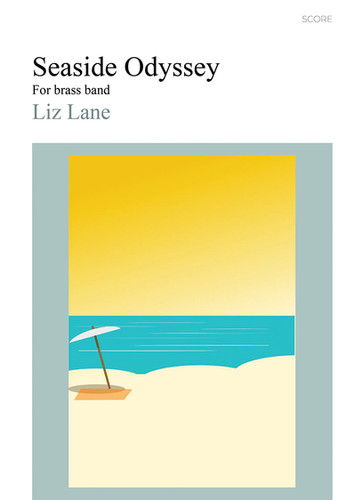
Seaside Odyssey (Brass Band) Liz Lane
Seaside Odyssey is a celebration of the British seaside! The music represents a juxtaposition between natural and manmade elements; there are two main musical themes - the reflective sea (a wordless setting of John Masefield's Sea Fever) and a more lively 'seaside' theme, heard separately in different ways and later together. From childhood memories, sand, beach and cliffs to cafes, ice creams, fish and chips, buckets and spades, boating trips, beach huts, bandstands, piers, theatres, gardens, mini golf, arcades and more, Seaside Odyssey is a journey from dawn to dusk with the sea at the heart of the music. This work was commissioned by Grimethorpe Colliery Band for its seaside tour, August 2023, where it performed at Paignton, Lyme Regis, Weymouth, Shanklin and Herne Bay. Includes optional poems and words specially curated from poets associated with the seaside towns, which can be read before a performance. Duration: approx. 5 minutes This PDF download includes parts and score. Sheet music available at www.brassband.co.uk (UK) or https://satradecentral.org (USA) Instrumentation: Eb Soprano Cornet Bb Solo Cornet Bb Repiano Cornet Bb Cornet 2 Bb Cornet 3 Bb Flugelhorn Eb Solo Tenor Horn Eb Tenor Horn 1 Eb Tenor Horn 2 Bb Baritone 1 Bb Baritone 2 Bb Trombone 1 Bb Trombone 2 Bass Trombone Bb Euphonium Eb Bass Bb Bass Percussion 1: timpani, triangle and optional 'arcade jackpot' effect (see score/part) Percussion 2: 3 suspended cymbals (2 ride, 1 crash) and hi-hat Percussion 3: snare, tom-toms and bass drum Percussion 4: glockenspiel
In Stock: Estimated dispatch 1-3 working days
-
 £29.88
This is my Father's World (Brass Band) arr. William Himes
The vibrant hymn of Maltbie D. Babcock (1858-1901) has been linked for more than a century to the English folk melody, Terra Beata. This colourful and climactic setting by William Himes emulates the concept of 'text painting', wherein the music strives to reflect the literal meaning of the lyrics. This is my Father's world, and to my listening ears All nature sings and round me rings the music of the spheres. Sheet music available from: UK - www.brassband.co.uk USA - www.solidbrassmusic.com Difficulty Level: 4th Section + Instrumentation: Soprano Cornet Eb Solo Cornet Bb 1st Cornet Bb 2nd Cornet Bb Flugel Horn Bb Solo Horn Eb 1st Horn Eb 2nd Horn Eb 1st Baritone Bb 2nd Baritone Bb 1st Trombone Bb 2nd Trombone Bb Bass Trombone Euphonium Bb Bass Eb Bass Bb Percussion 1-2
In Stock: Estimated dispatch 1-3 working days
-
£37.50
Brass Monkey's Classical - Gavin Somerset
This release from the 'Brass Monkeys' series introduces your training band to some of the best-loved classical music around. Each piece contains a different challenge and something new to learn. With an opening from Clarke, marches from Tchaikovsky & Elgar, a lullaby from Brahms and memorable music from Dvorak & Holst, this is the perfect way for your learners to start playing some of the world's most famous melodies. The music in this publication is also a great way for your training band to join in on concerts with the senior band. This final item, 'Jupiter' from Holst's 'The Planets' has as well as the main melody, an optional, slightly more difficult section so the players have something to work towards even after conquering the main bulk of the work. Music included isaATRUMPET VOLUNTARY (Prince Of Denmark's March)MARCH SLAVEGOOD EVENING, GOOD NIGHT (Brahms' Lullaby)LARGO (From The 'New World Symphony')POMP & CIRCUMSTANCE No.1 (Land Of Hope & Glory)JUPITER (From 'The Planets')
In Stock: Estimated dispatch 1-3 working days
-
 £29.50
All About That Bass (Tuba!) - Kevin Kadish & Megan Trainor - Gavin Somerset
If you're looking to spice up your concert programme with something a little different, then look no further! It isn't too often that the lower brass get to take the limelight, however, this toe-tapping arrangement of the Meghan Trainor hit does just that! The work has become a huge hit and with a 50's & 60's 'Doo-Wap' feel, it works incredibly well for brass band. With the lower brass being kept busy, the big-band feel to the chorus and plenty of areas in which choreography would work well, this piece can't help but bring a smile to your face. The ultimate entertainment item and one that is enjoyed by all ages! A must have piece for your concerts this year. To download the Solo Cornet part, please CLICK HERE . To download the Solo Horn part, please CLICK HERE . To download the Solo Euphonium part, please CLICK HERE . To download the playback audio to play along to, please RIGHT CLICK HERE & Save As .
In Stock: Estimated dispatch 1-3 working days
-
£24.50
Arioso - J.S Bach - Steven Hague
A modern brass band arrangement of the "Arioso" from J.S. Bach's Cantata No. 156 arranged by Steven Hague, with a nice feature for the horn section, and tuneful duets from the two solo cornets.
In Stock: Estimated dispatch 1-3 working days
-
£37.50
Brass Monkey's Occasions - Gavin Somerset
Never be caught out again on a concert with this selection that caters for just about every occasion. Your training band will be prepared to perform anything from a Fanfare to the National Anthem and even 'He's A Jolly Good Fellow'. The music included in this publication is used all over the world, all year around. "Land Of Hope & Glory" is also included, in the same key as the popular senior band arrangement (by J. Ord Hume) so your training band can join in with the senor band in a proms concert finale. This release puts well-known, often requested tunes in one publication letting your training band shine, whatever the occasion. Music included isaAFANFARENATIONAL ANTHEM (God Save The Queen/King)ROYAL NAVY HYMN (Melita)HARVEST HYMN (St. George's Windsor)ONWARD CHRISTIAN SOLDIERS (St. Gertrude)DANNY BOY (Londonderry Air)HE'S A JOLLY GOOD FELLOWF.A. CUP THEME (Eventide)LAND OF HOPE & GLORY (Pomp & Circumstance March No.1)
In Stock: Estimated dispatch 1-3 working days
-
 £29.50
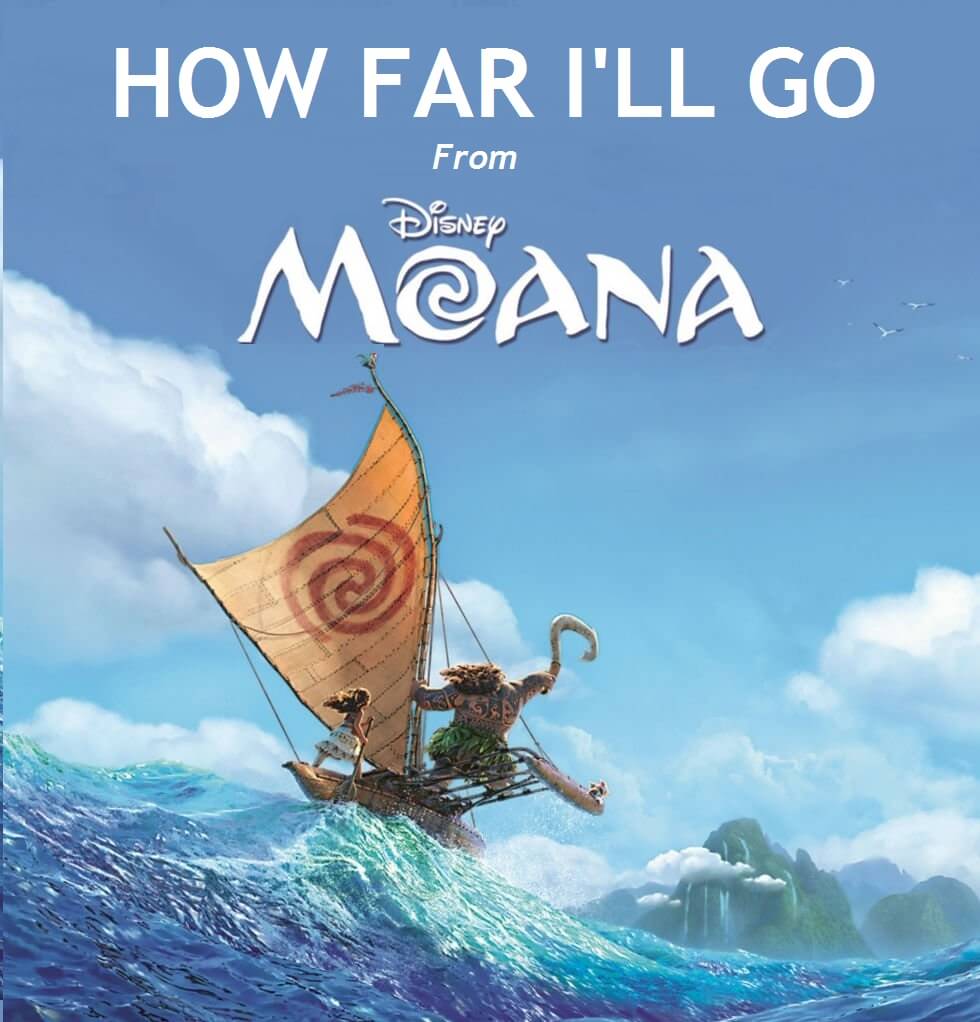
How Far I'll Go - Lin-Manuel Miranda - Gavin Somerset
One of the most popular songs from Disney's 'Moana', is now available for brass band. How Far I'll Go is the Academy Award nominated song and it became an instant hit upon the film's release. The film tells the story of a young girl, chosen to reunite a mystical relic with a goddess. Upon its release, 'Moana' was met with great critical acclaim and has quickly placed itself up amongst the best of Disney's latest animated works. Loved by audiences of all ages, this release is the perfect choice for a modern concert programme and a song loved worldwide.
In Stock: Estimated dispatch 1-3 working days
-
 £29.50
The Avengers - Laurie Johnson - Gavin Somerset
This hit T.V theme by Laurie Johnson is now finally available for Brass Band. Commissioned by a championship section band, this piece is the perfect opener for any concert and perfectly suited for an entertainments contest. With heavy chords and a big band swing, this gem of a piece has everything. The arrangement by Gavin Somerset faithfully recreates the opening of the 1960's UK cult TV program. A must for every bands library.
In Stock: Estimated dispatch 1-3 working days
-
 £29.50
Bewitched - Howard Greenfield - Gavin Somerset
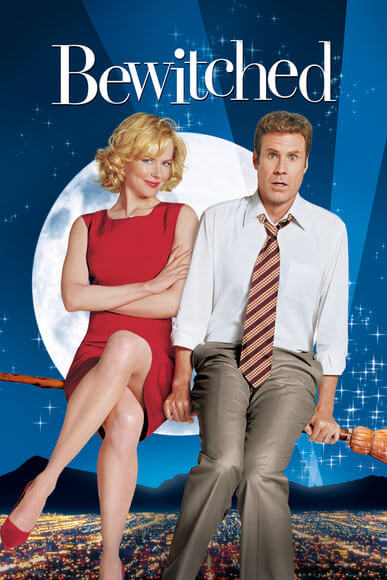
In 1964, the pilot to the new American sitcom 'Bewitched' was completed. The original screening used Frank Sinatra's 'Witchcraft' as the music for the opening titles, however, the production company did not want to pay the large fee to use this track and so, Greenfield & Keller were asked to compose an alternative. The foot-tapping swing piece they produced was reduced to an instrumental version with a light orchestra for the opening credits. However, the song has now been recorded several times. The most famous recording by Steve Lawrence was also featured in the film 'Bewitched' released in 2005. Since then, it has also appeared on the X-Factor a number of times. This fantastic swing item now comes arranged for brass band with the option of playing it at the Steve Lawrence song tempo, or the fast, big band instrumental tempo used in the TV Series. An optional, lower pitched part is also included between letters E-F for the cornet section & flugel to make the item more accessible to lower section bands. This item is a great swing number that audiences of all ages will recognize, a great piece for your new program & a must for every band looking to inject some life into their concerts.
In Stock: Estimated dispatch 1-3 working days
-
 £29.50
It Was A Very Good Year - Ervin Drake - Gavin Somerset
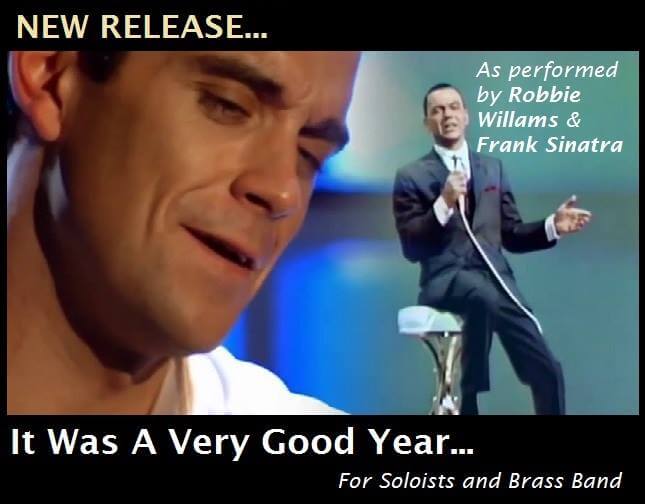
Composed by Ervin Drake, this bestselling hit for Frank Sinatra (and later, Robbie Williams) tells of the performer's life as they reflect upon their past, aged 17 to being 'In the autumn of their years'. Now, arranged for the first time for brass band, using the original orchestration from the Frank Sinatra version, this stunning work is available for bands to perform with either a single soloist, or for added entertainment value, you can spread the years across various (aging?!) members of the band as several soloist parts are provided (both in Bb and Eb). This piece is a must have for bands looking to add something different to any concert or contest programme. *Also works with vocalist. To download the playback audio to play along to, please RIGHT CLICK HERE & Save As .
In Stock: Estimated dispatch 1-3 working days
 Watch video
 View Music