
Results
-
 £69.99
The Everlasting Light - Andrew R. Mackereth
A tranquil setting of the song O Little Town of Bethlehem interspersed with references to Twinkle Twinkle Little Star.
Estimated dispatch 5-14 working days
-
 £78.20
Hummel Gets The Rockets - Hans Zimmer - Erik Rozendom
This is currently the best arrangement you can find from the soundtrack to the movie 'The Rock' by Hans Zimmer! Erik Rozendom (arr At World's End) has made a masterful arrangement of the music, which was also used on the TV series 'Expeditie Robinson', seen on Dutch television.
Estimated dispatch 5-14 working days
-
 £49.99
Back to the Future - Alan Silvestri - Philip Harper
Alan Silvestri's unforgettable, dramatic theme from the iconic movie Back to the Future (1985) has become a true film music classic. In this brilliant arrangement for brass band, Philip Harper has perfectly preserved the original energy and grandeur of the soundtrack. The result is a powerful, recognizable, and compelling arrangement that is guaranteed to impress any audience.
Estimated dispatch 5-14 working days
-
 £60.99
The Second Star to the Right - Christopher Bond
This famous tune from the iconic Peter Pan movie has been arranged many times, but not often for a solo instrument with band accompaniment. Christopher Bond has created a lovely arrangement for solo trombone and band - ideal for putting one of the trombones in the spotlight!
Estimated dispatch 5-14 working days
-
 £46.00
That's the Spirit - Peter Goosensen
That's the Spirit! Is a fun and challenging work that is a great flashy opening to concert programs, for youth orchestras and smaller bands. The driving drum and percussion groove provides a solid rhythmic base. The various wind sections of the band deliver both impressive themes but also more subtle melodic lines.
Estimated dispatch 5-14 working days
-
 £69.99
Selections from The Greatest Showman - Paul Murtha
From the powerful soundtrack of the hit movie The Greatest Showman, here is a dramatic and exciting medley for the concert stage. Includes: 'The Greatest Showman', 'Never Enough', 'A Million Dreams', 'This Is Me' and 'From Now On'.
Estimated dispatch 5-14 working days
-
 £74.99
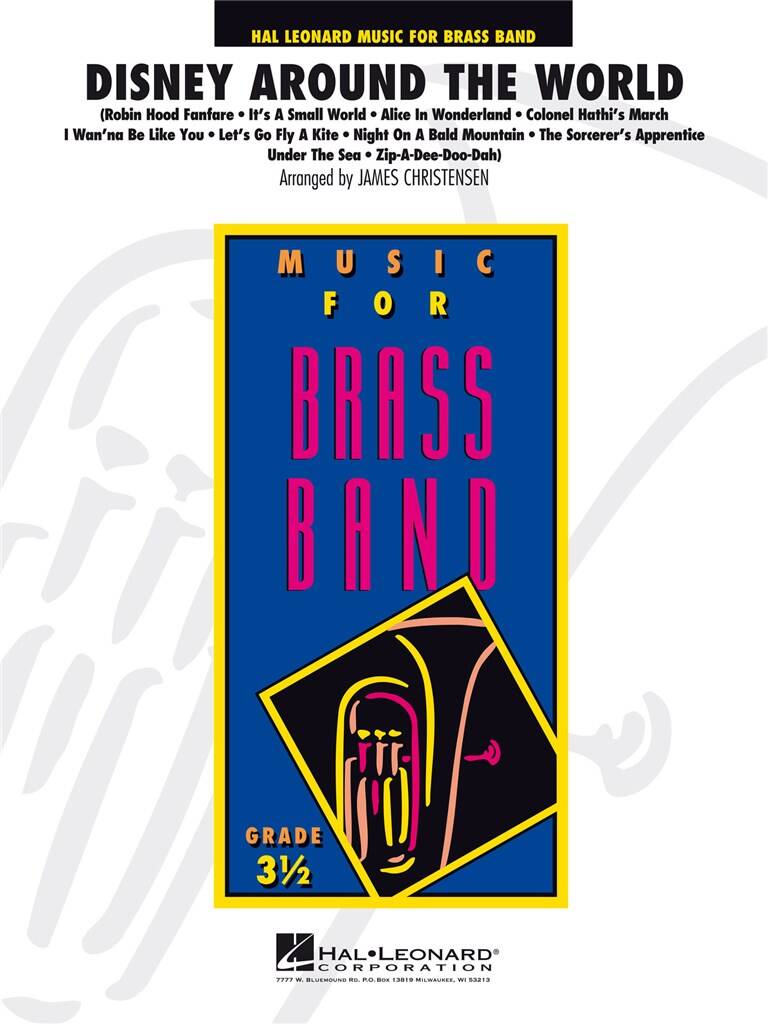
Disney Around the World - James Christensen
If you're a Disney fan, this is your moment! This medley for brass band by James Christensen contains many of the great hits from the rich Disney repertoire: Alice in Wonderland, Colonel Hathi's March, I Wanna Be Like You (Jungle Book), It's A Small World, Let's Go Fly A Kate (Mary Poppins), Night on Bald Mountain, Robin Hood, The Sorcerer's Apprentice, Under the Sea and Zip-A-Dee-Doo-Dah.
Estimated dispatch 5-14 working days
-
 £73.80
The Lady Caliph - Ennio Morricone - Andrew Pearce
The Lady Caliph is Ennio Morricone's main theme of the 70's Italian drama film La Califfa directed by Alberto Bevilacqua, entered into the 1971 Cannes Film Festival. After Andrew Pearce arranged and transcribed this beautiful theme for cello & chamber orchestra for the film 'If I were you' (2012), it seemed a perfect choice for expressive euphonium solo and Band.
Estimated dispatch 5-14 working days
-
 £60.99
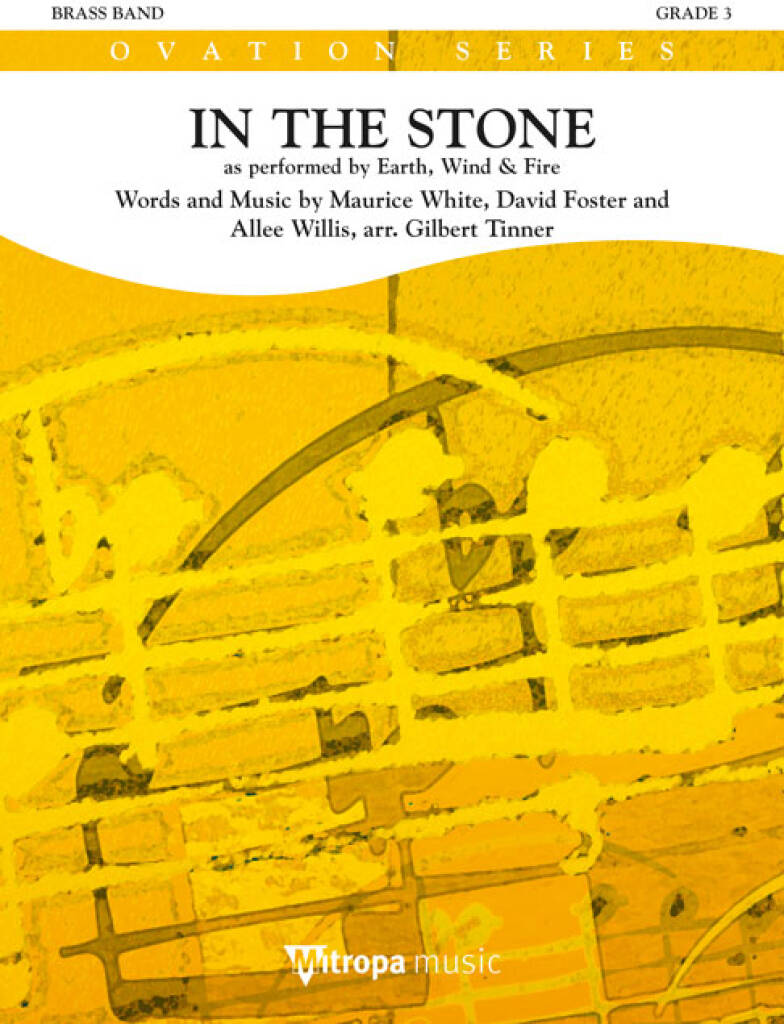
In The Stone - Maurice White - Gilbert Tinner
In the Stone is an entirely appropriate title for this song from pop legends, Earth, Wind & Fire, whose funky tunes characterised the disco era like no other artist. In the Stone is a lively brass band arrangement that maintains the soulful character of the original record, which featured exciting saxophone, trumpet and trombone parts.
Estimated dispatch 5-14 working days
-
 £59.99
In the Bleak Mid-Winter - Gustav Holst - Philip Sparke
Christina Rossetti wrote the words to this famous Christmas carol in 1872 in response to a request from the magazine Scribner's Monthly for a Christmas poem. They were set to music by Gustav Holst (1874-1934) for inclusion in the first edition (1906) of The English Hymnal, edited by his life-long friend, Ralph Vaughan Williams. Philip Sparke has carefully arranged the beautiful melody into this delightful version for brass band. A must for any Christmas concert.
Estimated dispatch 5-14 working days
 View Music