
Results
-
£37.50
Brass Monkey's Classical - Gavin Somerset
This release from the 'Brass Monkeys' series introduces your training band to some of the best-loved classical music around. Each piece contains a different challenge and something new to learn. With an opening from Clarke, marches from Tchaikovsky & Elgar, a lullaby from Brahms and memorable music from Dvorak & Holst, this is the perfect way for your learners to start playing some of the world's most famous melodies. The music in this publication is also a great way for your training band to join in on concerts with the senior band. This final item, 'Jupiter' from Holst's 'The Planets' has as well as the main melody, an optional, slightly more difficult section so the players have something to work towards even after conquering the main bulk of the work. Music included isaATRUMPET VOLUNTARY (Prince Of Denmark's March)MARCH SLAVEGOOD EVENING, GOOD NIGHT (Brahms' Lullaby)LARGO (From The 'New World Symphony')POMP & CIRCUMSTANCE No.1 (Land Of Hope & Glory)JUPITER (From 'The Planets')
In Stock: Estimated dispatch 1-3 working days
-
£37.50
Christmas Humbug - Traditional - Len Jenkins
If you were looking for something different and quirky this Christmas aA" look no further! A medley of all the best known carols from the festive period, but not as you may expect them. This piece takes you on a musical journey through different styles of music with clever bits of carols thrown in for good measure. The piece is written in 2 sections and can be played as one long through-composed suite, or each half performed separately, effectively giving you two pieces of music out of one. This item is one for every band and certain to entertain both the audience and players.
In Stock: Estimated dispatch 1-3 working days
-
£24.50
Carol Of The Bells - Leontovich - Graham Boag
For bands looking to deliver an energetic performance over the festive season, look no further. Though previously well catalogued, the work became known more widely around the globe thanks to its use in John Williams' score to 'Home Alone'. This arrangement by Graham Boag allows all sections of your band to shine and enjoy the music that is marked 'Con Energico!'. At around two minutes in duration, this item works great as an attention grabbing piece, perfect as an opener to either half, or indeed an encore not to be missed! For Christmas 2020, we have made backing tracks of this title for you to download. These can be used either for personal playback use, or to create a virtual performance of the piece with your full band. To download the backing track, please RIGHT CLICK HERE & Save As .
In Stock: Estimated dispatch 1-3 working days
-
 £29.50
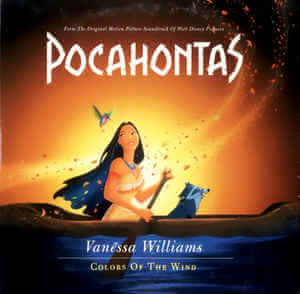
Colours Of The Wind - Alan Menken - Gavin Somerset
This moving title track from the Disney Film "Pocahontas" is, as you would expect from composer Alan Menken, a joy to listen to and can bring a whole cocktail of emotions. The film was Disney's first to be based on a real character and tells of the relationship between Pocahontas and Englishman John Smith. "Colours of the Wind" went on to win an Academy Award, a Golden Globe and a Grammy Award. Selling 2.3 million copies, if that wasn't enough, it also reached No.4 in the US Pop Charts, sung by Vanessa Williams. This heart-warming piece with an emotional climax belongs in every bands library .
In Stock: Estimated dispatch 1-3 working days
-
£24.50
Deep Harmony - Handel Parker - Alan Beaumont
Composed in 1854 By Handel Parker, this tune has become a favorite within the Brass Band world. Many have said that no other ensemble can perform a hymn tune quite like a Brass Band. Now this favorite has been arranged by Alan Beaumont and allows the Solo Cornet play to shine, before all the cornets join him in a fanfare whilst the hymn tune rides underneath. Suitable for any occasion.
In Stock: Estimated dispatch 1-3 working days
-
.jpg) £29.50
£29.50Don't You Want Me (Baby) - The Human League - Gavin Somerset
Originally released in 1981, this single by The Human League took the took the Christmas No.1 spot and has since gone on to sell over 1.5 million copies, making it the 23rd most successful single in British history. The music has easily stood the test of time, with many still seeing the track as a firm favourite for parties. Now for the first time, the work is available for band. This is a great way to show off a brass band's versatility and reach out to audiences of all ages. Something different and a must have.
In Stock: Estimated dispatch 1-3 working days
-
 £29.50
Jingle Bell Swing - James Pierpoint - Gavin Somerset
Get your audience on their feet in this ultimate Christmas Concert finale. Jingle Bells gets the Michael Buble Big Band treatment in this arrangement which will appeal to bands of all levels. There is plenty for every player to enjoy and there is no doubt that this finger clicking good piece will leave your audiences cheering for more. A must for all bands wanting to give their audience something different this Christmas season.
In Stock: Estimated dispatch 1-3 working days
-
 £29.50
On Cloud Nine - Rob Wiffin
On Cloud Nine is a wonderful new concert opener; a vivacious four-minute concert item full of energy and good humour. It begins with a majestic fanfare-like statement. This opening melodic idea re-appears in various forms throughout the piece. The following themes are sometimes a little quirky with fantastic band parts for all players to enjoy. The piece is meant to convey a deep sense of joy which bubbles relentlessly to the surface no matter what else threatens to dampen it. The music is overwhelmingly optimistic in spirit and fun to play as well as listen to.
In Stock: Estimated dispatch 1-3 working days
-
£24.50
Triumphant - Bill Willis
TriumphantThis is a bright concert march in a traditional style and should pose no problems for the majority of bands.The first half of the march moves between the related keys of A min and C majThe march starts with a bold opening 2 bar statement in A min. At B the rhythm from the middle of the band should not be allowed to slow the pace of the march. C sees a majestic bass melody from Baritones downwards moving to D where a repeat of the original theme is presented before moving to the TRIO section. This moves between the related keys of F maj and D min. The melody heard at E is repeated at G with a florid counter-melody heard from 1st Baritone and Euphonium leading to the finish.
In Stock: Estimated dispatch 1-3 working days
-
 £29.50
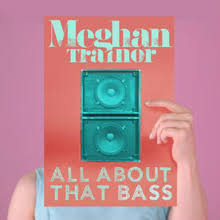
All About That Bass (Tuba!) - Kevin Kadish & Megan Trainor - Gavin Somerset
If you're looking to spice up your concert programme with something a little different, then look no further! It isn't too often that the lower brass get to take the limelight, however, this toe-tapping arrangement of the Meghan Trainor hit does just that! The work has become a huge hit and with a 50's & 60's 'Doo-Wap' feel, it works incredibly well for brass band. With the lower brass being kept busy, the big-band feel to the chorus and plenty of areas in which choreography would work well, this piece can't help but bring a smile to your face. The ultimate entertainment item and one that is enjoyed by all ages! A must have piece for your concerts this year. To download the Solo Cornet part, please CLICK HERE . To download the Solo Horn part, please CLICK HERE . To download the Solo Euphonium part, please CLICK HERE . To download the playback audio to play along to, please RIGHT CLICK HERE & Save As .
In Stock: Estimated dispatch 1-3 working days
 View Music
 Listen to MP3