
Results
-
 £29.50
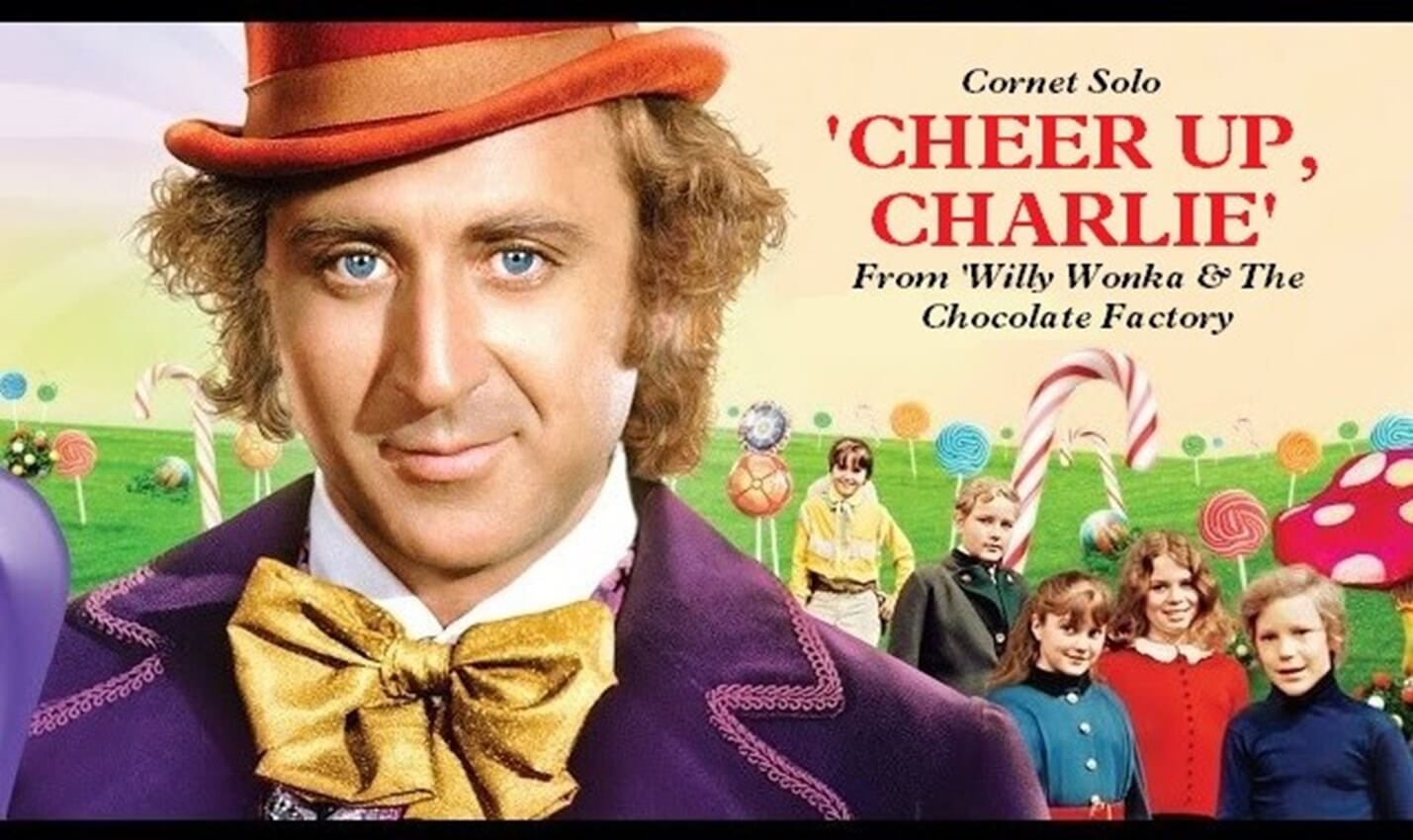
Cheer Up, Charlie - Leslie Bricusse & Anthony Newman - Gavin Somerset
This fresh new cornet solo comes from one of the greatest loved movies of all time. Featuring alongside musical hits such as Pure Imagination and The Candy Man, 'Cheer Up, Charlie' is probably one of the most underrated musical numbers from the film, Willy Wonka & The Chocolate Factory. In the film, the song is sung by Charlie's mother, whilst young Charlie ponders the life he believes lay ahead for him. With a complex chord structure, the band parts remain interesting throughout whilst the lyrical solo line can shine in this beautiful, melodic work. A great 'slow melody' solo item and one that works on both concert and contest stages. To download the playback audio to play along to, please RIGHT CLICK HERE & Save As .
In Stock: Estimated dispatch 1-3 working days
-
 £29.50
Eine Kleine Nachtmusik - W.A. Mozart - Alan Beaumont
Possibly the most well-known Mozart work of all time is now available as a fun Eb Bass Solo. With tongue-in-cheek accompaniment, this new tuba solo gives the soloist plenty to do in this fast paced concert showcase. Composed in 1787, this is the first movement from the popular Serenade, more often referred to in English as, A Little Night Music. This is a perfect solo item which wouldn't be out of place on either the bandstand or concert hall. To download the playback audio to play along to, please RIGHT CLICK HERE & Save As .
In Stock: Estimated dispatch 1-3 working days
-
 £24.50
Forever Yours - Darrol Barry
From the pen of Darrol Barry comes a new Flugel Horn solo that allows the soloists the chance to show off the instruments beautiful sound. The simplistic melody in the solo line and the shifting harmonies from the band create a beautiful effect that will draw the listener in throughout the piece until the gently final moments of tranquillity. A great addition to a soloists repertoire. Download the solo part free at: http://penninemusic.com/ForeverYours.pdf
In Stock: Estimated dispatch 1-3 working days
-
£24.50
Hey Presto! - Gerry McColl
This new gem of a solo for Euphonium is a rousing piece from start to finish. Starting with heavy syncopation from the band before the soloist can show off with this catchy little tune that you will be whistling for days (if you can whistle that fast!) The middle section then breaks into a beautiful legato tune for the soloist up in the top register, whilst the rest of the band keep on ploughing away underneath. The original tune then returns after a modulation and finishing with the soloist showing off their chromatic runs in the last couple of bars. This is one of the best new entertaining solos around.
In Stock: Estimated dispatch 1-3 working days
-
£24.50
Con Brio - Mike Lyons
A brand new piece, jolly and lively all the way thought. Composed in 7/8 time most of the way though, giving the players something to think about, and the audience something to enjoy. There is chance for the players to re-gain their composure during a lovely little flugel solo (thankfully, in the more common A time!). The band then join in and the fun returns, getting faster and faster before another break into the Lento, where the trombones and solo horn feature. However the rousing ending isn't far away!!! A stunning work, good fun, and enjoyable by all.
In Stock: Estimated dispatch 1-3 working days
-
 £29.50
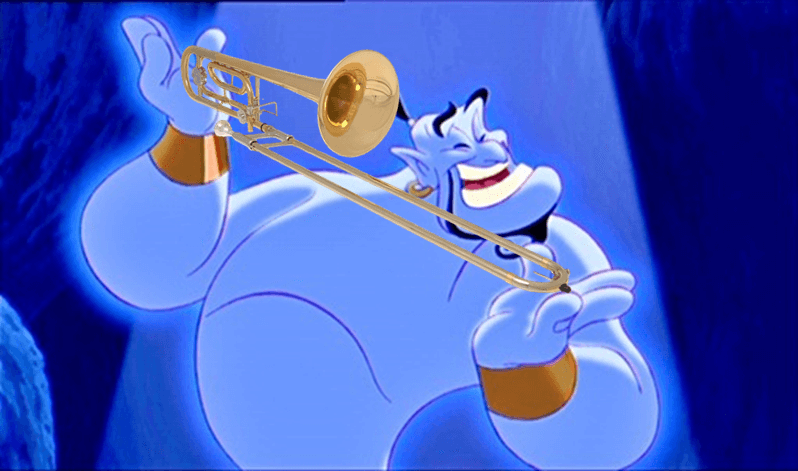
Friend Like Me - Alan Menken - Karl Whelan
Originally sang by Robin Williams in the 1992 animated film Aladdin, Friend Like Me is high octane fun for all the band to play as well as the soloist. This highly entertaining work will get feet tapping as the organised chaos of the music flows around the soloist throughout the duration of the piece. The arrangement stays faithful to the original and with Disney's re-release of Aladdin coming next month with Will Smith in the starring Genie roll, this new fun filled solo is the perfect solo choice for all bands this year.
In Stock: Estimated dispatch 1-3 working days
-
 £29.50
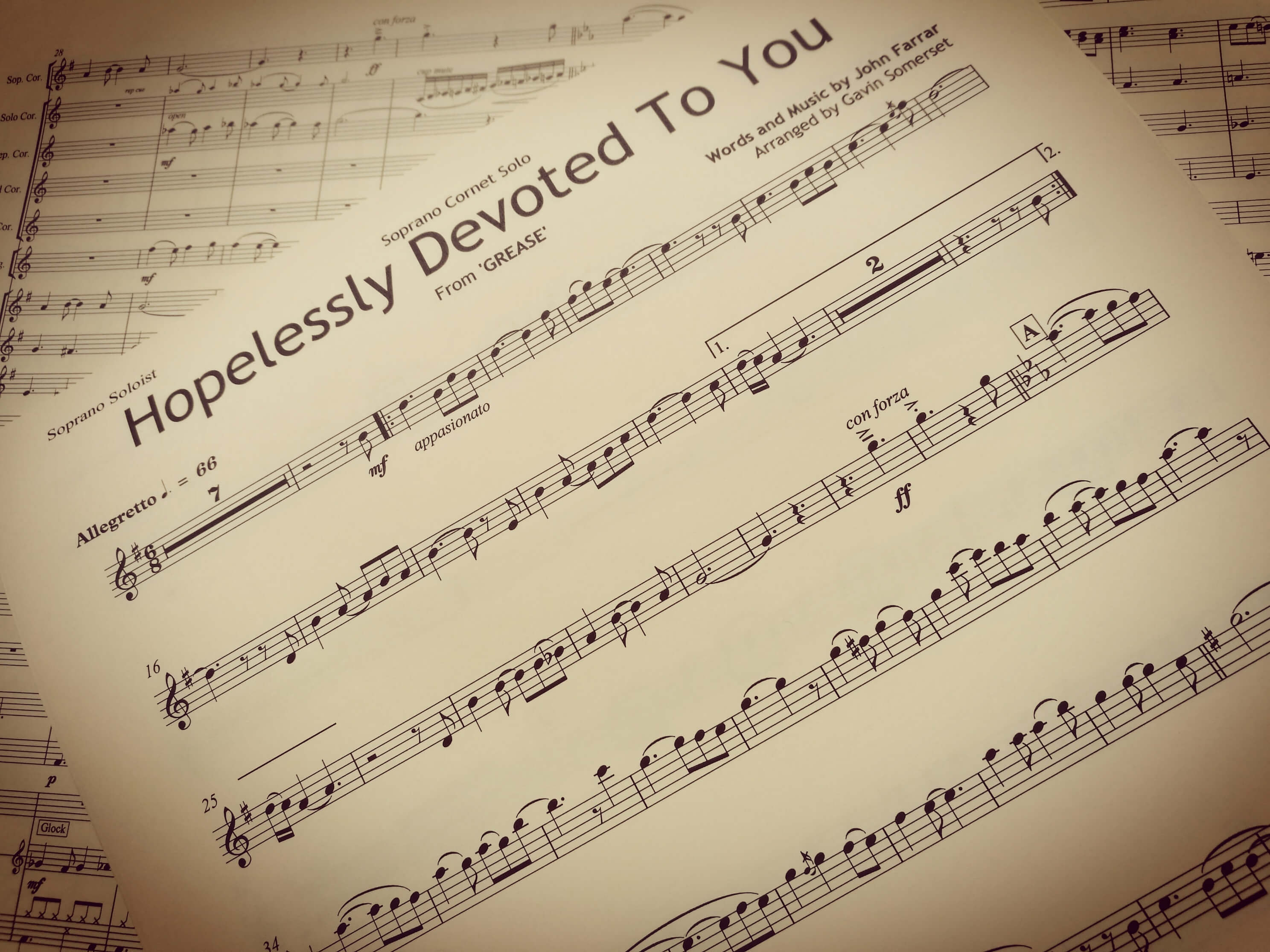
Hopelessly Devoted To You - John Farrar - Gavin Somerset
With Grease celebrating its 40th anniversary this year, this new Soprano Solo comes at the perfect time. The song was written by John Farrar, as the contractually agreed vocal solo for Olivia Newton-John to perform in the film. With simple accompaniments and a song well-known by audiences of all ages, this title is the perfect choice for Soprano players looking to combine their lyrical playing with power in the top register (highest note top C). A must have in the repertoire for soprano cornet soloists. **An alternate lower soloist part is also provided with this publication. FREE SOLOIST PART: CLICK HEREFREE ALTERNATE SOLOST PART: CLICK HERE To download the playback audio to play along to, please RIGHT CLICK HERE & Save As .
In Stock: Estimated dispatch 1-3 working days
-
£24.50
Hidden Star - John Abbott
A new Euphonium solo, which is dedicated by the composer to the "forgotten soloists in the band". Composed in a slow melodic song-like style, every section has their moment to shine whilst accompanying the soloist. The piece is playable by most levels of bands and the solo Euphonium line can be replaced with any Bb instrument.
In Stock: Estimated dispatch 1-3 working days
-
 £24.50
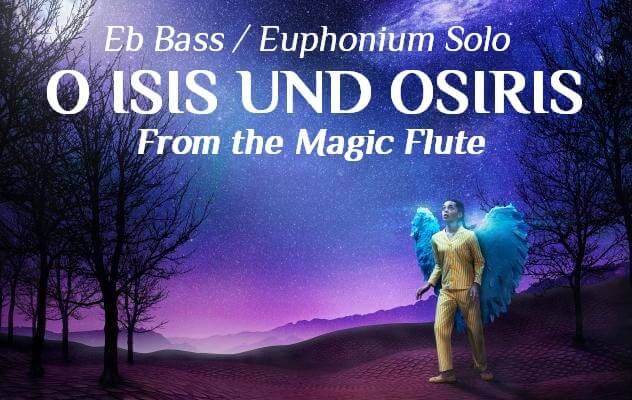
O Isis Und Osiris - W.A. Mozart - Andi Cook
The Magic Flute (Die Zauberflote) is one of Mozart's most successful operas, premiered only 2 months before the composer's early death. Skilfully arranged now as an Eb Tuba solo (with an Euphonium solo part as an alternative option), this is a chance for your band's tuba player to show the instruments in a new light, not often seen on the concert stage. The Aria O Isis Und Osiris is performed at the start of the second act of the opera and allows the soloist to show off the more lyrical and operatic side of the instrument.
In Stock: Estimated dispatch 1-3 working days
-
 £29.50
The Rose - Amanda McBroom - Rob Westacott
This classic song has been entertaining audiences around the globe since it was originally written back in 1977. It didn't reach world-wide success until the piece was recorded by artist Bette Midler and featured in the film, The Rose. Songwriter, Amanda McBroom recalls that she wrote the piece in just 45 minutes. The work has now been arranged as a gorgeous Euphonium solo with lower brass (flugelhorn down the band) accompaniment and is a great new addition to a soloist's repertoire. The work is not technically demanding and the lyrical tone of the piece is one that will allow players of all ages to shine with this solo. To download the playback audio to play along to, please RIGHT CLICK HERE & Save As .
In Stock: Estimated dispatch 1-3 working days
 View Music