
Results
-
 £73.60
West of the Mississippi - Dean Jones
There's always a sense of adventure about America that makes it a really exciting topic to write about. The 3 States that sprang to mind in bringing a piece of music together were: California, Hawaii and Texas.We start out our American journey on the West Coast....California has provided much in the way of film and music for over 100 years. Combining this sense of free expression with the 'Surfing' culture, this initial section of the piece has an easy-going, fun feel in a pop idiom. Maybe wearing some shades might be quite a good look for this section!We move even further West now to the island of Hawaii where the free and easy goes onto a new level! The use of chromatics is a feature of Hawaiian melodies and has a feel a 'sliding' between notes that somehow sums up this feel of living on a tropical island! Have some fun with this section and have a Hawaiian garland to wear!Back into the USA mainland, and the fabulous state of Texas! Here we have the concept of the old fashioned rodeo and the 'Wild West'. Even today, the culture of horses, cowboys and tales of adventure are celebrated in places such as Fort Worth. The music captures some of these themes and has a fun and enjoyment...some get your Cowboy hats at the ready and enjoy the finale!
Estimated dispatch 5-14 working days
-
 £109.99
Introducing the Brass Band - Bruce Fraser
Perfect for a presentation of your band at a concert or a presentation on a (music) school. The orchestra and the various sections introduce themselves to the public. A wonderful showpiece for your band to the public!
Estimated dispatch 5-14 working days
-
 £104.99
Lake of the Moon - Kevin Houben
The travels of the Aztec people as they headed south through North America looking for a new home, acted as the inspiration for Lake of the Moon.The composition contains small fragments of Oriental music and South American rhythms and occasionally, Russian Cossacks seem to raise their heads. The journey from North to South is not without danger, which is represented by threatening sounds within the music.In the Adagio divotothe composer takes us along to the Texcoco Lake, which the Aztecs called the lake of the moon. Bring a little bit of South American history to your concert with Lake of the Moon.
Estimated dispatch 5-14 working days
-
 £79.99
Summon the Heroes - John Williams
John Williams has written ceremonial music for many major events and ceremonies but of all these occasional pieces Summon the Heroes is the most elaborate and musically complex. It was composed for the Atlanta Olympic Games in 1996 and performed at the opening ceremony. As with all of John Williams' ceremonial compositions this work makes an ideal Brass Band work that will bring the house down as a concert opener.
Estimated dispatch 5-14 working days
-
 £76.99
The Green Hill - Bert Appermont
This piece was commissioned by Swiss Euphonium virtuoso Erich Schmidli. Bert Appermont dug deep into Celtic music for inspiration and created a fantasy that shows off the incredible, but often overlooked, versatility of the Euphonium. Charming lyrical melodies, virtuosic runs and exciting, colourful tuttis create plenty of contrast in this exciting work. The difficulty level for the soloist and band means almost any band to perform this piece and showcase their Euphonium player.
Estimated dispatch 5-14 working days
-
£54.99
The Muppet Show Theme - Jim Henson - Lorenzo Bocci
"It's time to play the music. It's time to light the lights. It's time to meet the Muppets on the Muppet Show tonight." These lyrics opened the Muppet Show, which has been broadcast in over 100 countries around the world. The multi-talented Jim Henson was the creative inspiration for the show, developing the characters, providing some of the voices for the puppets and composed the theme song. Now you can bring the lights and music to your stage with this flexible arrangement in five parts with drum kit!
Estimated dispatch 5-14 working days
-
 £77.20
The Best of Andrew Lloyd Webber - Andrew Lloyd Webber - Henk Ummels
Once again Henk Ummels has succeeded to make a rich and full arrangement using only 5 voices. This time an arrangement of highlights from the biggest musical hits from the most well known musical composer of all time. It has been arranged for beginner bands, but also very suitable for lower level bands who want something fun and entertaining. Includes music from: The Phantom of the Opera, Jesus Christ Superstar, Cats, and Joseph and the Amazing Technicolour Dreamcoat.
Estimated dispatch 5-14 working days
-
 £115.60
At the Zoo - Hilde Høyvik Dahl
"At the Zoo" is a light and playful piece for the beginning musicians.Different animals and their characteristics are the theme of each movement, and the melody alternates between the different sections of the band to emphasize this. Trombones play glissandos and the percussionists are featured on percussion instruments, making the piece a fun to perform at any concert!
Estimated dispatch 5-14 working days
-
 £74.99
Star Wars: The Last Jedi - John Williams - Michael Brown
From the blockbuster movie Star Wars: The Last Jedi, John Williams continues to display his mastery of music for film. This dynamic medley includes poignant new themes along with familiar older melodies as some of our favorite characters return for this episode.
Estimated dispatch 5-14 working days
-
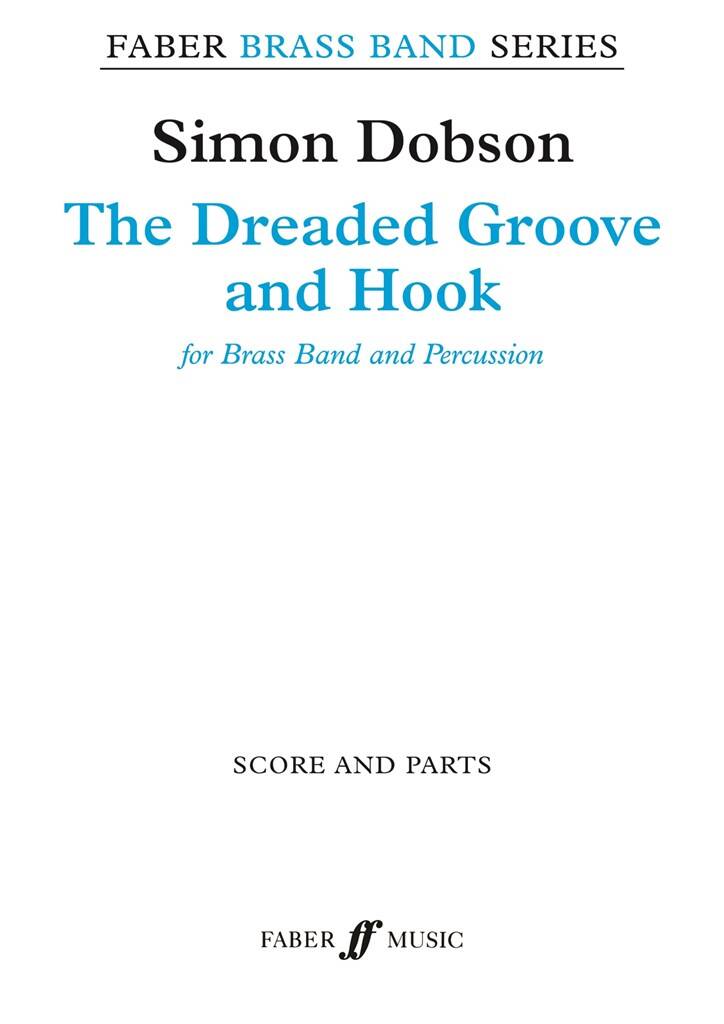 £55.00
The Dreaded Groove and Hook - Simon Dobson
The Dreaded Groove and Hook is an up-tempo acid-jazz number that draws inspiration from bands like Jamiroquai and The Youngblood Brass Band. The groove in question is the main tune that is shared round theband, whilst the hook, in 'pop' terms, is the catchy bit of the song. The whole band joins in to play a huge 'riff' that acts as a chorus to the jazz-like verses. The piece was commissioned by JasonKatsikaris and The Leyland Band, who gave the first performance as part of their programme for the Brass In Concert Championships, held at The Sage, Gateshead on the 16th November 2008. It has now been recorded by the same bandandconductor on the CD entitled Penlee.Brass Band Grade 5: 1st SectionDuration: 4 minutes
Estimated dispatch 5-14 working days
 View Music