
Results
-
 £59.50
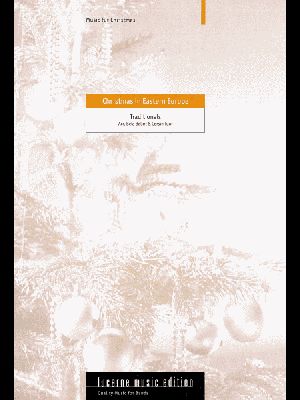
Cristmas in Eastern Europe
Many of the most beautiful Christmas songs come from Eastern Europe. Hungarian born composer
Estimated dispatch 7-14 working days
-
 £115.00
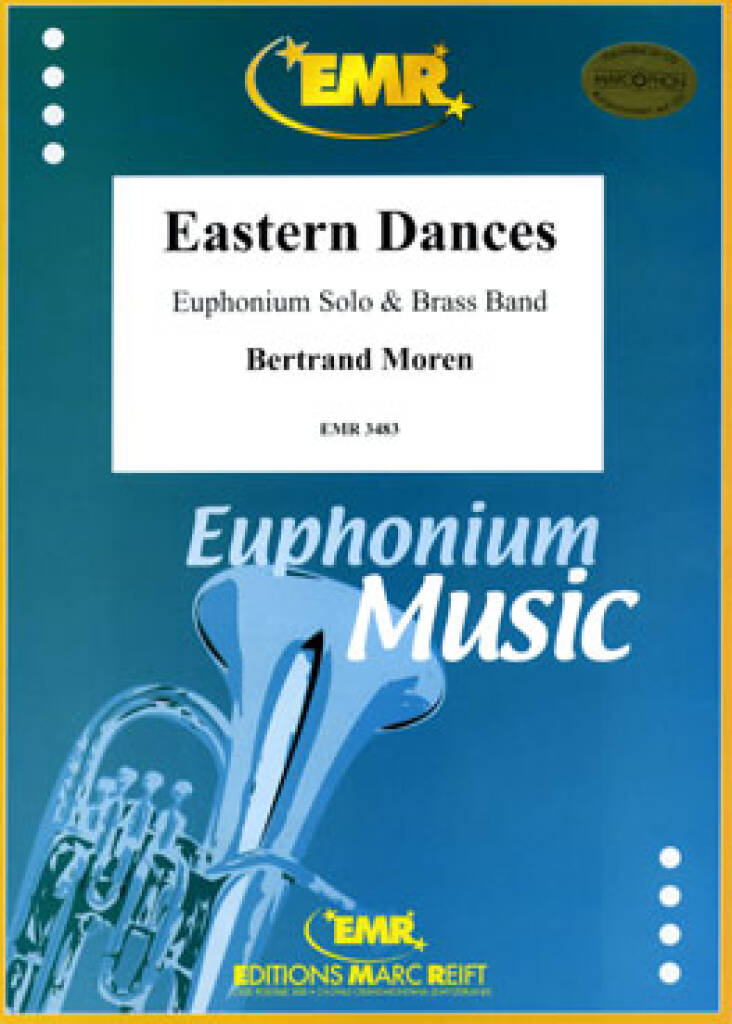
Eastern Dances (Euphonium Solo) - Bertrand Moren
Estimated dispatch 5-14 working days
-
 £115.00
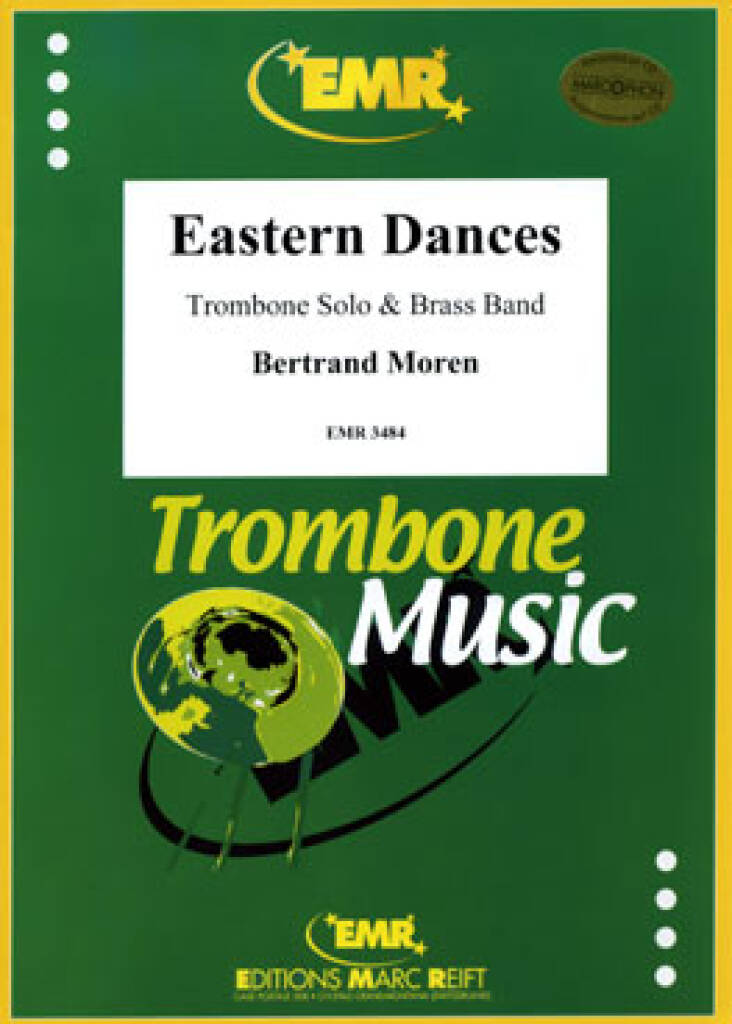
Eastern Dances (Trombone Solo) - Bertrand Moren
Estimated dispatch 5-14 working days
-
 £115.00
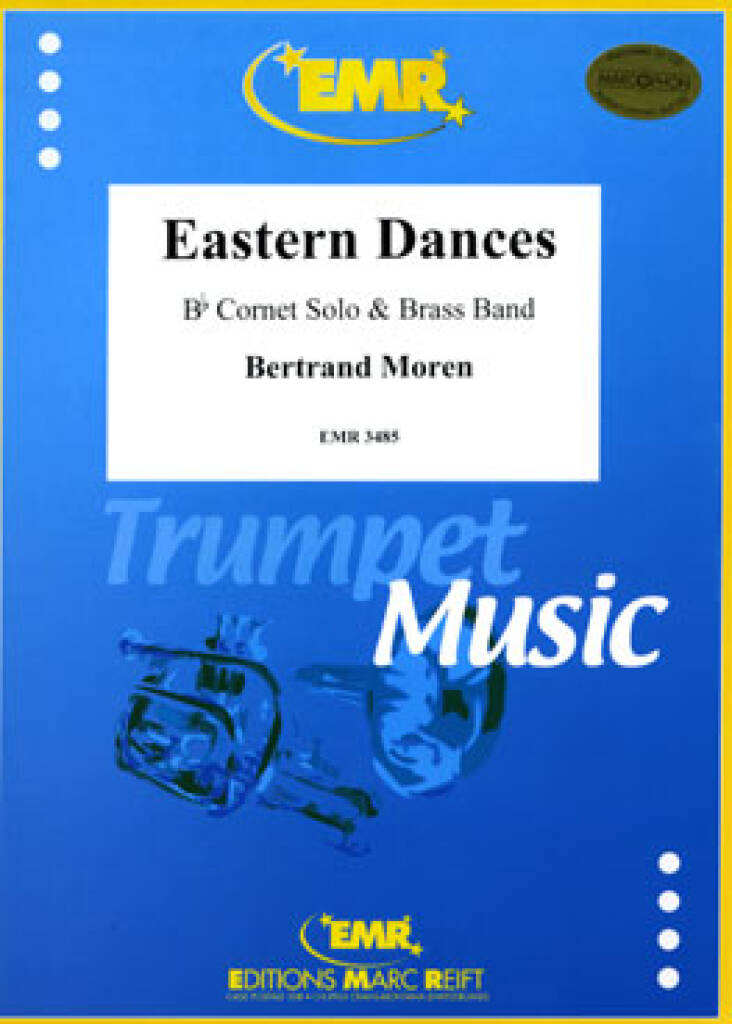
Eastern Dances (Bb Cornet Solo) - Bertrand Moren
Estimated dispatch 5-14 working days
-
 £115.00
Eastern Dances - Bertrand Moren
Estimated dispatch 5-14 working days
-
 £52.70
Far Eastern Dream - Paul Voet
The longest trip we make is to the Far East. Japan, China, Tibet,... all countries with an enormous cultural background and history. Percussion is very important here to give a rich dimension to this Japanese 'Black Bamboo' theme. Tam-tam, Chinese cymbals, Tibetan gong and a kododrum (if not possible, large floor tom) together with marimba and glockenspiel are used all the time in a carefulway. A solo cornet presents the main theme that is answered by the whole lower brass section. While this theme develops now and then the sounds of the impressive 'dung' is heard. (dung is the Tibetan very large trumpet-like instrument with loud and very deep sounds) In a quicker tempo Eb bass, euphonium and solo cornet start with the theme and even the counter theme. The whole group joins the party but everything ends very silently with mute.
Estimated dispatch 5-14 working days
-
 £11.50
EASTERN VOYAGE (score) - McKenzie, Jock
Also contains parts for orchestral brass.
In Stock: Estimated dispatch 1-3 working days
-
 £37.50
EASTERN VOYAGE (score & parts) - McKenzie, Jock
Also contains parts for orchestral brass.
In Stock: Estimated dispatch 1-3 working days
-
 £53.00
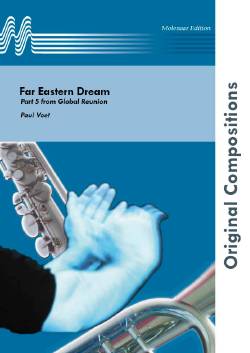
Far Eastern Dream - Paul Voet
The longest trip we make is to the Far East. Japan, China, Tibet,... all countries with an enormous cultural background and history. Percussion is very important here to give a rich dimension to this Japanese 'Black Bamboo' theme. Tam-tam, Chinese cymbals, Tibetan gong and a kododrum (if not possible, large floor tom) together with marimba and glockenspiel are used all the time in a carefulway. A solo cornet presents the main theme that is answered by the whole lower brass section. While this theme develops now and then the sounds of the impressive 'dung' is heard. (dung is the Tibetan very large trumpet-like instrument with loud and very deep sounds) In a quicker tempo Eb bass, euphonium and solo cornet start with the theme and even the counter theme. The whole group joins the party but everything ends very silently with mute.
Estimated dispatch 10-14 working days
-
£19.50
Cristmas in Eastern Europe (Score Only)
Estimated dispatch 7-14 working days
 View Music