
Results
-
 £45.99
L-O-V-E - Christopher Bond
L-O-V-E was written by Milt Gabler and Bert Kaempfert for the final album of the same name by the American singer and pianist Nat King Cole. This album, released in 1965, is largely regarded as a classic. Over the years, many cover versions have been made, including one by Michael Buble. In 2007, the English soul singer and songwriter Joss Stone recorded the song for the promotion campaign around the Coco Mademoiselle perfume by Chanel. Christopher Bond arranged this catchy music for brass band.
Estimated dispatch 5-14 working days
-
 £149.99
Redbad - Jan de Haan
Redbad was written for the Championship Section of the Dutch Brass Band Championships - and thus it contains plenty of musical and technical challenges. In this work of seven connected movements we get to know Redbad, who was the King of the Frisians from c. 680 to 719. The composer drew his inspiration from historical information, but also from stories, anecdotes, myths and legends around this figure. The themes within the composition are closely interwoven whereas the music is varied and appealing - from heroic motifs to the melancholy of elegies. Impressive tutti passages alternate with fragments that sound more open and in which various players can take centre stage. To crown it all, the work concludes with a majestic finale.
Estimated dispatch 5-14 working days
-
 £26.00
Prelude- The truth from above - Ralph Vaughan Williams - Paul Hindmarsh
In hisPrelude - The Truth from Above, outstanding arranger and curator Paul Hindmarsh has distilled the essence of a timeless Christmas classic by Ralph Vaughan Williams into five minutes of ravishingly unforgettable music for brass band. The variants of the Herefordshire tune popular from theFantasia on Christmas CarolsandThe Oxford Book of Carolsare skilfully and stylishly woven together, from an evocative opening to an ecstatic, multi-layered coda. Unerringly true to the timeless spirit of the original, with the added beauty of the brass-band sound at its most sonorously grave and haunting,Prelude - The Truth from Abovemay be performed separately, or as the first of two preludes, preceding Paul's arrangement ofRhosymedre from the Three Preludes Founded on Welsh Hymn Tunes, also available from Stainer & Bell.
Estimated dispatch 5-14 working days
-
 £94.99
October - Eric Whitacre - Philip Sparke
The continuing popularity of Eric Whitacre's dramatic and evocative music is evident in concert programming everywhere, with his symphonic, choral and operatic works. October is arguably his most notable symphonic work, now adapted in this stunning version for brass band.
Estimated dispatch 5-14 working days
-
 £154.99
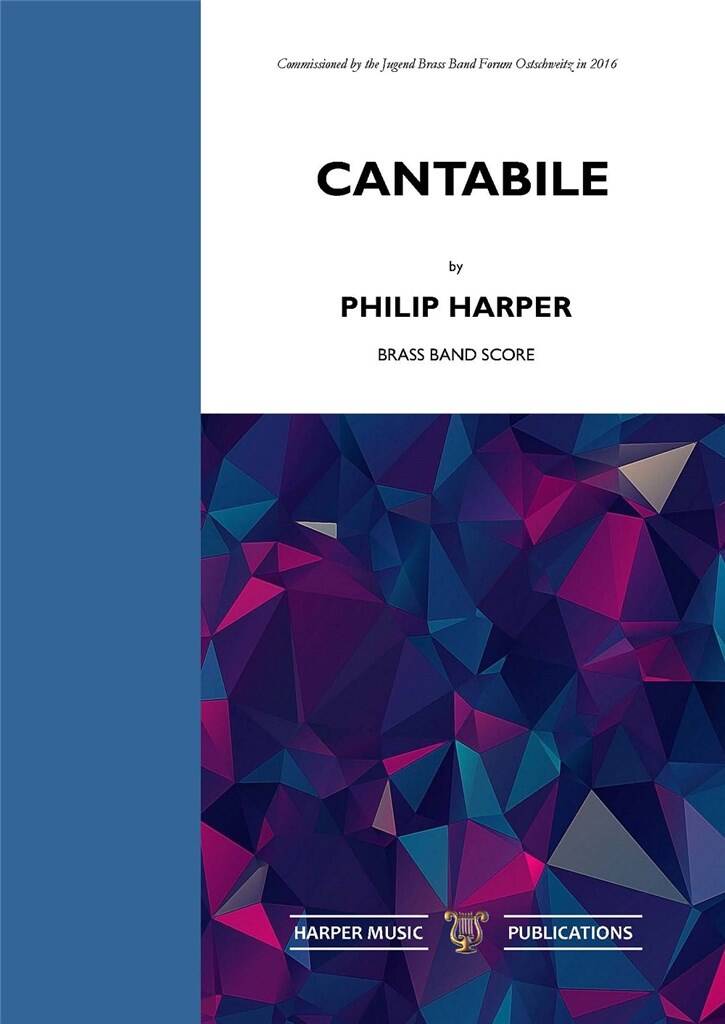
Cantabile - Philip Harper
"As long as we live there is never enough singing." - Martin Luther Philip Harper composed this piece in response to his personal concern about the direction of new music for brass band. His goal with this 5 movementCantabile, was to compose a piece which fully complied with all that is asked of a top-level test in the 21st Century, but also to reconnect with more traditional values such as lyricism in melody and richness of blendedbrass sound. Each of the 5 parts seek to capture this idea.
Estimated dispatch 5-14 working days
-
 £60.99
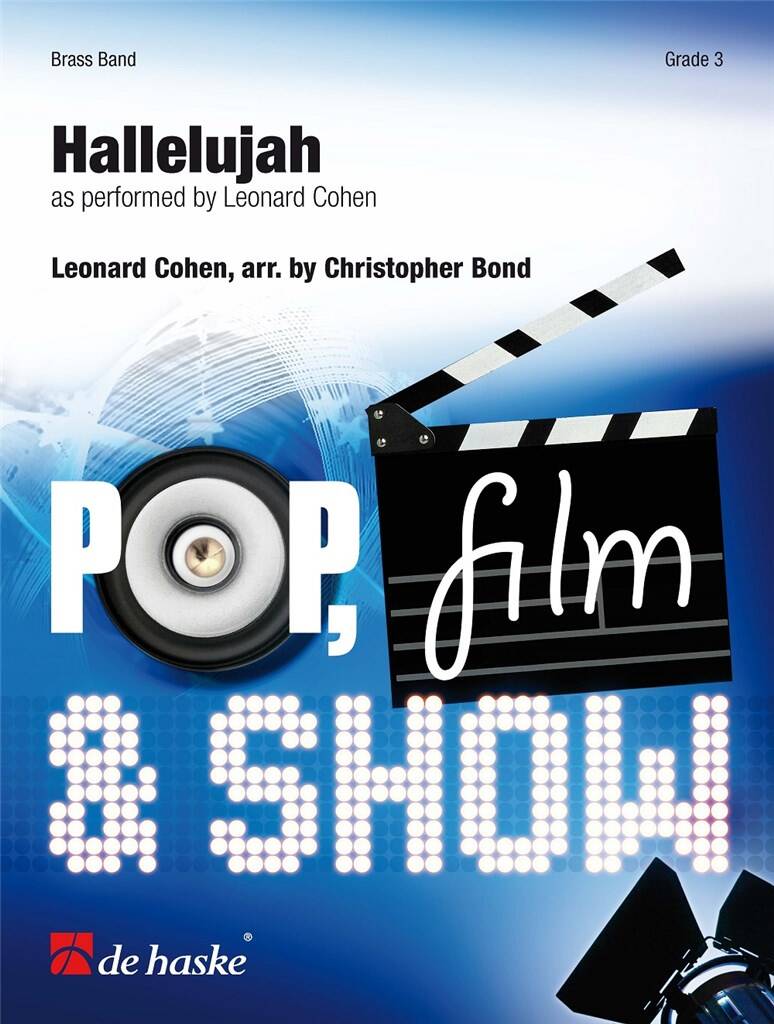
Hallelujah - Christopher Bond
The songs of Leonard Cohen are difficult to categorize. His songs are sometimes more like poems to music. 'Hallelujah' is probably the most widely known Cohen composition and has been covered many times, most notably by Jeff Buckley. This is a beautiful addition to the brass band repertoire and is suitable for young bands working on phrasing, intonation and musicality.
Estimated dispatch 5-14 working days
-
 £104.99
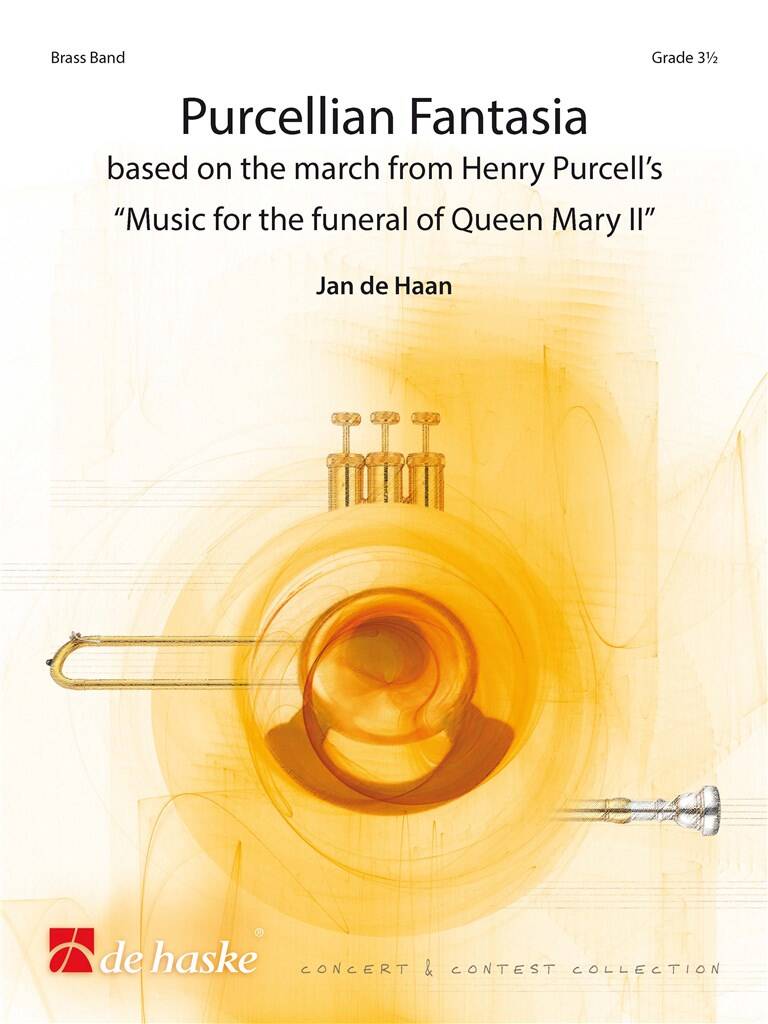
Purcellian Fantasia - Jan de Haan
This composition is based on the march from Henry Purcell's Music for the funeral of Queen Mary II, a work written in 1694. In this fantasia, various movements flow from one to the next following the main theme; these movements not onlyelaborate on the theme, but also contrast with it. At times, the thematic material diverges so much, that the work acquires a character of its own; however, the composer often refers back to fragments of the theme. This work was test piece in the 4thdivision of the Dutch National Brass Band Championships (NBK) in 2017.
Estimated dispatch 5-14 working days
-
 £115.60
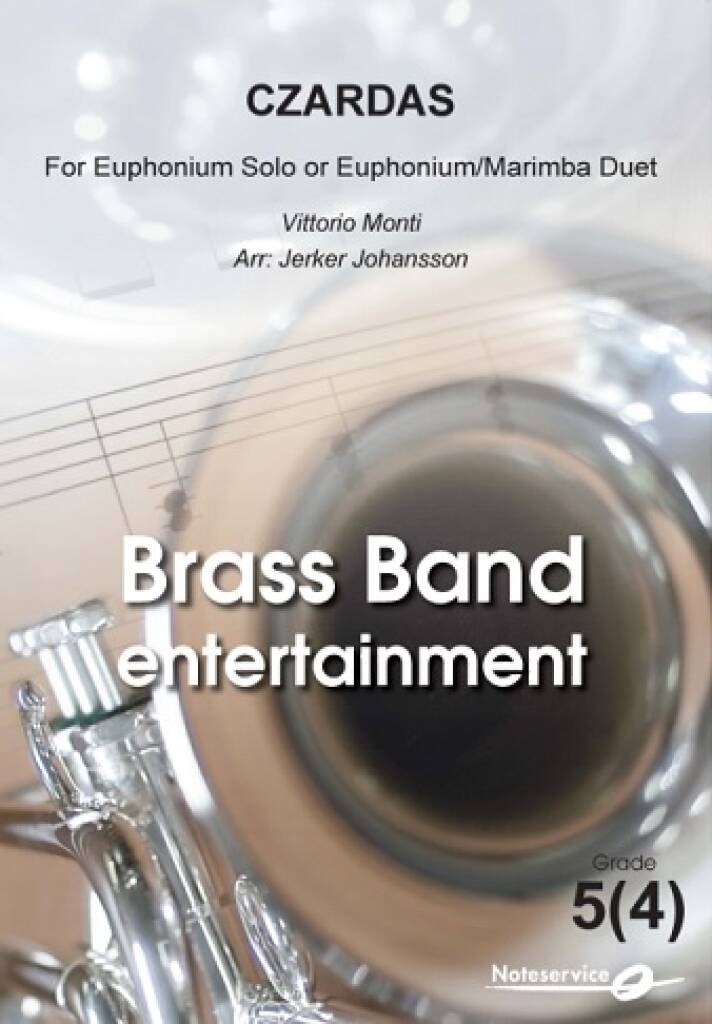
Czardas - Vittorio Monti - Jerker Johansson
There are composers that have gone done in history by just a single composition. One of those is the Italian violinist and composer Vittorio Monti (1868-1922). Around 1904 he wrote "Czardas", which soon became a favourite among violinists inrestaurant and gipsy orchestras. Monti was also conductor of the Lamoureux Orchestra in Paris and wrote music for ballets and operettas.Csardas is originally a Hungarian folk dance with a slow part (lassu) and a fast part (friska). The virtuoso solo in this arrangement for brass band is written for euphonium and marimba.
Estimated dispatch 5-14 working days
-
 £74.99
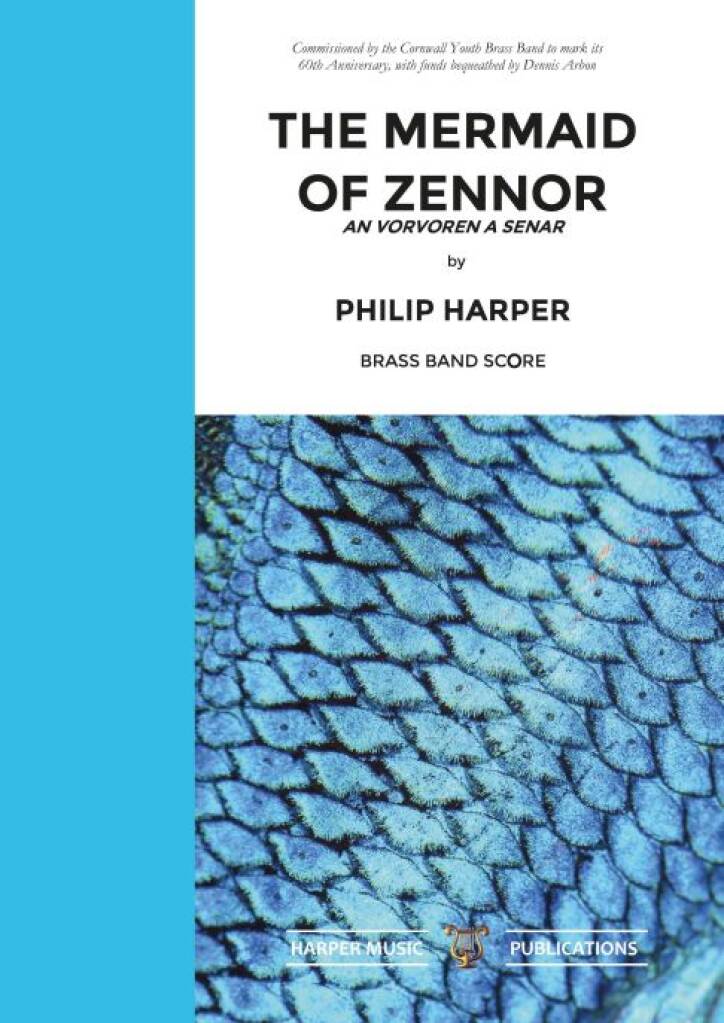
The Mermaid of Zennor - Philip Harper
Commissioned by the Cornwall Youth Brass Band to mark its 60th Anniversary, with funds bequethed by Dennis Arbon This piece is inspired by an old Cornish folk-tale set in the village of Zennor on the coast of Cornwall, the most South-Westerly countyof England.The music is in three sections:l. The Sea and Seafaringll. At the Churchill. Return to the Waves
Estimated dispatch 5-14 working days
-
 £72.99
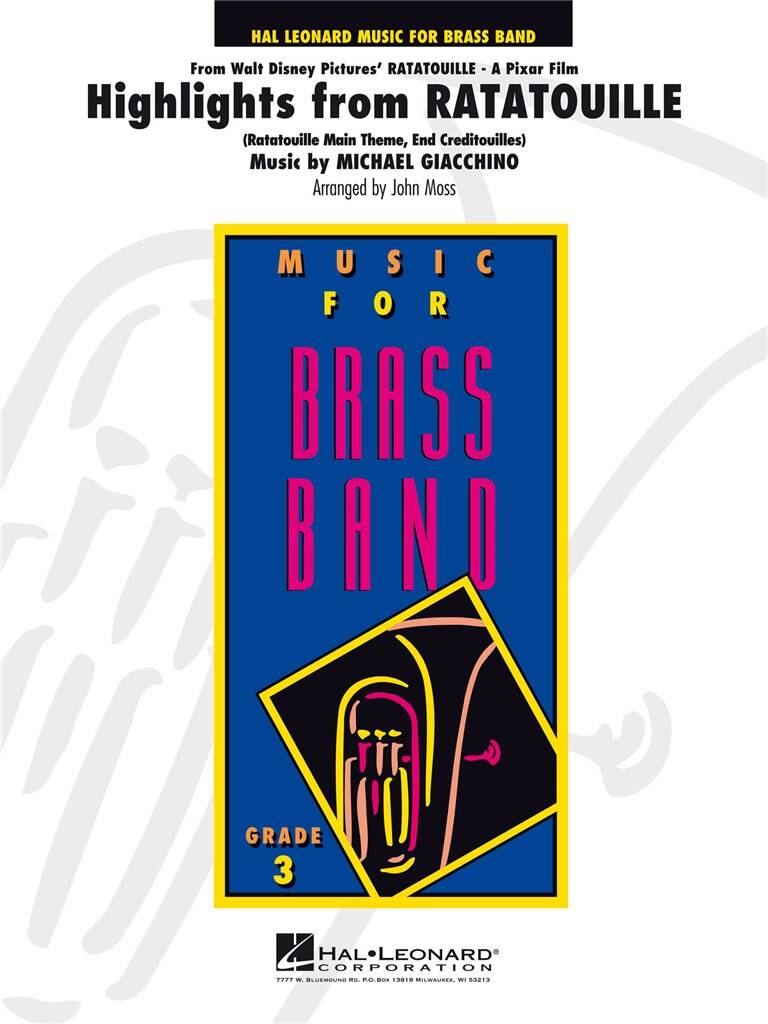
Highlights From Ratatouille - Michael Giacchino - John Moss
Here's the blockbuster animated movie from the geniuses at Disney and Pixar. With music by Michael Giacchino (The Incredibles), this entertaining and action-packed medley for brass band is sure to be an audience favorite!
Estimated dispatch 5-14 working days
 View Music