
Results
-
 £24.95
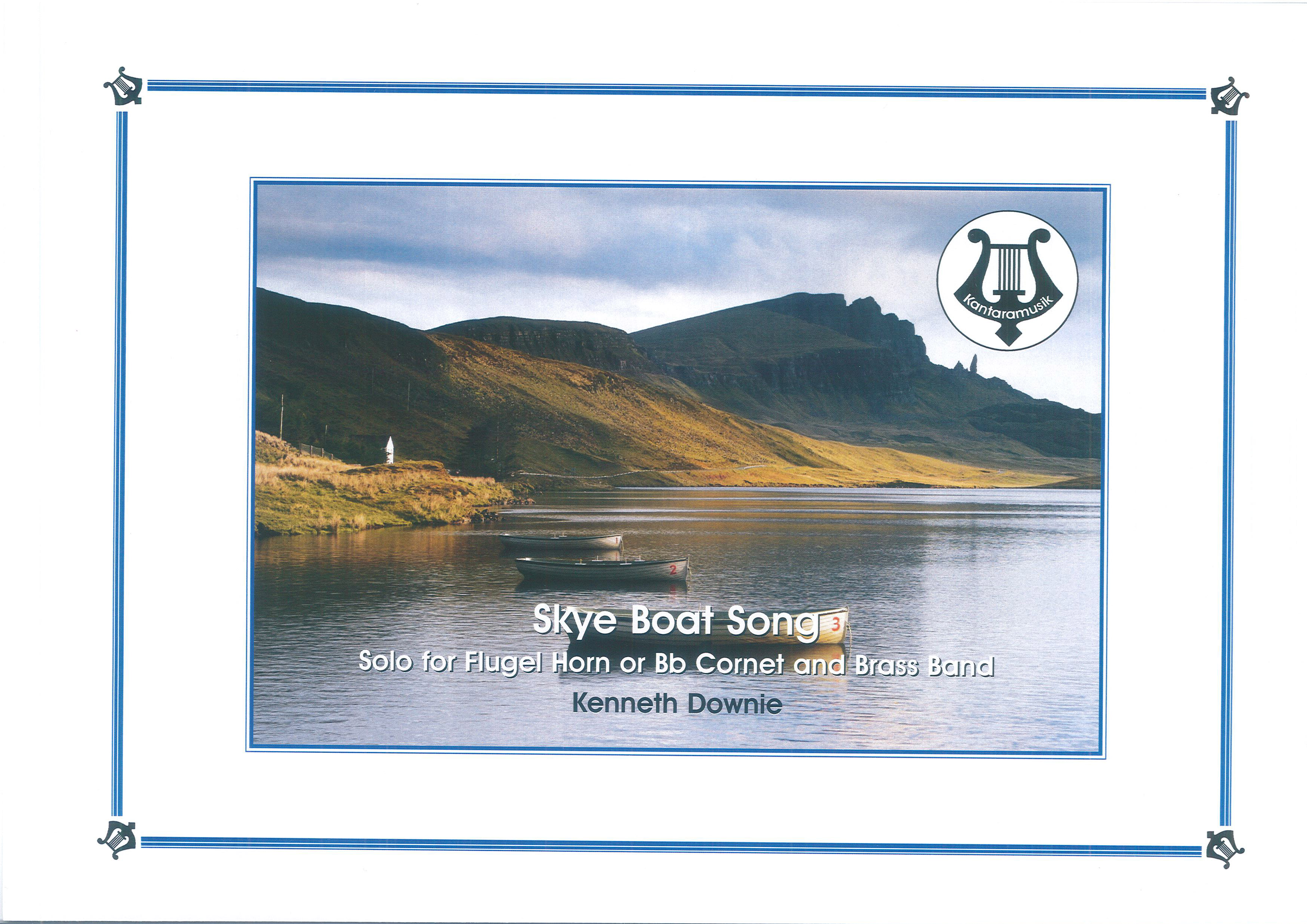
Skye Boat Song (Flugel Horn Solo with Brass Band - Score and Parts)
This wistful Scottish folk song tells the story of the escape of Bonnie Prince Charlie from Uist to Skye after the battle of Culloden in 1746. His defeat effectively ended the Jacobite movement as a political threat in Britain. The gentle tune has great charm and is often used as a lullaby.
Estimated dispatch 7-14 working days
-
 £34.95
Impact (Brass Band - Score and Parts)
Written for the re-opening of the Salvation Army building at Romford, this sparkling festival march features the tune, 'Ring the bell, watchman' to which the words, 'Come, join our army, to battle we go' are associated.
Estimated dispatch 7-14 working days
-
 £14.95
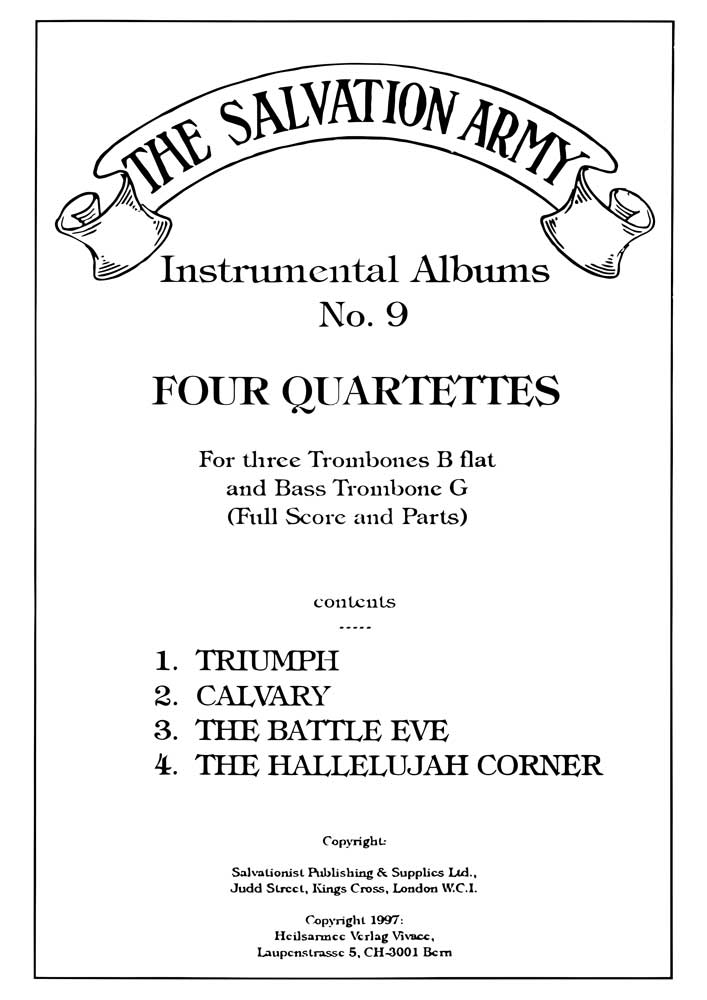
Instrumental Album No.9 - Four Quartettes
Includes: Triumph; Calvary; The Battle Eve; The Hallelujah CornerInstrumentation: 3 Trombones (TC) & Bass Trombone (BC)
Estimated dispatch 7-14 working days
-
 £94.95
The Battle Symphony
Estimated dispatch 7-14 working days
-
 £59.70
The Yiddish Snail (Bb & Eb Bass Duet with Brass Band - Score and Parts) - Ratnik, Peter
Two mighty warrior elephant snails stand at the ready to do battle, both seasoned campaigners in the art of snail war, both dreaming about their own speed and grander in art of battle. The battle begins at a snail's pace, with both mighty warriors slivering towards each other, neither is paying attention of where they are sliding, only caring for their snail statues. They slide into each other and bop heads, both are knocked out! Dreaming commences with both warrior snails believing that they are fast and the Queen of Sheba's champion. They battle in a comical fashion with banter between them more so than actual fighting, still convinced that they are great warriors. They suddenly wake from their bump induced knockout and slow back down to a snail's pace. These two Yiddish Snails, alas are just slow old Yiddish Snails - never the great warriors they dreamed of.
Estimated dispatch 7-14 working days
-
 £76.99
The Spider's Web (Brass Band - Score and Parts) - Sheppard, Mike
The Spider's Web is a metaphor for danger, uncertainty and risk. Throughout the piece moments of danger contrast with moments of tranquility - at certain points these two ideas merge and in others they battle against one another. In this piece which requires a lot of technical skills for the players, the composer moves unexpectedly from moments of peacefulness to situations of threat and danger. An impressive, versatile and truly spectacular piece! Duration: 5.00
Estimated dispatch 7-14 working days
-
 £34.95
Battle Ready (Brass Band - Score and Parts) - Trigg, Roger
Originally written for Enfield Citadel Band, this concert 'opener' features the majestic tune of 'St. John'.
Estimated dispatch 7-14 working days
-
£17.50
Battle Ready (Brass Band - Score only) - Trigg, Roger
Originally written for Enfield Citadel Band, this concert 'opener' features the majestic tune of 'St. John'.
Estimated dispatch 7-14 working days
-
 £54.99
Images for Brass - Stephen Bulla
Stephen Bullas highly descriptive work was written to commemorate the 50th anniversary of the Battle of Iwo Jima, which took place between the 19th February and 26th March 1945.Casualties on both the American and Japanese sides were horrendously high before the famous image of the raising of the flag on top of Mount Suribachi signalled the end of one of the most significant and terrifying Pacific conflicts of the SecondWorld War.The work received its first performance by the brass choir of the U.S. Marine Band at the National Cathedral in Washington D.C. and is divided into four programmatic sections.The first portrays the sense of anticipation before conflict (Prologue), before the arduous journey to the scene of the battle (Approach by Sea) is followed by introspection and prayer featuring the hymn tune Melita (Chorale Prayer), andfinally, the hostile confrontation itself (Engagement).There are frequent references to the Marines Hymn and the US National Anthem, particularly in the closing bars, depicting the ultimate raising of the American flag.
Estimated dispatch 5-14 working days
-
 £119.99
Thyellene - Kevin Houben
Thyellene depicts of a battle that took place on the 'Tielenheide' - a stretch of moorland near the Belgian village of Tielen in 1597. In that memorable battle Prince Maurice of Nassau, commander of the Dutch army, defeated Count Varax, a general of the Spanish army - with a considerably smaller troop than the enemy. This great heroic subject has been transformed into this equally great work for brass band, which won the third prize at the 2009 European Composers Competition.
Estimated dispatch 5-14 working days
 View Music