
Results
-
 £199.95
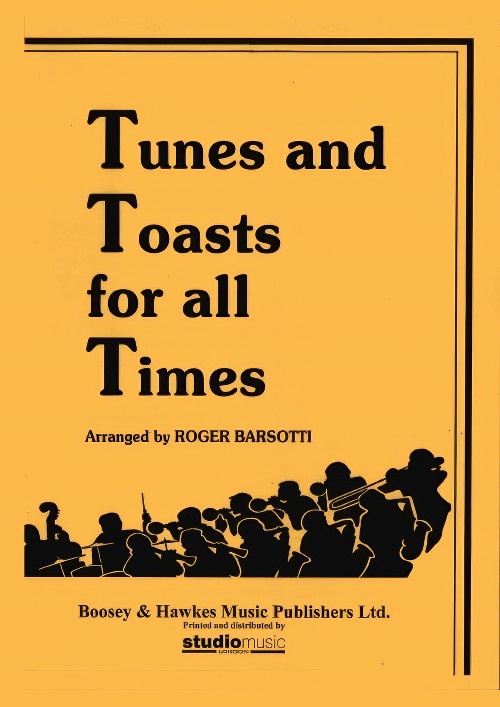
Tunes and Toasts for all Times (Brass Band Value Set) - Barsotti, Roger
Brass Band set includes:Eb Soprano Cornet x1Solo Bb Cornet x4Repiano Bb Cornet x12nd Bb Cornet x23rd Bb cornet x2Bb Flugel Horn x1Solo Eb Horn x11st Eb Horn x12nd Eb Horn x11st Bb Baritone x12nd Bb Baritone x11st Bb Trombone (TC) x12nd Bb Trombone (TC) x1Bass Trombone x1Bb Euphonium (TC) x2Eb Bass x2Bb Bass x2The Piano Conductor Score and Drums are available separately.Titles:ENGLISH AIRSA fine old English GentlemanA-hunting we will goBritish GrenadiersCherry ripeClementineCome, lassies and ladsDrink to me onlyDulce DomumDrunken sailor (The)For he's a jolly good fellowFarmer's boy (The)Floral DanceFrothblowers' AnthemGirl I left behind me (The)Here's a health to all good ladiesHere's a health unto her MajestyHere's to the maidenJohn PeelKeel row (The)Love's old sweet songMarch of the Fire BrigadesMistletoe bough (The)On Ilkla MoorPrincess Royal's Red Cross marchRoast beef of old EnglandSir Roger de CoverleySee the conquering hero comesSoldiers of the QueenThere is a tavern in the townNAUTICALHeart of oakHornpipeLife on the ocean waveShenandoahRed, white and blue (The)Rule, BritanniaSCOTTISH AIRSAnnie LaurieAuld lang syneBonnie banks of LochBonnie DundeeBlue-bells of ScotlandCampbells are coming (The)Charlie is my darlingFlowers of the forestHundred pipers (The)Highland LaddieRobin AdairScotch ReelScots wha haeWill ye no come back againYe banks and braesIRISH AIRSCome back to ErinDanny boy (Londonderry air)Harp that once through Tara's hallIrish Washerwoman (The)KillarneyMinstrel boy (The)Oft in the stilly nightOff to PhiladelphiaSt. Patrick's DayWELSH AIRSAll through the nightAsh grove (The)Bells of AberdoveyDavid of the white rockLand of my fathersMen of HarlechAMERICAN AIRSCarry me back to old VirginnyDixieGood-night (shine, shine, moon)John Brown's bodyMarching thro' GeorgiaOld folks at home (The)Star Spangled BannerTramp, tramp, tramp, the boys are marchingWhen Johnny comes marching homeYankee doodleCANADA AlouetteMaple leaf (The)O CanadaAUSTRALIAWaltzing MatildaSACRED AIRS & CAROLS Abide with meEternal Father strong to saveO God our help in ages pastFirst Nowell (The)Good King WenceslasO come all ya faithfulWhile shepherds watchedJerusalemSupreme sacrifice (The)Dead march in SaulPARADES (All organisations)General saluteSlow march or troop "Scipio"Troop "May-blossom"FANFARES, etcDeclamatory No. 1Occasoinal Fanfare No. 2"Reveille""Retrear""Last Post"Galop from "Orpheus in the Underworld"God save the Queen (in B flat)God save the Queen (in F)
Estimated dispatch 7-14 working days
-
 £44.95
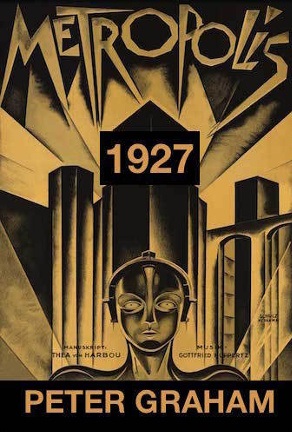
Metropolis 1927 (Brass Band - Score only) - Graham, Peter
Fritz Lang's 1927 science fiction epic Metropolis is considered to be a masterpiece of cinematic vision and a high point of German Expressionist filmmaking. Set in a future dystopian world the film introduces the viewer to two contrasting communities living in the vast city of Metropolis. Those above ground live a life of privilege and pleasure serviced by the underground-dwelling drone workers whose role is to maintain and operate the banks of machines which provide the city's power.Lang's film, which can be considered a type of 20th century morality play, draws upon a range of themes and influences from Marxist ideals and social satire to overt religious symbolism.The music does not attempt to precis the plot, such as it is, but simply reflects my musical responses to Lang's noirish visual style and set designs - the brooding machine rooms, the decadent nightclubs, the gothic cathedral and so on - paradoxically a world of terrifying beauty.Metropolis 1927 was commissioned by Bramwell Tovey and The National Youth Brass Band of Great Britain with funds provided by The Arts Council of England. The first performances took place in the Winter Gardens, Weston-super-Mare on Saturday 19th April and in the Cheltenham Town Hall on Sunday 20th April 2014.This revised version was premiered by The Black Dyke Band, conductor Nicholas Childs, at the 38th European Brass Band Championships in the Konzerthaus Freiburg, Germany, on Saturday 2 May 2015.- Peter GrahamDuration: 15.00
Estimated dispatch 7-14 working days
-
£124.95
Metropolis 1927 (Brass Band Set - Score and Parts) - Graham, Peter
Fritz Lang's 1927 science fiction epic Metropolis is considered to be a masterpiece of cinematic vision and a high point of German Expressionist filmmaking. Set in a future dystopian world the film introduces the viewer to two contrasting communities living in the vast city of Metropolis. Those above ground live a life of privilege and pleasure serviced by the underground-dwelling drone workers whose role is to maintain and operate the banks of machines which provide the city's power.Lang's film, which can be considered a type of 20th century morality play, draws upon a range of themes and influences from Marxist ideals and social satire to overt religious symbolism.The music does not attempt to precis the plot, such as it is, but simply reflects my musical responses to Lang's noirish visual style and set designs - the brooding machine rooms, the decadent nightclubs, the gothic cathedral and so on - paradoxically a world of terrifying beauty.Metropolis 1927 was commissioned by Bramwell Tovey and The National Youth Brass Band of Great Britain with funds provided by The Arts Council of England. The first performances took place in the Winter Gardens, Weston-super-Mare on Saturday 19th April and in the Cheltenham Town Hall on Sunday 20th April 2014.This revised version was premiered by The Black Dyke Band, conductor Nicholas Childs, at the 38th European Brass Band Championships in the Konzerthaus Freiburg, Germany, on Saturday 2 May 2015.- Peter GrahamDuration: 15.00
Estimated dispatch 7-14 working days
-
 £54.99
Hymnus Antverpiae (Brass Band - Score and Parts) - Van der Roost, Jan
This hymn was commissioned by "Antwerpen 93". And this city, on the banks of the river Schelde has been nominated "Cultural Capital of Europe" for 1993. The work-group "animatie" took the initiative and commissioned a hymn, which -as the finale to a grand open-air event on 27th March- was premired by hundreds of musicians from all over Europe. Philippe Langlet (France) was the conductor at this majestic occasion. Musically speaking the piece can no doubt be labelled easy. Indeed it is meant to represent a hymn, playable by all in different instrumental combinations. Consequently a variable instrumentation was chosen and a type of music, which by native is easily accessible and uncomplicated. The conductor is free -in the instrumentation- to score this piece according to his own taste. It is perhaps advisable to use the sharp brass in the forte parts, in order to make the range in the sound of the orchestra as colourful as possible. The percussion parts are not absolutely essential, so that the hymn can also be performed without percussion.Duration: 4:00
Estimated dispatch 7-14 working days
-
 £59.99
Prelude on an Irish Folk Tune (Brass Band - Score and Parts) - Sparke, Philip
The Irish folk tune, which appears towards the end of the piece, is Slane, a hymn tune version of the much older folk melody The Banks of the Bann. In Prelude on an Irish Folk Tune, fragments of the folk tune hint at what is to come later in the piece, but another folk-like tune is predominant. This later acts as a descant to Slane when it finally appears. Add a little Sparke sparkle to any concert with this lovely interlude.Duration: 4:00
Estimated dispatch 7-14 working days
-
 £14.95
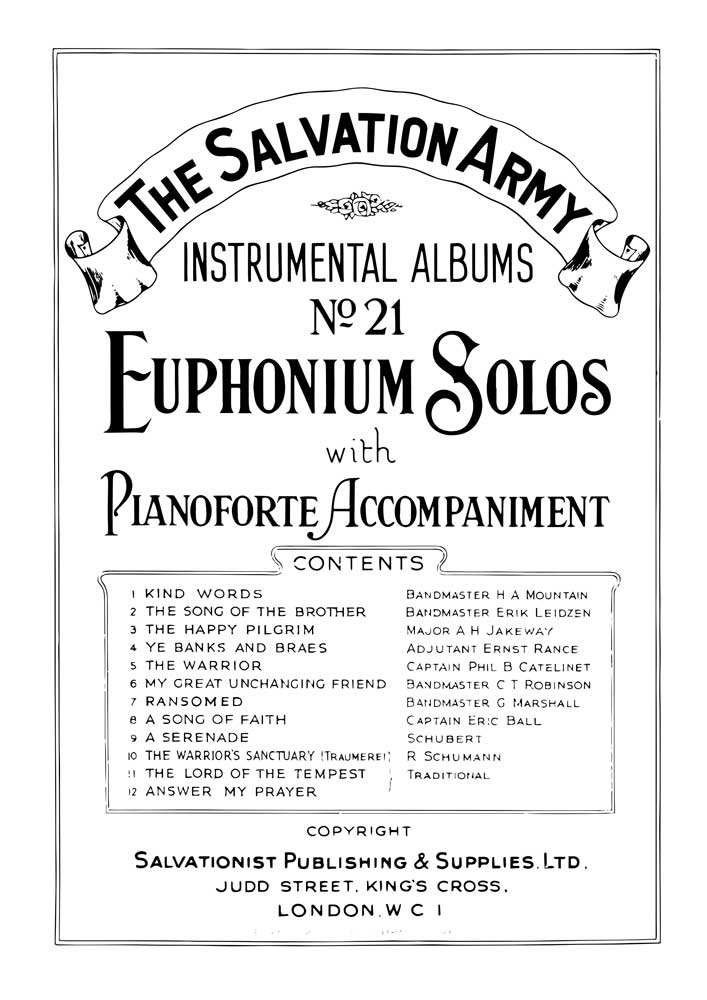
Instrumental Album No.21 - Euphonium Solos
Includes: Kind Words; The Song of the brother; The happy pilgrim; Ye banks and braes; The Warrior; My great unchanging friend; Ransomed; A Song of Faith; A Serenade; The Warrior's Sanctuary; The Lord of the tempest; Answer my prayerInstrumentation: Euphonium with Piano Accompaniment
Estimated dispatch 7-14 working days
 View Music