
Results
-
 £79.99
Seal of Unity - Thierry Deleruyelle
Through a musical fresco, Seal of Unity tells the story of the Grutli Oath, an emblematic Swiss historical event dating back to the 13th century. The work begins in a mysterious fashion with the presentation of the main motif, representing the 3 primitive cantons. The piece then reveals all the colours of the brass band, with each of the instruments appearing in turn. After a slow chorale, the fast tempo returns before a dynamic and explosive coda.< BR>< BR>This work was commissioned by the Swiss Brass Band Association to celebrate the 50th anniversary of the Swiss Brass Band Championships, in 2025.
Estimated dispatch 5-14 working days
-
 £84.99
Snow Island - Thierry Deleruyelle
The Swiss canton of Valais is home to a number of wind and brass bands that regularly stand on the podium in Swiss and European competitions. For the general public, the Valais is above all a unique place, between the Rhone Glacier and Lake Geneva, where life is pleasant. The brass players of the five music associations of the villages of Crans-Montana - an internationally renowned "snow island" - were awarded the organisation of the 224 cantonal festival, for which this work was commissioned.
Estimated dispatch 5-14 working days
-
 £44.00
Fairfield Fanfare (expanded version) - Roxanna Panufnik
Fairfield Fanfare (expanded version) by Roxanna Panufnik is a 4-minute work for youth and mixed choirs, brass band and orchestra. Originally commissioned to celebrate the 50th anniversary of the Fairfield Halls, Croydon in 2012, the opening chords are based on all the alphabetic note names from FA-ir-F(#)-i-E-l-D, heralding a flourishing section of hustle and bustle that is the city of Croydon today.This expanded version includes brass band and choirs, with a setting of the text from Psalm 127. The expanded version was commissioned by the London Mozart Players, who premiered the piece on 30 June 2016 at Fairfield Halls, Croydon.This edition is the full score in C (EP 72880). It is available for sale as part of the Peters Contemporary Library. The performance material can be hired as well as a transposed full score, if preferred.
Estimated dispatch 5-14 working days
-
 £89.99
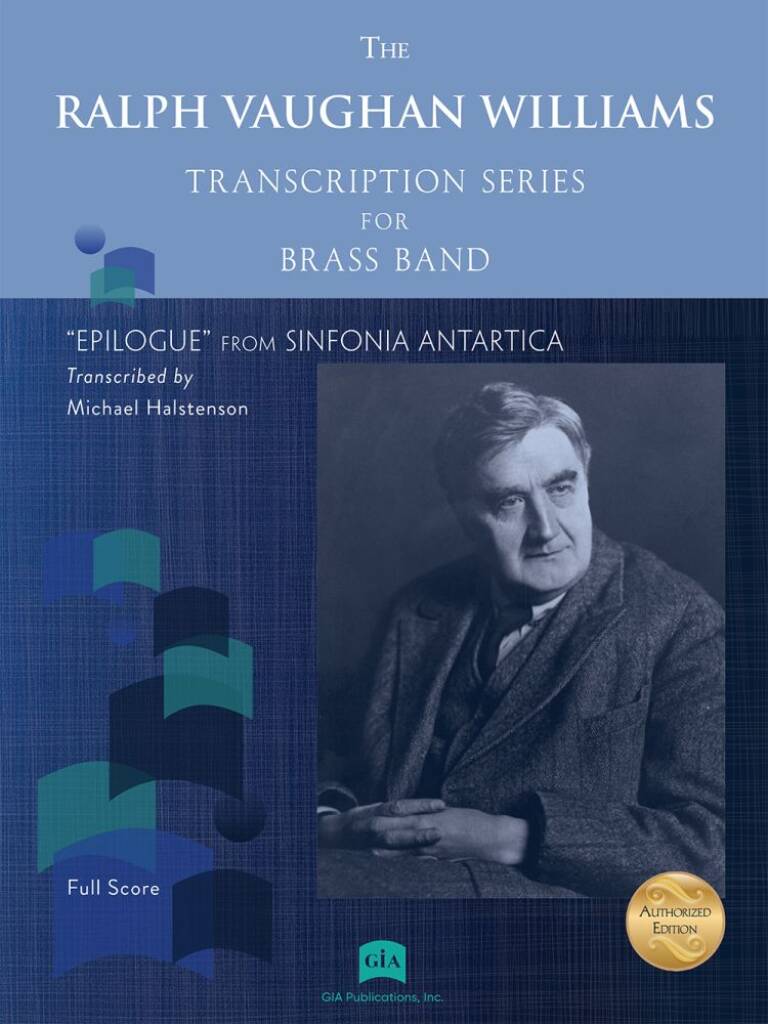
Epilogue from Sinfonia Antartica - Ralph Vaughan Williams - Michael Halstenson
In partnership with Oxford University Press and authorized by the Vaughan Williams Charitable Trust, this major new initiative brings the incredible catalog of Ralph Vaughan Williams to the wind band community, with scholarly transcriptions by leaders in wind band composition. As the name suggests, all titles in the Brass Band Series are scored for brass ensemble and may also include perucssion parts.To view other titles in the series, visit www.giamusic.com/RVW.
Estimated dispatch 5-14 working days
-
 £79.99
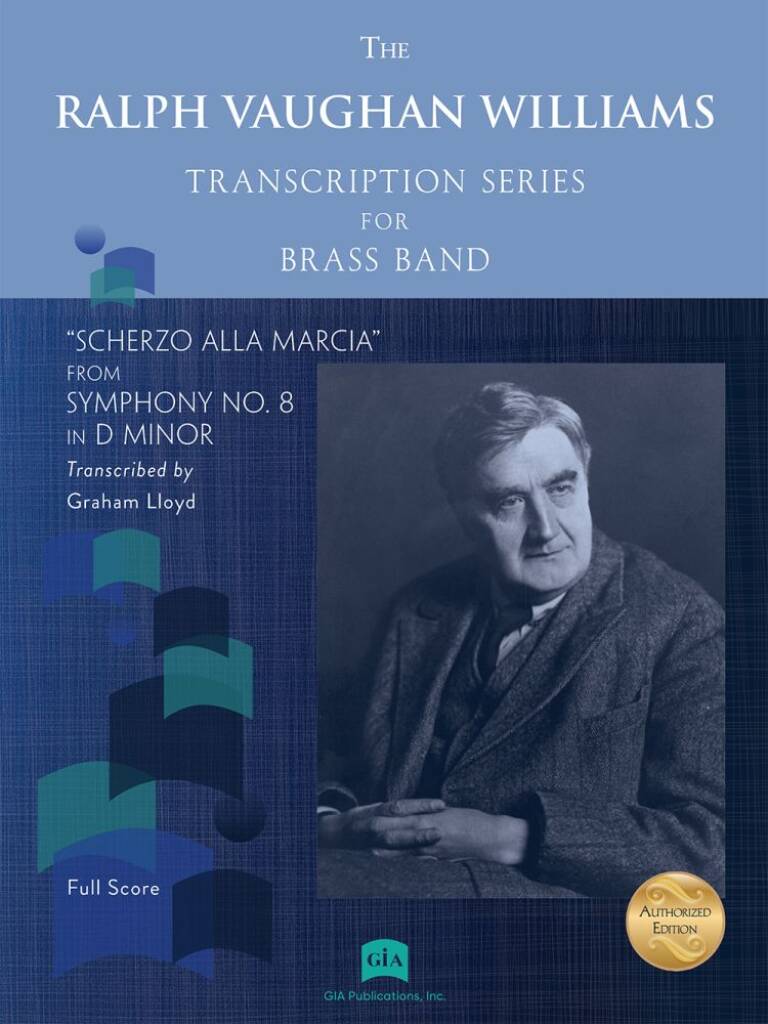
Scherzo alla Marcia - Ralph Vaughan Williams - Graham Lloyd
In partnership with Oxford University Press and authorized by the Vaughan Williams Charitable Trust, this major new initiative brings the incredible catalog of Ralph Vaughan Williams to the wind band community, with scholarly transcriptions by leaders in wind band composition. As the name suggests, all titles in the Brass Band Series are scored for brass ensemble and may also include perucssion parts. This work is Grade 5.To view other titles in the series, visit www.giamusic.com/RVW.
Estimated dispatch 5-14 working days
-
 £76.99
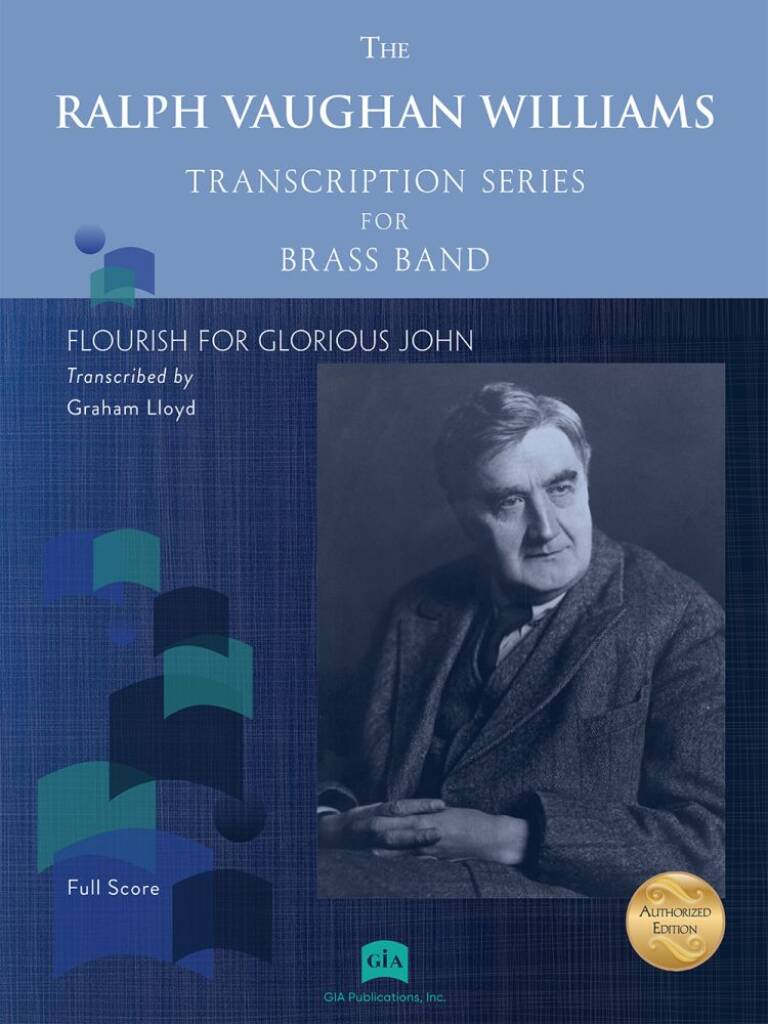
Flourish for Glorious John - Ralph Vaughan Williams - Graham Lloyd
In partnership with Oxford University Press and authorized by the Vaughan Williams Charitable Trust, this major new initiative brings the incredible catalog of Ralph Vaughan Williams to the wind band community, with scholarly transcriptions by leaders in wind band composition. As the name suggests, all titles in the Brass Band Series are scored for brass ensemble and may also include perucssion parts. This work is Grade 4.5.To view other titles in the series, visit www.giamusic.com/RVW.
Estimated dispatch 5-14 working days
-
 £127.30
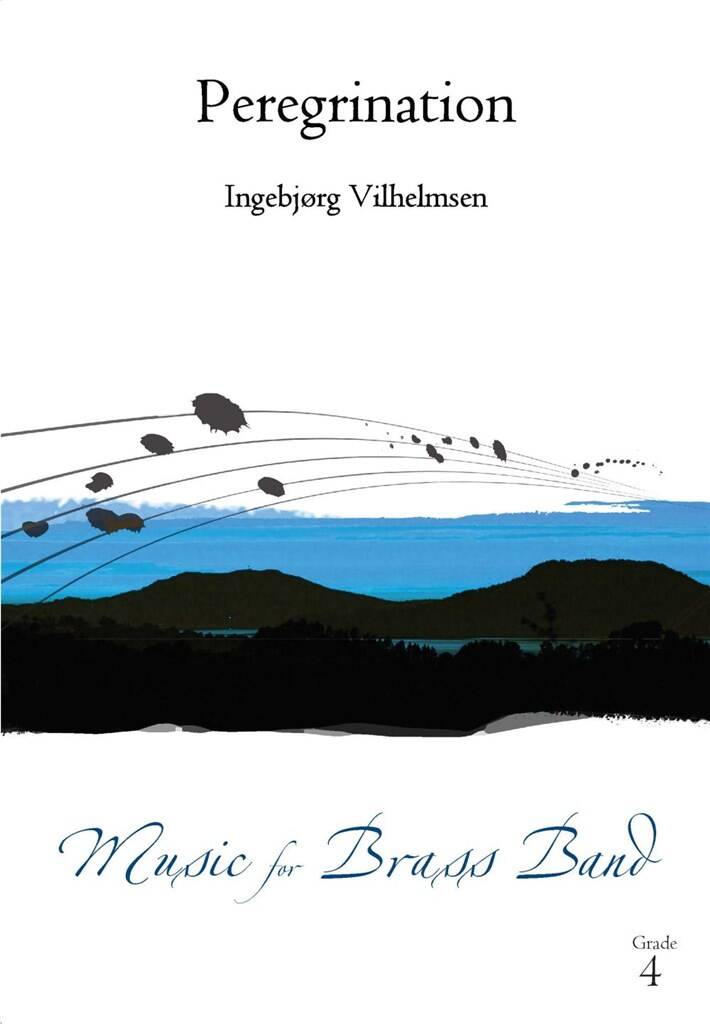
Peregrination - Ingebjørg Vilhelmsen
Peregrination is about embarking on a long journey by foot, and all the impressions and experiences this journey entails. A source of inspiration has been the character Frodo Baggins from The Lord of the Rings trilogy by J.R.R. Tolkien in which Frodo embarks for the long journey to Mount Doom. The work was commissioned by Oslofjord Brass for the Siddis Brass contest in 2017.
Estimated dispatch 5-14 working days
-
 £154.99
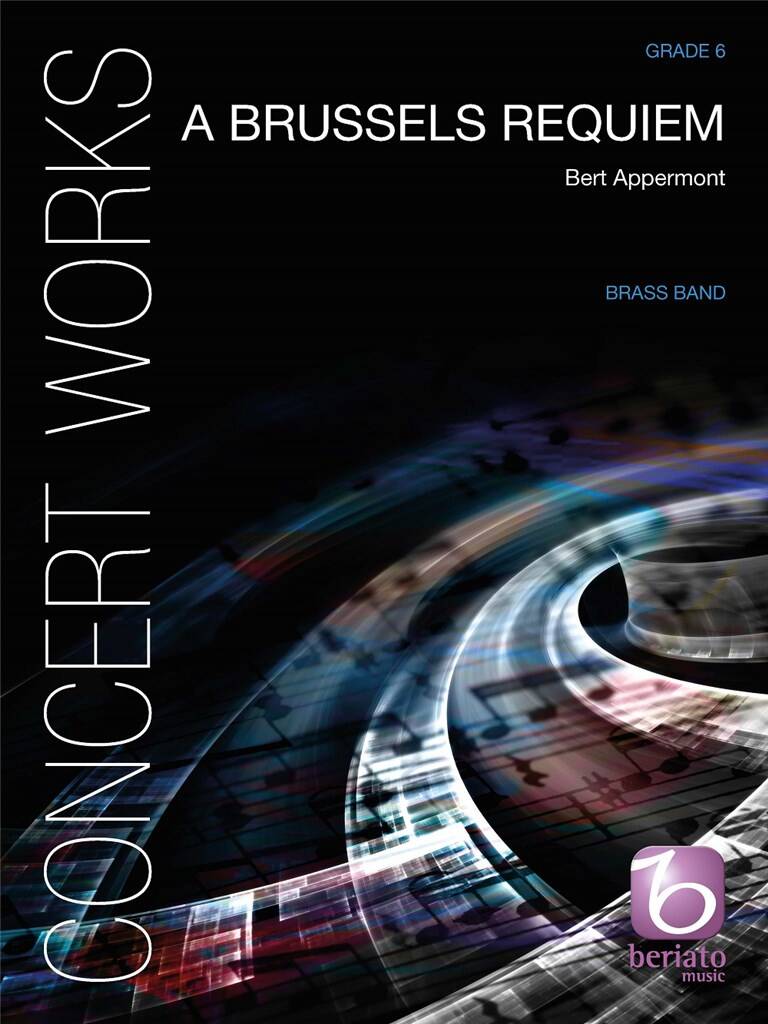
A Brussels Requiem - Bert Appermont
The attacks in Brussels on 22 March 2016 created a shockwave throughout Belgium and the rest of the world. Equally, the attacks in Paris and Nice led to great public indignation, fear and disbelief.What has happened to the western world? Have our cultures grown apart to such an extent that we do not understand each other anymore? Bert Appermont's intention was to voice certain emotions that these acts of terror have caused: particularly fear, grief, anger, and helplessness. He uses the French children's song Au Claire de la Lune as a connecting thread throughout the work.This piece is also about hope and faith in another world, andis meant to pay homage to all victims, resulting in a dignified remembrance. The musical development is presented in four through-composed parts, titled Innocence, In Cold Blood, In Memoriam - We Shall Rise Again and A New Day.This work was commissioned by the Brassband Obersterreich (Brass Band Upper Austria) to be played at the European Brass Band Championships 2017.
Estimated dispatch 5-14 working days
-
 £127.30
Root Beer Rag - Billy Joel - Svein H. Giske
Root Beer Rag was written for the 1974 album release Streetlife Serenade by American pianist/vocalist/composer Billy Joel. After the success his own recording, several other pianists have performed it both on record and stage. There's also many arrangements of the song made, some of them featuring soloist(s). This arrangement for Brass Band by Svein H. Giske was written to Askoy Brass Band for their participation in the entertainment-competition Siddis Brass in 2016. It's very virtuosic and challenge almost all sections of the band.
Estimated dispatch 5-14 working days
-
 £69.99
South Down Pictures - Philip Sparke
South Down Pictures was commissioned by Millenium Brass 2000, an organisation comprising three brass bands from the county of Sussex, England.The bands (Patcham Silver, Hangleton and Brighton Silver) had got together to organise many events to mark the new millennium and these culminated in a concert in Hove Town Hall on July 9th 2000 when all three bands combined to give the first performance of South Down Pictures. The composer spent much of his childhood amongst the South Downs, a range of hills in Sussex which runs parallel to the sea.Opening with a strong unison passage, interrupted briefly by faster figures based on the interval of a fifth, South Down Picturesdevelops with an often-passionate legato melody. Reaching a climax, this is then followed by the main vivo section of the work, whose main theme is based on the earlier 'fifth' figures. A bridge passage leads to a short chorale figure and a rhythmic climax which dissolves into a plaintive cornet solo over staccato chords. This theme is taken up by the whole band and leads back to a recapitulation of the main theme and earlier material. The cornet tune returns triumphantly in the major key before the opening unison passage reappears to provide a stirring coda.
Estimated dispatch 5-14 working days
 View Music