
Results
-
 £76.00
Concerto for Euphonium (Parts only) - Philip Wilby
Completed on New Year's Eve 1995, Philip Wilby's concerto has already established itself as one of, if not the, greatest concerto for the instrument written so far. Its extended length seeks to explore that fine combination of sustained lyricism and explosive virtuosity which typifies the modern euphonium in the most expert hands. There are two parts which divide into four movements. Part One opens with a sonata structure movement which alternates between a melodic style and some rapid passage work. The intention of the music is a firm and cerebral development of the opening fourth-based motifs. At the tranquil conclusion of this music the second movement bursts in - Zeibekikos - a rapid and extrovert Greek Island dance complete with plate smashing! Part Two re-examines some of the opening material surrounded by cadenzas, and centred upon a short and sustained adagio. The final movement opens with a rapid fugal section which moves inexorably towards a climactic return of the music and tonality of the open
Estimated dispatch 7-9 working days
-
 £29.95
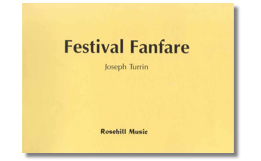
Festival Fanfare - Joseph Turrin
A short, rhythmically exciting fanfare. This version features the brass band cornet section and percussion, allowing the rest of the band a brief rest!
Estimated dispatch 7-9 working days
-
 £39.95
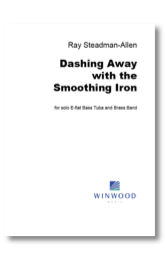
Dashing away with the smoothing iron - Ray Steadman-Allen
The composer writes... A lighthearted arrangement of an old folk song. The style is generally bright with a short, slower change of pace in the middle. En route there are a couple of quotations which got into the music almost unbidden: a fragment of one of Mozart's horn concerti and 'A-hunting we will go'. '... a splendid concert piece for advanced tuba players.' WINDS Autumn 2008 Duration: c.3:00 Also available with piano or concert band.
Estimated dispatch 7-9 working days
-
 £39.95
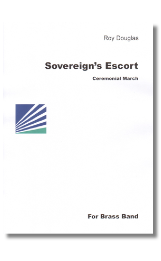
Sovereign's Escort (Score and Parts) - Roy Douglas
Roy Douglas was not only assistant to Ralph Vaughan Williams, Noel Coward, and a host of others, but a composer in his own right. This short ceremonial march for brass band bears all the hallmarks of the best of the English composers. Duration: 3:45
Estimated dispatch 7-9 working days
-
 £39.95
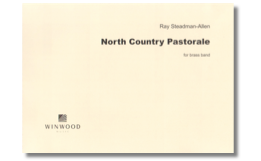
North Country Pastorale (Score and Parts)
You can almost smell the great outdoors on a sultry summer afternoon in this short idyll. Ideal for banstand or concert hall. Duration: 3:00
Estimated dispatch 7-9 working days
-
 £44.95
Two Ceremonial Fanfares (Score and Parts) - James Curnow
Two short fanfares for brass band by the well-known American composer James Curnow.
Estimated dispatch 7-9 working days
-
 £42.00
The Journeymen (Score only) - Ray Steadman-Allen
Four Miniatures for Brass Band by one of the most successful composers for the medium. The four movements are preceded by a short fanfare-like introduction. Then come Wayfarer - light and playfully delicate; Pilgrim - broad and flowing with a lively middle section; Sundowner - very relaxed with a gently easy rhythm; and Commuter - the busiest movement bustling along to a grandiozo finale. Duration: 11:00
Estimated dispatch 7-9 working days
-
 £52.00
The Journeymen (Parts only) - Ray Steadman-Allen
Four Miniatures for Brass Band by one of the most successful composers for the medium. The four movements are preceded by a short fanfare-like introduction. Then come Wayfarer - light and playfully delicate; Pilgrim - broad and flowing with a lively middle section; Sundowner - very relaxed with a gently easy rhythm; and Commuter - the busiest movement bustling along to a grandiozo finale. Duration: 11:00
Estimated dispatch 7-9 working days
-
 £42.00
Partita for Band (Postcards from Home) (Score only) - Philip Wilby
The sound and culture of brass bands was part of Philip Wilby's childhood, and this short Partita seeks to commemorate his childish memories in the musical terms of today's currency. Although the music makes technical demands on the players the piece is, nevertheless designed to involve rather than impress its audiences. There are four movements: 'Towers and Chimneys' which is both heraldic and mysterious; 'Churches: Lord of the Dance' is an arrangement of the famous shaker melody made popular in Martin Shaw's hymn of Jesus' life and history; 'Pastorale: Sunday Afternoon recalls those long and languorous days before television, and 'Coronation Day Parade' - a community celebration with a brass band at its centre. Duration: 12:00
Estimated dispatch 7-9 working days
-
 £52.00
Partita for Band (Postcards from Home) (Parts only) - Philip WIlby
The sound and culture of brass bands was part of Philip Wilby's childhood, and this short Partita seeks to commemorate his childish memories in the musical terms of today's currency. Although the music makes technical demands on the players the piece is, nevertheless designed to involve rather than impress its audiences. There are four movements: 'Towers and Chimneys' which is both heraldic and mysterious; 'Churches: Lord of the Dance' is an arrangement of the famous shaker melody made popular in Martin Shaw's hymn of Jesus' life and history; 'Pastorale: Sunday Afternoon recalls those long and langorous days before television, and 'Coronation Day Parade' - a community celebration with a brass band at its centre. Duration: 12:00
Estimated dispatch 7-9 working days