
Results
-
 £24.50
W.S.B. March - Gavin Somerset
After performing a number of arrangements by Gavin Somerset, the band commissioned him to compose for them, an original march that would serve as their signature tune for years to come. The march was composed in a light 6/8 time that would get passes by listening and audience's feet tapping along. Composed with a DC, this is optional and the finale of the march has a licence for a Grandioso and accelerando to give the work that flair for its finale. To download the Solo Cornet part, please CLICK HERE . To download the Solo Horn part, please CLICK HERE . To download the Solo Euphonium part, please CLICK HERE . To download the playback audio to play along to, please RIGHT CLICK HERE & Save As .
In Stock: Estimated dispatch 1-3 working days
-
£84.99
Creamy and Crispy - Marc Cunningham
This composition of Marc Cunningham has four parts, and takes place on a sunny day in a picturesque town. 1. Promenade Many people walk through the city. The band passes through the streets. People are strolling along the avenues and amorous couples are sitting on a park bench. 2. Lovey Dovey One of these couples is knee-deep in love. 3. Crispy and Creamy Here the contrasts between a crisp staccato section in two-four time signature and a smooth legato section in three-four time signature are depicted. Is Crispy the boy and Creamy the girl? 4. Farewell In the last particle the couple says goodbye. We still think back tothe walk through the city. It sounds a little less happy now. Not everyone is good at saying goodbye, sometimes a tear flows.
Estimated dispatch 5-14 working days
-
 £102.99
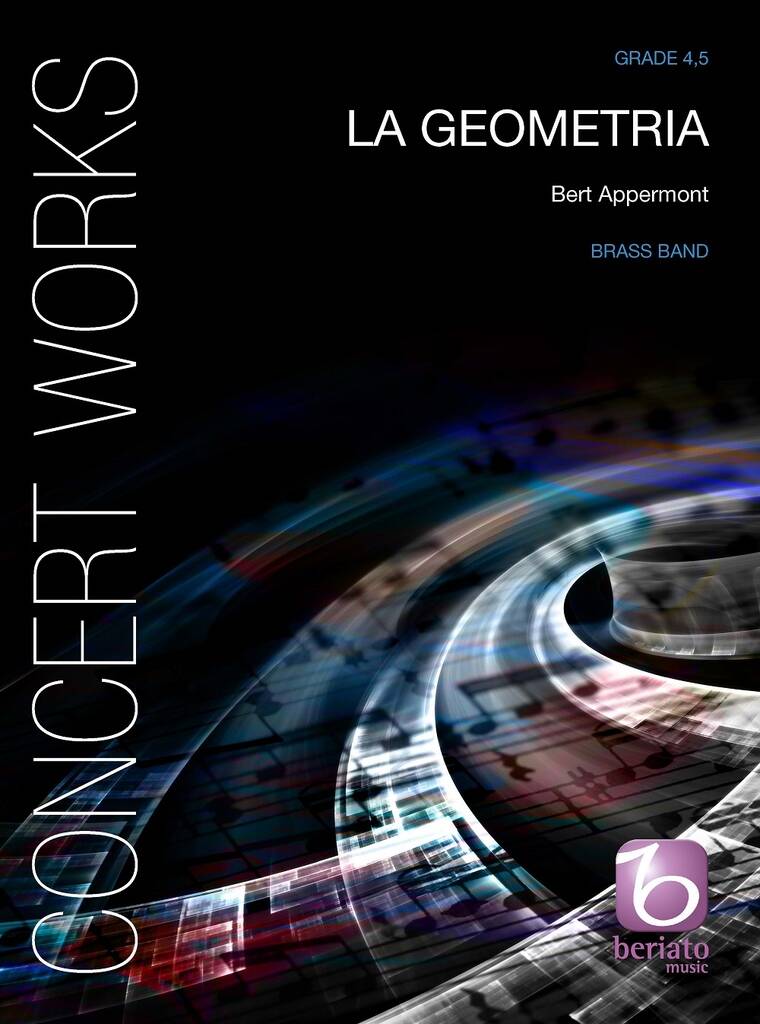
La Geometria - Bert Appermont
Geometric figures, with their corresponding symbolism and numbers, appeal to the imagination. In La Geometria, the square, the circle, and the triangle are musically explored. On the one hand, the atmosphere and character of each figure formed a source of inspiration; in addition, the matching number in each case influenced the melody, harmony, and time signature. An interesting starting point with an excellent result!
Estimated dispatch 5-14 working days
-
 £49.99
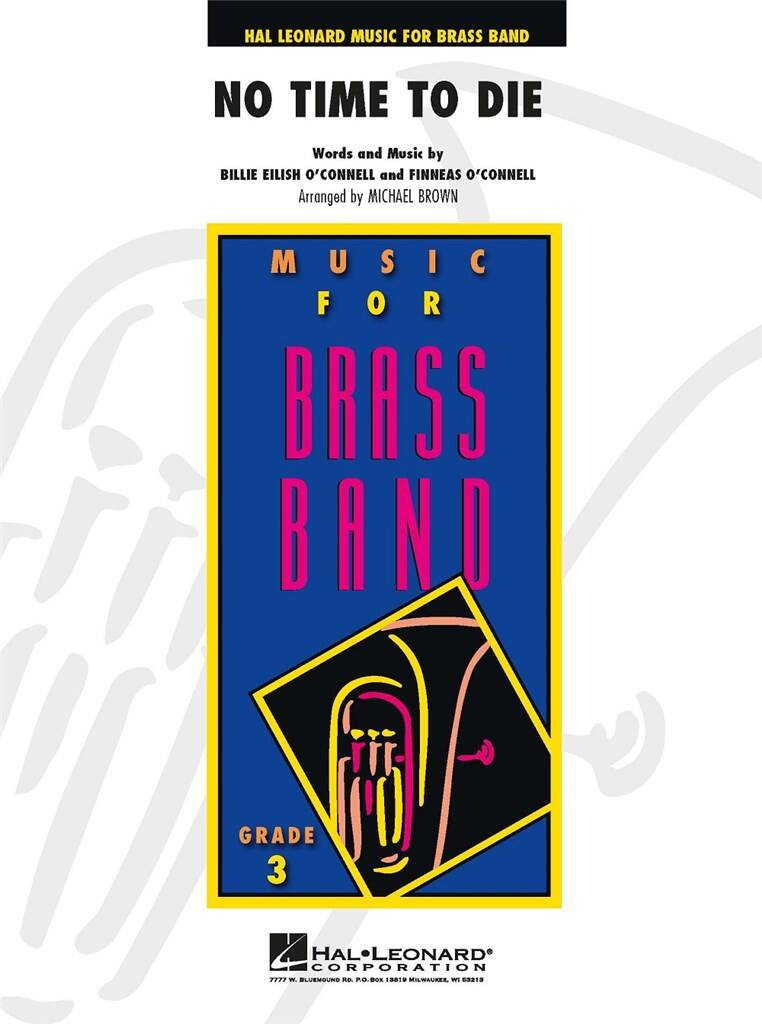
No Time to Die - Michael Brown
Delayed by the pandemic but scheduled for release in 2021, the much-anticipated James Bond film No Time to Die features a darkly beautiful and moody theme song recorded by Billie Eilish. With hints of the signature Bond harmonic flavor and stylish setting, this song is already on its way to becoming a classic, perfectly transcribed for brass band by Christopher Bond.
Estimated dispatch 5-14 working days
-
 £60.99
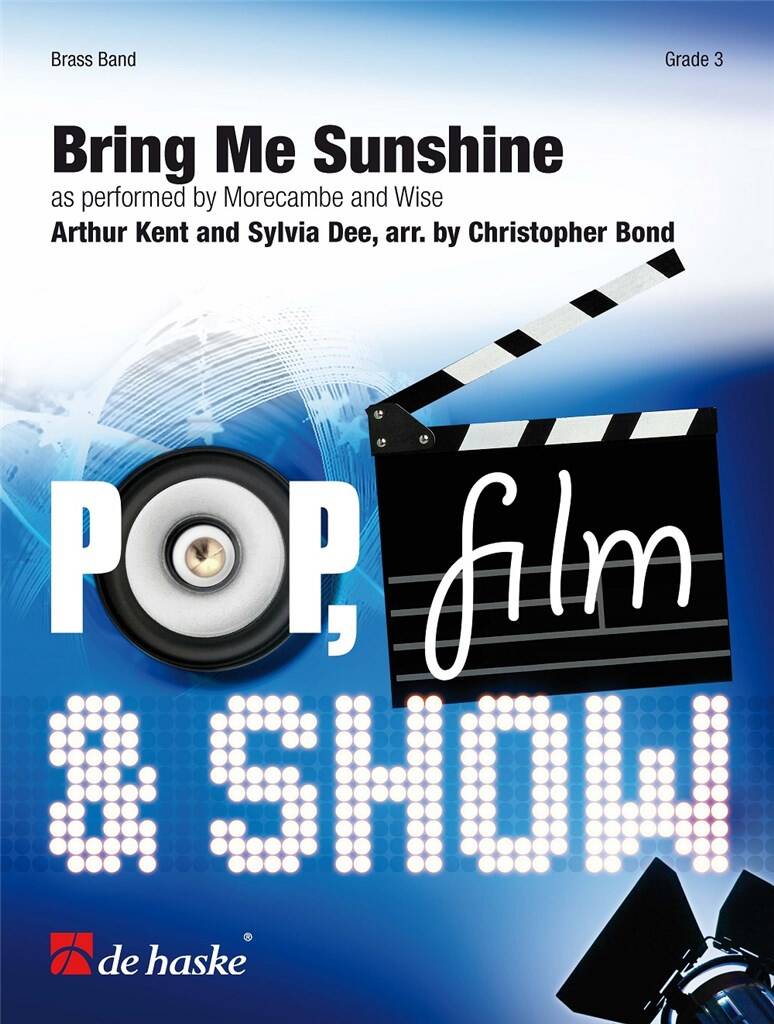
Bring Me Sunshine - Christopher Bond
Bring Me Sunshine is a song written in 1966 by the composer Arthur Kent, with lyrics by Sylvia Dee. It was first recorded by The Mills Brothers in 1968, on their album My Shy Violet. In the UK, the song is synonymous with the popular comedy duo Morecambe & Wise, after it was adopted as their signature tune in their second series for the BBC in 1969. Christopher Bond provided a beautiful instrumental arrangement for brass band.
Estimated dispatch 5-14 working days
-
 £105.20
Hjerteknuser - Janove Ottesen - Øystein Sjøvaag Heimdal
This song is taken from the 6th album by Norwegian band Kaizers Orchestra. Together with "Opma till You Die", this one is the bands biggest hit. It was released as single record in 2010. After that, several other Norwegian artists have made their own versions both on stage and record. This arrangement in 12/8 time signature tries to capture the sound and rhythmic drive of the original song. Watch the dynamics and balance between the different elements. The guitar and bass parts are optional.
Estimated dispatch 5-14 working days
-
 £154.99
Where Angels Fly - Kevin Houben
Where Angels Fly was commissioned by VLAMO (Flemish Band Association). Kevin Houben wrote this work for the 2017 European Brass Band Championships in Ostend, Belgium. This is a very technical, powerful and virtuosic work with a rather fragile and soft introduction in which the main motif derived from the Belgian composer Paul Gilson's (1865-1942) La Priere from Le Retour au Pays is developed and also includes Houben's own musical signature 'HBE(N)'. Where Angels Fly is a challenging, impressive and virtuosic contest piece.
Estimated dispatch 5-14 working days
-
 £74.99
Fanfare for Fenway - John Williams
This spectacular tune from John Williams was originally written for the First Centennial Celebration of Fenway Park in Boston. It was transcribed for brass band by Stephen Bulla for the exclusive 'John Williams Signature Edition' series, approved by John Williams himself. A fancy opener for any occasion!
Estimated dispatch 5-14 working days
-
 £60.99
Jazzimut - Marc Jeanbourquin
In 2009, one year after its formation, the Swiss brass ensemble Azimuts Brass commissioned its conductor, Marc Jeanbourquin, to write them a signature tune. He composed Jazzimut, which features a festive introduction followed by a lyrical theme. After a few bars of rock rhythm, Jazzimut goes disco and finishes with a recapitulation of the introduction as a fanfare. Now available for concert band this is an entertaining piece from start to finish!
Estimated dispatch 5-14 working days
-
 £59.99
Jubiloso - Philip Sparke
Jubiloso was commissioned by Utsunomiya Brass Society, a talented and versatile group of brass players whom Philip Sparke has conducted on many occasions.When they asked him to compose a 'signature' march to celebrate their 30th anniversary, they asked for a bright and breezy march which they could use to open concerts.Jubiloso is in the same 'Broadway' style as Sparke's Slipstream and The Bandwagon with heavily syncopated melodies and the conventional cantabile trio section but also contains sudden bars with unusual time signatures which trip up the march rhythm.
Estimated dispatch 5-14 working days
 View Music