
Results
-
 £29.50
The Essence of Brass (Youth Band) - Gavin Somerset
Two years after the inaugural BrassFestUK event comes the anthem for 2019, 'The Essence of Brass'. Composer Gavin Somerset has revisited many of the ideas contained within the very popular work written for the inaugural BrassFestUK, The Spirit of Brass two years ago, to deliver once again, an uplifting original work for Brass Bands that will keep both players and audiences entertained. The piece opens with the work's heroic theme which has a genuine feel-good factor throughout, making this year's anthem a sure hit with all bands once again. NB. This Youth Band edition also works alongside the original senior band version.
In Stock: Estimated dispatch 1-3 working days
-
 £29.50
Evermore - Alan Menken - Adrian Horn
Disney's remake of the 1991 animated picture gave the chance for composer, Alan Menken to add new music to the already popular soundtrack. In the original film, it was felt the Beast was missing any major feature song. This was put right with the live-action remake which became an instant global hit. Now arranged by Adrian Horn for Euphonium and Brass Band, this is a great new modern solo that will find favour with audiences of all ages.FREE SOLO PART - CLICK HERE
In Stock: Estimated dispatch 1-3 working days
-
 £29.50
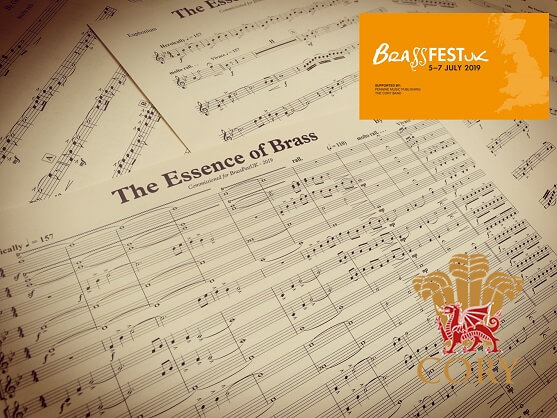
The Essence of Brass - Gavin Somerset
Two years after the inaugural BrassFestUK event comes the anthem for 2019, 'The Essence of Brass'. Composer Gavin Somerset has revisited many of the ideas contained within the very popular work written for the inaugural BrassFestUK, The Spirit of Brass two years ago, to deliver once again, an uplifting original work for Brass Bands that will keep both players and audiences entertained. The piece opens with the work's heroic theme which has a genuine feel-good factor throughout, making this year's anthem a sure hit with all bands once again. NB. A Youth Band version is also available which works as a standalone item or alongside the senior band edition.
In Stock: Estimated dispatch 1-3 working days
-
 £29.50
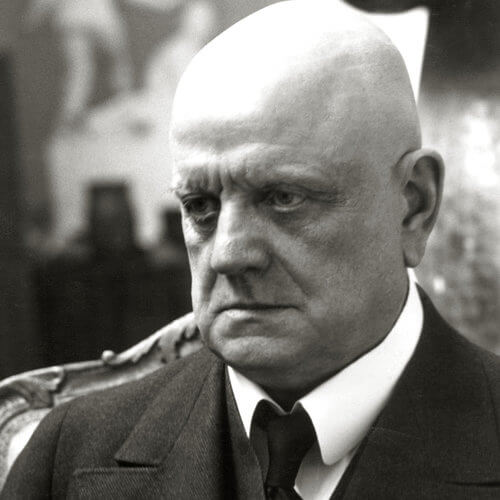
Sibelius Fantasy - Gavin Somerset
Composed in 2003 for a composition competition, this work uses elements of three major work by the Finnish composer Jean Sibelius (1865-1957). The three being... Symphony No.5, Finlandia, Karelia Suite (March) The piece starts with an atmospheric opening before setting of in bar 10 with a tempo that will remain for most of the piece. The main original theme is brought in at A before the famous sequence from Sibelius' Symphony No.5 enters at B and then very distinctly at C. The music then rollercoasts through keeping all sections of the band busy, until we reach J when the solo Euphonium can shine, helped along by Flugel and Repiano. The Molto Vivo before K sets off with dazzling trills from the cornet section, and bringing with it the theme from Finlandia in bar 165, followed shortly by the March from the Karelia Suite. From N to the end, all three pieces are brought to a final climax together. A rousing piece and makes an interesting change to a direct transcription.
In Stock: Estimated dispatch 1-3 working days
-
£24.50
Sobre Las Olas - Juventino Rosas - Chris Gorman
This is possibly one of the best-known tunes around the world and is speculated to heard in more motion pictures than any other song. However, if you asked someone to "name that tune", then most would probably struggle. This classic Waltz has mistakenly in the past thought to be Viennese and has frequently thought to be the work of Johann Strauss II. The music is the most famous work of the composer and has long been associated in the US with fair ground rides and trapeze artists. This arrangement of the original work by Chris Gorman makes a perfect classical "Overture" work for your concert program.
In Stock: Estimated dispatch 1-3 working days
-
 £87.99
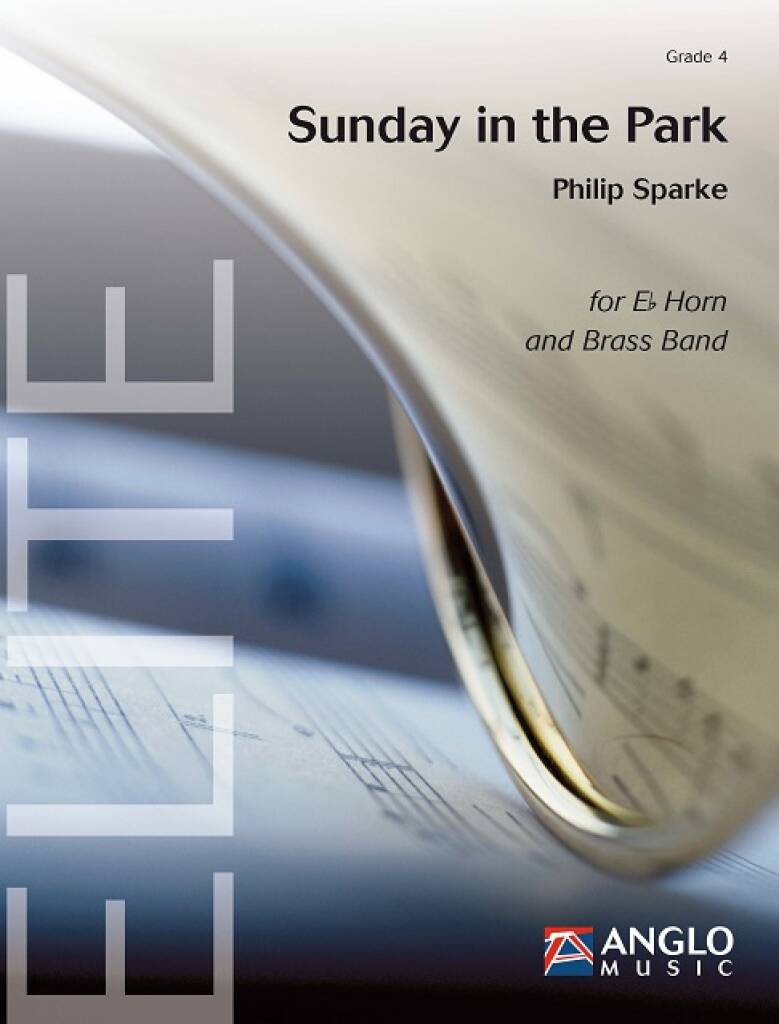
Sunday in the Park - Philip Sparke
Sunday in the Park was written for tenor horn virtuoso Sheona White, and commissioned by her partner, Matt Wade, as a Christmas present.Composer Philip Sparke had known and admired Sheona's playing for many years, having produced her first solo CD and written pieces for her previously.Both composer and performer are huge fans of the late Karen Carpenter, Sheona in part modelling her sound on the singer's sultry voice; so it was decided that this new solo would be a piece which, whilst not being a 'Carpenters' pastiche, paid tribute to their relaxed style and rich harmonic language. Sunday in the Park openswith an accompanied cadenza for the soloist, which leads to a gentle rhythmic melody with a laid-back feel. This is taken up by the band but the soloist sparks a change of mood by introducing a faster light rock interlude. This reaches a climax, at which point the music unwinds until the original mood returns.A variation on the original melody leads to a short cadenza from the soloist, which brings the work to a peaceful close.
Estimated dispatch 5-14 working days
-
 £127.30
Epilogue from La La Land - Justin Hurwitz - David Hveem
Epilogue is taken from the movie La La Land, released in 2016. La La Land won several important prizes that year, and especially the soundtrack written by American composer Justin Hurwitz received widely acclaim.Epilogue is a medley, presented in the original soundtrack, consisting of many of the most well-known themes from the movie.This arrangement was commissioned by Jaren Hornmusikkforening in 2018. The arranger has tried to transcribe the original music as closely as possible. However, some parts are slightly different from the piano-based original music. There are also some changes in keys to make the music more playable for brass band.The piece changes style and tempo often (as the original soundtrack), which requires good abilities for both flexibility and precision in the band.There are also several rhytmically demanding parts, as well as challenging parts for soloists.
Estimated dispatch 5-14 working days
-
 £60.99
Washington Grays - Traditional - James Curnow
Claudio S Grafulla was born on the Spanish island of Minorca in 1818 and emigrated to the United States in 1838. Although he was a composer of many original works, the one that is still regarded as one of the finest marches ever written is his Washington Grays March. This arrangement strives to recreate the original lost version written for an American Civil War brass band.
Estimated dispatch 5-14 working days
-
 £60.99
Consolation - Jan de Haan
Wer nur den lieben Gott lasst walten was composed by Georg Neumark in about 1641 and was subtitled 'Trostlied' literally meaning consolation song. Songbooks at the time showed the popularity of this song and it is still well-known today partly due to Johann Sebastian Bach's use of the melody for one of his own chorals. In Jan de Haan's arrangement the choral is heard twice, once, alternating with the original motif from the introduction and a second time, without interruption, reflecting the composer's original intention - a song of consolation.
Estimated dispatch 5-14 working days
-
 £69.99
Sky Raiders - Bruce Fraser
The Scottish composer Fraser is known for his popular original light music pieces. In an era of pop and musical arrangements Sky Raiders is an catching piece of original wind music. De Schotse componist Fraser laat in Sky Raiders horen dat hij zijn mannetje staat in de populaire blaasmuziek. In een tijd van pop- en musicalarrangementen is het een verademing om originele populaire blaasmuziek te spelen en te beluisteren.
Estimated dispatch 5-14 working days
 View Music