
Results
-
 £9.00
£9.00120 Hymns - A4 Parts
INDEX OF HYMNS :AberystwythAbridgeAngelusAureliaAustrian HymnBelmontBlaenwernCarlisleChrist the KingComeCorJesuCorpus ChristiCrimondCross of JesusDarwalls 148thDay of RestDennisDiademDiademataDivine MysteriesDixDominus Regit MeDresden (Wir pflugen)Duke StreetDundee (French)Easter HymnEm' Feste BurgEllacombeEllersEventideFranconiaFrench (Dundee)GeibelGerontiusGopsalHanoverHollingsideHorsleyHursleyHyfrydolInnocentsKocherLaudate DominumLaudes DominiLloydLobe den HerrenLove DivineLux BenignaMaidstoneMannheimMartyrdomMarytonMelcombeMelitaMiles LaneMisericordiaMissionaryMonldandMonks GateMorning HymnMorning LightMoscowMozart (Nottingham)National AnthemNearer, My God, To TheeNicaNottingham (Mozart)Nun DanketOld HundredthPassion ChoralePenlanPentecostPilgrimsPraise, my SoulRedheadRegent SquareRichmondRimmingtonRockinghamSt. AgnesSt. AlbinusSt. AnnSt. BeesSt. CeciliaSt. ClementSt. ColumbaSt. CuthbertSt. DenioSt. EtheiwaldSt. FrancisSt. George,St. GertrudeSt. MagnusSt. MichaelSt. OswaldSt. PeterSt. TheodulphSt. TheresaSamuelSandonSawstonSine NomineStellaStracathroStuttgartTallis' CanonTurns DavidicaVictoryVox DilectiWarehamWarringtonWestminsterWhen He ComethWhitburnWiltshireWir pflugen (Dresden)INDEX OF CAROLS :Angels from the Realms of GloryAs with GladnessAway in a MangerChristians AwakeCoventry Carol, TheDing Dong Merrily on HighDeck the HallsGod Rest ye Merry GentlemenGood King WenceslasGood Christian Men RejoiceHark! The Herald Angels SingHolly and The Ivy, TheI Saw Three ShipsIt Came upon the Midnight ClearJingle BellsNowellO Come All Ye FaithfulO Little Town of BethlehemOnce in Royal David's CityRocking Carol, TheSee Amid the Winter SnowSilent NightUnto us a Child is BornWassailWe Three KingsWe Wish you a Merry ChristmasWhile Shepherds Watched
Estimated dispatch 7-14 working days
-
£7.50
120 Hymns - A5 Parts
INDEX OF HYMNS :AberystwythAbridgeAngelusAureliaAustrian HymnBelmontBlaenwernCarlisleChrist the KingComeCorJesuCorpus ChristiCrimondCross of JesusDarwalls 148thDay of RestDennisDiademDiademataDivine MysteriesDixDominus Regit MeDresden (Wir pflugen)Duke StreetDundee (French)Easter HymnEm' Feste BurgEllacombeEllersEventideFranconiaFrench (Dundee)GeibelGerontiusGopsalHanoverHollingsideHorsleyHursleyHyfrydolInnocentsKocherLaudate DominumLaudes DominiLloydLobe den HerrenLove DivineLux BenignaMaidstoneMannheimMartyrdomMarytonMelcombeMelitaMiles LaneMisericordiaMissionaryMonldandMonks GateMorning HymnMorning LightMoscowMozart (Nottingham)National AnthemNearer, My God, To TheeNicaNottingham (Mozart)Nun DanketOld HundredthPassion ChoralePenlanPentecostPilgrimsPraise, my SoulRedheadRegent SquareRichmondRimmingtonRockinghamSt. AgnesSt. AlbinusSt. AnnSt. BeesSt. CeciliaSt. ClementSt. ColumbaSt. CuthbertSt. DenioSt. EtheiwaldSt. FrancisSt. George,St. GertrudeSt. MagnusSt. MichaelSt. OswaldSt. PeterSt. TheodulphSt. TheresaSamuelSandonSawstonSine NomineStellaStracathroStuttgartTallis' CanonTurns DavidicaVictoryVox DilectiWarehamWarringtonWestminsterWhen He ComethWhitburnWiltshireWir pflugen (Dresden)INDEX OF CAROLS :Angels from the Realms of GloryAs with GladnessAway in a MangerChristians AwakeCoventry Carol, TheDing Dong Merrily on HighDeck the HallsGod Rest ye Merry GentlemenGood King WenceslasGood Christian Men RejoiceHark! The Herald Angels SingHolly and The Ivy, TheI Saw Three ShipsIt Came upon the Midnight ClearJingle BellsNowellO Come All Ye FaithfulO Little Town of BethlehemOnce in Royal David's CityRocking Carol, TheSee Amid the Winter SnowSilent NightUnto us a Child is BornWassailWe Three KingsWe Wish you a Merry ChristmasWhile Shepherds Watched
Estimated dispatch 7-14 working days
-
 £38.95
Unity Series Band Journal June 2016 Number 442 - 445
No. 442 March - Christmastime (Ian Feltwell)This Christmas march is based on two carols, I saw three ships come sailing in (N.C.P. 38) and It came upon the midnight clear (N.C.P. 44), with numerous references to other carols throughout and finishing with a rousing rendition of We wish you a merry Christmas (N.C.P. 110).
Estimated dispatch 7-14 working days
-
 £19.95
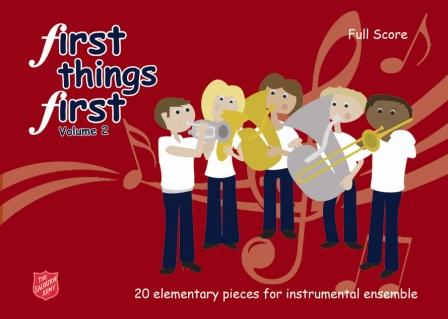
First Things First Vol.2 Full Score
Following the success of Volume 1, here is Volume 2 containing 20 new pieces:Chorus Arrangement - Clap your Hands (Derick Kane)Easter Intrada (Nicholas Samuel)Father, we adore you ((Ralph Pearce)March - Give thanks to the Lord (Trevor Davis)Happy all the time (Martin Cordner)March - Hold On! (Erik Silfverberg)Holy Ground (Trevor Davis)Prelude - In this place (Nicholas Samuel)Marching Saints (Ralph Pearce)New Life (Ray Steadman-Allen)Intrada - O come. all ye faithful (Andrew Blyth)Send the Fire! (Erik Silfverberg)Soon and very soon (Derick Kane)March - Stand up for Jesus (Noel Jones)Song Arrangement - Thank You! ((Andrew Blyth)The Lord's my shepherd (Ray Steadman-Allen)There is a redeemer (Dean Jones)We give thanks (Ralph Pearce)Winter's Rock! (Andrew Blyth)Wonderful Lord (Martin Cordner)
Estimated dispatch 7-14 working days
-
 £34.95
Judd: Travelling Along
This cheerful and energetic solo includes two Salvation Army songs, 'Travel along in the sunshine' and 'Sunshine', the composer having emigrated from the UK to 'sunny' California. (Look out for musical quotes from 'California, here I come'!) The solo was written for himself to play during a return visit to the UK hence the witty quote from 'Raindrops keep falling on my head'.
Estimated dispatch 7-14 working days
-
 £30.00
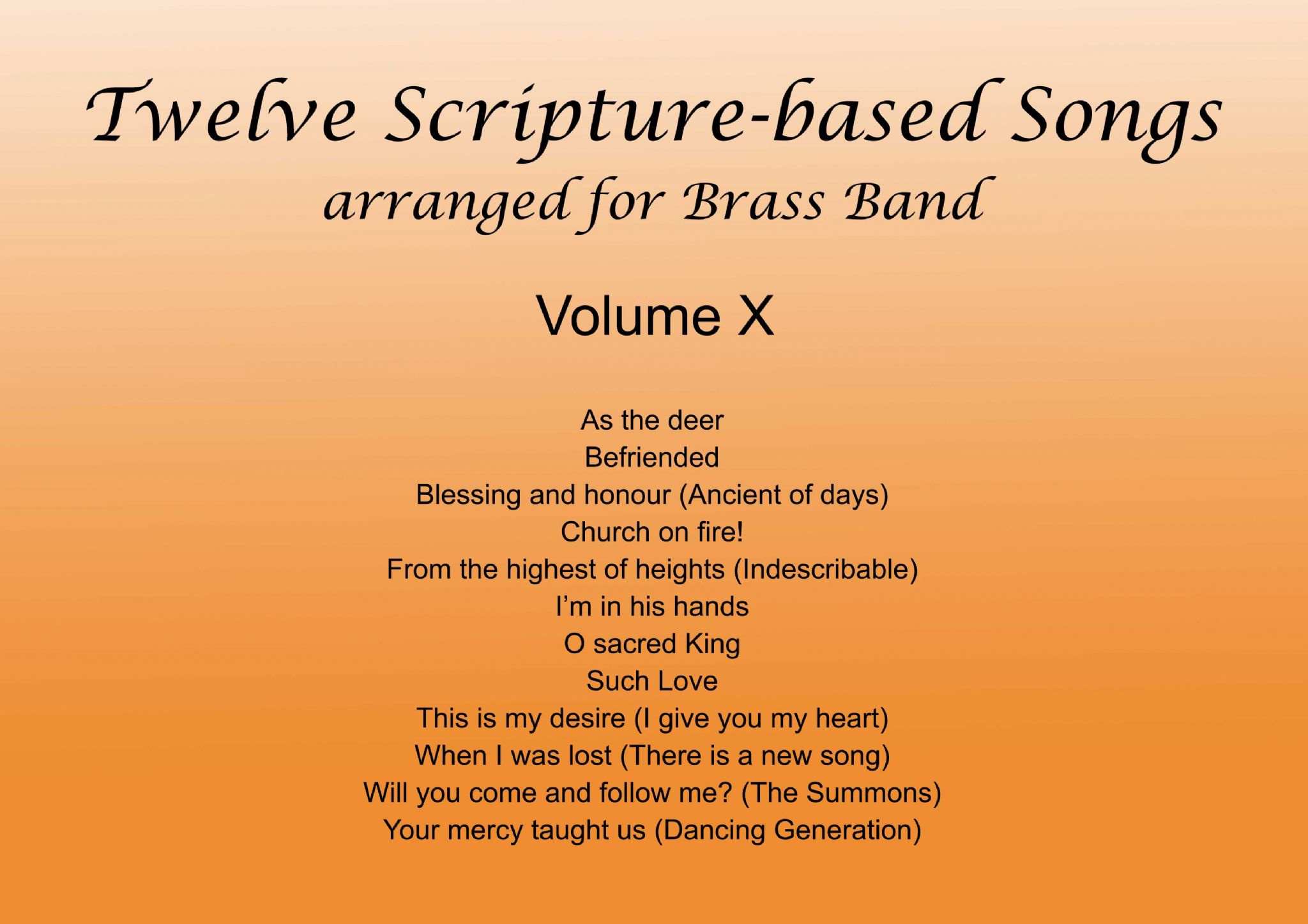
Twelve Scripture-Based Songs Volume X
Twelve scripture-Based Songs arranged for Brass Band (Volume X) are packaged and marketed in complete sets which include a full score and a set of master parts. It is intended that these parts be used as 'masters', for the purpose of photocopying a quantity of parts to accommodate the precise instrumentation needs of the band for which this has been purchased.As the deerBefriendedBlessing and honour (Ancient of days)Church on fire!From the highest of heights (Indescribable)I'm in his handsO sacred KingSuch LoveThis is my desire (I give you my heart)When I was lost (There is a new song)Will you come and follow me? (The Summons)Your mercy taught us (Dancing Generation)
Estimated dispatch 7-14 working days
-
 £44.00
The Liberty Bell (Brass Band - Score and Parts)
This march, written in 1893, was originally destined for inclusion in an operetta but after the composer had witnessed a spectacle called "America" in Chicago, which had as its backdrop a huge painting of the Liberty Bell, it was given the name by which it has become famous. Further recognition has come in more recent years by the adoption of the march as the signature tune for the popular TV programme, Monty Python.The arrangement includes several solos for a large unpitched bell which add aural (and visual) interest. It has been recorded by Brass Band of the Western Reserve, musical director Keith M Wilkinson, on the CD Slides Rule.
Estimated dispatch 7-14 working days
-
 £30.00
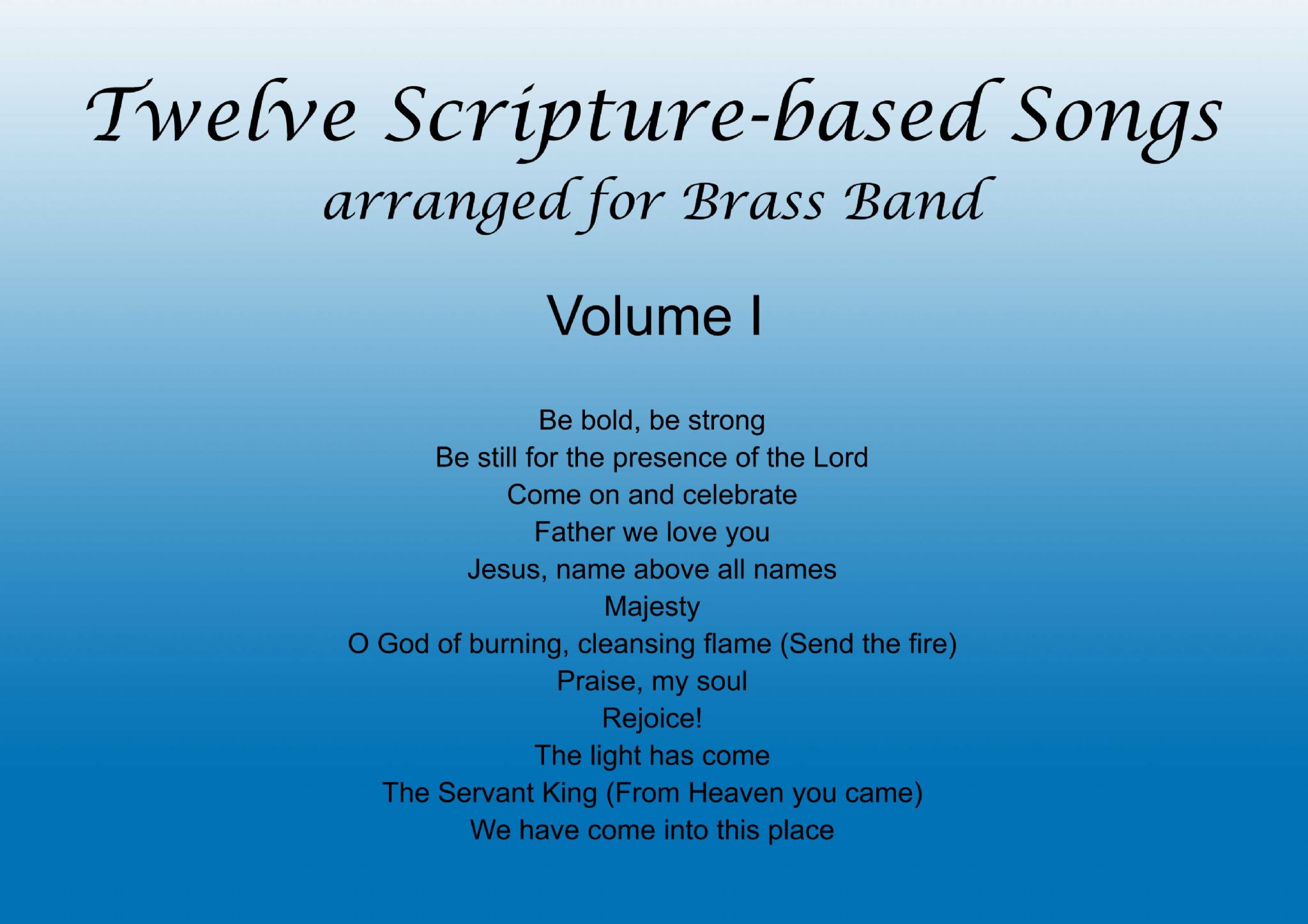
Twelve Scripture-Based Songs Volume I
Twelve scripture-Based Songs arranged for Brass Band (Volume I) are packaged and marketed in complete sets which include a full score and a set of master parts. It is intended that these parts be used as 'masters', for the purpose of photocopying a quantity of parts to accommodate the precise instrumentation needs of the band for which this has been purchased. Be bold, be strongBe still for the presence of the LordCome on and celebrateFather we love youJesus, name above all namesMajestyO God of burning, cleansing flame (Send the fire)Praise, my soulRejoice!The light has comeThe Servant King (From Heaven you came)We have come into this place
Estimated dispatch 7-14 working days
-
 £9.99
£9.99Christmas Collection - 1st Trombone Bb - Large Print A4
Christmas Collection is a newly revised carol book with original, additional and rearranged carols from New Christmas Praise as well as 10 extended pieces. Parts are now also available in large print A4 size!Titles:A child this day is bornA Christmas lullabyA great and mighty wonderAll I want for Christmas is youAll my heart this night rejoicesAngels, from the realms of Glory (Come and worship)Angels, from the realms of Glory (Iris)Angels we have heard on highA starry nightAs with gladness men of oldAuld lang syneA virgin most pureAway in a manger (The manger scene)Away in a manger (Traditional)A winter's taleBethlehemBrightest and best (Spean)Brightest and best (Traditional)Calypso CarolCarol for the NativityCarol of the bellsCarol of the drumChild of MaryChristians Awake!Christ is born (Il est n)Christ was born on Christmas DayCome and join the celebrationCome, children, come quicklyCoventry CarolDeck the hallDing dong! merrily on highDo you hear what I hear?Frosty the snowmanGabriel's MessageGaudeteGlory in the highestGlory in the highest HeavenGod of God, the uncreatedGod rest you merry, gentlemenGood Christian men, rejoiceGood King WenceslasGo, tell it on the mountain!Happy Christmas (War is over)Hark the glad sound!Hark! the herald angels singHave yourself a merry little ChristmasHere we come a-wassailingHow far is it to Bethlehem?Huron CarolInfant HolyIn the bleak midwinter (Cranham)In the bleak midwinter (Darke)I saw mommy kissing Santa ClausI saw three ships come sailing inIt came upon a midnight clear (Traditional)It came upon a midnight clear (Willis)It's beginning to look a lot like ChristmasIt's the most wonderful time of the yearI wish it could be Christmas everydayI wonder as I wanderJesus, good above all otherJingle BellsJingle bell rockJoy to the world!Last ChristmasLet it snow!Little baby JesusLittle children, wake and listenLittle DonkeyLittle Jesus, sweetly sleepLo! he comes with clouds descendingLong, long agoLove came down at ChristmasMary's boy childMary's ChildMasters in this hallMerry Christmas everyoneMistletoe and wineNoelO Christmas treeO come, all ye faithfulO come, ImmanuelO Heaven-sent KingO holy night!O little town of Bethlehem (Christmas Carol)O little town of Bethlehem (Forest Green)O little town of Bethlehem (St Louis)Once in royal David's cityPast three o'clockPatapanPersonent HodiePraise ye the LordRing the bellsRise up, shepherd!Rockin' around the Christmas treeRudolph, the red-nosed reindeerSans day carolSanta Claus is comin' to townSaviour's DaySee, amid the winter's snowSilent Night!Sleigh RideSoftly the night is sleepingSo here it is, merry ChristmasStars are shiningStill, still, stillStop the cavalrySussex CarolSweet chiming bellsSweet chiming Christmas bellsThe candle songThe cherry tree carolThe Christmas songThe first NowellThe holly and the ivyThe infant KingThe light has comeThe shepherds' farewellThe stable doorThe star in the eastThe twelve days of ChristmasThe virgin Mary had a baby boyThey all were looking for a kingThou didst leave thy throneThree kings' marchUnto us a boy is bornWalking in the airWe gather round the manger-bedWe three kings of Orient areWe wish you a merry ChristmasWhat child is this?When a child is bornWhen Santa got stuck up the chimneyWhence is that goodly fragrance flowing?When wise men came seekingWhile shepherds watched (Cranbrook)While shepherds watched (Handel)While shepherds watched (Winchester Old)White ChristmasWho is he?Winter WonderlandWorldwide Christmas messageZither CarolA starry nightChristmas JoyChristmas PraiseCoventry CarolInfant HolyMid-winterRudolph, the red-nosed reindeerThe everlasting lightTo celebrate his birthYuletide Rag
Estimated dispatch 7-14 working days
-
£7.99
Christmas Collection - 1st Trombone Bb - March Card Size
Christmas Collection is a newly revised carol book with original, additional and rearranged carols from New Christmas Praise as well as 10 extended pieces. Parts are now also available in large print A4 size!Titles:A child this day is bornA Christmas lullabyA great and mighty wonderAll I want for Christmas is youAll my heart this night rejoicesAngels, from the realms of Glory (Come and worship)Angels, from the realms of Glory (Iris)Angels we have heard on highA starry nightAs with gladness men of oldAuld lang syneA virgin most pureAway in a manger (The manger scene)Away in a manger (Traditional)A winter's taleBethlehemBrightest and best (Spean)Brightest and best (Traditional)Calypso CarolCarol for the NativityCarol of the bellsCarol of the drumChild of MaryChristians Awake!Christ is born (Il est n)Christ was born on Christmas DayCome and join the celebrationCome, children, come quicklyCoventry CarolDeck the hallDing dong! merrily on highDo you hear what I hear?Frosty the snowmanGabriel's MessageGaudeteGlory in the highestGlory in the highest HeavenGod of God, the uncreatedGod rest you merry, gentlemenGood Christian men, rejoiceGood King WenceslasGo, tell it on the mountain!Happy Christmas (War is over)Hark the glad sound!Hark! the herald angels singHave yourself a merry little ChristmasHere we come a-wassailingHow far is it to Bethlehem?Huron CarolInfant HolyIn the bleak midwinter (Cranham)In the bleak midwinter (Darke)I saw mommy kissing Santa ClausI saw three ships come sailing inIt came upon a midnight clear (Traditional)It came upon a midnight clear (Willis)It's beginning to look a lot like ChristmasIt's the most wonderful time of the yearI wish it could be Christmas everydayI wonder as I wanderJesus, good above all otherJingle BellsJingle bell rockJoy to the world!Last ChristmasLet it snow!Little baby JesusLittle children, wake and listenLittle DonkeyLittle Jesus, sweetly sleepLo! he comes with clouds descendingLong, long agoLove came down at ChristmasMary's boy childMary's ChildMasters in this hallMerry Christmas everyoneMistletoe and wineNoelO Christmas treeO come, all ye faithfulO come, ImmanuelO Heaven-sent KingO holy night!O little town of Bethlehem (Christmas Carol)O little town of Bethlehem (Forest Green)O little town of Bethlehem (St Louis)Once in royal David's cityPast three o'clockPatapanPersonent HodiePraise ye the LordRing the bellsRise up, shepherd!Rockin' around the Christmas treeRudolph, the red-nosed reindeerSans day carolSanta Claus is comin' to townSaviour's DaySee, amid the winter's snowSilent Night!Sleigh RideSoftly the night is sleepingSo here it is, merry ChristmasStars are shiningStill, still, stillStop the cavalrySussex CarolSweet chiming bellsSweet chiming Christmas bellsThe candle songThe cherry tree carolThe Christmas songThe first NowellThe holly and the ivyThe infant KingThe light has comeThe shepherds' farewellThe stable doorThe star in the eastThe twelve days of ChristmasThe virgin Mary had a baby boyThey all were looking for a kingThou didst leave thy throneThree kings' marchUnto us a boy is bornWalking in the airWe gather round the manger-bedWe three kings of Orient areWe wish you a merry ChristmasWhat child is this?When a child is bornWhen Santa got stuck up the chimneyWhence is that goodly fragrance flowing?When wise men came seekingWhile shepherds watched (Cranbrook)While shepherds watched (Handel)While shepherds watched (Winchester Old)White ChristmasWho is he?Winter WonderlandWorldwide Christmas messageZither CarolA starry nightChristmas JoyChristmas PraiseCoventry CarolInfant HolyMid-winterRudolph, the red-nosed reindeerThe everlasting lightTo celebrate his birthYuletide Rag
Estimated dispatch 7-14 working days