
Results
-
£27.00
Ground Bass
Ground Bass is based on the ostinato from J.S. Bach's 'Passacaglia and Fugue in C Minor (BWV 582)' originally written for Organ solo in the early 18th Century. It has been transcribed and reworked numerous times by a number of composers from different periods in time ever since its composition. This work utilises the ground bass in four different sections each exploring the colours that the brass
In Stock: Estimated dispatch 1-3 working days
-
.png) £34.95
£34.95Christmas Carol, A - Jonathan Bates
DURATION: 4'00". DIFFICULTY: 3rd+. Composed for Strata Brass in 2020 as part of their COVID-19 induced, virtually recorded 'A Christmas Carol' (a new suite for brass bandlasting around 30 minutes in total), 'A Christmas Carol' was used as the grand finale to the whole show in which Ebenezer Scrooge has been shown the error of his ways by 3 ghosts on Christmas Eve and becomes a transformed man just in time for Christmas day. This uplifting and energetic work portrays all the joyous emotions associated with the festive period, incorporating a number of well-cherished Christmas carols and various quotes from through the 'A Christmas Carol' suite of music. .
In Stock: Estimated dispatch 1-3 working days
-
 £60.00
Joy Ride - Andrew Pearce
While conducting younger groups in the UK, Andrew Pearcer wrote a funky and accessible piece that younger musicians would appreciate playing. The piece begins with a repeated quaver motif in low brass which is answered by a funky riff in Saxophones. It is cool, fun and will keep the younger bands entertained and cheerful as they learn it in no time.
Estimated dispatch 10-14 working days
-
 £70.00
Deborah's Theme - Ennio Morricone/Ton van Grevenbroek
Yet another classic from master film composer Ennio Morricone. This is an arrangement of the title song from the film "Once Upon A Time in America". This film is an Italian-American crime film from 1984 directed by Sergio Leone. This very playable arrangement is from the pen of Ton van Grevenbroek, and is of medium difficulty.
Estimated dispatch 10-14 working days
-
 £42.00
Unholy Sonnets (Score only) - Philip Wilby
Pieces for voice and brass band are rare, so Unholy Sonnets, with provocative words by Mark Jarman, occupies an unusual place in the repertory. The four movements are: 'Time to admit my altar is a desk', 'Two forces rule the Universe', 'There was a pious man', and 'If God survives us, will His kingdom come?' Also available with piano.
Estimated dispatch 7-9 working days
-
 £52.00
Unholy Sonnets (Parts only) - Philip WIlby
Pieces for voice and brass band are rare, so Unholy Sonnets, with provocative words by Mark Jarman, occupies an unusual place in the repertory. The four movements are: 'Time to admit my altar is a desk', 'Two forces rule the Universe', 'There was a pious man', and 'If God survives us, will His kingdom come?' Also available with piano.
Estimated dispatch 7-9 working days
-
 £14.95
Unholy Sonnets - Philip WIlby
Pieces for voice and brass band are rare, so Unholy Sonnets, with provocative words by Mark Jarman, occupies an unusual place in the repertory. The four movements are: 'Time to admit my altar is a desk', 'Two forces rule the Universe', 'There was a pious man', and 'If God survives us, will His kingdom come?'
Estimated dispatch 7-9 working days
-
 £15.99
Brass Essentials - An Practice Companion (for all treble clef instruments)
Brass Essentials: A Practice Companion helps you organise your daily practice by setting out a regular daily routine.The book is laid out in a clear and precise way beginning with several pages of Warm ups before moving on to Scales and Arpeggios. When the embouchure is relaxed and working well a comprehensive Technical section helps develop and maintain a solid technique. This includes Flexibilities, Articulation, Finger Exercises, Range Expanding and Stamina.There are brief but informative notes heading each section to guide you through your practice, together with suggestions on how much time to spend on each element. Whether you are an aspiring young brass player, a dedicated amateur, conservatoire student or professional this book is a valuable tool so that you can focus on every aspect of your playing.The Practice Companion can also work in conjunction with the Arban Companion to vary your practice diet.
Estimated dispatch 7-14 working days
-
 £77.00
General Series Brass Band Journal, Numbers 2226 - 2229, December 2022
2226: March - Joyful Warrior (Steve Kellner)This march was written to celebrate the rededication and renaming of the USA National Capital & Virginia Division's music conservatory building in honour of Bandmaster James B. Anderson. It is based on two songs, Joy! joy! joy! there is joy in The Salvation Army (S.A.S.B. 963) and Joyful, joyful, we adore thee (S.A.S.B. 39).2227: Song and Dance (Ian Clarke)This music is built around two main subjects, the song Jesus put this song into our hearts (S.A.S.B. 875) and an original theme reminiscent of Slavic dance music.2228: Horn Solo - Time and talents (Stephen Bulla)A reverent tenor horn solo inspired by All there is of me, Lord (S.A.S.B. 569)2229: Promises (Sam Creamer)The well-known hymn Standing on the promises (S.A.S.B. 522) is presented in this arrangement in a driving shuffle style.
Estimated dispatch 7-14 working days
-
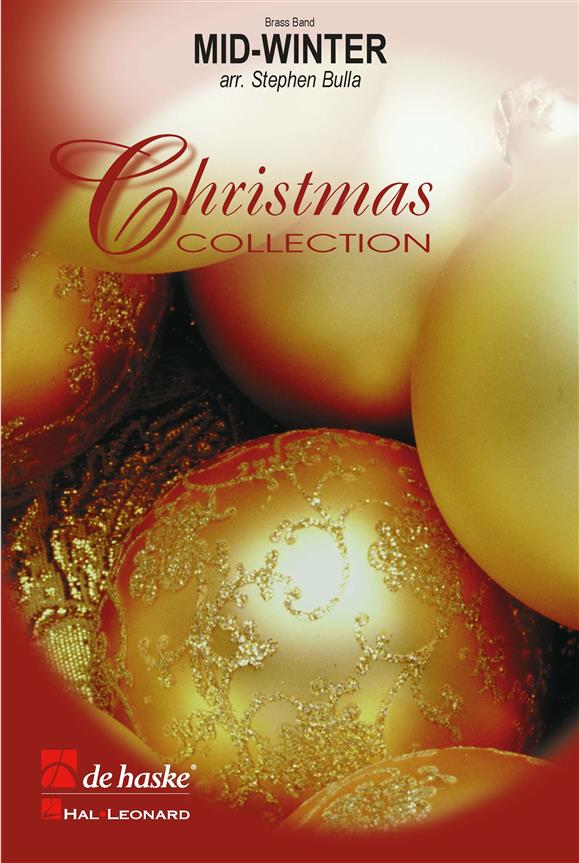 £42.50
Mid-Winter (Brass Band - Score and Parts)
This beautiful Christmas tune by Stephen Bulla sets the perfect atmosphere for your Christmas concert. Light the candles and enjoy the most wonderful time of the year with friends, family and music.Duration: 4:40
Estimated dispatch 7-14 working days
 View Music