
Results
-
 £60.99
Who Wants To Live Forever (Brass Band - Score and Parts)
Who Want to Live Forever is a rather grim title given Freddie Mercury's untimely death, but his songs, and especially his recordings with Queen will live on forever. The title refers to the immortal Connor MacLeod from the movie Highlander, and reached number 24 on the British charts. Now Thijs Oud's arrangement lets this song live on forever as part of your brass band's repertoire. 05:00
Estimated dispatch 7-14 working days
-
 £29.50
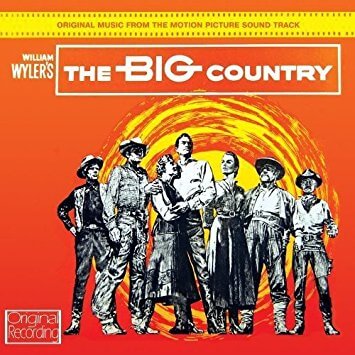
The Big Country - Jerome Moross - Andi Cook
The opening of the main theme from 'The Big Country' is as iconic as any western theme ever written. The flourish from the strings (or cornets in our case!) allow your band to show off with detailed playing that is sure to grab your audience's attention from the word go. The film's composer, Jerome Moross was nominated for an Academy Award for his work on the soundtrack, but lost to 'The Old Man and the Sea' scored by Dimitri Tiomkin. This arrangement by Andi Cook faithfully recreates the excitement from the main theme that is now known throughout the world. This title has never before been publicly available to brass bands until now and is sure to be a hit with bands and audiences.
In Stock: Estimated dispatch 1-3 working days
-
 £37.50
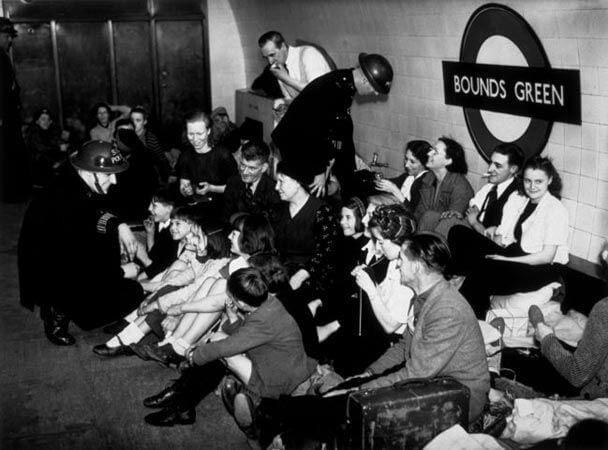
Bless 'Em All - Various - Gavin Somerset
Keeping spirits high during World War II was essential, and music played a huge part. Darrol Barry's excellent arrangement 'Keep Smiling Through' has been pleasing audiences for years and can probably be found in most brass bands libraries across the country. This latest release of popular war time songs including 'Wish Me Luck, As You Wave Me Goodbye', 'We're Going To Hang Out The Washing', 'Kiss Me Goodnight Sgt. Major', 'Good Morning', 'Bless 'Em All' and the highlight of the piece, the slow, hair raising middle movement 'Apple Blossom Time', was originally released to coincide with the 70th Anniversary of the Battle Of Britain. All of these songs were sung as the London population camped out in the underground stations. This arrangement will get the feet tapping as audiences sing along to the lively pieces and then sends shivers down their spines with the gorgeous 'Apple Blossom Time' featuring in the middle of the medley. This is a piece not to be missed and should belong in all bands libraries.
In Stock: Estimated dispatch 1-3 working days
-
 £29.50
Uptown Funk! - Mark Ronson & Bruno Mars - Dave Collins
Brass Bands are amongst the most versatile of instrumental ensembles. With that, comes this showcase of a piece that held its place at No.1 in the charts for 14 consecutive weeks and was nominated for 2 Grammy Awards. Following some legal matters that needed clearing up concerning the writing credits on the original single, bands have been unable to purchase this title, until now! Full of energy and life, this really is the piece for your next concert programme if you want to grab your audience's attention and be a real hit with the younger generation.
In Stock: Estimated dispatch 1-3 working days
-
£24.50
Wedding Music (Selections For A Wedding) - Various - Gavin Somerset
With more and more brass bands performing at weddings, having the correct music is essential for the couple's perfect day. With most of the traditional wedding music coming from large overtures & operas etc, this unique pack of music has been specially designed to minimise fuss (all 4 pieces are printed on just one sheet per part) and have just the "famous" bits included. Specially arranged by Gavin Somerset so that the pieces included can be performed from anything ranging from a full brass band to a brass quintet group and with repeats that can be cut or performed to tailor to each event. The pieces areaABRIDAL CHORUS (from Lohengrin) By Richard Wagner"Here comes the bride"aA is the standard march played for the bride's entrance at many formal weddings. The wedding between Elsa and Lohengrin however was almost an immidiate failure!PACHELBEL'S CANON By Johann PachelbelFormally known as the Canon & Gigue in D and originally composed for a string quartet, the Canon part of the composition has become a favorite at weddings, either as an alternative to the Bridal Chorus (above) or used during the signing of the register. The convention in the Baroque era would have been to play a piece of this type in the moderate to fast tempo, however at weddings it has become fashionable to play the work at a slow tempo.WEDDING MARCH (from "A Midsummer Night's Dream") By Felix MendelsshonPopularized by Princess Victoria's wedding to Prince Frederick William of Prussia and coupled with the Bridal Chorus for the entry of the bride, this Wedding March is often for the recessional at the end. Prelude to "Te Deum" By Charpentier Another item now popular in its use during weddings for its bright fanfares. Many composers have written music to the "Te Deum" text (Te Deum being an early Christian hymn of praise, used still regularly in the R.C Church). The prelude by Charpentier is by far one of the most famous
In Stock: Estimated dispatch 1-3 working days
-
 £24.50
Echoes of Goff - Gavin Somerset
There is little doubt in anyone's mind that Goff Richards' music enriched the Brass Band repertoire with his colourful and imaginative arrangements and compositions. Composer, Gavin Somerset was encouraged when younger by Goff, to write for Brass Bands after they had worked on an arrangement together. Following the passing of Goff back in 2011, this melodic, yet powerful work that reflected upon two of Goff's popular compositions for band, Pastorale & Country Scene, was composed. Seven years on, this work is only now being released and provides an emotional music tribute, which both players and audiences will enjoy over and over again.
In Stock: Estimated dispatch 1-3 working days
-
 £29.50
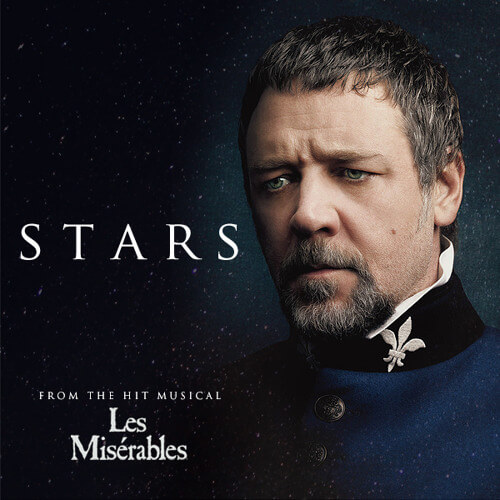
Stars - Schoenberg - Andi Cook
This special arrangement by Andrew Cook was a commission by Rob Westacott to perform with the world famous Grimethorpe Colliery Brass Band. The musical Les Miserables is the 3rd longest running show in Broadway history. The superb arrangement captures all the feelings of the original work and was given its debut performance at Parr Hall in Warrington on Saturday 27th March 2010. The work, arranged for one of the greatest cornet players, with one of the world's greatest brass bands, is a must in any cornet soloist's repertoire.
In Stock: Estimated dispatch 1-3 working days
-
 £29.50
(Is the the way to) Amarillo - Greenfield/Sedaka - Steven Hague
Brought back into the limelight with Peter Kay's release for Comic Relief, this fantastic arrangement by Steven Hague, playable by most levels of brass bands, faithfully recreates the comedy within the music and is perfect for any concert, and is a wonderful encore piece. 15% of the money from each sale on this piece is being donated to comic relief.
In Stock: Estimated dispatch 1-3 working days
-
£24.50
Farondole - Bizet - Alan Beaumont
This famous movement from Bizet's highly popular suite has long been a favorite with brass bands and their audiences alike. This new arrangement now includes better percussion parts (including timpani) and some lovely grace notes for Baritone and Repiano. The Cornet section is also arranged unusually as it is written for 3 players to play the Repiano part and 2 players to play the Solo Cornet line. A wonderful effect.
In Stock: Estimated dispatch 1-3 working days
-
 £37.35
March - The Stewards (Brass Band) Dave Collins
This rousing march by Dave Collins is a dedication to the remarkable group of volunteers - the unsung heroes - who, each year, organise and run the iconic Whit Friday brass band contests. They ensure that the heritage and tradition of this uniquely special event is not lost, preserving its ongoing and continued success. BrookWright is offering a 25% discount for bands who perform this march at the Whit Friday Contest. To claim the discount, please send a scan or photo of your band's adjudication card after the event to [email protected] Whit Friday, 'The Greatest Free Show on Earth', is synonymous with the brass band tradition. Its importance in the annual calendar to the players, supporters and spectators is vital to the Tameside and Saddleworth community. However, this mighty contest simply could not take place without the willing volunteers who dedicate their services year after year to keep this unique banding tradition going.Traditionally, on Whit Friday Morning, Hail! Smiling Morn (Roud #1346), also known as Praise Ye the Lord, is heard across the Saddleworth villages. This is where I have taken my inspiration, and the entire march is built upon quotes and references of this joyous work.The Stewards has many traditional elements drawing on the vast repertory of well-known marches, as well as some untraditional techniques and harmonies. The work aims to be a good test for the bands in its performance, but also fun and entertaining for the players and audiences alike - featuring a cheeky cornet solo, thunderous bass feature, and lyrical euphonium melodies, before concluding with a triumphant quote from the original source material.To you all who perform or hear this work, the stewards of the brass band tradition, HAIL! To view a follow-the-score video featuring Tredegar Town Band performing the work please visit www.youtube.com/watch?v=-CNgqvc534s PDF download includes score and parts, and comes in both A4 size and A5 landscape parts for marching purposes. A single page A5 conductor reduced score is also included. Sheet music available from: UK - www.brassband.co.uk USA - www.solidbrassmusic.com Difficulty Level: 3rd Section + Instrumentation: Soprano Cornet Eb Solo Cornet Bb Repiano Cornet Bb 2nd Cornet Bb 3rd Cornet Bb Flugel Horn Bb Solo Horn Eb 1st Horn Eb 2nd Horn Eb 1st Baritone Bb 2nd Baritone Bb 1st Trombone Bb 2nd Trombone Bb Bass Trombone Euphonium Bb Bass Eb Bass Bb Cymbals Side Drum Bass Drum
In Stock: Estimated dispatch 1-3 working days
 View Music