Results
-
 £45.00
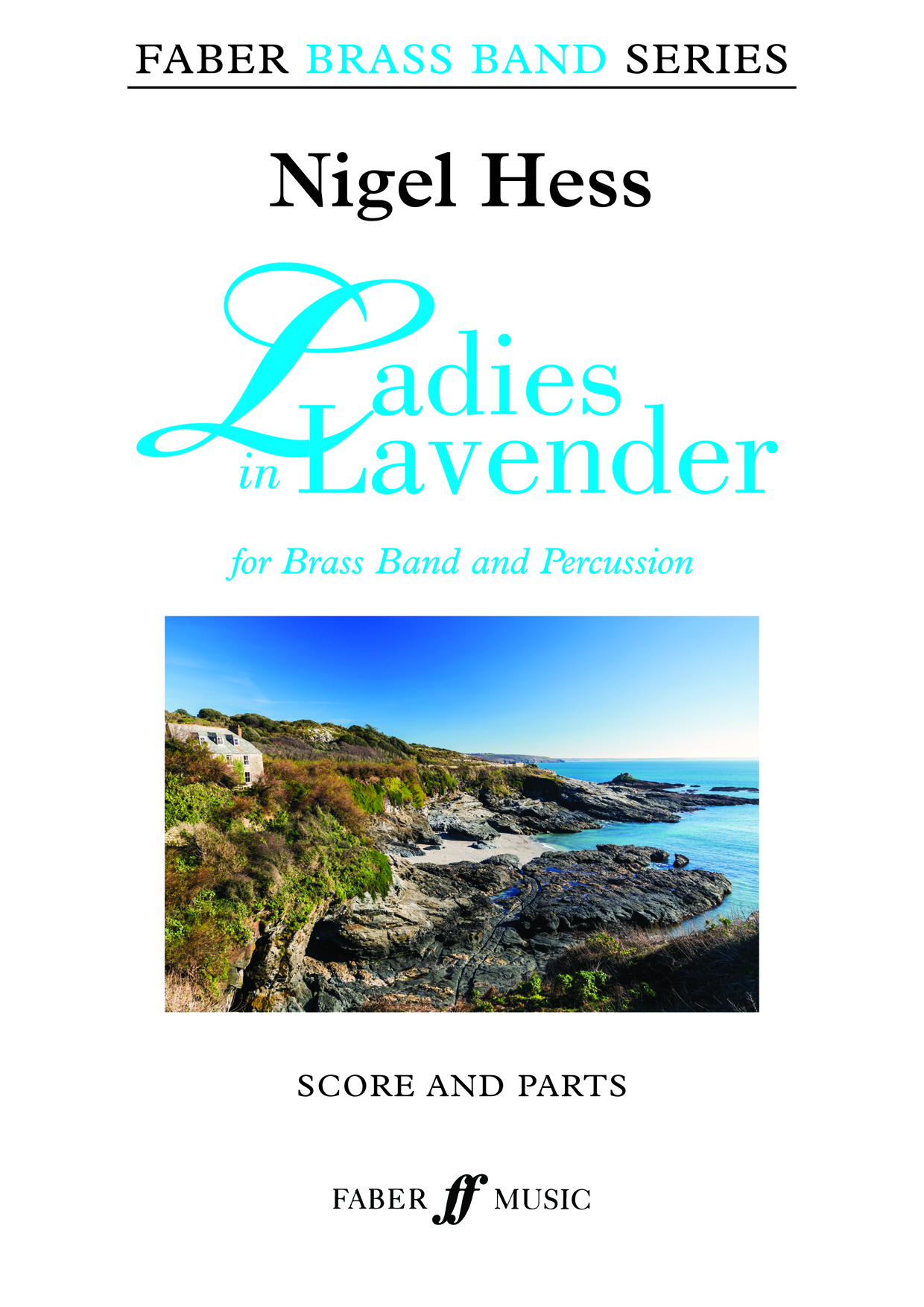
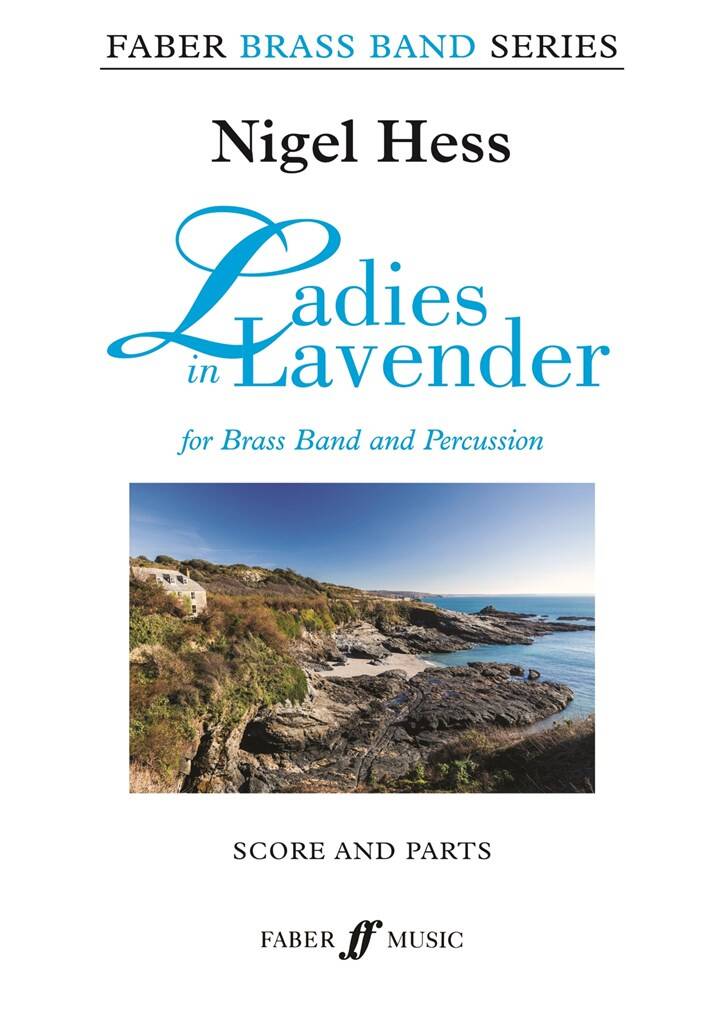
Ladies in Lavender (Theme) - Nigel Hess
Set in a picturesque coastal Cornwall, in a tight-knit fishing village in the 1930s, Ladies in Lavender starred Judi Dench and Maggie Smith as sisters Ursula and Janet Widdington.This arrangement of the muchloved theme by Nigel Hess has been arranged for soprano or solo cornet and brass band.
Estimated dispatch 5-14 working days
-
 £67.50
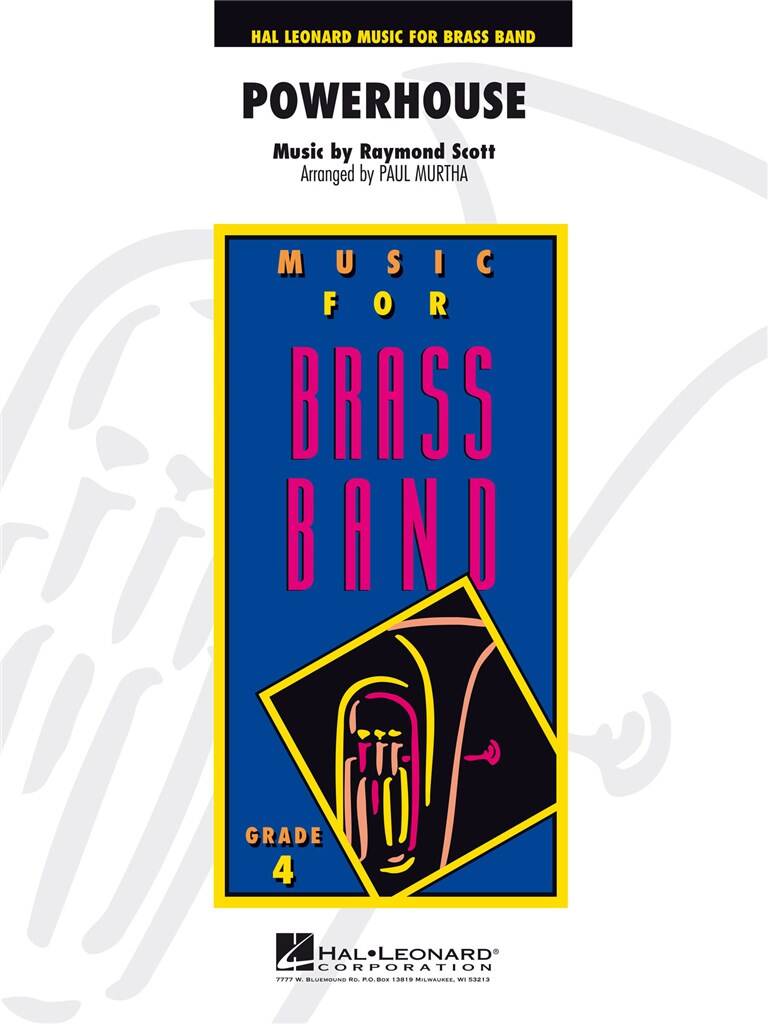
Powerhouse - Paul Murtha
The zany music of the Raymond Scott Quintette, originally recorded in the late 1930s, was a popular resource for the early Warner Bros. cartoons scored by Carl Stalling. Filled with surprise and humor, any fan of Bugs Bunny will recognize these unforgettable themes!
Estimated dispatch 5-14 working days
-
£45.00
Theme from Ladies in Lavender - Nigel Hess
Set in a picturesque coastal Cornwall, in a tight-knit fishing village in the 1930s, Ladies in Lavender starred Judi Dench and Maggie Smith as sisters Ursula and Janet Widdington. This arrangement of the much loved theme by Nigel Hess has been arranged for soprano or solo cornet and brass band.
In Stock: Estimated dispatch 1-3 working days
-
 £30.00
Django - Jock McKenzie
Django is inspired by the sounds of 'Hot Club Jazz'. The origins of this style also known as Gypsy Swing or Jazz Manouche were to be found in France in the 1930s. Indeed, the most famous group, based in Paris was the "Quintette du Hot Club de France" and featured in its ranks the legendary guitarist Django Reinhardt and violinist Stephane Grappelli. My composition Django seeks to provide a 'beginners guide' to some of the typical elements of this musical style: After a 'faux improvised' opening flourish, the main theme is in the characteristic minor key, including use of arpeggio figures to point the direction of the melodic line. The melodies throughout the piece are presented in a duet-like manner, spaced in intervals of 3rds and 6ths. The accompaniment based strongly around the minor 6th chords is designed to imitate the role of the rhythm section in a typical gypsy swing band.
-
 £32.95
Variations for Brass Band (Score Only)
The great British brass band tradition has been fostered since 1860 by an annual competition for bands. Held in the Crystal Palace until that edifice burned in the 1930s, it is a major event at the Royal Albert Hall in London. Each year there is a new test piece, required of all bands and in 1957, Ralph Vaughan Williams (by then a revered, grandfatherly figure in British music) was finally persuaded to write a composition for that purpose.The 12-minute composition comprises a theme and 11 variations. The brief variations are in a variety of moods and styles, including a waltz, a polonaise, a chorale, a canon, an arabesque, and a fugue. It tests ensemble coordination, command of and flexibility concerning styles, and richness of sound.
Estimated dispatch 7-14 working days
-
 £95.00
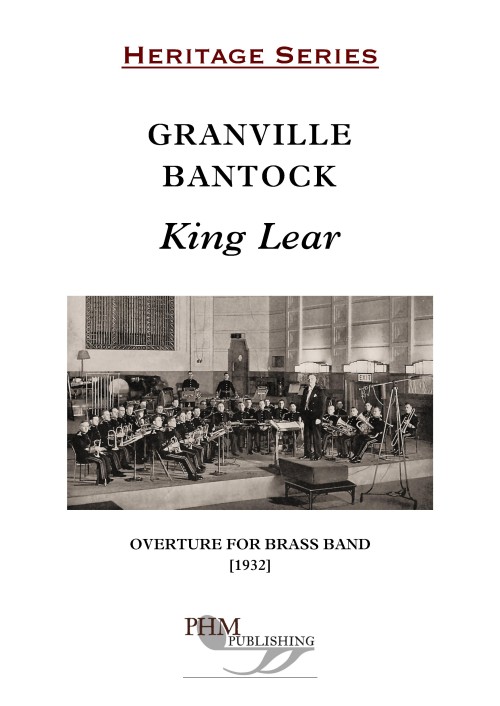
King Lear (Brass Band - Score and Parts) - Bantock, Granville - Hindmarsh, Paul
Sir Granville Bantock (1868 - 1946) composed the second of his five major brass band work for Callender's Cableworks Band, completing the commission on 30 November 1932. Based in the Thames-side district of Belvedere near Erith, the band was active between 1898 and 1961. The works band of the Callender Cable & Construction Co. Ltd, it was at the peak of its popularity during the 1930s and was a frequent broadcaster on the radio. The band employed an in-house arranger and played saxophones in its lighter material. King Lear was one of the band's major commissions and was not published in Bantock's lifetime. The manuscript score and parts were thought to be lost for decades, but were found in the library of the Haydock Band (Lancashire), which had inherited part of Callender's library of manuscripts material and bespoke arrangements after it has been transferred to nearby Prescott Cables Band after Callender's Cable Works closed.King Lear is a substantial work, in essence a dramatic tone poem in the romantic Tchaikovskian manner, presenting a series of character portraits of the foolish old king and his three daughters, Goneril, Regan and Cordelia. The music is dramatic and lyrical by turns, with the most generous lyrical episode revealing perhaps the warm-hearted Cordelia. An expansive melody that flows from this is brought back towards the end as the main climax of the work.In 2001, Bantock's score was recorded by the University of Salford Brass Band, conducted by Dr. Roy Newsome. The original is serviceable, but in comparison with the orchestral version he made in 1936 (part of which was recorded on a Paxton 78 rpm) and later brass band scores, performing editions of which were prepared by others, it lacks colour and range typical of Bantock's orchestral work. Above all it lacks percussion, which can be heard on the recorded extract. With the kind permission of the Bantock Estate, I have prepared a performing edition for publication that incorporates percussion, derived from the orchestral recording and added editorially in similar manner elsewhere. I have revoiced some of the low- lying instrumental parts to present the material in more comfortable ranges. Editorial interventions more elaborate than revoicing the original text have been identified as cue notes.- Paul HindmarshDuration: 15.00
Estimated dispatch 7-14 working days
-
£40.00
King Lear (Brass Band - Score only) - Bantock, Granville - Hindmarsh, Paul
Sir Granville Bantock (1868 - 1946) composed the second of his five major brass band work for Callender's Cableworks Band, completing the commission on 30 November 1932. Based in the Thames-side district of Belvedere near Erith, the band was active between 1898 and 1961. The works band of the Callender Cable & Construction Co. Ltd, it was at the peak of its popularity during the 1930s and was a frequent broadcaster on the radio. The band employed an in-house arranger and played saxophones in its lighter material. King Lear was one of the band's major commissions and was not published in Bantock's lifetime. The manuscript score and parts were thought to be lost for decades, but were found in the library of the Haydock Band (Lancashire), which had inherited part of Callender's library of manuscripts material and bespoke arrangements after it has been transferred to nearby Prescott Cables Band after Callender's Cable Works closed.King Lear is a substantial work, in essence a dramatic tone poem in the romantic Tchaikovskian manner, presenting a series of character portraits of the foolish old king and his three daughters, Goneril, Regan and Cordelia. The music is dramatic and lyrical by turns, with the most generous lyrical episode revealing perhaps the warm-hearted Cordelia. An expansive melody that flows from this is brought back towards the end as the main climax of the work.In 2001, Bantock's score was recorded by the University of Salford Brass Band, conducted by Dr. Roy Newsome. The original is serviceable, but in comparison with the orchestral version he made in 1936 (part of which was recorded on a Paxton 78 rpm) and later brass band scores, performing editions of which were prepared by others, it lacks colour and range typical of Bantock's orchestral work. Above all it lacks percussion, which can be heard on the recorded extract. With the kind permission of the Bantock Estate, I have prepared a performing edition for publication that incorporates percussion, derived from the orchestral recording and added editorially in similar manner elsewhere. I have revoiced some of the low- lying instrumental parts to present the material in more comfortable ranges. Editorial interventions more elaborate than revoicing the original text have been identified as cue notes.- Paul HindmarshDuration: 15.00
Estimated dispatch 7-14 working days
-
 £45.00
Ladies in Lavender (Sop or Solo Cornet Solo with Brass Band - Score and Parts) - Hess, Nigel - Hall, Daniel
Set in a picturesque coastal Cornwall, in a tight-knit fishing village in the 1930s, Ladies in Lavender starred Judi Dench and Maggie Smith as sisters Ursula and Janet Widdington. This arrangement of the much loved theme by Nigel Hess has been arranged for soprano or solo cornet and brass band. Suitable for Premier Youth/2nd Section Bands and above. Duration: 8.00
Estimated dispatch 7-14 working days
-
 £34.95
Steadily Onward (Brass Band - Score and Parts) - Leidzen, Erik
Steadily Onward stands as the last in a series of festival marches which began with Pressing Onward in the 1920s and continued with the less well-known Fling Wide the Gates in the 1930s. The third strain, the bass solo, features Leidzen's own song 'Onward' while the trio contains one of his most infectious, lilting melodies.
Estimated dispatch 7-14 working days
-
£17.50
Steadily Onward (Brass Band - Score only) - Leidzen, Erik
Steadily Onward stands as the last in a series of festival marches which began with Pressing Onward in the 1920s and continued with the less well-known Fling Wide the Gates in the 1930s. The third strain, the bass solo, features Leidzen's own song 'Onward' while the trio contains one of his most infectious, lilting melodies.
Estimated dispatch 7-14 working days
 View Music