
Results
-
 £55.00
John Williams: Epic Themes - John Williams
A medley of John Williams favourites including Star Wars (Main Theme), March (1941), Imperial March from Star Was Episode V: The Empire Strikes Back, Olympic Spirit, and Superaman (MainTheme). Arranged for Brass Band and Rercussion by Steve Sykes.
Estimated dispatch 5-14 working days
-
 £109.99
The Road to the West - Carl Wittrock
As he did before in the often played and commonly appreciated 'Lord Tullamore', in which he poetically depicted the landscape and the cultural elements of a small Irish village, in his composition 'The Road to the West' Carl Wittrock has sketched pioneer existence in America in a cinematic manner.In 'The Road to the West' the composer has tried to capture images of pioneer life during the period dating from 1850 to 1890, the days of the so-called Wild West.In those days, the Wild West used to be the territory west of civilization, the domain of cowboys, trappers, and other fortune hunters. In short, ample ingredients for a captivating story.In the firstscene a lonely adventurer struggles against nature and the elements. After an exciting adventure he passes through 'the Plains', where majestic views alternated by colossal mountain ranges display an almost unimaginable beauty.After weeks of isolation civilization is reached again. 'The Saloon' is the perfect meeting place here news is exchanged and hilarious scenes regularly take place.
Estimated dispatch 5-14 working days
-
£60.99
When You Believe - Stephen Schwartz - Wim Stalman
This lovely ballad was recorded by Mariah Carey and Whitney Houston for the soundtrack of the Disney movie The Prince of Egypt. More recently it was a hit for X-factor winner Leon Jackson. A perfect, inspirational item for any concert.
Estimated dispatch 5-14 working days
-
 £69.99
Star Wars (Main Theme) - John Williams - Philip Harper
Voted "Top Soundtrack of All Time" by the American Film Institute, few musical themes are as instantly recognizable as this timeless classic by film score master John Williams.
Estimated dispatch 5-14 working days
-
 £54.99
Once Upon a Time in the West - Ennio Morricone - André Waignein
The Italian composer Ennio Morricone is now established as one if the masters in the art of music for films. This excelent arrangement from the film of the same name will be an undoubtedy success at your next concert.
Estimated dispatch 5-14 working days
-
 £30.00
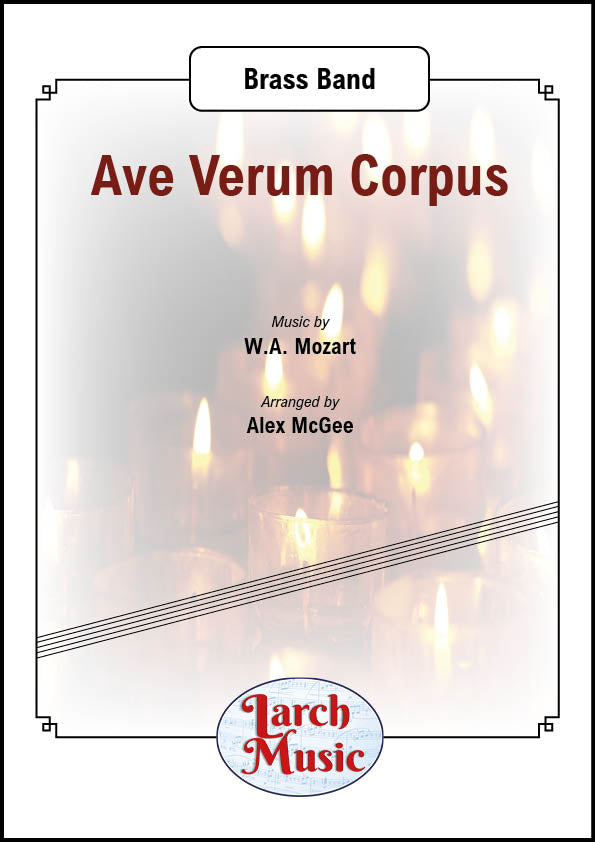
Ave Verum Corpus (WA Mozart arr. by Alex McGee) - Brass Band Sheet Music Full Score & Parts - LM579 - W. A. Mozart - Alex McGee
COMPOSER: W. A. MozartARRANGER: Alex McGeeThe wonderful Ave Verum Corpus arranged for brass band by Alex McGeeAve verum corpus("Hail, True Body"), (K.618), is amotetinD majorcomposed byWolfgang Amadeus Mozartin 1791. It is a setting of theLatinhymnof the same name. Mozart wrote it for Anton Stoll, a friend who was the church musician ofSt. StephaninBaden bei Wien. The motet was composed for the feast ofCorpus Christi; theautographis dated 17 June 1791. It is scored forSATBchoir,string instrumentsandorgan.LM579 - ISMN : 9790570005796
In Stock: Estimated dispatch 3-5 working days
-
 £29.95
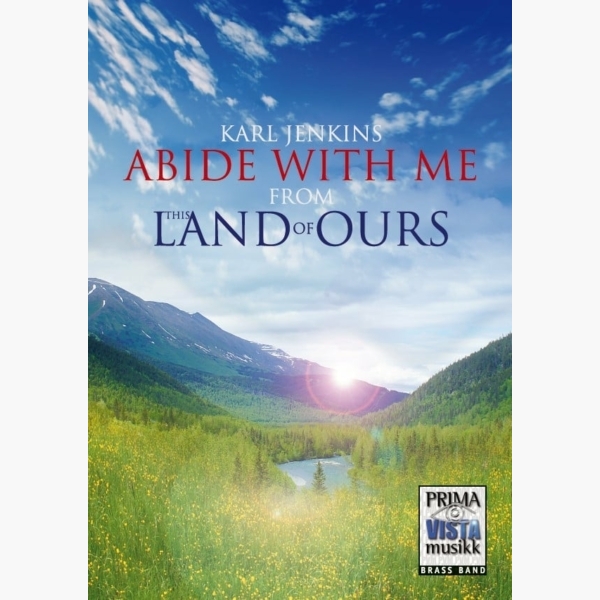
Abide With Me - William Henry Monk - Karl Jenkins & Peter Graham
The lyrics to Abide With Me were written as a poem in 1847 by Scottish Anglican Henry Francis Lyte. Lyte wrote the poem and set it to William Henry Monk's hymn tune, Eventide, as he lay dying of tuberculosis. The...
Estimated dispatch 5-7 working days
-
 £27.00
What a Wonderful World - E. Weiss/Willy Hautvast
To the surprise of everybody the Heineken commercial featuring the men in the moon made its way to the top 20 of the National Hitparade (Satchmo's old success!!).
Estimated dispatch 10-14 working days
-
 £56.00
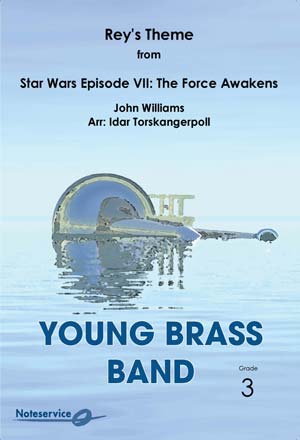
Rey's Theme from Star Wars Eposide VII: The Force Awakens - John Williams/Idar Torskangerpoll
The iconic soundtrack composed by John Williams continues with "The Force Awakens", the seventh Star Wars movie.This arrangement for Young Band tries to capture the rich timbre of the original orchestral music. It is very important to be aware of the balance in the band when performing this music. The horns should stand out dynamically when they plays the melody. Also make shure that the rhythmic are played as clear as possible, especially in the bass tubas and other low instruments. You may choose whether to play the upper or lower octave in the trumpet parts.
Estimated dispatch 10-14 working days
-
£44.95
JUBILANCE (Cornet Solo with Brass Band Set) - William Himes
This exuberant fantasia for soloist and band requires double-tonguing for the quick and brilliant introduction. Not only the soloist will be extended with this work - the band accompaniment is also demanding and will need to be given full attention. The solo builds to a brilliant climax and is an ideal showcase for Cornet soloists.
Estimated dispatch 7-14 working days
 View Music