
Results
-
 £91.99
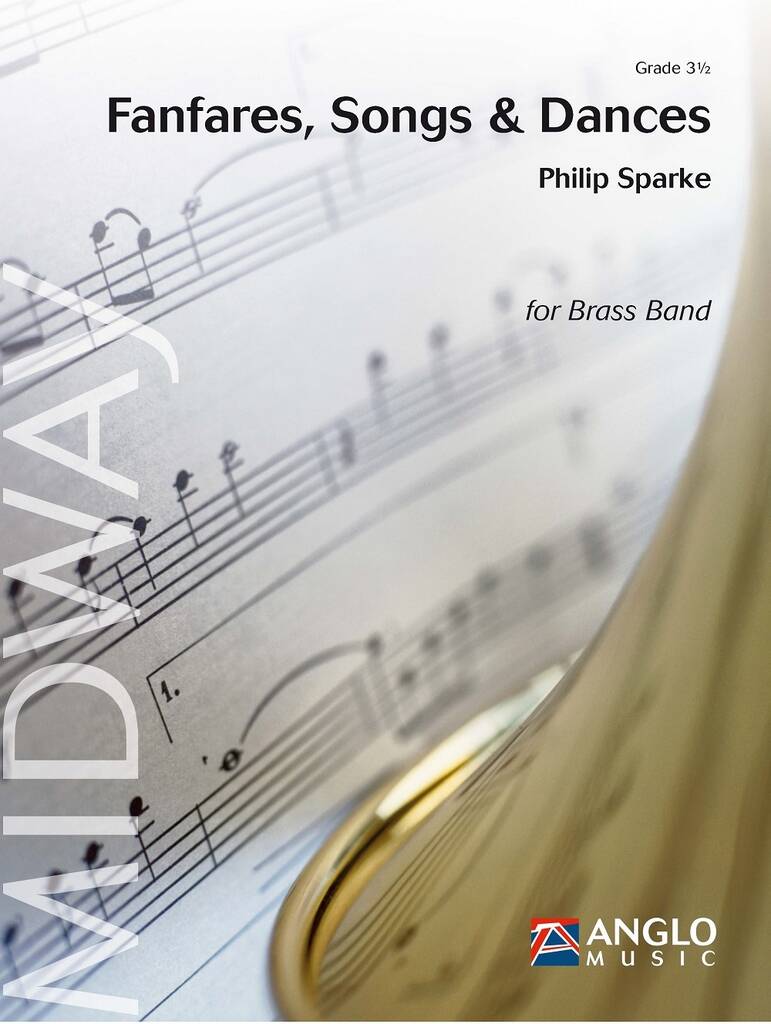
Fanfares, Songs & Dances - Philip Sparke
Fanfares, Songs & Dances was commissioned by Brass Bands England, the Lithuanian Brass Band Association and the Dutch National Brass Band Championships (NBK), and first performed at the 43rd 'NBK' in October 2024. The work is played in three linked movements: FANFARES opens in robust fashion with a sequence of fanfare-like statements, initially featuring the horns, whose modal theme includes a figure that will reappear throughout the work. Euphoniums and then cornets introduce a second theme, which is followed by a third, again initiated by the horns. Baritones then change the mood with a more-lyrical theme, which builds to a climax, eventually leading back to a recall of the initial fanfare theme. This gradually dissolves to introduce the second movement. SONGS continues to relax the fanfare feel with a long introduction to the movement's main theme, first appearing on solo cornet. A change of key introduces a bridge passage which leads to a sonorous chorale, which builds to a triumphal return of the cornet theme. A peaceful coda leads to the final movement of the work. DANCES is a scherzo-like movement based around a series of rhythmic melodies in triple time, which lead to a majestic return of the 2nd movement's chorale theme under cornet figuration. The opening dance theme returns and heralds a joyous coda.
Estimated dispatch 5-14 working days
-
 £76.99
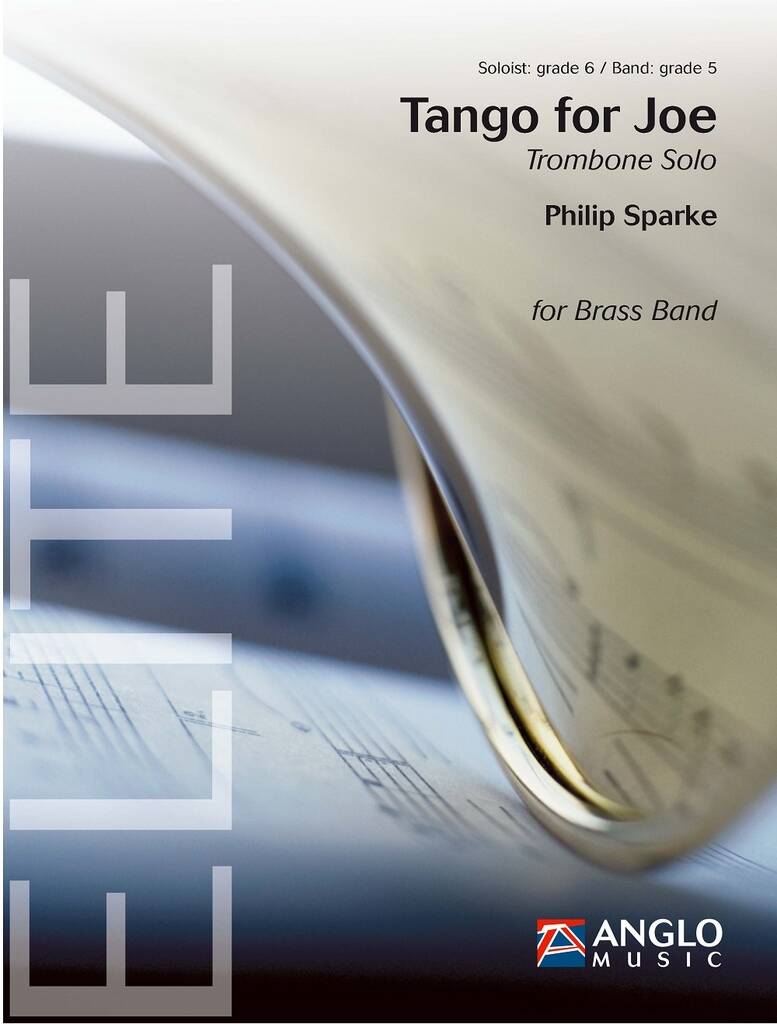
Tango for Joe - Philip Sparke
Gemini Concerto was commissioned by and written for Ryukoku University (Japan), Andre Henry and Shoichiro Hokazono. Set in three movements, the concerto aims to explore the close relationship, as solo instruments, between the cornet and euphonium, exploiting the many common factors between the two as well as the subtly different characteristics they possess in terms of both lyrical and rhythmic playing. The first movement is a bustling toccata and the second movement is lyrical and improvisatory in nature. A fantastic piece and a great addition to the repertoire!
Estimated dispatch 5-14 working days
-
 £154.60
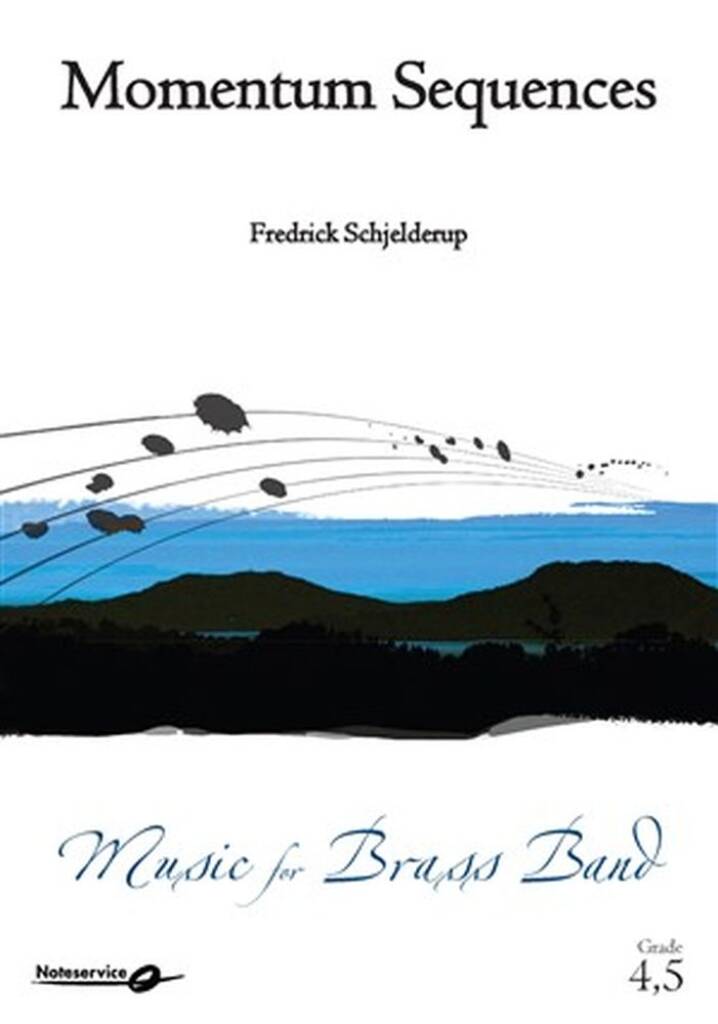
Momentum Sequences - Fredrick Schjelderup
Momentum Sequences was commissioned by Skjold Skoles Musikkorps (Norway) for their 60th Anniversary in 2021 (later adapted for brass band to Smoras Skolemusikk).The title of the term Momentum can be explained by an event that creates extra energy, or the driving force of a moving object. In this case, both the driving force,The energy and the object can be translated to the music, the conductor and the band.The piece is divided in three movements; I.Signals, II.Light and III.Finale which builds up the Momentum of the piece' character and theme.
Estimated dispatch 5-14 working days
-
 £154.99
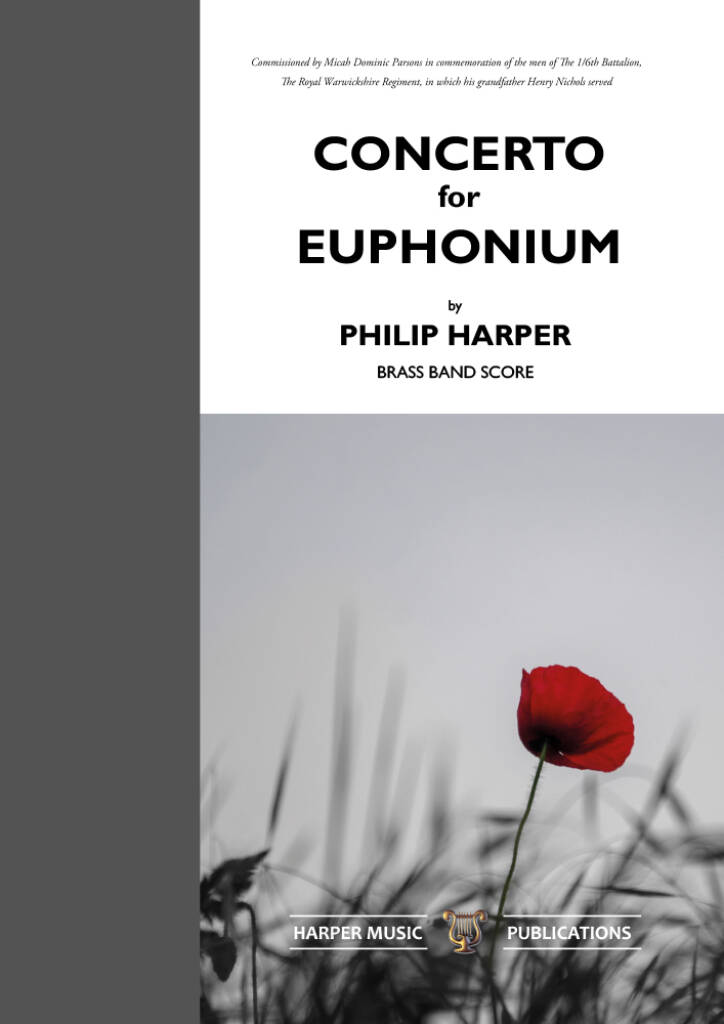
Concerto for Euphonium - Philip Harper
This Concerto for Euphonium casts the euphonium soloist as one of the young soldiers in a World War I battalion for an intensely intimate and visceral experience of events. However the music also portrays a more general human journey, and will appeal on a number of levels. There are three movements which have the following subtitles: I - Summer 1916 - Days of YouthII - Winter 1916 - The Weight of MaturityIII - 4th February 1917 - ReleaseAlthough challenging, the solo part is designed to be achievable by all ambitious euphonium soloists.
Estimated dispatch 5-14 working days
-
 £137.99
A Gabrieli Fantasy - Bert Appermont
In this five-movement work, Bert Appermont explores the possibilities that three choruses within a brass band have to offer. For this, he used the Canzon a 12 in echo by Giovanni Gabrieli, which he also used in 2018 for a double chorus trombone octet of the same name. There's a lot to be enjoyed in this fantasy, with its range of motifs, melodic cells and chords plus counterpoint techniques like the canon and imitations. An atmospheric piece of music that presents variation in sound and in stage arrangement as well!
Estimated dispatch 5-14 working days
-
 £72.99
Little Clover - Etienne Crausaz
Cornet solo commissioned by Carole Rudaz, a Swiss cornetist, on the occasion of her 40th birthday. Due to its rarity, the four-leaf clover is considered lucky in western culture. But the common three-leaf shamrock, also known as Little Clover, is one of the symbols of Ireland, whose traditional music greatly influenced the general aesthetics of this piece. The work is in three parts: the first, in 6/8, is very lively and virtuosic. After a short cadenza, the second part introduces a theme tinged with melancholy, while the last part is a dance in 2/2 that reprises the theme of the second part to conclude the piece.
Estimated dispatch 5-14 working days
-
 £104.99
Crossing Worlds - Thierry Deleruyelle
Crossing Worlds is a cornet concerto commissioned by the Swiss cornet player Kathleen Gaspoz who made history when after 200 years she became the first woman to hold the post of principal cornet in both the famous Brighouse & Rastrick Band and the Grimethorpe Colliery Band. Crossing Worlds is written in three separate movements ('Getaway', 'Skylights' & 'Welcome Parade') and follows the journey of a musician. Through their travels, the artist discovers a variety of countries, cultures and landscapes.
Estimated dispatch 5-14 working days
-
 £72.99
Pagan Songs - Etienne Crausaz
Written in three movements without a break, this work was inspired by melodies of a popular nature. The first movement features two opposing modal melodies: one is very bright and lively, the other dark and tuneful. Various motifs are developed to offer highly contrasting musical events. The second movement is very peaceful, with a melody resembling a lullaby. To conclude the piece, the last movement delivers a festive dance with a swing feel. Commissioned by the Swiss Music Association, this very accessible work is mostly intended for small ensembles or those with mixed instrumentation. The duration and conception of this piece makes it ideal for competitions and concerts alike.
Estimated dispatch 5-14 working days
-
 £26.00
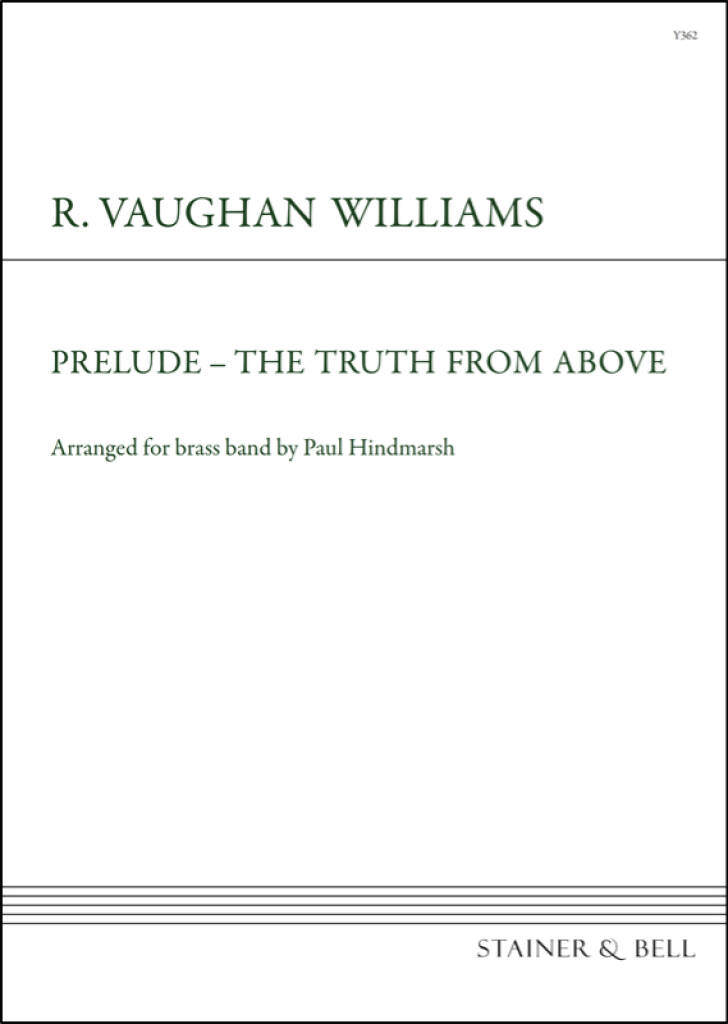
Prelude- The truth from above - Ralph Vaughan Williams - Paul Hindmarsh
In hisPrelude - The Truth from Above, outstanding arranger and curator Paul Hindmarsh has distilled the essence of a timeless Christmas classic by Ralph Vaughan Williams into five minutes of ravishingly unforgettable music for brass band. The variants of the Herefordshire tune popular from theFantasia on Christmas CarolsandThe Oxford Book of Carolsare skilfully and stylishly woven together, from an evocative opening to an ecstatic, multi-layered coda. Unerringly true to the timeless spirit of the original, with the added beauty of the brass-band sound at its most sonorously grave and haunting,Prelude - The Truth from Abovemay be performed separately, or as the first of two preludes, preceding Paul's arrangement ofRhosymedre from the Three Preludes Founded on Welsh Hymn Tunes, also available from Stainer & Bell.
Estimated dispatch 5-14 working days
-
 £169.99
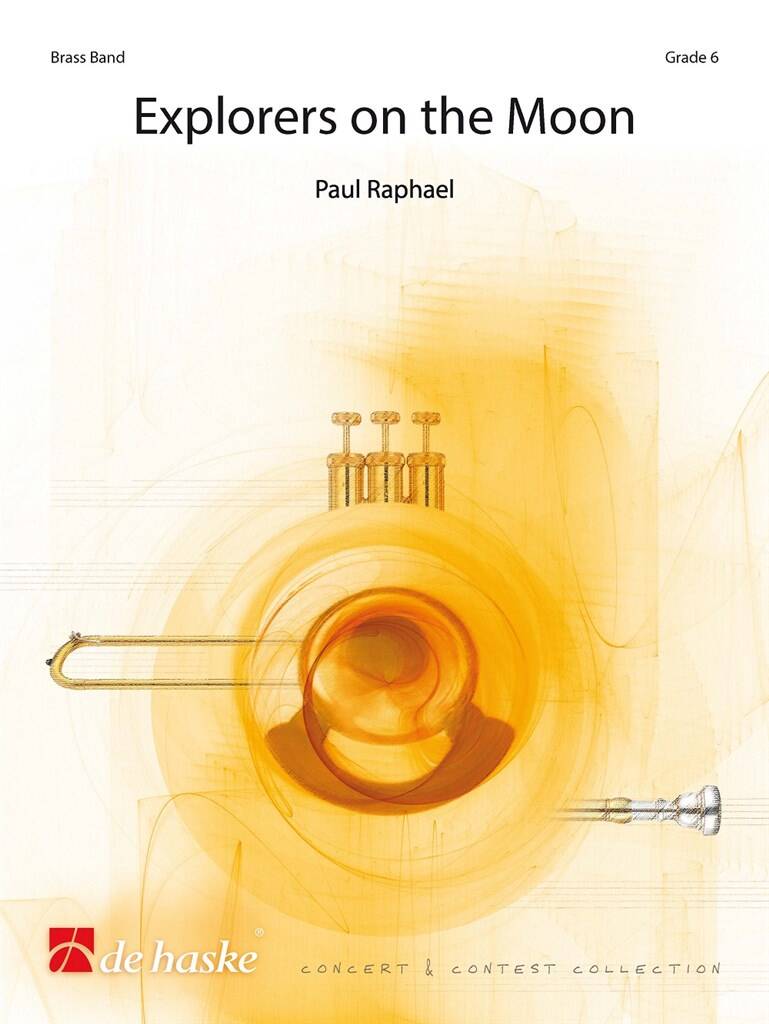
Explorers on the Moon - Paul Raphael
Composed by Paul Raphael, Explorers on the Moon, the sequel to his 2017 work Destination Moon, was composed in 2019 to commemorate the 50th anniversary of the 1969 Moon Landings. It is inspired by the Belgian author Herge and his most famous creation, Tintin. The music uses Herge's story from 1950 almost twenty years prior to the first ever moon landing - following Tintin and his fellow adventurers as they become the first humans on the Moon. This fantastic piece is split into three parts, titled 'Space', 'Nightmare Land' and 'The Journey Home' and is one of the most spectacular contest pieces in recent years.
Estimated dispatch 5-14 working days
 View Music
 Listen to MP3