
Results
-
 £23.95
The Red Kite (Euphonium Solo with Brass Band - Score and Parts) - Wiffin, Rob
At one time the Red Kite was close to national extinction in the UK but now it is possible to admire this distinctive bird of prey with its red colouring and forked tail. I love watching it soaring so gracefully through the sky. I attempted to catch that feeling in this solo composed for Martin Smith. In writing it I had in mind making the euphonium glide solitary and effortlessly, occasionally swooping down then reclaiming its high altitude.To create the desired atmosphere, I avoided too many root position chords and enhanced the feeling of floating by adding notes to a lot of the harmony, giving it subtle colour. The harmonic rhythm is slow but the movement switches in the way that the Red Kite can make slight changes of direction by minor adjustments of its tail. On top of this accompaniment the soloist is left to sing with a sense of grace and freedom.- Rob WiffinDuration: 3.45
Estimated dispatch 7-14 working days
-
 £69.99
Hymn to the Fallen (Brass Band - Score and Parts) - Williams, John - Sparke, Philip
Saving Private Ryan is certainly one of Steven Spielberg's most powerful films. The brilliant John Williams score creates part of this power. Hymn to the Fallen one of the most powerful and emotional melodies which appears during the closing credits, evokes a feeling of hope and strength amid the overall tone of reverence. Philip Sparke has transcribed this moving work for brass band using John Williams original orchestral score as the source.Duration: 6:00American Grade 4Recorded on Anglo AR 015-3 The Bandwagon
Estimated dispatch 7-14 working days
-
 £60.99
Crazy Music in the Air (Brass Band - Score and Parts) - De Haan, Jacob
This composition in two parts is one of the first successful works Jacob de Haan published for brass band. Somewhat under the influence of Ted Huggen's Choral and Rock Out which was an overwhelming success at the time, the still very young Jacob de Haan wrote this composition. The first part (Air) exists of a choral melody with baroque grace notes, supported by a pop rhythm in the drums. The second part (Crazy Music) is a swinging bossa nova, in which various instrument groups present themselves in the continuously varying themes. The famous Black Dycke Mills Band contributed to the success of Crazy Music in the Air by regularly putting the piece on its tour programmes.Duration: 4:45
Estimated dispatch 7-14 working days
-
 £40.00
Great Gate of Kiev, The (from Pictures at an Exhibition) (Brass Band - Score and Parts) - Mussorgsky, Modest - Littlemore, Phillip
Modest Mussorgsky was a close friend of the young artist and architect Victor Hartmann, and his death in 1873 plunged Mossorgsky into a deep depression. The following year a memorial exhibition in St. Petersburg displayed Hartmann's paintings, costumes, architectural designs and sketches. Mussorgsky's visit to it, combined with his desire to write a piece in his friend's memory, inspired him to compose his?Pictures At An Exhibition?for piano. A suite of ten movements, with a recurring Promenade theme, it is one of the composer's most famous works and regarded as a showpiece for virtuoso pianists. It is perhaps the orchestral transcription made by Maurice Ravel in 1922 that is now the most famous version of it. This arrangement opens with a brief excerpt from?The Hut on Fowl's Legs, which was based on a painting of an elaborately carved clock depicting Baba Yaga, a horrible tiny witch that feasts on human bones. The tenth, and final picture in Mussorgsky's masterpiece is commonly referred to as?The Great Gate of Kiev, although it's literal translation is The Bogatyr Gates -- a Bogatyr being a hero figure in medieval East Slavic legend. It features a grand main theme that is interspersed with a more solemn hymn-like secondary theme. The work closes with a grand final rendition of the Promenade theme that almost grinds to a halt at what must be the foot of what were to be magnificent ceremonial gates (although they were never actually built!). Duration: 6:00
Estimated dispatch 7-14 working days
-
 £54.95
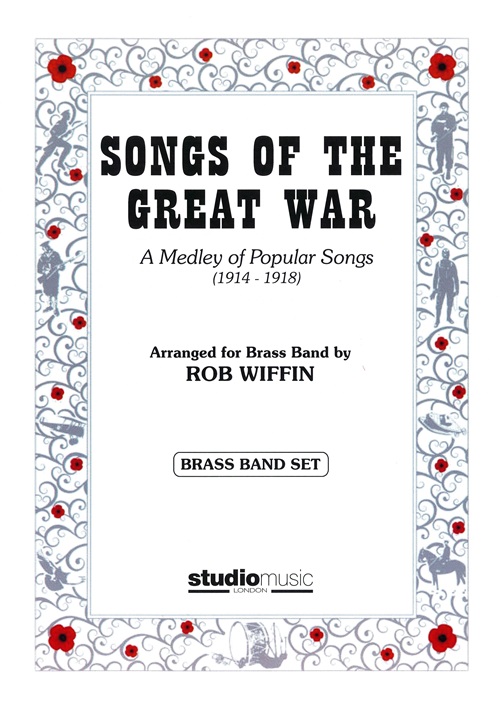
Songs of the Great War (Brass Band - Score and Parts) - Wiffin, Rob
A Medley of Popular Songs, 1914 - 1918Music of the Great War is a five year project to use music of the period to educate and engage schools, colleges, town bands, and the wider public across the UK and the world to learn in a positive way about the events, the experience of the troops involved from all sides, and how music played its part.This year, to commemorate the centenary of the Great War a specially arranged medley Songs of the Great War has been created. The medley has been arranged for bands to rehearse and eventually perform on the 11 November 2015. It brings together some of the most popular tunes played, sung and performed by the men and women of the time - in the trenches and on the various home fronts.With the support of many countries and organisations, on the 11 November the medley will be first played in New Zealand and Australia. It will ripple east across the world being performed in countries like India and Pakistan before hitting Europe and onwards to include performances in Canada and the Caribbean. This could become one of the most played pieces of music in a 24-hour period.In Britain, there will be performances across the country, including some at key events and sites involving a wide range of military and non-military personnel.The medley includes:It's a Long Way to TipperaryYour King and Country Want YouGood Bye-eeOh! It's a Lovely WarHello! Hello! Who's Your Lady FriendTake Me Back to Dear Old BlightyMademoiselle from ArmentieresThere's a Long, Long Trail A-windingIf You Were the Only Girl in the WorldPack Up Your Troubles (In Your Old Kit Bag)Old Soldiers Never Die/Last Post
Estimated dispatch 7-14 working days
-
 £69.99
The Greatest Show (from The Greatest Showman) (Brass Band - Score and Parts) - Pasek & Paul - Sparke, Philip
The Greatest Showman is definitely one of the most popular movie musicals of recent years. The film's stunning lead performance by Hugh Jackman and its touching score have made this picture an instant classic. The mind-blowing theme song The Greatest Show is here arranged for brass band by Philip Sparke.Duration: 03:45
Estimated dispatch 7-14 working days
-
£24.50
Wedding Music (Selections For A Wedding) - Various - Gavin Somerset
With more and more brass bands performing at weddings, having the correct music is essential for the couple's perfect day. With most of the traditional wedding music coming from large overtures & operas etc, this unique pack of music has been specially designed to minimise fuss (all 4 pieces are printed on just one sheet per part) and have just the "famous" bits included. Specially arranged by Gavin Somerset so that the pieces included can be performed from anything ranging from a full brass band to a brass quintet group and with repeats that can be cut or performed to tailor to each event. The pieces areaABRIDAL CHORUS (from Lohengrin) By Richard Wagner"Here comes the bride"aA is the standard march played for the bride's entrance at many formal weddings. The wedding between Elsa and Lohengrin however was almost an immidiate failure!PACHELBEL'S CANON By Johann PachelbelFormally known as the Canon & Gigue in D and originally composed for a string quartet, the Canon part of the composition has become a favorite at weddings, either as an alternative to the Bridal Chorus (above) or used during the signing of the register. The convention in the Baroque era would have been to play a piece of this type in the moderate to fast tempo, however at weddings it has become fashionable to play the work at a slow tempo.WEDDING MARCH (from "A Midsummer Night's Dream") By Felix MendelsshonPopularized by Princess Victoria's wedding to Prince Frederick William of Prussia and coupled with the Bridal Chorus for the entry of the bride, this Wedding March is often for the recessional at the end. Prelude to "Te Deum" By Charpentier Another item now popular in its use during weddings for its bright fanfares. Many composers have written music to the "Te Deum" text (Te Deum being an early Christian hymn of praise, used still regularly in the R.C Church). The prelude by Charpentier is by far one of the most famous
In Stock: Estimated dispatch 1-3 working days
-
 £29.50
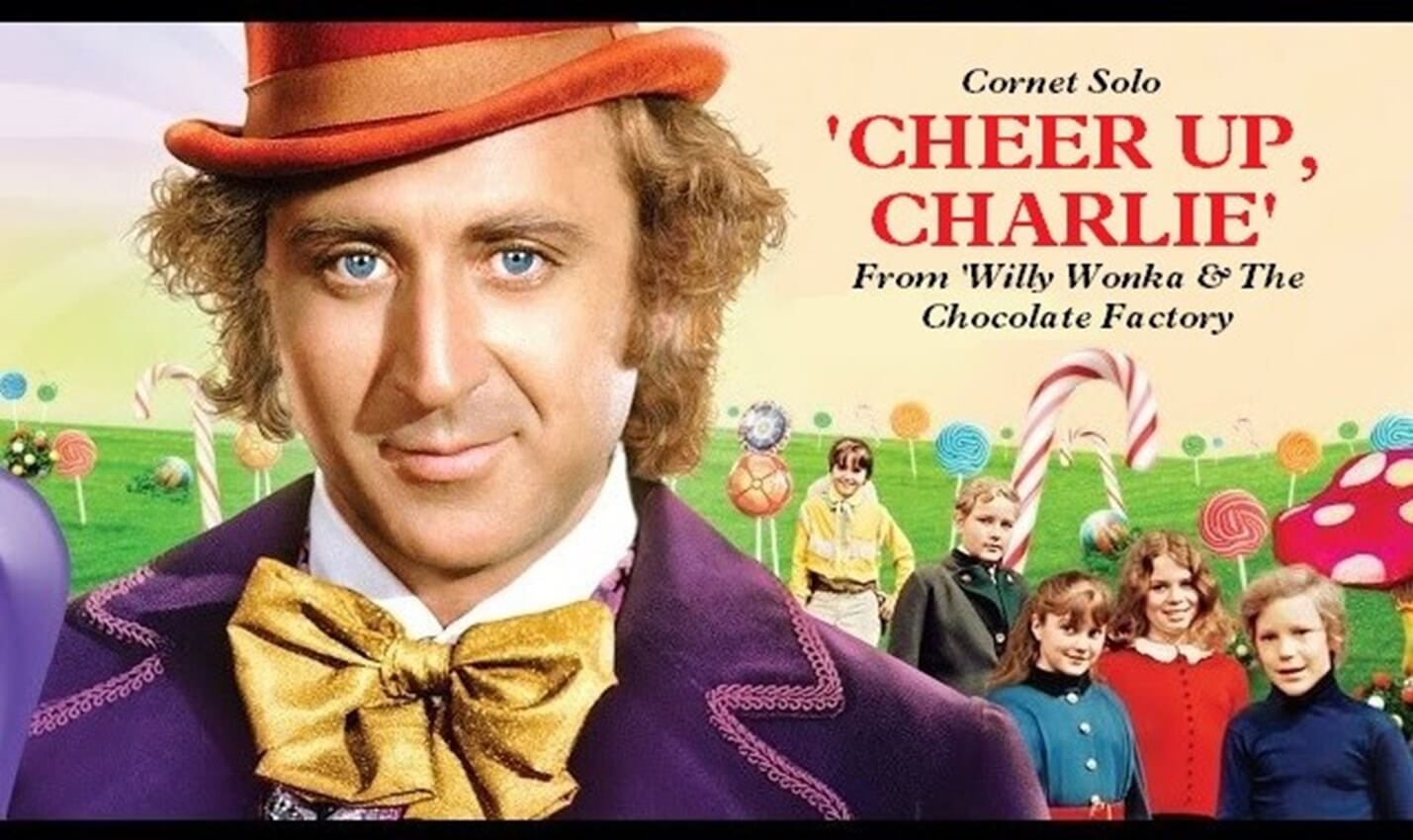
Cheer Up, Charlie - Leslie Bricusse & Anthony Newman - Gavin Somerset
This fresh new cornet solo comes from one of the greatest loved movies of all time. Featuring alongside musical hits such as Pure Imagination and The Candy Man, 'Cheer Up, Charlie' is probably one of the most underrated musical numbers from the film, Willy Wonka & The Chocolate Factory. In the film, the song is sung by Charlie's mother, whilst young Charlie ponders the life he believes lay ahead for him. With a complex chord structure, the band parts remain interesting throughout whilst the lyrical solo line can shine in this beautiful, melodic work. A great 'slow melody' solo item and one that works on both concert and contest stages. To download the playback audio to play along to, please RIGHT CLICK HERE & Save As .
In Stock: Estimated dispatch 1-3 working days
-
 £29.50
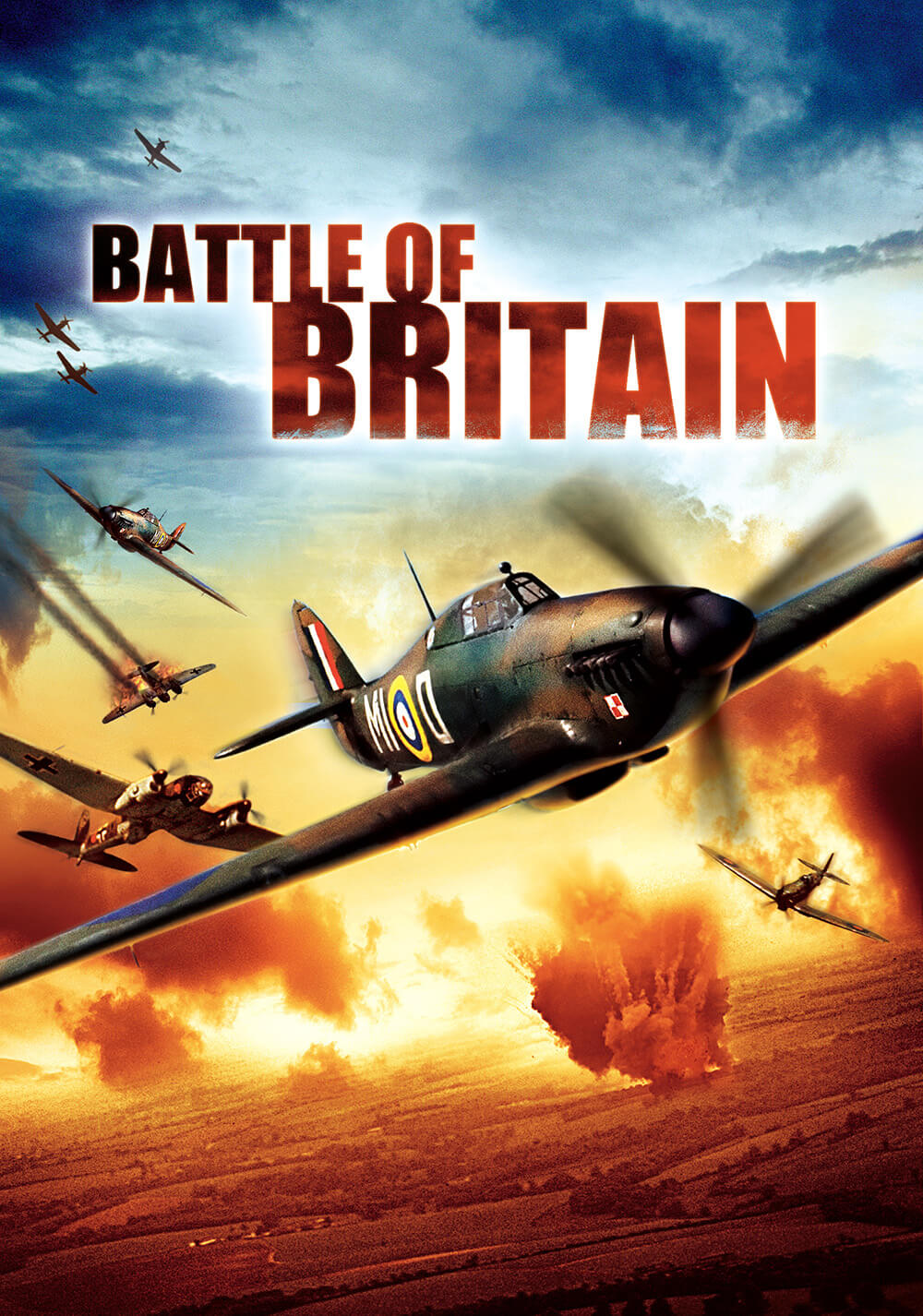
Battle of Britain - Ron Goodwin - Gavin Somerset
From the 1969 motion picture comes the overture from the epic war film, The Battle of Britain. The film tells the story of the summer 1940 where the British RAF, outnumbered, yet with radar on their side, strategically defeated the Luftwaffe. Unusually for a film, this picture had two scores composed, one by Sir William Walton and the other by Ron Goodwin. Following a decision made by those in charge at United Artists, only one segment of Walton's score was used to feature during the epic air battle scene. The remainder of the film's music fell to Ron Goodwin's who gave us the now famous title "Aces High" and the main theme. This is a perfect addition to any band programme and one that audiences are sure to enjoy. To download the Solo Cornet part, please CLICK HERE . To download the Solo Horn part, please CLICK HERE . To download the Solo Euphonium part, please CLICK HERE . To download the playback audio to play along to, please RIGHT CLICK HERE & Save As .
In Stock: Estimated dispatch 1-3 working days
-
 £37.50
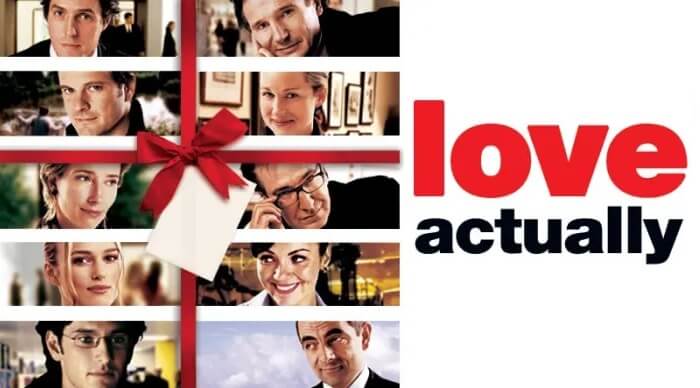
Love Actually - David Arnold - Gavin Somerset
This hit British comedy film set in the build up to Christmas, features just about every emotion you can imagine which helped to make it one of the most popular films of all time. With an all-star cast, the film is backed with a stunning soundtrack by David Arnold, tugging at the heartstrings and uplifting the audiences simultaneously. Also featured in this selection, is the title 'Christmas Is All Around Us' featuring the trombone section in this comic number. Beautifully arranged, this title is a must have for your festive concerts this year giving you a work that audiences will remember with the smiles, laughter and tears that the film evokes.
In Stock: Estimated dispatch 1-3 working days
 View Music