
Results
-
 £69.99
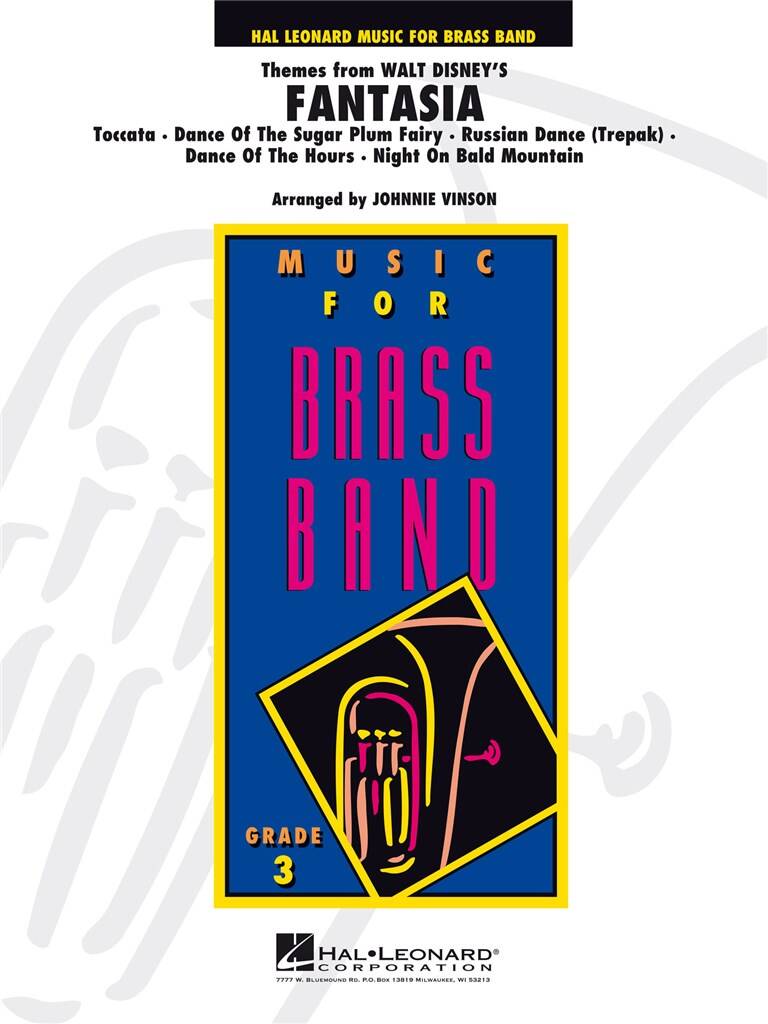
Themes from Fantasia - Johnnie Vinson
A very playable medley from the classic movie 'Fantasia' containing 'Toccata', 'Dance Of The Sugar Plum Fairy', 'Russian Dance (Trepak), 'Dance Of The Hours' and 'Night On Bald Mountain'. Ideal for young bands and very entertaining for your audience!
Estimated dispatch 5-14 working days
-
 £54.99
Themes from Fantasia (Brass Band - Score and Parts)
A very playable medley from the classic movie 'Fantasia' containing 'Toccata', 'Dance Of The Sugar Plum Fairy', 'Russian Dance (Trepak), 'Dance Of The Hours' and 'Night On Bald Mountain'. Ideal for young bands and very entertaining for your audience!
Estimated dispatch 7-14 working days
-
 £69.99
FANTASIA (Themes from) (Brass Band) - Vinson, Johnnie
Grade: Easy Duration: 6:02
Estimated dispatch 7-14 working days
-
 £30.00
Fantasia on themes by Purcell - Ian Shepherd
Fantasia consists of three distinct sections that use thematic material from three separate pieces by Henry Purcell. The first section is based on the march from Funeral Music for Queen Mary which is dramatically dark and powerful but also uplifting. The Second section uses the devastatingly beautiful aria Dido's Lament or When I am laid in earth from the opera Dido and Aeneas as its basis and builds to enormous proportions, unlike the original aria. The third section begins with a haunting reference to the Rondo from Abdelazer. Gradually, this builds towards an exciting re-statement of the theme in the first section to the finale.
-
 £43.00
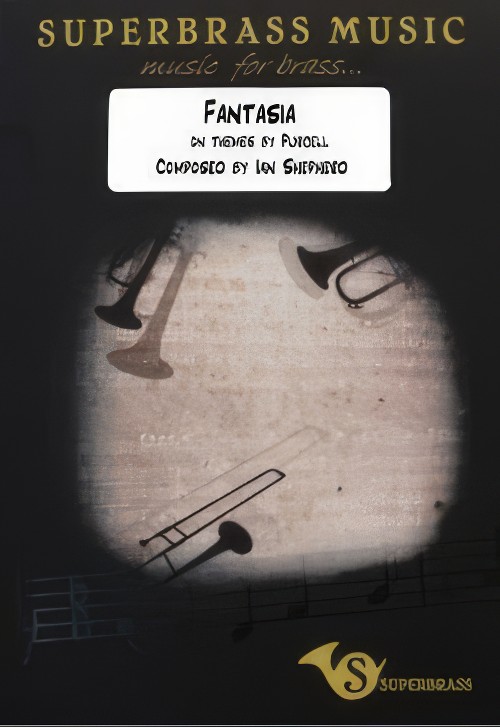
Fantasia on Themes by Purcell (Brass Band - Score and Parts) - Shepherd, Ian
Fantasia consists of three distinct sections that use thematic material from three separate pieces by Henry Purcell. The first section is based on the march from Funeral Music for Queen Mary which is dramatically dark and powerful but also uplifting. The Second section uses the devastatingly beautiful aria Dido's Lament or When I am laid in earth from the opera Dido and Aeneas as its basis and builds to enormous proportions, unlike the original aria. The third section begins with a haunting reference to the Rondo from Abdelazer. Gradually, this builds towards an exciting re-statement of the theme in the first section to the finale. Duration: 8.30
Estimated dispatch 7-14 working days
-
£76.99
Contrasten - Jan de Haan
The source of inspiration for the composer was the nuclear disaster in Chernobyl in Russia. The first movement Ostinato expresses desperation, helplessness, fear and anger. The themes from the first movement are further exposed in the second movement Fantasia which has a spectacular finale. In 1989 this composition was the test-piece for the finals in the fourth section of the National Brassband Championships of Great Britain.
Estimated dispatch 5-14 working days
-
 £51.95
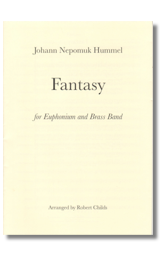
Fantasy - and Robert Childs
In the late eighteenth and early nineteenth centuries the 'fantasia' or 'pot-pourri' was a popular genre built on a selection of hit tunes of the day. Hummel wrote three such works, for guitar, cello, and viola; this arrangement is based on a shortened version of the work for viola and orchestra. The original, published as Hummel's Opus 94, dates from about 1820 and includes themes from Mozart's Don Giovanni, The Marriage of Figaro, Die Entfuhrung aus dem Serail, and Rossini's Tancredi.
Estimated dispatch 7-9 working days
-
 £76.99
Contrasten (Brass Band - Score and Parts) - De Haan, Jan
The source of inspiration for the composer was the nuclear disaster in Chernobyl in Russia. The first movement Ostinato expresses desperation, helplessness, fear and anger. The themes from the first movement are further exposed in the second movement Fantasia which has a spectacular finale. In 1989 this composition was the test-piece for the finals in the fourth section of the National Brassband Championships of Great Britain.Duration: 11:30
Estimated dispatch 7-14 working days
-
 £30.00
Los Canarios - Gaspar Sanz
Gaspar Sanz (1640-1710) "The Master of the Spanish Baroque Guitar" was an Aragonese composer, guitarist, organist, teacher and priest born to a wealthy family in Calanda near Teurel. He studied music, theology and philosophy at the University of Salamanca, where he was later appointed Professor of Music. He wrote three volumes of works and studies for the Baroque guitar that form an important part of today's classical guitar repertory. The ninety guitar works he wrote included works both for the punted (pluck) and rasqueado (strummed) styles. He was also well known as a poet and writer. The Spanish composer Joaquin Rodrigo composed his famous "Fantasia para un Gentilhombre" on themes taken from Sanz's guitar works.
 View Music