
Results
-
£37.50
Brass Monkey's Classical - Gavin Somerset
This release from the 'Brass Monkeys' series introduces your training band to some of the best-loved classical music around. Each piece contains a different challenge and something new to learn. With an opening from Clarke, marches from Tchaikovsky & Elgar, a lullaby from Brahms and memorable music from Dvorak & Holst, this is the perfect way for your learners to start playing some of the world's most famous melodies. The music in this publication is also a great way for your training band to join in on concerts with the senior band. This final item, 'Jupiter' from Holst's 'The Planets' has as well as the main melody, an optional, slightly more difficult section so the players have something to work towards even after conquering the main bulk of the work. Music included isaATRUMPET VOLUNTARY (Prince Of Denmark's March)MARCH SLAVEGOOD EVENING, GOOD NIGHT (Brahms' Lullaby)LARGO (From The 'New World Symphony')POMP & CIRCUMSTANCE No.1 (Land Of Hope & Glory)JUPITER (From 'The Planets')
In Stock: Estimated dispatch 1-3 working days
-
 £29.50
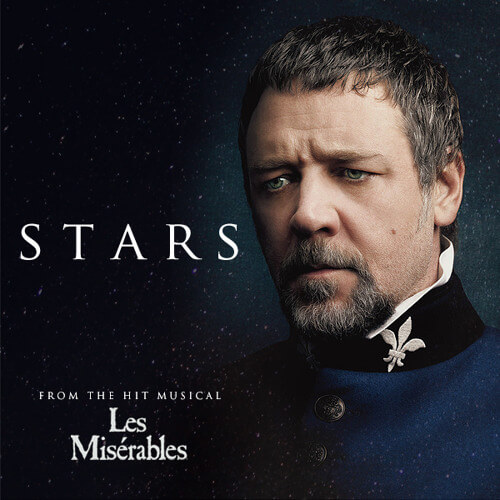
Stars - Schoenberg - Andi Cook
This special arrangement by Andrew Cook was a commission by Rob Westacott to perform with the world famous Grimethorpe Colliery Brass Band. The musical Les Miserables is the 3rd longest running show in Broadway history. The superb arrangement captures all the feelings of the original work and was given its debut performance at Parr Hall in Warrington on Saturday 27th March 2010. The work, arranged for one of the greatest cornet players, with one of the world's greatest brass bands, is a must in any cornet soloist's repertoire.
In Stock: Estimated dispatch 1-3 working days
-
 £44.50
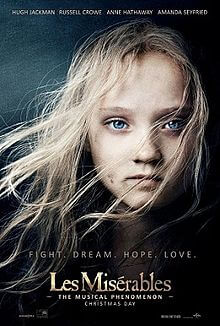
Les Miserables (Concert Suite) - Alain Boublil and Claude-Michel Schonberg - Gavin Somerset
Based on the book by Victor Hugo, Les Misrables has been entertaining audiences around the world since its first performance in London in 1985. Whilst the initial critical reviews were not favourable, the paying public disagreed and the success of the West End musical led to a Broadway production. The show had a big revival in 2012 with the release of the hit film. In this new specially arranged Concert Suite, which features a built in encore - the Epilogue to the show (should you wish to use it) and an optional cut omitting the more difficult sections (making the work accessible to lower section bands), this work gives your band the chance to bring a touch of Broadway to your audience. The Suite features the Prologue, On My Own, Bring Him Home, Master of the House, One Day More & Can You Hear The People Sing? A great audience pleaser and grand concert or contest work that belongs in every bands library.
In Stock: Estimated dispatch 1-3 working days
-
 £37.50
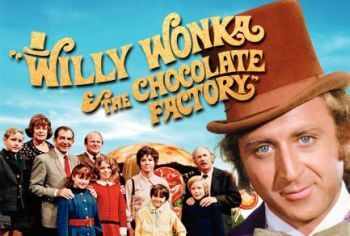
Willy Wonka (Selections From) - Leslie Bricusse & Anthony Newman - Gavin Somerset
Few people have not seen the 1971 film starring Gene Wilder as the eccentric chocolatier, offering tours of his chocolate factory to those lucky enough to find the hidden golden ticket. Whilst initialy a box office failure, the film went on to become a favourite in households across the world, years after its initial release. Now for the first time, your band can enjoy the music from the film in this selection that includes 'Golden Ticket', 'The Candy Man' and of course, the unforgettable 'Pure Imagination'. The music of Leslie Bricusse & Anthony Newley has been a hit for many years and continues to make TV and radio appearances. 'The Candy Man' was perhaps best known when covered by Sammy Davis Jr where it made it to number one in the USA. 'Pure Imagination' has been used countless times in adverts in the media and more recently, recorded by Jamie Callum for his album 'Momentum'. 'Pure Imagination' can also be performed as a stand-alone item. This is truly an all-time classic filled with a feast of musical variety that fits well into just about any concert. A must for all band libraries. To download the Solo Cornet part, please CLICK HERE . To download the Solo Horn part, please CLICK HERE . To download the Solo Euphonium part, please CLICK HERE . To download the playback audio to play along to, please RIGHT CLICK HERE & Save As .
In Stock: Estimated dispatch 1-3 working days
-
 £29.50
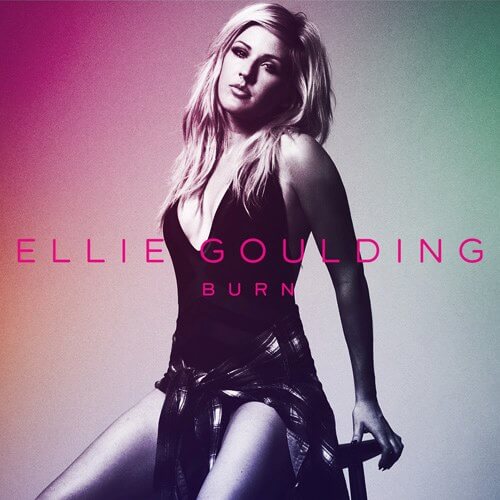
Burn - Ellie Goulding - John Lee/G Somerset
Seen as one of Ellie Goulding's more radio friendly singles, the track became an instant hit and held the number one spot in the UK charts for three consecutive weeks. The continuous driving rhythms underneath the melodic lines mean the work lends itself well to the Brass Band medium. With the track growing in popularity across the world, this release shows off the versatility of a brass band perfectly and will find favour with younger audiences and players.
In Stock: Estimated dispatch 1-3 working days
-
£37.50
Brass Monkey's Occasions - Gavin Somerset
Never be caught out again on a concert with this selection that caters for just about every occasion. Your training band will be prepared to perform anything from a Fanfare to the National Anthem and even 'He's A Jolly Good Fellow'. The music included in this publication is used all over the world, all year around. "Land Of Hope & Glory" is also included, in the same key as the popular senior band arrangement (by J. Ord Hume) so your training band can join in with the senor band in a proms concert finale. This release puts well-known, often requested tunes in one publication letting your training band shine, whatever the occasion. Music included isaAFANFARENATIONAL ANTHEM (God Save The Queen/King)ROYAL NAVY HYMN (Melita)HARVEST HYMN (St. George's Windsor)ONWARD CHRISTIAN SOLDIERS (St. Gertrude)DANNY BOY (Londonderry Air)HE'S A JOLLY GOOD FELLOWF.A. CUP THEME (Eventide)LAND OF HOPE & GLORY (Pomp & Circumstance March No.1)
In Stock: Estimated dispatch 1-3 working days
-
 £29.50
Countryfile - David Lowe - Guy James
First broadcast in 1988, the popular BBC programme airs weekly visiting various locations reporting on rural, agricultural, and environmental issues in the United Kingdom. With millions of viewers around the world (as far as New Zealand), the Coutryfile Calendar remains one of the highlights of the year with sales from the calendar raising millions of pounds for BBC Children In Need. This driving theme tune from composer David Lowe is an audience friendly work that that will be recognised across the country by listeners and players alike.
In Stock: Estimated dispatch 1-3 working days
-
 £29.50
Empty Chairs at Empty Tables - Schonberg, Boublil & Kretzmer - Cathryn Rogers
Les Miserables has been entertaining thousands of people the world over since its premiere in Paris in 1980. With a hit soundtrack of memorable songs, Empty Chairs at Empty tables is one of the more reflective works from the musical. As Marius' returns to the caf alone, the solo survivor following the battle (other than Jean Valjean), he regrets and reminisces over the loss of his friends in this moving work that, like many other titles from the musical, works extremely well for Brass Band. A great addition to any concert programme and a sure hit with audiences across the globe.
In Stock: Estimated dispatch 1-3 working days
-
 £29.50
Pie Jesu (From Requiem) - John Rutter - Adam Rutter
John Rutter's music is known across the world for its simplicity and memorable melodies. The 'Pie Jesu' from his requiem is certainly no exception. First performed in Dallas, Texas in 1985, the 6 movements completed Rutter's setting of the Roman Catholic Mass. The third movement (the 'Pie Jesu') is typical of the composer, featuring a strong melody line with subtle accompaniments. Now arranged for Solo Cornet by Adam Rutter, this slow melody allows the soloist to shine in one of the finest and most famous settings of the work to date. A great addition to any concert & soloists repertoire.
In Stock: Estimated dispatch 1-3 working days
-
£24.50
Sobre Las Olas - Juventino Rosas - Chris Gorman
This is possibly one of the best-known tunes around the world and is speculated to heard in more motion pictures than any other song. However, if you asked someone to "name that tune", then most would probably struggle. This classic Waltz has mistakenly in the past thought to be Viennese and has frequently thought to be the work of Johann Strauss II. The music is the most famous work of the composer and has long been associated in the US with fair ground rides and trapeze artists. This arrangement of the original work by Chris Gorman makes a perfect classical "Overture" work for your concert program.
In Stock: Estimated dispatch 1-3 working days
 View Music