
Results
-
 £32.95
Little Suite for Brass No.1 Op.80 (Score Only)
The three movements are: Prelude; Siciliano; Rondo.
Estimated dispatch 7-14 working days
-
£69.95
Serenade Op.20 (Score and Parts)
The three movements include: Allegro Piacevole; Larghetto; Allegretto.
Estimated dispatch 7-14 working days
-
£32.95
Serenade Op.20 (Score Only)
The three movements include: Allegro Piacevole; Larghetto; Allegretto.
Estimated dispatch 7-14 working days
-
 £64.95
Three Pieces (from The Music Hall Suite)
Includes: Soft Shoe Shuffle; Adagio Team; Les Girls
Estimated dispatch 7-14 working days
-
£29.50
Celebration - Lawrence Killian
Celebration for Brass Band is a suite of music in three movements.The piece's overall aim is to provide both the players and the audience with a positively uplifting and fun musical showcase. The listener is taken on a journey through the various moods and feelings associated with three types of celebration: birthday, anniversary, and jubilee. The music is generally light in character, a subtle blend of the familiar and not-so-familiar, with a few 'cheesy bits' to make you smile in between.The first movement is 'Birthday Treat', a light-hearted look at the fun and games surrounding a birthday party for any age. Opportunity is given within the music for the players and audience to join in and echo the sounds of a live party with exclamations of: "Happy Birthday!", "Congratulations!", "Well done!".The second movement in the suite is 'Anniversary', a touching musical tableau recalling memories of bygone days.The final movement, 'Jubilee', is precisely that. Full of jubilation, energy, and carnival, the music will engage the listener from the start. Listen out for musical snippets recalling the musical moods heard earlier in the first two movements.
In Stock: Estimated dispatch 1-3 working days
-
£29.50
Isle of Music - Max Stannard
This piece was written for the Friezland Band tour of the Isle of Man in 2025. It was performed as part of all three concerts the band gave in Douglas, Onchan and Castletown. It consists of three Manx traditional melodies which begins with a setting that incorporates driving energy into the song 'Arrane ny Niee', followed by the more plaintiff and reflective 'Arrane Oie Vie', before a lively finale of 'Hunt the Wren'. Duration c. 5 minutes
In Stock: Estimated dispatch 1-3 working days
-
 £29.50
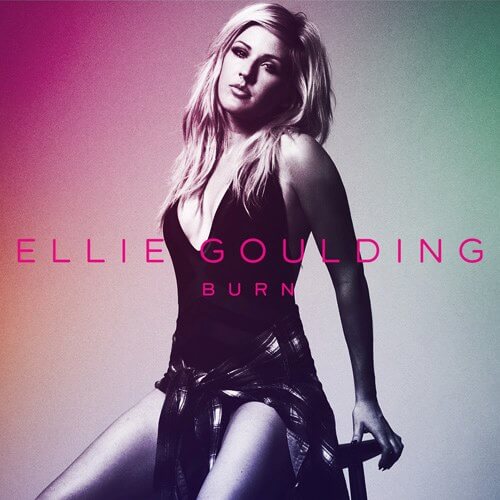
Burn - Ellie Goulding - John Lee/G Somerset
Seen as one of Ellie Goulding's more radio friendly singles, the track became an instant hit and held the number one spot in the UK charts for three consecutive weeks. The continuous driving rhythms underneath the melodic lines mean the work lends itself well to the Brass Band medium. With the track growing in popularity across the world, this release shows off the versatility of a brass band perfectly and will find favour with younger audiences and players.
In Stock: Estimated dispatch 1-3 working days
-
 £37.50
A Coventry Rhapsody - Karl Whelan
For bands searching for an 'Overture' kind of work to programme into their Christmas concerts, look no further. "The Coventry Carol" dates back to the 16th century and is one of three songs from a nativity play entitled "Pageant of the Shearman and Tailors" which was traditionally performed in Coventry. The carol itself depicts the "Massacre of the Innocents" in the nativity narrative from the "Gospel of Matthew", in which King Herod, orders the execution of all baby boys under the age of two in the vicinity of Bethlehem. In this Rhapsody, Karl Whelan takes the familiar tune and turns it into an impressive showcase for bands looking to give the audience something different and very enjoyable for their festive concerts.
In Stock: Estimated dispatch 1-3 working days
-
£29.50
Fanfare & Funk - Sam Fisher
This original work for brass band is the perfect choice to open a concert of contest programme. At just over three minutes, the music is in two clear sections, depicting the contrasting styles of traditional fanfare and modern funk. After a flourishing fanfare opening, the Cornets and Trombones lead a verse of the opening motif, accompanied by a rhythmically diminished version of the same motif from the Euphoniums and Baritones. This ostinato then leads us into a great entertaining funk section, with each section of the band rising to their feet as the piece builds to an exciting finale that is sure to engage audiences of all ages!
In Stock: Estimated dispatch 1-3 working days
-
 £29.50
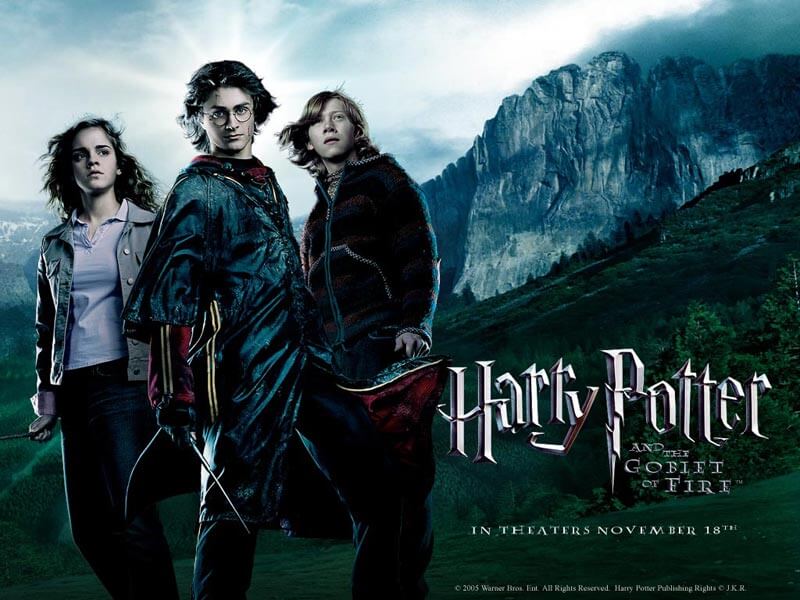
Hogwart's March - Patrick Doyle - George Marshall
From the fourth installation of the Harry Potter series comes 'Harry Potter & The Goblet of Fire'. This was the first of the Harry Potter films not to be scored by John Williams. Instead, Scottish Composer, Patrick Doyle was handed the gauntlet and he produced a gem of a score that lived up to the magic on screen. Although darker than the previous three films, the light-hearted 'Hogwart's March' featured predominantly at the Triwizard tournament. Now available for band, this work is perfect for band's looking to add a little magic to their programme. Instantly recognisable by the younger players and audience, and a different take on the traditional Brass Band march. To download the Solo Cornet part, please CLICK HERE . To download the Solo Horn part, please CLICK HERE . To download the Solo Euphonium part, please CLICK HERE . To download the playback audio to play along to, please RIGHT CLICK HERE & Save As .
In Stock: Estimated dispatch 1-3 working days
 Listen to MP3
 View Music