
Results
-
£115.60
Speedy Dreams - Jerker Johansson
Speedy Dreams was premiered by Goteborg Wind Orchestra in 2013 with Fredrik Duvling as snare drum soloist. The composer Jerker Johansson is a percussionist himself, so through the years he has spent lots of time practising the snare drum. Theinspiration to the composition came to him in a dream, which was about yet another dream:On the evening of Christmas Eve a small child is trying to go to sleep. It is not so easy. Earlier in the day the child has got a small drum as aChristmas present. So instead of sleeping the child is fantasising about the new toy drum and how exciting it will be to learn how to play it.
Estimated dispatch 5-14 working days
-
 £101.30
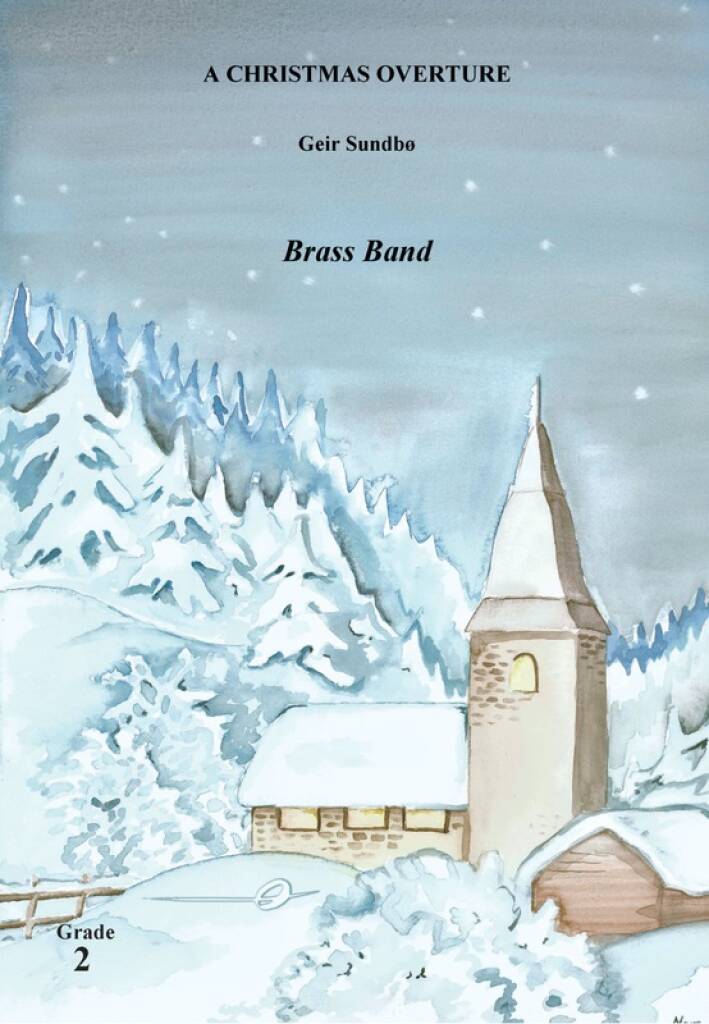
A Christmas Overture - Geir Sundbø
This original overture tries to catch the atmosphere and mystery of the Christmas time.The composer remembers well how it was to wake up in the middle of the night, with a very special excitement to what the Christmas would bring ofsurprises.
Estimated dispatch 5-14 working days
-
 £115.60
Prinsessen pa (fj)erten - Haakon Esplo
In this little suite in three movements, your young musicians really can be creative and have fun.Of course, a story must be written about the unfortunate princess who ate pea soup and got to let a small fart. Maybe one or more should dress up and play the princess and other roles? And who will be the lucky one who gets the honourable assignment to be a soloist on a fart cushion - probably for the first time in the history of your band? Maybe all the musicians should have one each?Think what a great finale at the last movement that could be.Good luck!
Estimated dispatch 5-14 working days
-
 £60.99
Arsenal - Jan Van der Roost
Arsenal was composed for the 50th anniversary of the 'Harmonie van het Spoorwegarsenaal'[railroad arsenal], based in Mechelen (Belgium). Rather a stately concert march, it has beautiful themes and a broad melody in the trio. It was premiered in the Mechelen Cultural Center on the 11th of May 1996 during the solemn ceremony, opening the anniversary year and conducted by the composer. In the mean time, Arsenal has been recorded several times by such renowed performers like the Tokyo Kosei Wind Orchestra, the Black Dyke BB etc.
Estimated dispatch 5-14 working days
-
 £139.00
I Believe - Eric Levisalles - Reid Gilje
I Believe is a beautiful ballad composed by Eric Levisalles.This arrangement is written for Flugelhorn and Euphonium as soloists with Brass band.You might very well listen to the recording by Andrea Bocelli and Cecilia Bartoli to get an impression of mood and character.This arrangement was done at the end of the corona pandemic and performed for the first time on February 12th 2022, the same day as Norway re-opened after nearly two years of corona-restrictions.
Estimated dispatch 5-14 working days
-
 £137.70
Why Not? - Michel A. Camilo - Lars Erik Gudim
"Why Not?" is the most well-known piece by Dominican Republic pianist/composer Michel Camilo. It appeared for the fist time on his 1984 album record "French Toast". He re-recorded it in 1985 for the "Why Not?"-album whoich is among his best-selling to date. The song has also been recorded by other artist like the vocal group The Manhattan Transfer. "Why Not?" ia a modern latin-jazz classic and this demaning arrangement for Brass Band captures the featureless and musical challenges of the original piece.
Estimated dispatch 5-14 working days
-
 £84.99
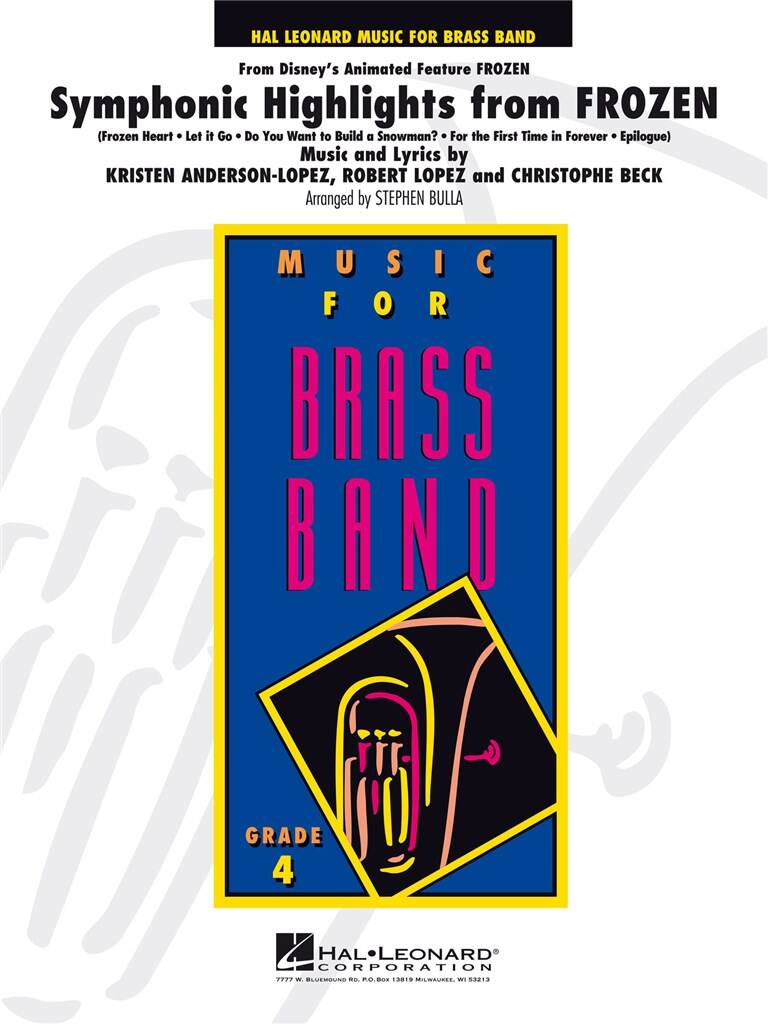
Symphonic Highlights from Frozen - Stephen Bulla
Using excerpts from the soundtrack in addition to the familiar hit songs, Stephen Bulla has created a dramatic and exciting medley showcasing the best musical moments from this hit movie. Includes: Frozen Heart, Do You Want to Build a Snowman?, For the First Time in Forever, Epilogue, and of course Let It Go.
Estimated dispatch 5-14 working days
-
 £88.10
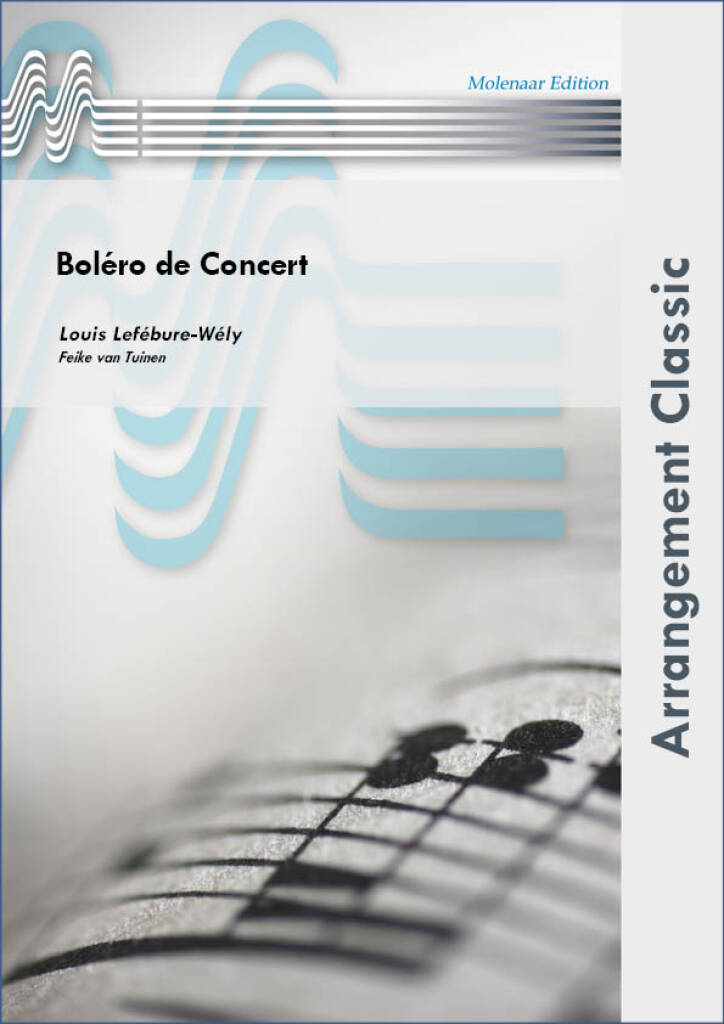
Bolero De Concert - Louis Jaime Alfred Lefebure-Wely - Feike van Tuinen
After having heard this piece for the first time at an organ recital, Feike van Tuinen was convinced that an orchestral version would be fantastic and would work very well. This piece has a stimulating character and the use of castanets will create a Spanish atmosphere at your next concert. Strongly recommended!
Estimated dispatch 5-14 working days
-
 £114.50
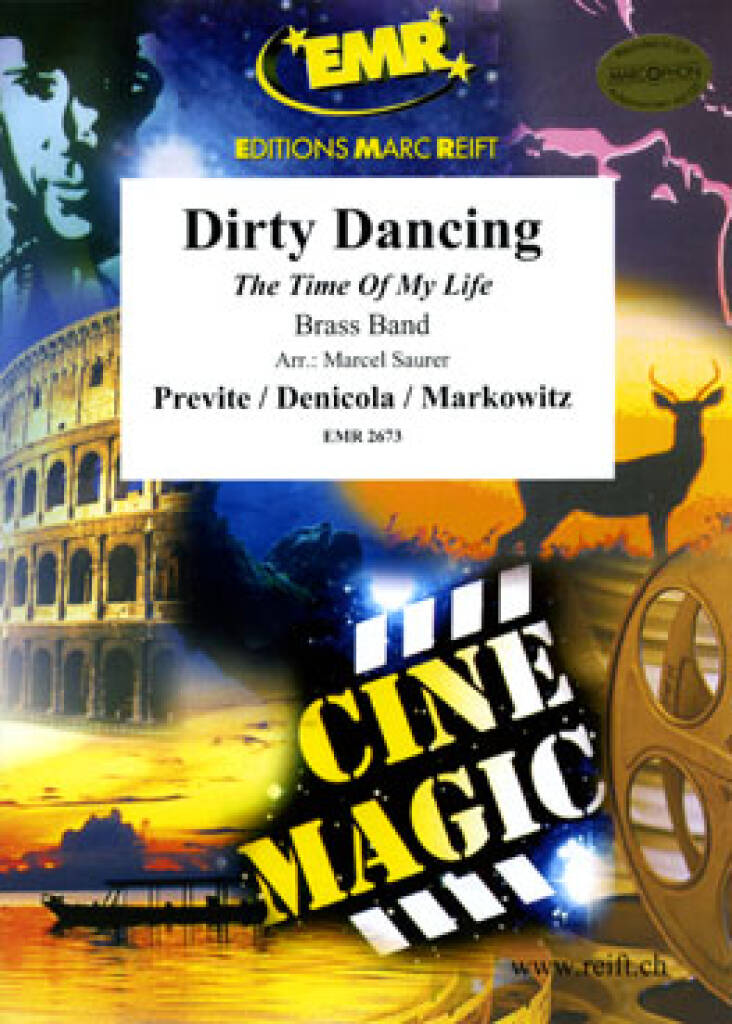
Dirty Dancing (The Time Of My Life) - Previte
Estimated dispatch 5-14 working days
-
 £30.00
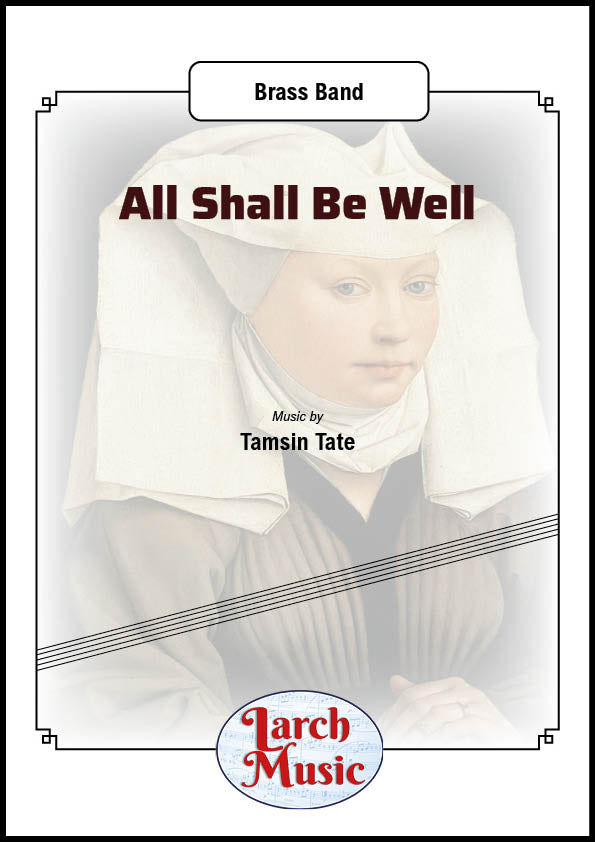
All Shall Be Well - Brass Band Sheet Music Full Score & Parts - LM931
COMPOSER: Tamsin TateCOMPOSERS NOTE"All shall be well" was composed during the first lockdown of the Covid crisis, from May 2020.This was a worrying time for many and a time of great anxiety and sadness for some.I have always tried to be practically optimistic in trying times, but still I needed hope.I am lucky to have a faith in God which gives me hope and assurance that things will be better,and I also know that music, particularly playing it, can help express some of these emotions.Certainly, music through the crisis was a wonderful, enjoyable escape for meand one I shared with my family and my band family through our online recordings.Julian of Norwich was an anchoress in the 14th Century.She set herself apart for God and spent a lot of time in prayer.Interestingly, she was the first published woman in the English language.Julian of Norwich is quoted as saying "all shall be well, all shall be well,and all manner of thing shall be well." The paraphrase of this spurred me on to develop this piece for brass band.Hopefully you will also find that the music portrays the worries and trials of this uniquetime through the natural minor key, with the rhythm hinting towards the phrase"All shall be well" and then the dawning transition to the major keyfollowed by a triumphant ending with the whole band joining together.Thanks to Adam Cable and the Martlesham Brass family for support and encouragement always.Thanks also to Alan Fernie and his supportive critique of my initial efforts.LM931 - ISMN : 9790570009312
In Stock: Estimated dispatch 3-5 working days
 View Music