
Results
-
 £74.99
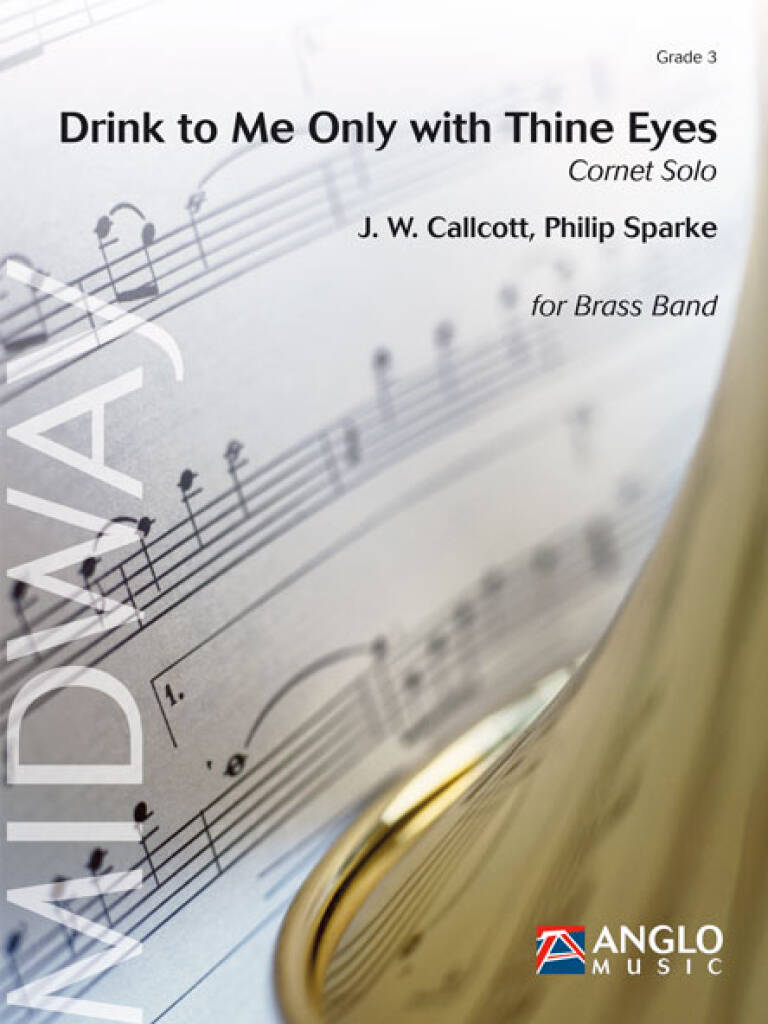
Drink to Me Only with Thine Eyes - J. W. Callcott - Philip Sparke
The lyrics to Drink to Me Only with Thine Eyes can be traced to English poet Ben Jonson, a contemporary of Shakespeare. The melody's origin, on the other hand, is not certain. In this three- movement arrangement, Philip Sparke provides the soloist with plenty of substance while respecting the beautiful simplicity of the original tune.
Estimated dispatch 5-14 working days
-
£39.99
English Carol Fantasy - James Curnow
Contrasting colors and varied orchestration techniques make this majestic setting of OH LITTLE TOWN OF BETHLEHEM come alive for Christmas. Of the three different tunes that are commonly associated with the original carol text, this arrangement uses the melody that's best known in England. ENGLISH CAROL FANTASY remains entirely accessible to bands at this level and plenty of cueing makes sure it's useful for ensembles of all shapes and sizes. Feature your deserving young cornet section leader on the easy solo, or let the entire first cornet section play it soli. The low brass also get some "well doubled" exposure, so playing this one will be fun for all.Try it!
Estimated dispatch 5-14 working days
-
 £47.50
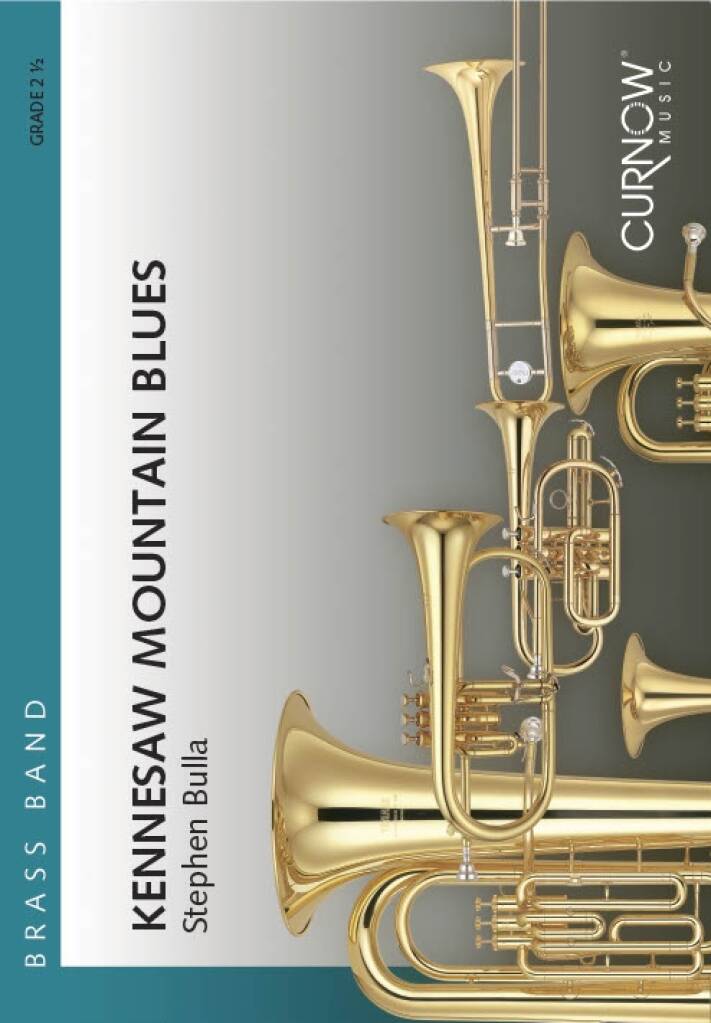
Kennesaw Mountain Blues - Stephen Bulla
Let your brass band play the blues. This inivotive work makes use of traditional blues harmonies over a strong rock beat. The cornets carry the melody first, but this is soon taken over by a solo percussion break. The piece also makes use of mixed time signiatures where the whole band plays the blues scale in an uneaven seven beats!
Estimated dispatch 5-14 working days
-
 £54.99
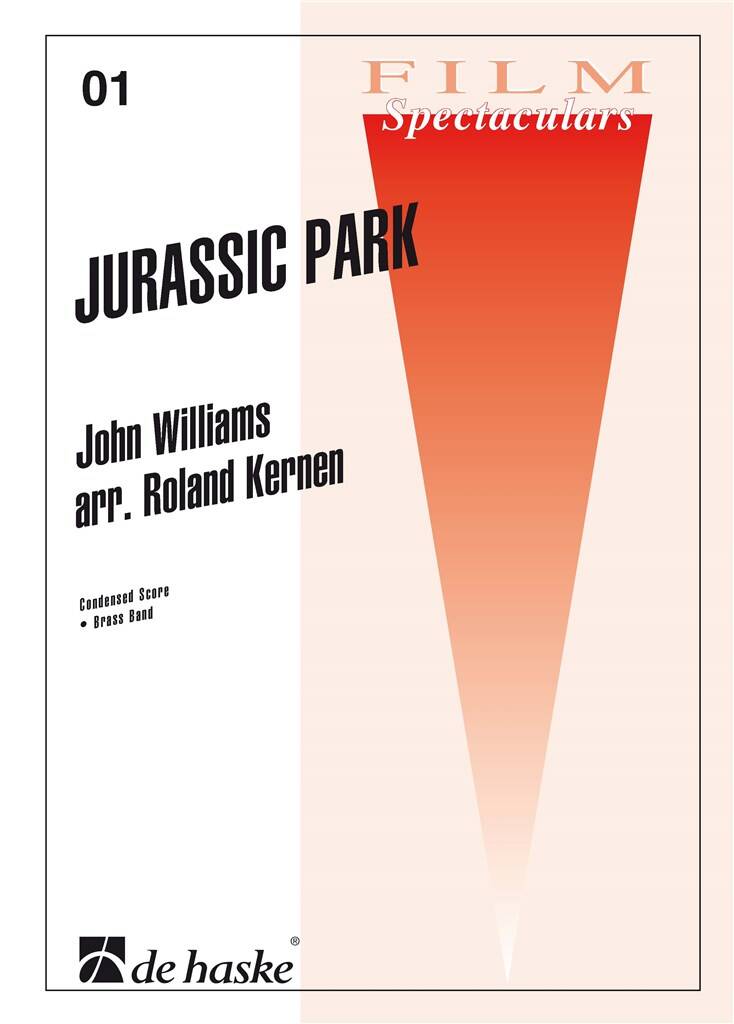
Theme from Jurassic Park - John Williams - Roland Kernen
This passionate and uplifting theme comes from one of Steven Spielberg's most successful films Jurassic Park. As with many of Spielberg's films the music has been supplied by John Williams and plays an extremely important role in creating the film's atmosphere. The melody and orchestration makes this theme ideal for the sound of the brass band and this arrangement will not disapoint.
Estimated dispatch 5-14 working days
-
£54.99
A Scottish Hymn - Charles Hutcheson - John Blanken
A Scottish Hymn is a chorale arrangement of a hymn composed by Charles Hutcheson, a Scottish merchant and amateur composer who lived from 1792 to 1860. This hymn was given the title "Stracathro," a typical Scottish name after a town in the district Angus. The melody is used with various hymn texts in the Scottish church.
Estimated dispatch 5-14 working days
-
 £60.99
Lascia ch'io pianga (Let Me Weep) - Georg Friedrich Händel - Jacob de Haan
Let Me Weep ('Lascia ch'io pianga') is an aria from Handel's opera 'Rinaldo'. According to reports he composed the music for the complete opera in just 14 days, using many melodies from earlier works. The melody of this wonderful aria is known all over the world and this arrangement by Jacob de Haan retains all the passion of the original.
Estimated dispatch 5-14 working days
-
 £60.99
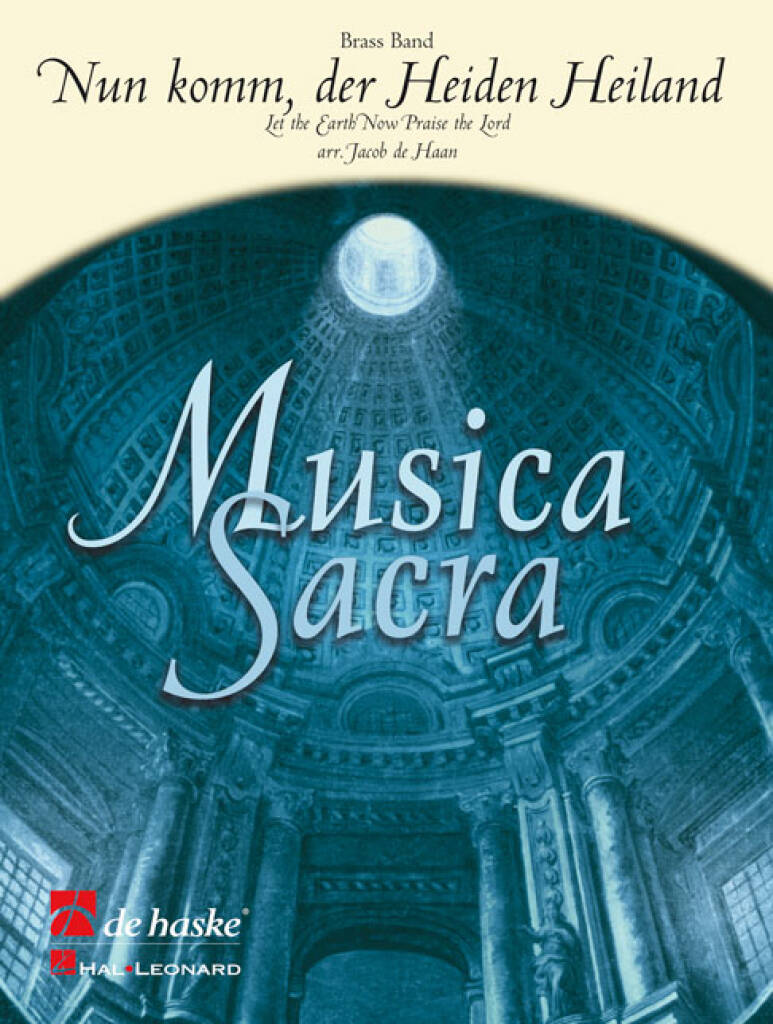
Nun komm, der Heiden Heiland - Traditional - Jacob de Haan
The well-known chorale Nun komm, der Heiden Heiland (Let the Earth Now Praise the Lord) was written by Martin Luther in 1524 and derives from a translation of a hymn from the 4th century before Christ. The melody was composed by JohannWalter, however Johann Sebastian Bach used it as a basis for many cantatas. This arrangement by Jacob de Haan gives your band the chance to perform an attractive version of this beautiful chorale.
Estimated dispatch 5-14 working days
-
 £54.99
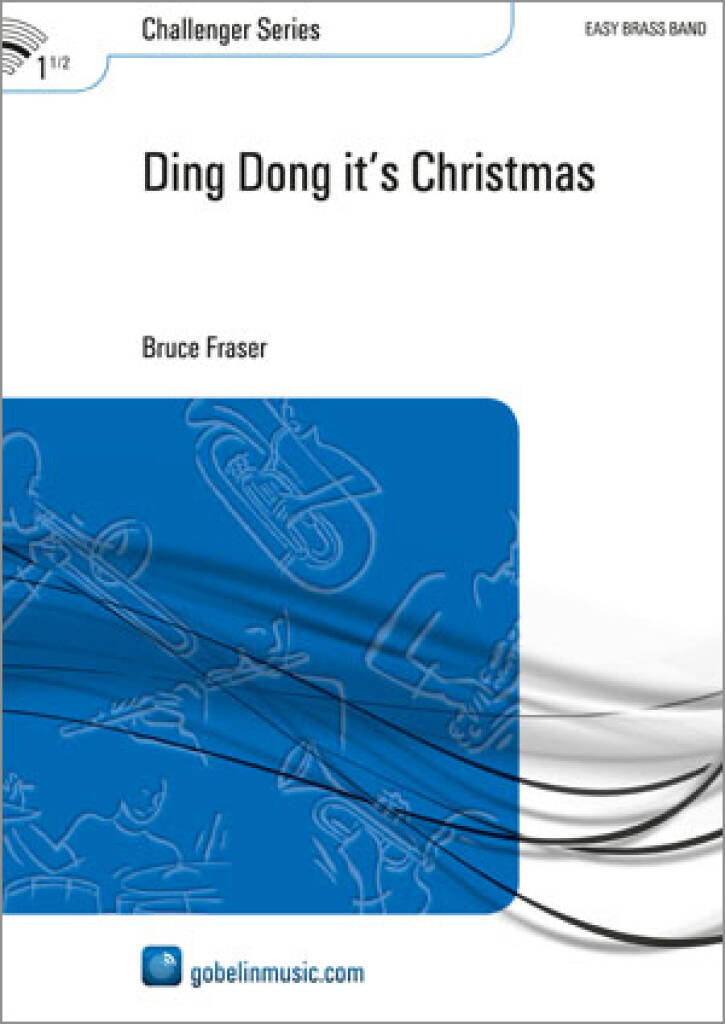
Ding Dong it's Christmas - Bruce Fraser
In 'Ding Dong it's Christmas' Scottish composer Bruce Fraser makes a sport of misleading his audience time and again. The title already indicates that this piece has been based on the well-known Carol 'Ding Dong Merrily on High', even if the melody makes a somewhat halting start. When it gathers pace, however, also due to the percussion section, suddenly various other carols may be recognized. Peace and quiet reign in the middle part, during which we can enjoy Bach's charming 'O Jesulein suss'. 'Ding Dong it's Christmas' ends in the same way it began, even if more and more Carols put in an appearance. Merry Christmas!
Estimated dispatch 5-14 working days
-
 £115.60
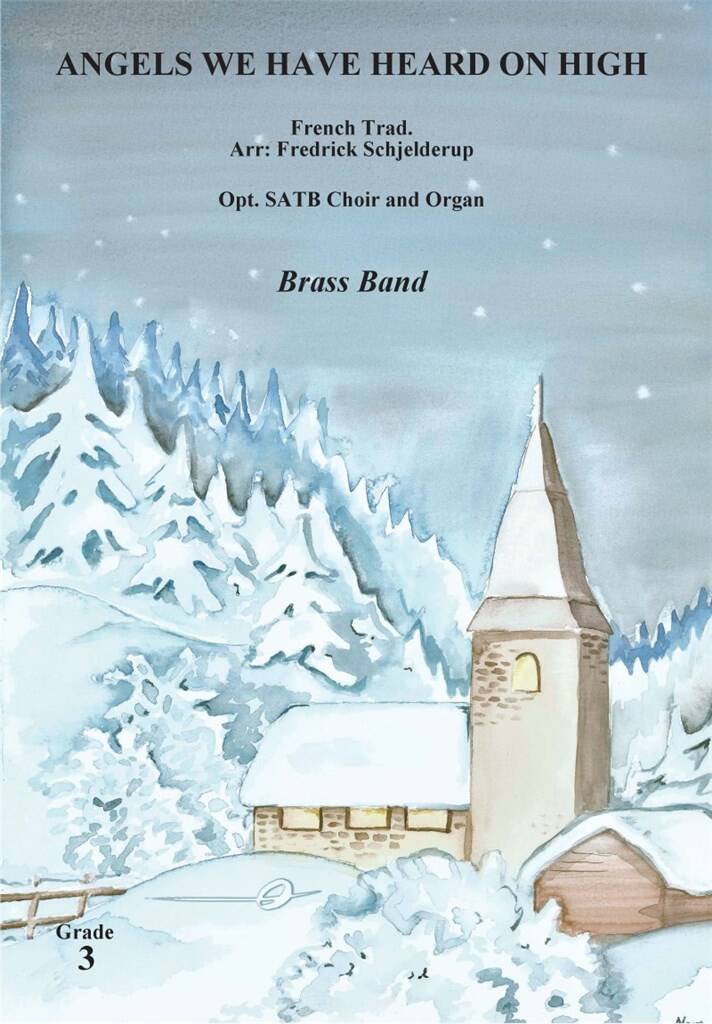
Angels We Have Heard on High - Fredrick Schjelderup
"Angels We Have Heard" on High is one of the most famous Christmas carols all over the world. Of French origin, it's also entitled Les Anges dans nos campagnes. The Irish bishop James Chadwick has written lyrics to the melody. His lyrics are the most widely used also today. For this Brass Band arrangement there are also optional parts for SATB Choir and Organ.
Estimated dispatch 5-14 working days
-
 £115.60
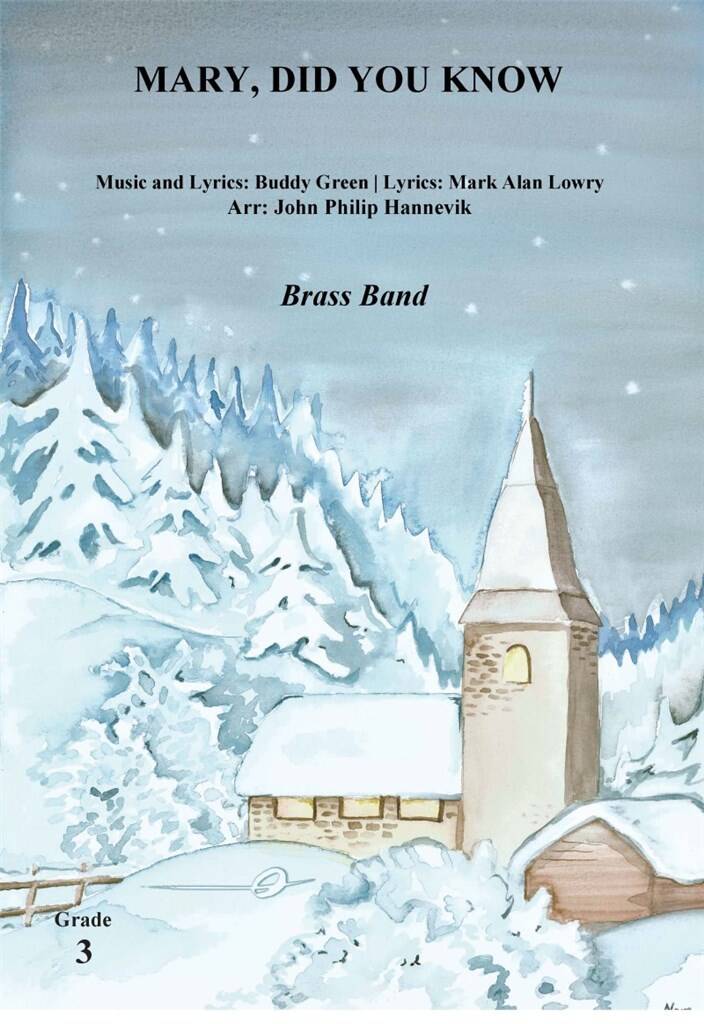
Mary, Did You Know? - Green - John Philip Hannevik
Mark Lowry wrote the lyrics for Mary, did you know in 1984, but the melody was created in 1991, when Marks colleague and friend Buddy Greene composed what turned out to be a modern Christmas Classic. Since then, the song has been recorded by numerous artists from all over the world.
Estimated dispatch 5-14 working days
 View Music