
Results
-
 £105.20
Under manen (Fra Den unge Fleksnes) - Christian Engebretsen - Bjorn Morten Kjaernes
This has become a Christmas song that has its roots in a love duet between the young Fleksnes and classmate Victoria. The class will be competing with a duet in a song competition. The text gives hope of love and links it to Christmas traditions. "A Dream of Christmas, About Love" is the first line of the text. "The Young Fleksnes" runned as advent calender on TV Norge in 2010. This arrangement feature an flugelhorn soloist and a euphonium soloist. Please be aware of the dynamics between soloists and accompaniment. Adjust the dynamics according to the musicians in the ensemble.
Estimated dispatch 5-14 working days
-
 £102.60
Alle elsker korps - Fra Korps United - Nicklas Öhgren
The song Alle elsker korps (Everyone Loves the Band) is a song from the TV-Series Korps United.The TV-series follows 10 adult women from all over the world. They are all beginners on wind instruments, and their big goal is to play in front of the Royal Palace in Oslo on Norway's National Day, 17th of May.The song, written on the same morning as the first rehersal forr the band, has become main theme of the TV-series.- Nicklas Ohgren -
Estimated dispatch 5-14 working days
-
 £60.99
Love and Marriage - James Van Heusen - Klaas van der Woude
Frank Sinatra had a massive hit with his interpretation of this classic song, singing directly to the hearts of the audience, so ensuring its popularity with listeners of all ages. In a similar way this arrangement will appeal to audiences young and old alike. Bring the sparkle of 'Old Blue Eyes' to any concert with this classic song.
Estimated dispatch 5-14 working days
-
 £59.99
Winter Wonderland - Dick Smith - Philip Sparke
This enduringly popular seasonal song has long been a Christmas favourite, even though the lyrics don't mention 'Christmas' at all. The words were by Dick Smith (1901-1935) and the music by Felix Bernard (1897-1944). The inspiration was reportedly a visit by Smith to Honesdale's (his hometown) Central Park when it was covered in snow.The first recording was made by Richard Himber's Ritz-Carlton Orchestra in 1934. The same year Guy Lombardo and his band, The Royal Canadians, took the song to number 2 in the US Billboard Chart, where it stayed for 9 weeks. It has since been recorded by over 150 artists, the most successful versionsbeing by Perry Como and the Andrews Sisters, both released in 1946.
Estimated dispatch 5-14 working days
-
 £127.30
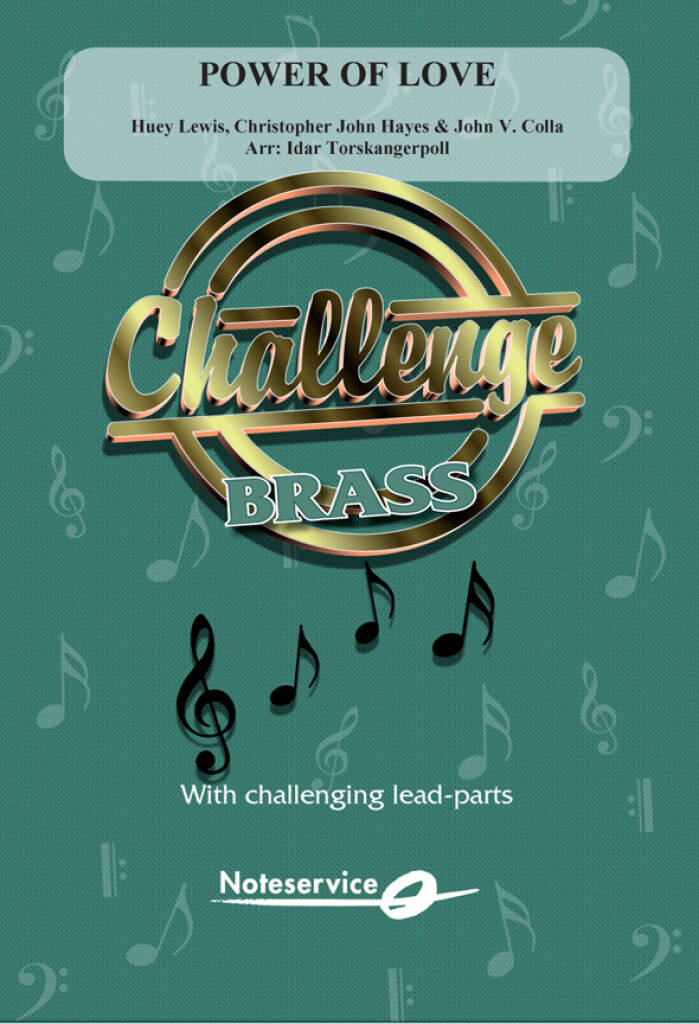
Power of Love - Lewis - Idar Torskangerpoll
The song appears early in the movie "Back to the Futur"e as Marty McFly (Michael J. Fox) skateboards to school. Later in the film, McFly and his band play a hard rock version of the song for a Battle of the Bands audition. This is one from1985 is one of Huey Lewis and the News biggest hits.
Estimated dispatch 5-14 working days
-
 £54.99
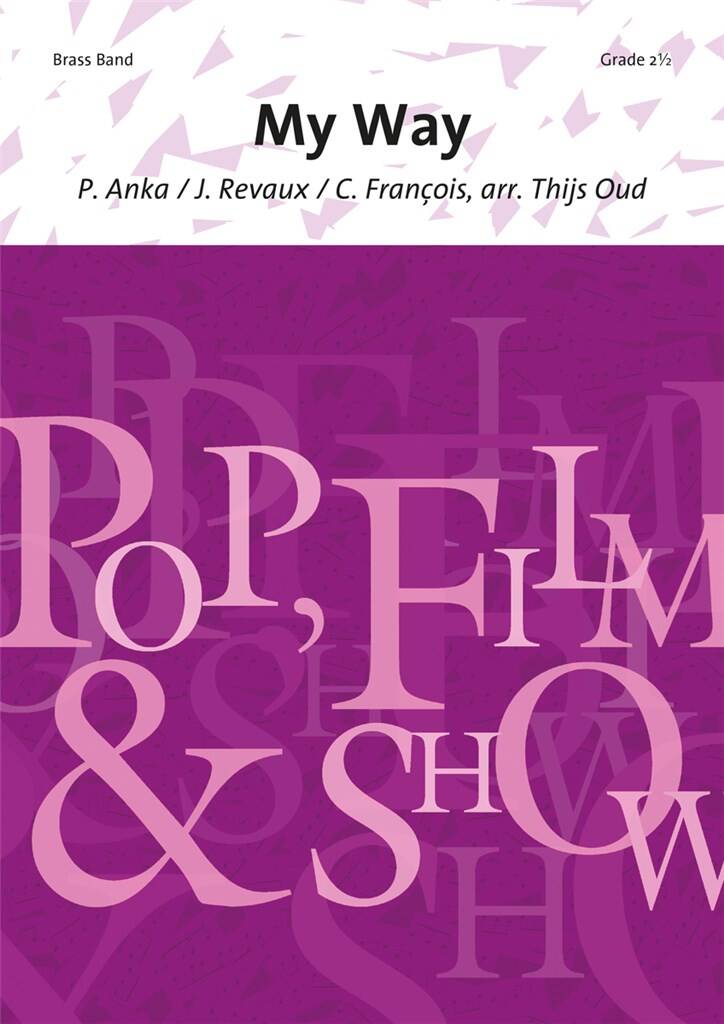
My Way - Thijs Oud
The evergreen My Way, originally a French chanson (Comme d'Habitude), was written by Jacques Revaux and Gillies Thibault and first released by Claude Francois in 1967. Paul Anka wrote the English lyrics which were used by Frank Sinatra who made it in to the American charts with his world famous interpretation in 1969. Since then the song has been covered by a variety of pop stars, including Elvis Presley. This arrangement is based on the Elvis version and within it the chorus appears in a swinging blues style. This popular song will be ideal for that spectacular ending to your concert.
Estimated dispatch 5-14 working days
-
 £74.99
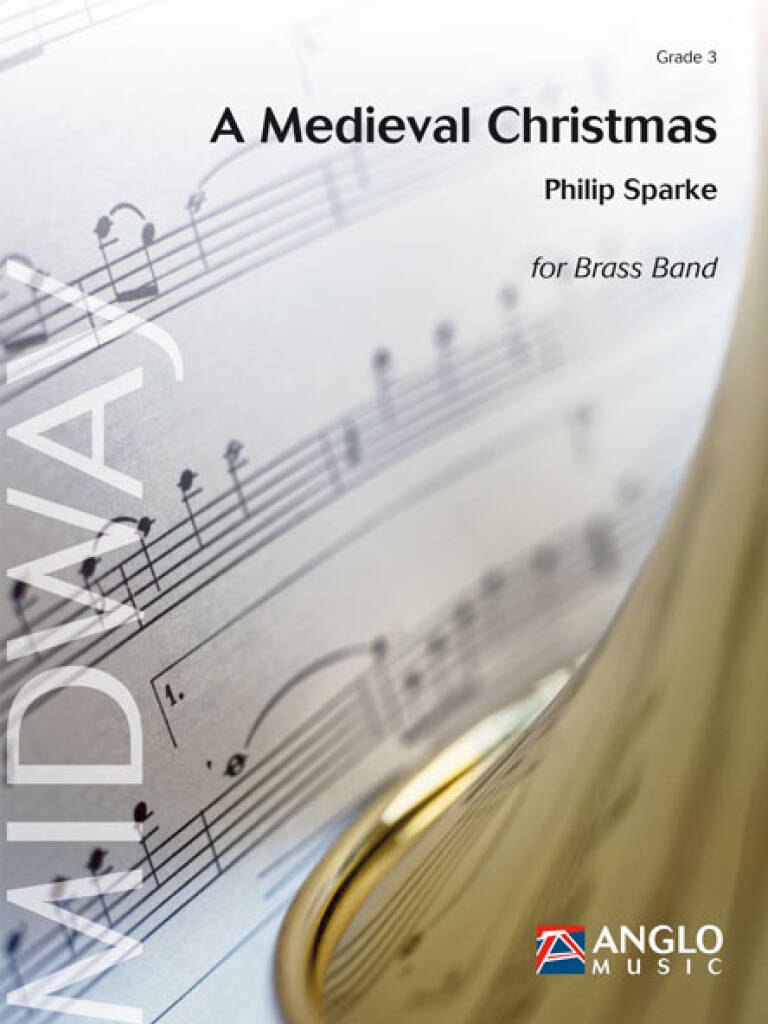
A Medieval Christmas - Philip Sparke
Christmas is full of customs and traditions, both old and new. This is especially evident in Christmas songs, some of which have been part of Christian worship for centuries. A Medieval Christmas combines three ancient melodies that are still popular around the world today. Philip Sparke chose Gaudete, a song of praise from the middle ages, Coventry Carol, an English song from the 14th century, and In dulci jubilo, which can also be traced back to the 14th century, to form this joyous suite.
Estimated dispatch 5-14 working days
-
 £23.50
A Brussels Requiem - SCORE ONLY - Bert Appermont
The attacks in Brussels on 22 March 2016 created a shockwave throughout Belgium and the rest of the world. Equally, the attacks in Paris and Nice led to great public indignation, fear and disbelief. What has happened to the western world? Have our cultures grown apart to such an extent that we do not understand each other anymore? Bert Appermont's intention was to voice certain emotions that these acts of terror have caused: particularly fear, grief, anger, and helplessness. He uses the French children's song Au Claire de la Lune as a connecting thread throughout the work. This piece is also about hope and faith in another world, and is meant to pay homage to all victims, resulting in a dignified remembrance. The musical development is presented in four through-composed parts, titled Innocence, In Cold Blood, In Memoriam - We Shall Rise Again and A New Day. This work was commissioned by the Brassband Oberosterreich (Brass Band Upper Austria) to be played at the European Brass Band Championships 2017.
Estimated dispatch 5-14 working days
-
 £154.99
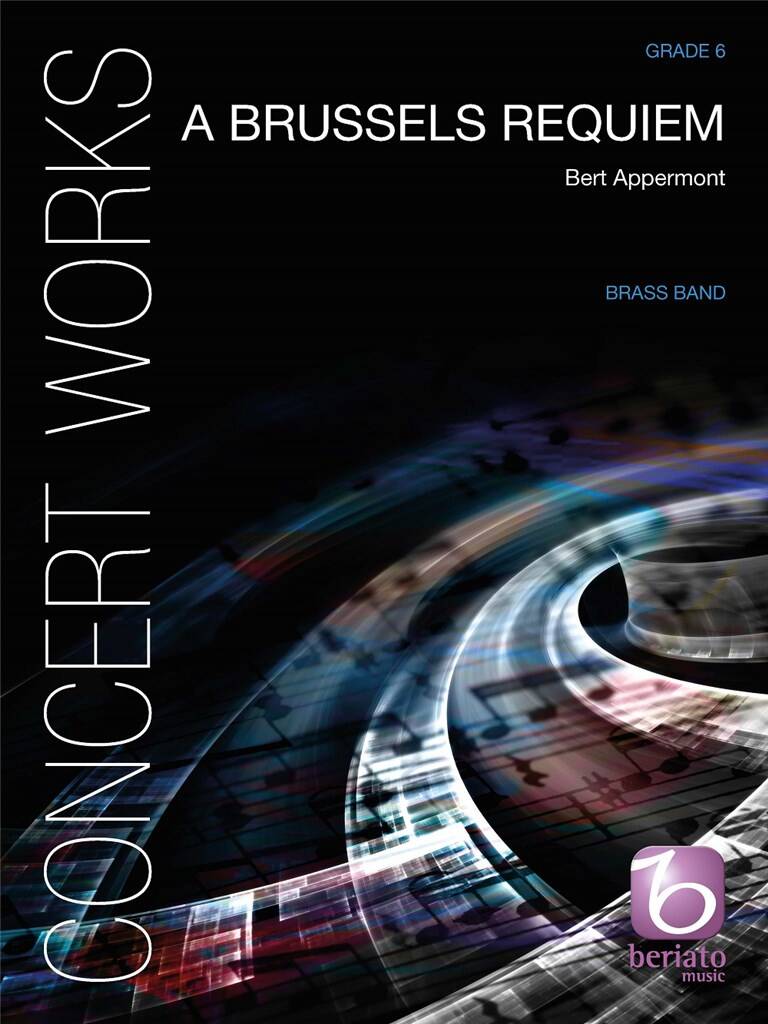
A Brussels Requiem - Bert Appermont
The attacks in Brussels on 22 March 2016 created a shockwave throughout Belgium and the rest of the world. Equally, the attacks in Paris and Nice led to great public indignation, fear and disbelief.What has happened to the western world? Have our cultures grown apart to such an extent that we do not understand each other anymore? Bert Appermont's intention was to voice certain emotions that these acts of terror have caused: particularly fear, grief, anger, and helplessness. He uses the French children's song Au Claire de la Lune as a connecting thread throughout the work.This piece is also about hope and faith in another world, andis meant to pay homage to all victims, resulting in a dignified remembrance. The musical development is presented in four through-composed parts, titled Innocence, In Cold Blood, In Memoriam - We Shall Rise Again and A New Day.This work was commissioned by the Brassband Obersterreich (Brass Band Upper Austria) to be played at the European Brass Band Championships 2017.
Estimated dispatch 5-14 working days
-
 £115.60
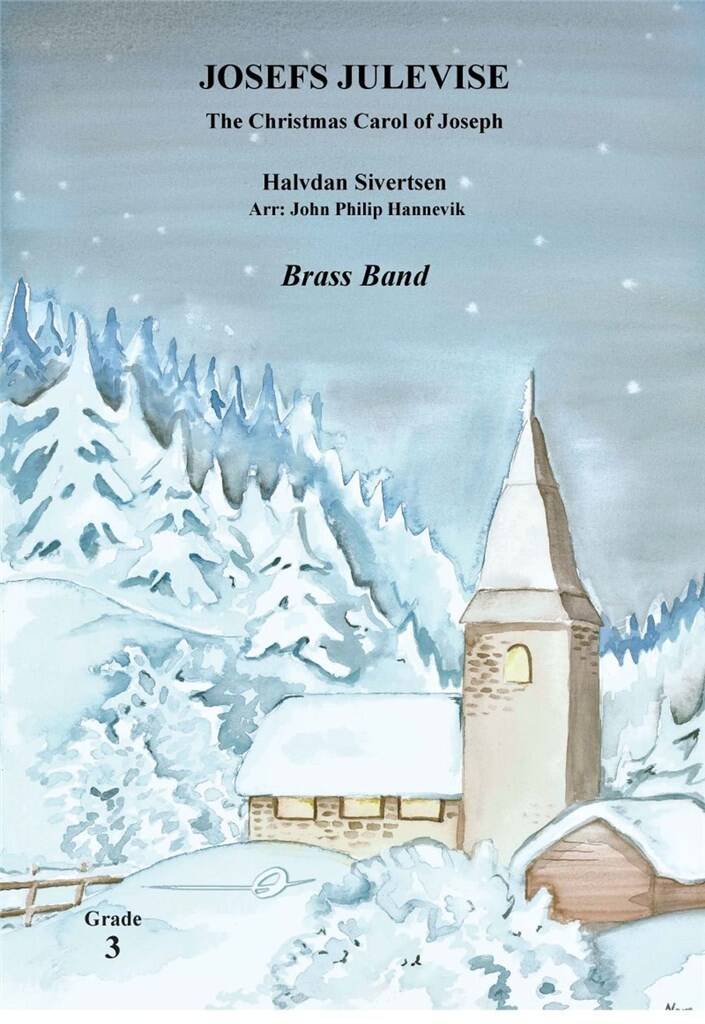
Josefs Julevise - Halvdan Sivertsen - John Philip Hannevik
Halvdan Sivertsen (born 1950) is one of the most popular singer/ songwriters in Norway. He is well know as a first-class storyteller, and he has a strong melodic line in all his music. This Christmas song was first recorded in 1991 and it has become a Norwegian classic. The lyrics tell the story of a couple travelling through time to find a city with bright lights, where they hear people sing about the couple who are about to have their first baby. But still this couple can not find anybody willing to help them, and they are forced to go back 2000 years, to find the stable where they find some shelter. Maybe they should have travelled further ahead in time in the firstplace, to find people willing to open their door to the poor and needing?
Estimated dispatch 5-14 working days
 View Music
 Listen to MP3