
Results
-
 £45.00
God Put a Smile Upon Your Face
ABOUT THIS PIECE: 'God Put a Smile Upon Your Face' was written by all members of the band Coldplay for their second studio album 'A Rush of Blood to the Head'. Coldplay vocalist Chris Martin said: "The song came out of playing live and wanting to have something with a bit more bounce". The chart was originally released in 2003 to critical acclaim. In 2007 Mark Ronson covered the song on his album 'Version' - it is this version this arrangement is based upon. The following arrangement was devised as a concert opener - written as such to allow different sections of the band to make their way to the stage one at a time. The suggested stage entry directions for this arrangement are: Percussion > Basses > Trombones > Horns & Baritones > Cornets & Euphonium. Kit and percussion parts are written as a guide - please feel free to add and subtract as the MD sees fit. DUE TO COPYRIGHT LAW THIS WORK IS NOT AVAILABLE IN AUSTRALIA OR NEW ZEALAND ENSEMBLE: Standard British Brass Band WHEN YOU BUY THIS PRODUCT, YOU GET: High-quality printed score and parts LEVEL: 2 LISTEN: Click here DURATION: 3-mins 30 secondEXAMPLE SCORE: Click here LEVEL GUIDE: Level 1- Accessible to all Level 2 - c. UK third section and higher Level 3 - c. UK second section and higher Level 4 - c. UK first section and higher Level 5 - c. UK championship section level
Estimated dispatch 5-7 working days
-
 £40.00
Titanic, selections from.
Music from the 1997 movie blockbuster Titanic , composed by James Horner and arranged for brass band by Andrew Duncan. This arrangement includes the hit song sung by Celine Dion song, My Heart Will Go On. A must have item for a film concert. Standard: Championship to 3rd Section + Advanced Youth Band. Duration: 9 minutes
-
 £74.00
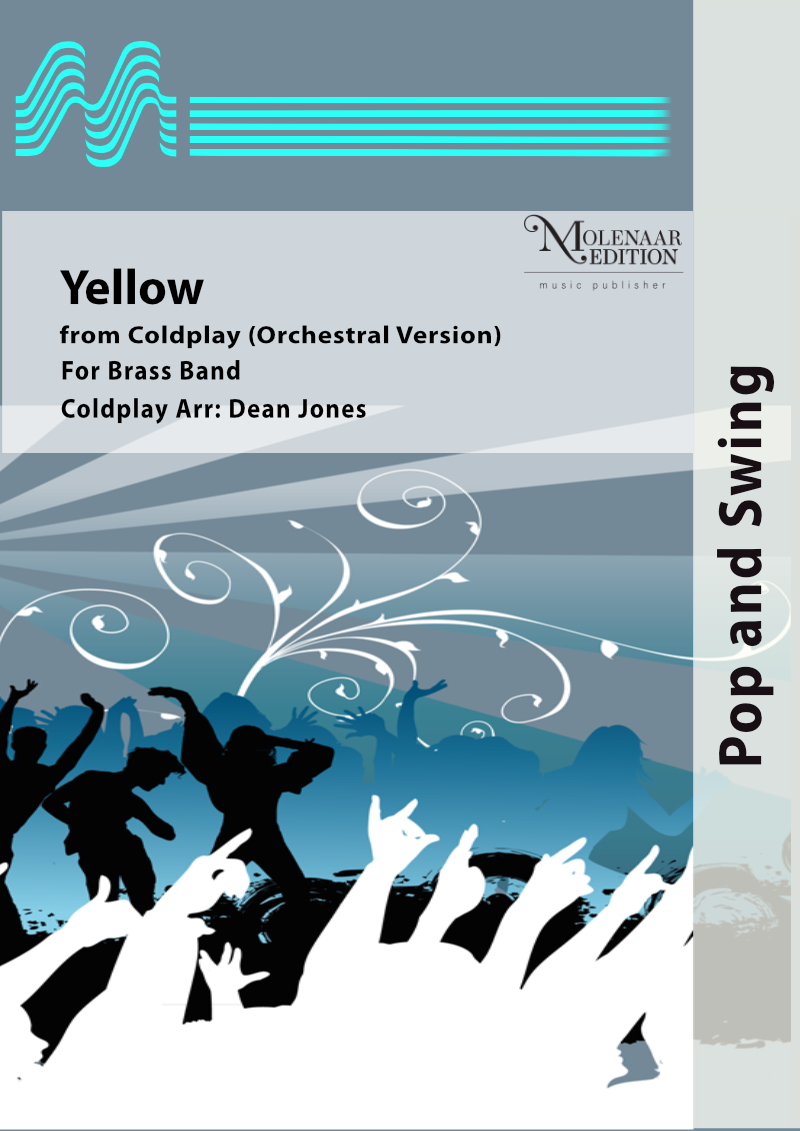
Yellow - Coldplay/Dean Jones
This popular song written by Chris Martin and his group Coldplay, was recently given a very new lease of life with an orchestral arrangement. The music brings new meaning and sentiments to the already successful song, and it is hoped this is version for Band will provide great rewards for both player and listener alike.
Estimated dispatch 10-14 working days
-
 £87.00
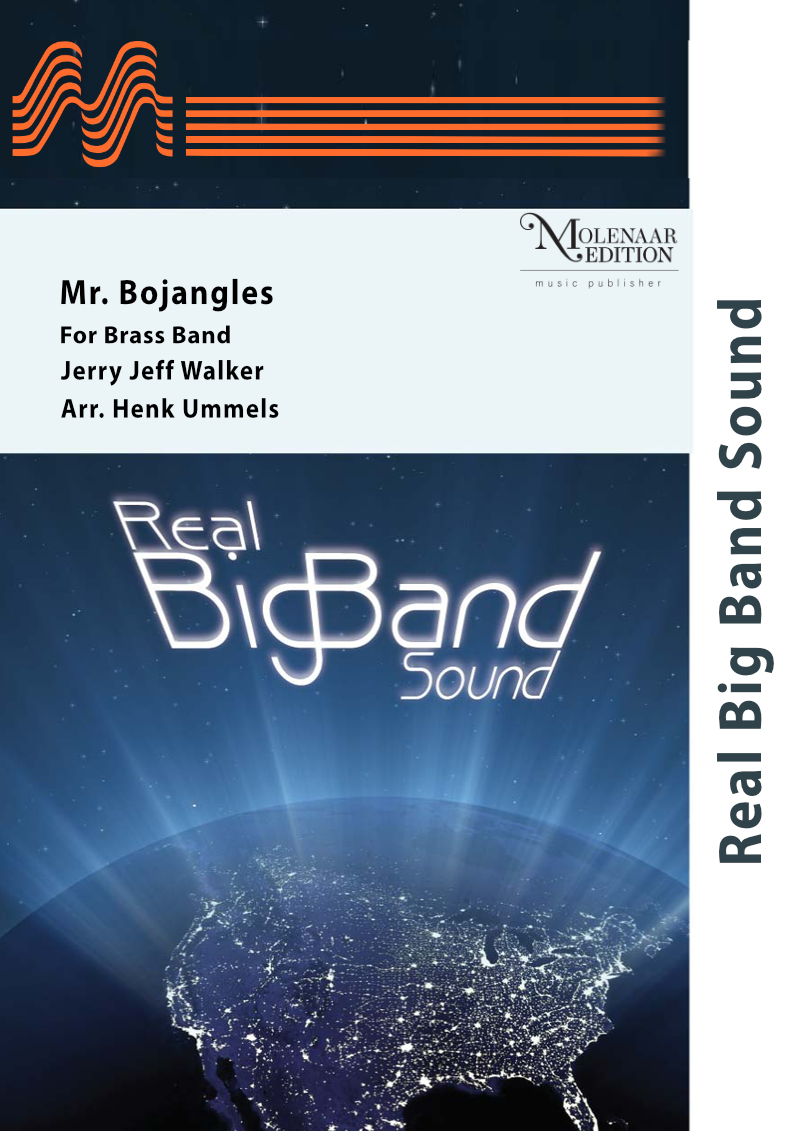
Mr. Bojangles - Jerry Jeff Walker/Henk Ummels
'Mr. Bojangles' is a popular song written and initially recorded by Jerry Jeff Walker in 1968 and covered since by many other artists. The song was inspired by an encounter with a street performer in the New Orleans first precinct jail. Although this man could tap dance, the inspiration for the song was the famous stage and movie dancer Bill 'Bojangles' Robinson. Robbie Williams recorded it on it's bigband CD 'Swing When You're Winning'.
Estimated dispatch 10-14 working days
-
£36.00
Big Big World - Lars Andersson & Emilia Rydberg - Scott Rogers
"Big Big World" is a ballad by Swedish pop artist Emilia Rydberg. The song won the Swedish Grammis, the prize for "Song of the Year 1998", and the Swedish "Rockbjornen" prize. The song's simple and vulnerable melody has a special strength that creates its emotional character.
Estimated dispatch 7-14 working days
-
£58.00
Vise ved vintersolkverv - Tore Bruvoll & Helge Stangnes - Haakon Esplo
The beautiful song "Song at Winter Solstice" has within short time been highly loved by listeners all around Norway. It's performed by folk-rock band "Hekla Stalstrenga" who released their first album "Hekla Stalstrenga" in 2008. This album was nominated for "Spellemansprisen" (the Norwegian equivalent to Grammy) in the folk music / traditional music category."Song at Winter Solstice" was released as single record in 2013.
Estimated dispatch 7-14 working days
-
£58.00
Marsjkonkurransen - Bo-Carlsen - Haakon Esplo
"Gurines March" is a very well-known song in Norway. Lalla Carlsen made great success performing it in the Chat Noir Revue "Det er servert" ("It's Served") in 1932 and in the movie "Opp med hodet" the same year. The song is the same melody that was used for the "The Man Who Broke the Bank at Monte Carlo".Norwegian singer/banjo player Kari Svendsen is one of many performers who have made recordings of the tune from then on to this day. "Gurines March" is great for parade, where it certainly will bring a smile or two among the audience.
Estimated dispatch 7-14 working days
-
£29.95
SILVER STAR (Brass Band Set) - Ray Steadman-Allen
The title of this march, published in 1962, refers to the pin originally given to the mothers, but now also the fathers, of cadets entering The Salvation Army's Schools for Officer Training. It includes the song, 'Mothers of the Silver Star' (words by Arch. R Wiggins, music by George Marshall) which was specially written for the first occasion at which Silver Stars were presented. Also included is a Salvation Army flag song, 'Yellow star, and red and blue' also written by the aforementioned Wiggins and Marshall.
Estimated dispatch 7-14 working days
-
£29.95
BEFORE THE CROSS (Cornet Solo with Brass Band Set) - Edward Gregson
Written at the request of David Daws for his solo album The Sound of David Daws, this meditation for cornet and brass band uses the composer's own song Before the cross (originally published in The Musical Salvationist, April 1965), the first lines of which are Before the cross I stand in fear and wonder, and see that all my sirs on Thee are laid. The song was written at an early stage of the composer's career, just before commencing study at The Royal Academy of Music, London. After a brief introduction the melody is heard twice, first played by the soloist, then on Euphonium and Flugel Horn with the soloist adding ornate counterpoint before taking up the melody once again, this time leading to a quiet and reflective conclusion.
Estimated dispatch 7-14 working days
-
 £30.00
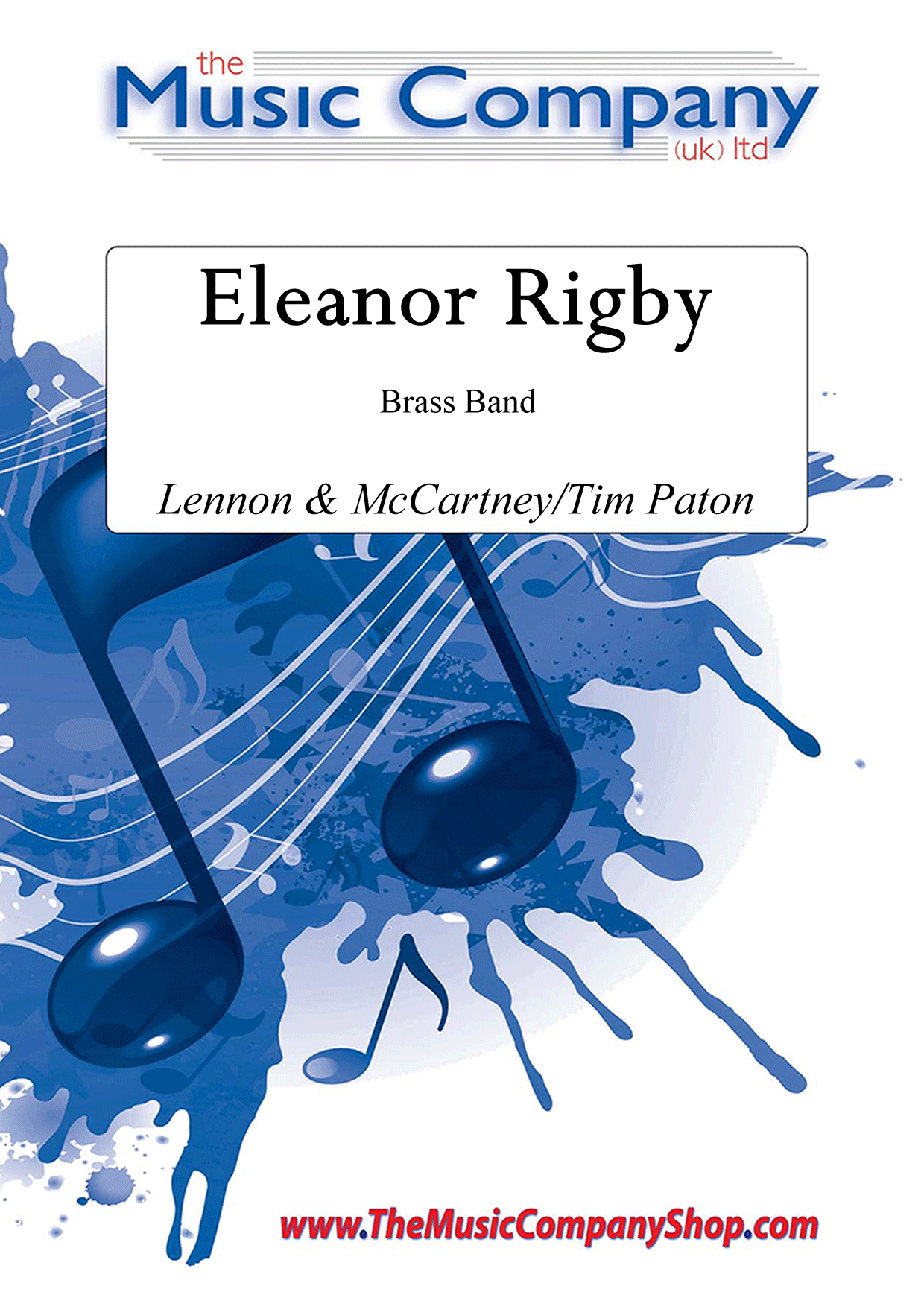
Eleanor Rigby - Lennon & McCartney
In 1966 The Beatles released a single, which included the song Eleanor Rigby. Now an all time, international favourite from the group, this evocative song, with its magical string accompaniment (provided by their producer and arranger, Sir George Martin) has been embraced by numerous artistes and genres.In this artful arrangement for brass band, Tim Paton has successfully transcribed that original sound and created a wonderful concert item.Roger Thorne commented:"I have recently purchased Tim's arrangement of this classic Beatles number and would definitely recommend it. A must for every band library. A fantastic arrangement,Thanks Tim."
In Stock: Estimated dispatch 3-5 working days
 View Music