
Results
-
 £29.50
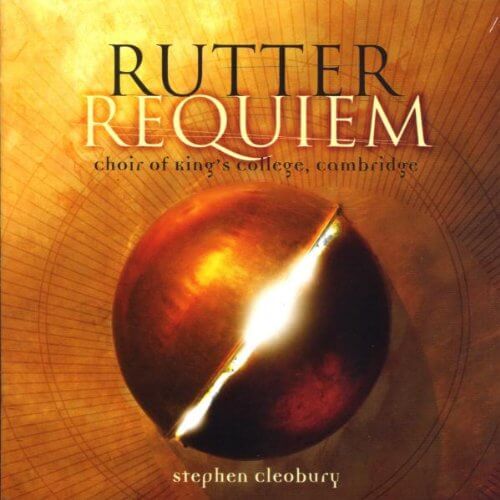
Pie Jesu (From Requiem) - John Rutter - Adam Rutter
John Rutter's music is known across the world for its simplicity and memorable melodies. The 'Pie Jesu' from his requiem is certainly no exception. First performed in Dallas, Texas in 1985, the 6 movements completed Rutter's setting of the Roman Catholic Mass. The third movement (the 'Pie Jesu') is typical of the composer, featuring a strong melody line with subtle accompaniments. Now arranged for Solo Cornet by Adam Rutter, this slow melody allows the soloist to shine in one of the finest and most famous settings of the work to date. A great addition to any concert & soloists repertoire.
In Stock: Estimated dispatch 1-3 working days
-
£24.50
Panis Angelicus - Franck - Stephen Tighe
Arranged as a Soprano Solo, this is possibly the most famous song that Cesar Franck every composed. This soothing piece has been recorded by everyone from Luciano Pavarotti to Charlotte Church. Composed in 1872, originally for Organ, Harp, Cello, Double Bass and Tenor Voice, the piece was later interpolated into a 3 voice mass. A popular piece for any concert occasion
In Stock: Estimated dispatch 1-3 working days
-
 £29.50
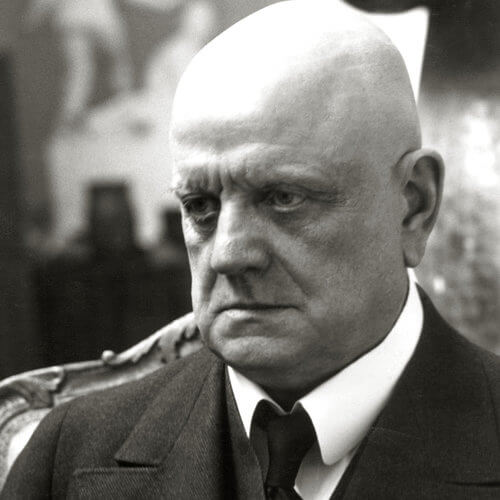
Sibelius Fantasy - Gavin Somerset
Composed in 2003 for a composition competition, this work uses elements of three major work by the Finnish composer Jean Sibelius (1865-1957). The three being... Symphony No.5, Finlandia, Karelia Suite (March) The piece starts with an atmospheric opening before setting of in bar 10 with a tempo that will remain for most of the piece. The main original theme is brought in at A before the famous sequence from Sibelius' Symphony No.5 enters at B and then very distinctly at C. The music then rollercoasts through keeping all sections of the band busy, until we reach J when the solo Euphonium can shine, helped along by Flugel and Repiano. The Molto Vivo before K sets off with dazzling trills from the cornet section, and bringing with it the theme from Finlandia in bar 165, followed shortly by the March from the Karelia Suite. From N to the end, all three pieces are brought to a final climax together. A rousing piece and makes an interesting change to a direct transcription.
In Stock: Estimated dispatch 1-3 working days
-
£24.50
With The Sun On His Face - Kevin Riley
Sub-titles For Jamie, Who Liked To Lay In The Sun, this happy little piece demands no major technical work from the band. With great parts for the soprano, xylophone (not essential) and a little bass trombone solo to end with, this is a welcome addition to any bands library
In Stock: Estimated dispatch 1-3 working days
-
£24.50
Arioso - J.S Bach - Steven Hague
A modern brass band arrangement of the "Arioso" from J.S. Bach's Cantata No. 156 arranged by Steven Hague, with a nice feature for the horn section, and tuneful duets from the two solo cornets.
In Stock: Estimated dispatch 1-3 working days
-
 £29.50
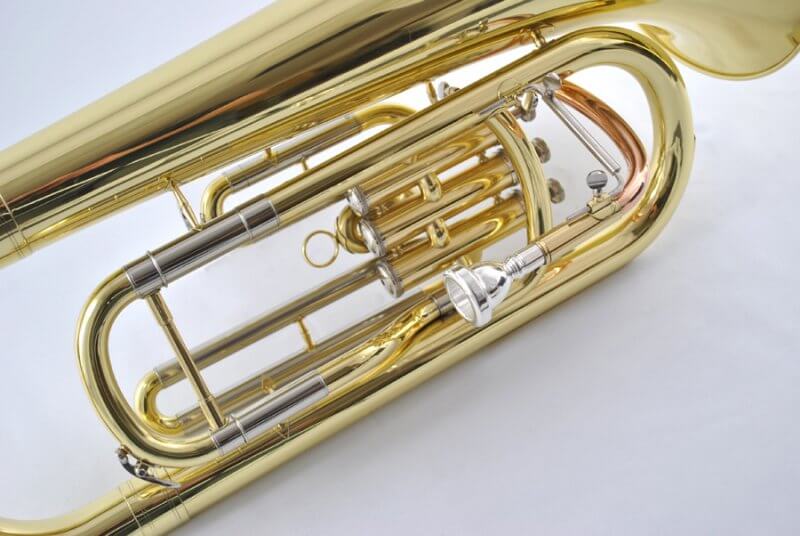
Appassionata - Richard Rock
From the pen of Richard Rock comes a solo that should belong in every bands library. The Baritone has long been the most underated instrument of the Brass Band movement, but on hearing this work, all that could change. "Appassionata" is a simply gorgeous melodic work that can show off the Baritone instrument in a light not often seen. With the parts not too demanding either, this really is a must for all Baritone players.
In Stock: Estimated dispatch 1-3 working days
-
£24.50
Deep Harmony - Handel Parker - Alan Beaumont
Composed in 1854 By Handel Parker, this tune has become a favorite within the Brass Band world. Many have said that no other ensemble can perform a hymn tune quite like a Brass Band. Now this favorite has been arranged by Alan Beaumont and allows the Solo Cornet play to shine, before all the cornets join him in a fanfare whilst the hymn tune rides underneath. Suitable for any occasion.
In Stock: Estimated dispatch 1-3 working days
-
 £29.50
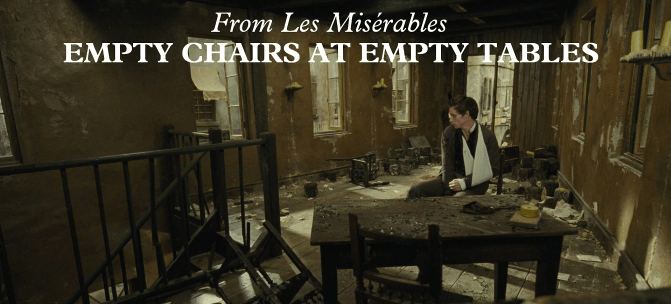
Empty Chairs at Empty Tables - Schonberg, Boublil & Kretzmer - Cathryn Rogers
Les Miserables has been entertaining thousands of people the world over since its premiere in Paris in 1980. With a hit soundtrack of memorable songs, Empty Chairs at Empty tables is one of the more reflective works from the musical. As Marius' returns to the caf alone, the solo survivor following the battle (other than Jean Valjean), he regrets and reminisces over the loss of his friends in this moving work that, like many other titles from the musical, works extremely well for Brass Band. A great addition to any concert programme and a sure hit with audiences across the globe.
In Stock: Estimated dispatch 1-3 working days
-
 £29.50
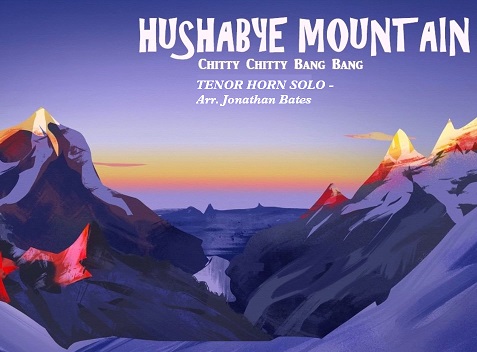
Hushabye Mountain - R & R Sherman - Jonathan Bates
Originally arranged for Owen Farr, Hushabye Mountain is a well-loved and cherished song by the renowned Sherman Brothers from the 1968 motion picture, Chitty Chitty Bang Bang. The work is undoubtedly one of the most popular songs from the show. The song acts as an idyllic lullaby, sang by Caracatus Potts as he sends his children to sleep. This arrangement, as a tenor horn solo by Fodens Band's Principal horn Jonathan Bates, features the tuned percussion throughout, and sets the melody initially over a music-box-like idea, before more dreamy and tranquil soundscapes enter.
In Stock: Estimated dispatch 1-3 working days
-
£29.50
Home Away From Home - Phil Coulter - Steven Hague
This gorgeous melody has been made famous by the virtuoso flautist James Galway, popularised on Classic FM and now arranged for brass band with a solo cornet taking the starring role. A perfect concert item, such a simple melody, but heart warming and playable by most bands.
In Stock: Estimated dispatch 1-3 working days
 View Music