
Results
-
 £44.95
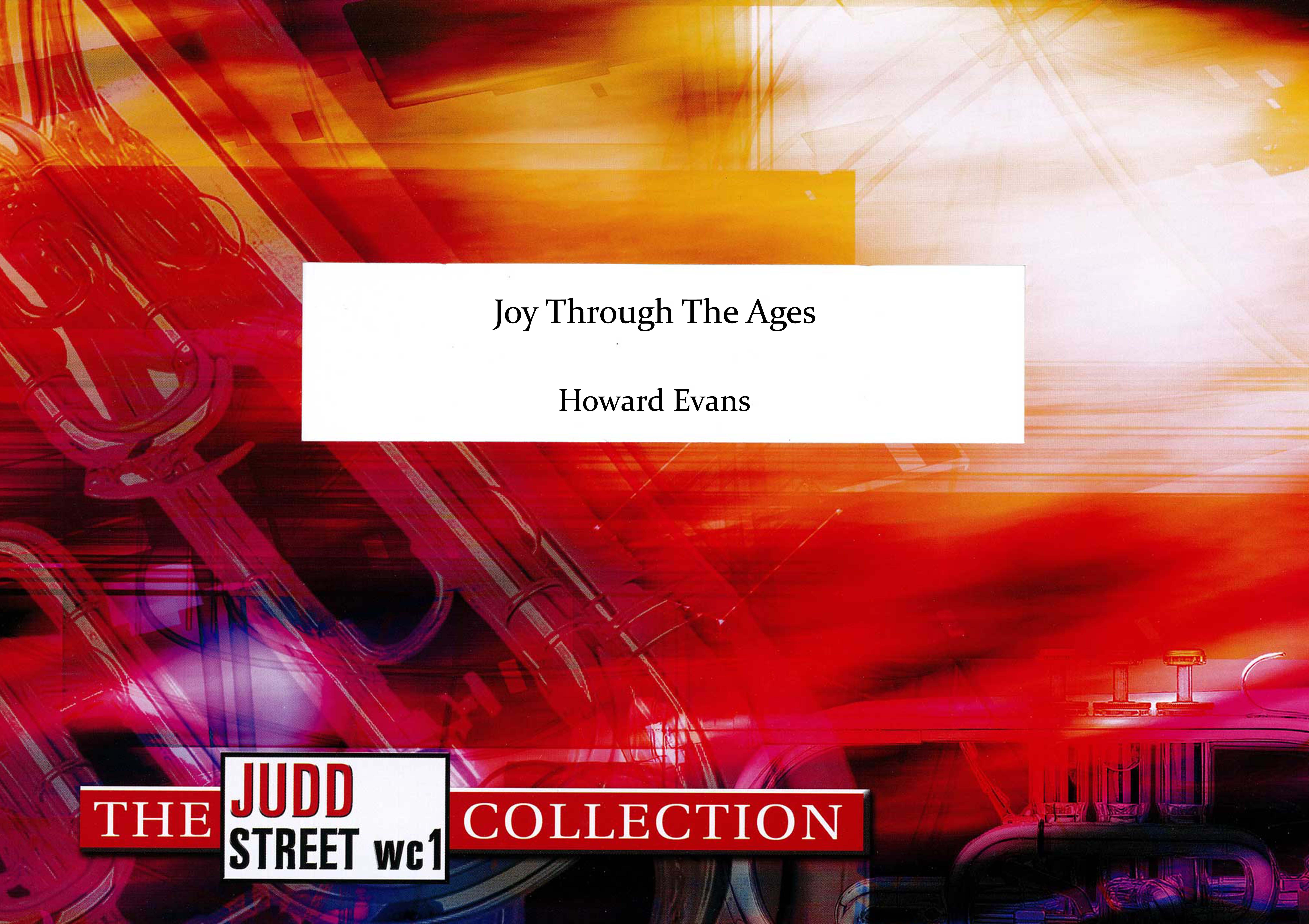
Joy Through the Ages (Brass Band - Score and Parts)
This work was written for the 125th anniversary of Boscombe Band, celebrated in November 2011, and is the title track of the band' album released in the same year. The music is celebratory in nature and is dedicated to all those who have served in the band during its 125 year history. The theme of the work is a song by Charles Hutchison Gabriel which was the favourite of the band's librarian, Gerald Whittingham, who was 'promoted to Glory' after a long battle with a brain tumour. The title comes from the last verse, 'When with the ransomed in Glory, his face I at last shall see, 'twill be my joy through the ages, to sing of his love for me'.
Estimated dispatch 7-14 working days
-
 £60.99
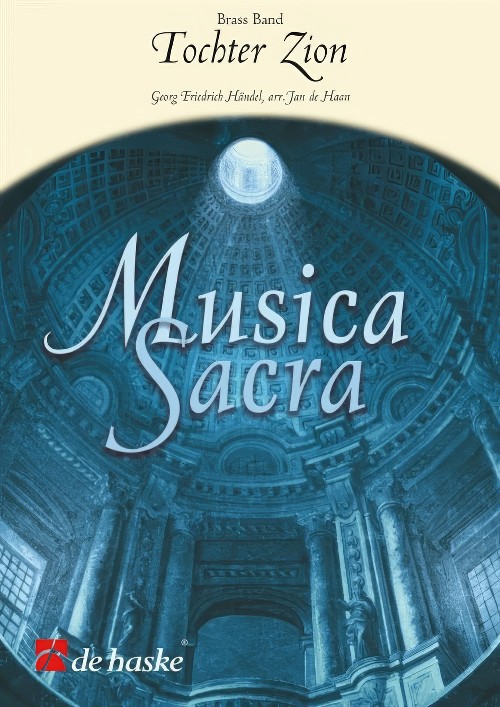
Tochter Zion (See the Conquering Hero Comes) (Brass Band - Score and Parts) - Handel & Tchaikovsky - De Haan, Jan
Tochter Zion, also known as See the Conquering Hero Comes, is the most famous chorus from the oratorio Judas Maccabaeus (1746) by the composer George Frideric Handel (1685-1759). The heroic epic based on the Biblical story about commander-in-chief Judas Maccabaeus, was used by Handel to celebrate the English victory over the rebellious Scottish. The first performance of this patriotic work - written in the pleasing, rich baroque style that Handel's music is known for - was conducted by himself; the success was huge. The chorus See the Conquering Hero Comes was added later, in 1748, drawn from another oratorio (Joshua).Duration: 2:30
Estimated dispatch 7-14 working days
-
 £29.95
Before The Cross (Cornet Solo with Brass Band - Score and Parts) - Gregson, Edward
Written at the request of David Daws for his solo album The Sound of David Daws, this meditation for cornet and brass band uses the composer's own song Before the cross (originally published in The Musical Salvationist, April 1965), the first lines of which are Before the cross I stand in fear and wonder, and see that all my sirs on Thee are laid. The song was written at an early stage of the composer's career, just before commencing study at The Royal Academy of Music, London. After a brief introduction the melody is heard twice, first played by the soloist, then on Euphonium and Flugel Horn with the soloist adding ornate counterpoint before taking up the melody once again, this time leading to a quiet and reflective conclusion.
Estimated dispatch 7-14 working days
-
 £102.99
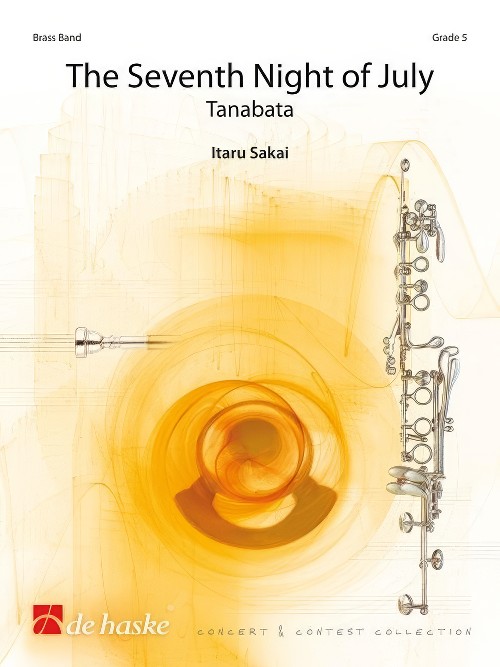
The Seventh Night of July (Brass Band - Score and Parts) - Sakai, Itaru
In Japan, July the 7th is a holiday known as Tanabata, for which large celebrations are held throughout the country. The holiday is based on a legend about a young man and a young woman who are separated by the Milky Way and can only see each other once a year on this night. The Seventh Night of July is Itaru Sakai's musical interpretation of this romantic legend. The flugel horn and euphonium solos during the middle movement represent the two main themes from the legend.
Estimated dispatch 7-14 working days
-
 £40.00
I SEE THE LIGHT (from Tangled) (Brass Band) - Barry, Darrol
This beautiful song is taken from Pixar's animated feature?Tangled. The opening section features the solo horn against a light accompaniment. The music builds to a change of key where the melody moves over to the euphoniums and baritones. This is a useful concert item and playable by all levels of bands. Grade: 4th section +. Duration: 3:44
Estimated dispatch 7-14 working days
-
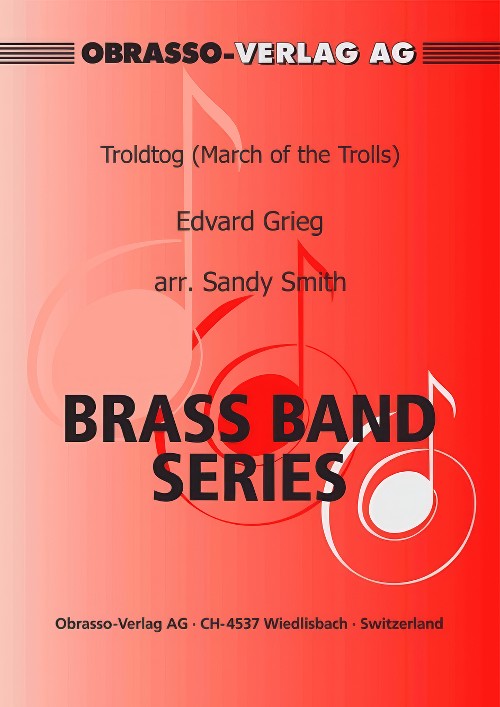 £59.70
Troldtog (March of the Trolls) (Brass Band - Score and Parts) - Grieg, Edvard - Smith, Sandy
Edvard Grieg (1843--1907) is best known for his eternally popular Piano Concerto in A Minor, as well as more than 150 songs and 66 lyric pieces. March of the Trolls is from his Lyric Pieces, Op. 54. Trolls are a constant theme in Norwegian folklore and can be viewed as the equivalent of our "boogie man." Far to the north in Norway where the winter storms whip the weather-beaten coasts, you will find dark forests with moonlit lakes, deep fjords surrounded by mighty snowcapped mountains, and long rivers and cold streams cascading down the mountain sides. This is where you might find the irritable, short-tempered trolls coming out of their hiding places after sunset, marching to wreck havoc on unsuspecting Norwegian households. Wait and see what your audience will do when the Trolls march up and down the aisles of your next concert!
Estimated dispatch 7-14 working days
-
 £44.95
The Day of the Lord (Brass Band - Score and Parts) - Ponsford, Steven
This music was inspired by passages from the Old and New Testaments where the last days are prophesied. It features several references to the tune 'The judgment day' along with the more contemporary songs 'I see the King of Glory' and 'Salvation belongs to our God'.
Estimated dispatch 7-14 working days
-
£22.50
The Day of the Lord (Brass Band - Score only) - Ponsford, Steven
This music was inspired by passages from the Old and New Testaments where the last days are prophesied. It features several references to the tune 'The judgment day' along with the more contemporary songs 'I see the King of Glory' and 'Salvation belongs to our God'.
Estimated dispatch 7-14 working days
-
£44.95
Joy Through The Ages (Brass Band - Score and Parts) - Evans, Howard J.
This work was written for the 125th anniversary of Boscombe Band, celebrated in November 2011, and is the title track of the band' album released in the same year. The music is celebratory in nature and is dedicated to all those who have served in the band during its 125 year history. The theme of the work is a song by Charles Hutchison Gabriel which was the favourite of the band's librarian, Gerald Whittingham, who was 'promoted to Glory' after a long battle with a brain tumour. The title comes from the last verse, 'When with the ransomed in Glory, his face I at last shall see, 'twill be my joy through the ages, to sing of his love for me'.
Estimated dispatch 7-14 working days
-
£22.50
Joy Through The Ages (Brass Band - Score only) - Evans, Howard J.
This work was written for the 125th anniversary of Boscombe Band, celebrated in November 2011, and is the title track of the band' album released in the same year. The music is celebratory in nature and is dedicated to all those who have served in the band during its 125 year history. The theme of the work is a song by Charles Hutchison Gabriel which was the favourite of the band's librarian, Gerald Whittingham, who was 'promoted to Glory' after a long battle with a brain tumour. The title comes from the last verse, 'When with the ransomed in Glory, his face I at last shall see, 'twill be my joy through the ages, to sing of his love for me'.
Estimated dispatch 7-14 working days
 View Music