
Results
-
 £37.50
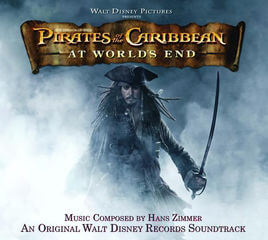
At World's End - Hans Zimmer - Gavin Somerset
'At World's End' is the third film in the 'Pirates of the Caribbean' series. Whilst currently holding the record for the most expensive movie made at the time of release, reviews of the film were mixed and many thought it not as good as its two predecessors. However as with many films, those that have failed to impress on screen can leave behind a soundtrack that remains powerful and popular. Hans Zimmer's music for this third film pulled on the main themes used in the previous two movies with some added material. This arrangement incorporates the new themes from the film, not previously released for band and features the stunning track 'Up Is Down'. This is a work full of energy and one that will engage audiences and performers of all ages. To download the Solo Cornet part, please CLICK HERE . To download the Solo Horn part, please CLICK HERE . To download the Solo Euphonium part, please CLICK HERE . To download the playback audio to play along to, please RIGHT CLICK HERE & Save As .
In Stock: Estimated dispatch 1-3 working days
-
 £29.50
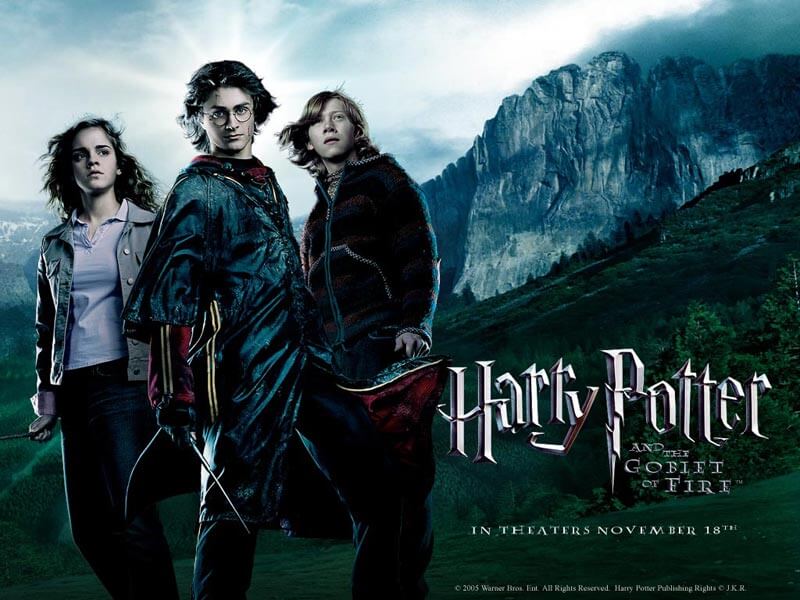
Hogwart's March - Patrick Doyle - George Marshall
From the fourth installation of the Harry Potter series comes 'Harry Potter & The Goblet of Fire'. This was the first of the Harry Potter films not to be scored by John Williams. Instead, Scottish Composer, Patrick Doyle was handed the gauntlet and he produced a gem of a score that lived up to the magic on screen. Although darker than the previous three films, the light-hearted 'Hogwart's March' featured predominantly at the Triwizard tournament. Now available for band, this work is perfect for band's looking to add a little magic to their programme. Instantly recognisable by the younger players and audience, and a different take on the traditional Brass Band march. To download the Solo Cornet part, please CLICK HERE . To download the Solo Horn part, please CLICK HERE . To download the Solo Euphonium part, please CLICK HERE . To download the playback audio to play along to, please RIGHT CLICK HERE & Save As .
In Stock: Estimated dispatch 1-3 working days
-
 £24.50
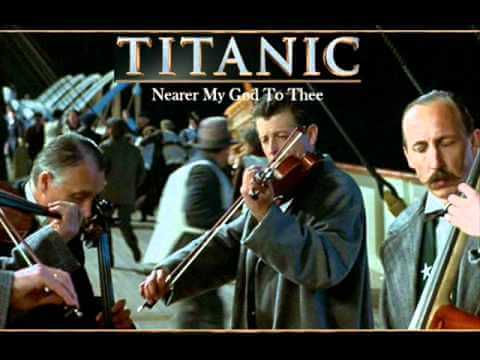
Nearer My God To Thee - Traditional - Gavin Somerset
As the Titanic sank on the 15th April, 1912, eye-witness accounts recall the band playing to the very end in an attempt to keep the passengers calm. This piece played a major part in James Cameron's hit motion picture "Titanic" in 1997, as the heartbreaking scenes of people fighting for survival, and those simply saying good-bye rolled on our screens. This stunning arrangement of the work, as featured in the film, will allow your band to pay tribute to the story of the unsinkable ship, and the 1,517 souls she took with her.
In Stock: Estimated dispatch 1-3 working days
-
 £24.50
A Yorkshire Manger - William Kirtpatrick - Stephen Tighe
A new take on an old favorite. Based on the Carol "Away In A Manger", this arrangement adds a hint of Yorkshire flavour to it with, coupling it with the accompaniments from "Last Of The Summer Wine". A melodious opening from the horn section, with gentle sleigh bells to help us move along. This is sure to warm the hearts of all the listeners this Christmas. For Christmas 2020, we have made backing tracks of this title for you to download. These can be used either for personal playback use, or to create a virtual performance of the piece with your full band. To download the backing track, please RIGHT CLICK HERE & Save As .
In Stock: Estimated dispatch 1-3 working days
-
£29.50
Utopia - Max Stannard
This solo was composed for Amy Partington and the Friezland Brass Band for their performance at the Red Admiral Entertainment Contest. The band won most entertaining performance and the award for best composition or arrangement. The piece is based on the theme of Utopia, representing left wing anarchy, in a set which also featured the Sex Pistols, System of a Down and Black Sabbath, this provided a gentle contrast to the mayhem. Based on themes from Beethoven's Pastoral Symphony and Vivaldi's Spring's 3rd movement, this is a beautiful solo which shows of some lyrical and gentle euphonium playing.
In Stock: Estimated dispatch 1-3 working days
-
£29.50
Baking Day - Naomi Styles
Baking Day is a fast, foot-tapping duet which will challenge your Euphonium and Eb bass players. It also features 'kitchen percussion' - the percussion section is invited to raid the kitchen for things that thud and clang, although parts for ordinary instruments are provided! There are opportunities for your percussion section to ad-lib in the middle section between E and F, to show off their capabilities. There are also places where banter between conductor and players can take place, making this a fun-filled entertainment piece that both shows off your duetists' talents and raises a smile.This work forms part of a series inspired by Christopher Lloyd's book 'What on earth Evolved?' which ranks the species that have had the biggest impact on the history of Earth and humankind. The series thus makes up a modern 'Carnival of the Animals'. Baking Day celebrates Yeast, a microscopic fungus which brings us bread, buns, wine, Marmite and even biofuel.
In Stock: Estimated dispatch 1-3 working days
-
£29.50
Busy Line - Murry Semos - Gavin Somerset
Originally a hit for Rose Murphy before being re-recorded by Peter Skellern on his 1982 album "A String Of Pearls", this arrangement is based on the Skellern recording which has a 'trad-jazz' feel throughout. The piece gives your band a chance to show off the soloists, including solo cornet, flugel, solo horn, solo trombone & bass section (however an optional cut is included which removes the soloists section). You may also remember the piece from the BT television adverts in 1990 with its unique use of the 'brr brr brr' sound! If you're looking for something new and entertaining for your concert program this year, look no further!
In Stock: Estimated dispatch 1-3 working days
-
£29.50
Brass Monkey's American Tour - Gavin Somerset
It is well known that our learners learn much quicker if they can recognise the music that they are playing. The 'Brass Monkey's American Tour' ensures that your ensemble, whatever its size, will have fun and learn, whilst playing these well-known American classics. Melodies are passed around the band (with appropriate doubling up on parts) to ensure that every player has a chance to shine and contribute to the music. This selection is the perfect choice for teaching and performing.OH SUZANNAYANKEE DOODLE DANDYHOME ON THE RANGEWHEN JOHNNY COMES MARCHING HOME
In Stock: Estimated dispatch 1-3 working days
-
 £37.50
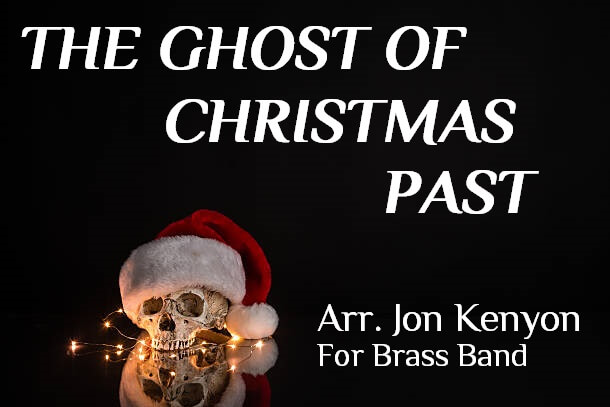
Ghost of Christmas Past - Trad - Jon Kenyon
This effective new arrangement creates a haunting atmosphere for your concerts, as some of the most well-loved Christmas carols are scored in a way unheard of before. Opening with God Rest Ye Merry Gentlemen in a cinematic scene, the work wouldn't feel out of place on the set of a Tim Burton film score. Carols of the minor key drift though the composition and take your audience on a journey to give them something completely different and fresh for your concerts this year. At 7 mins duration, the work is a perfect Overture alternative of the Macabre kind.
In Stock: Estimated dispatch 1-3 working days
-
 £29.50
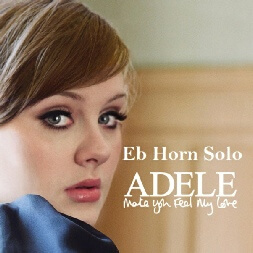
Make You Feel My Love - Bob Dylan - Gavin Somerset
With a melody that sits beautifully for the tenor horn, this song was written by Bob Dylan and first released by the singer, Billy Joel. In 2008, Adele released this version on her debut album which gained phenomenal success worldwide and featured appearances on the X-Factor and Britain's Got Talent, as well as featuring countless times in films and across TV networks. This arrangement of the gorgeous melody allows the soloist the freedom to express themselves with careful scoring beneath in this delicate work. A stunning solo that belongs in every horn player's repertoire.
In Stock: Estimated dispatch 1-3 working days
 View Music
 Listen to MP3