
Results
-
 £29.50
The Girl From Zamora - Goff Richards - Gavin Somerset
When the name Goff Richards is attached to a piece of music, you can be certain that strong melodies & memorable themes will follow. This piece, never before released, is a wonderful cornet/flugel duet that congers up the images of a relaxed Spanish lifestyle, in this easy going, laid back gem of a concert item. Originally recorded by Alan Morrison on his CD 'Memorable Melodies", this duet is the perfect item for both bandstands and concert halls. Not to be missed!
In Stock: Estimated dispatch 1-3 working days
-
 £29.50
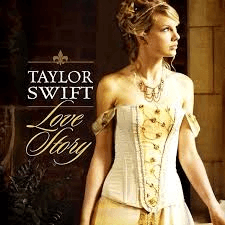
Love Story - Taylor Swift - Gavin Somerset
Released in September 2008, this hit shot Taylor Swift to fame both in the pop and country music industry. The song still holds the record for being the most downloaded country song in history. With words based on a modern day Romeo & Juliet, however this time, with a happy rather than tragic ending. This arrangement by Gavin Somerset remains faithful to the original in every way, with cues and some doubling of parts allowing most levels of bands to perform this work. A perfect piece for younger bands and for summer and gala concerts where this piece shows the younger members of your audiences that Brass Bands are incredibly versatile and even gives the chance to sing along!
In Stock: Estimated dispatch 1-3 working days
-
 £29.50
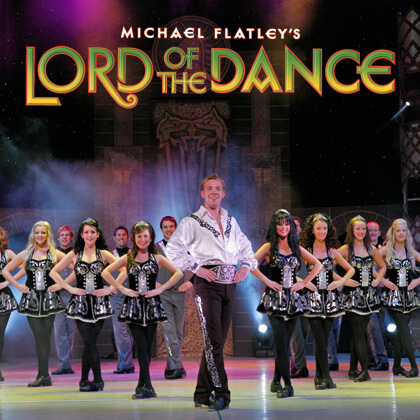
The Lord Of The Dance - Ronan Hardiman - Gavin Somerset
During an interval at the Eurovision Song Contest in 1994, Michael Flatley & the 'Riverdance' cast took the world by storm and continued to achieve worldwide success. Michael Flatley left 'Riverdance' with the dream of creating a show that was suitable for performances in arenas and not just traditional theatres - 'The Lord Of The Dance' was born. Using the traditional US shaker hymn 'The Lord of the Dance' as the shows main theme, Ronan Hardiman adapted the music to be bursting with life. This arrangement by Gavin Somerset is full of excitement and energy, arranged to ensure this effect is playable by most levels of bands. A real crowd pleaser & finale act that will have the audiences on their feet!
In Stock: Estimated dispatch 1-3 working days
-
 £29.50
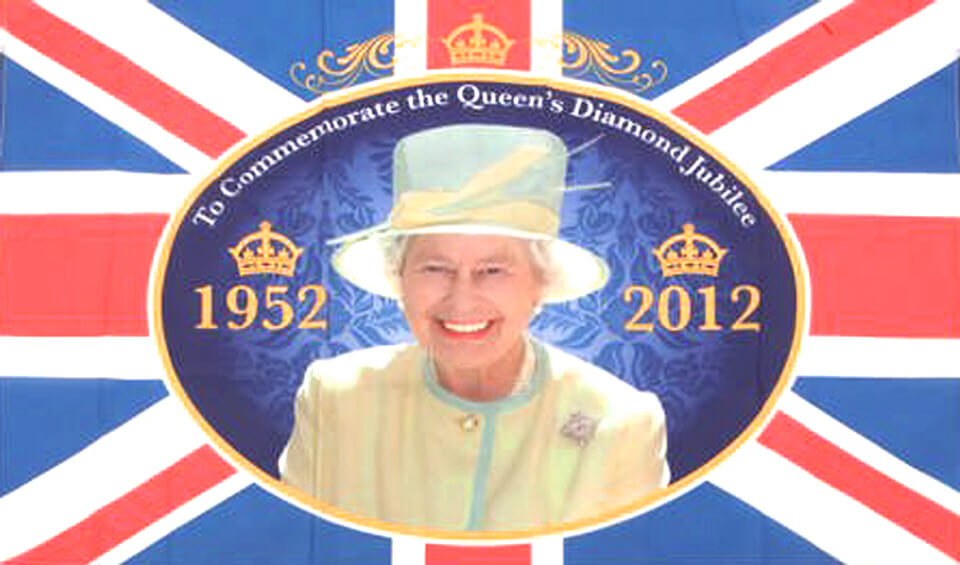
Lovely Jubilee - Various - Gavin Somerset
2012 marked a year of celebration for the Queen's Diamond Jubilee. This patriotic title gives your band the oppertunity to pay tribute to all that is great about Great Britain. There's fun to be had with suggested choreography featured during "The British Grenadiers" and a salute to the "Men Of Harlech" (along with some other surprises!) before the gorgeous tune 'Suo Gan' takes the limelight. Of course, your audience will most likely join in the fun too, with music such as 'Land Of Hope & Glory' & 'Rule Britannia!' to finish, this item will surely leave your audiences on a patriotic high. This is the perfect item for concerts and contests.
In Stock: Estimated dispatch 1-3 working days
-
 £65.50
Phoenix - David Holling
Phoenix is a programmatic study depicting the life of the fascinating fictitious bird. The opening is dramatic and yet joyous, followed by the first theme that represents the bird in flight; light in style but relentless all the same. A touch of Latin imposes on a small part of the opening section before returning to the theme once again. The 'Tranquillo' section represents the calm dignity of the bird's fate before the tender slow movement conveys the Phoenix's death with a new theme. This is chance for the soloists to demonstrate musical and technical skill and should be treated interpretively, not mechanically. A fanfare then bursts forth followed by a serious but short fugal section as the Phoenix is reborn. The bird takes flight again in the closing section of music where the melodic content should always be at the forefront of the ensemble.
In Stock: Estimated dispatch 1-3 working days
-
£29.50
Quanta Qualia - Patrick Hawes - David Hollins
This moving piece of music, composed by the British composer Patrick Hawes, was featured on Hayley Westenra's album 'Odyssey'. The words "Quanta Qualia" translate to "How great & how wonderful". Now, scored for brass band by David Holling, a quintet (2 cornets, Horn, Baritone & Euphonium) lead the band throughout this stunning piece that brings a sense of tranquility to your concerts. This is the perfect item for those reflective, tender moments within your concert program that every band should have in their repertoire.
In Stock: Estimated dispatch 1-3 working days
-
 £29.50
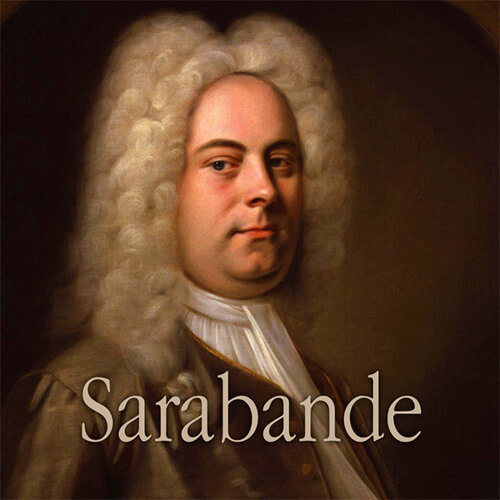
Sarabande - Handel - Sam Fisher
The theme of the fourth movement of Handel's 'Keyboard Suite in D Minor' (the Sarabande) has been popularised across many mediums in recent years and is regularly featured on Classic FM's playlist. Whilst steady in tempo, this arrangement is a great piece for bands looking to not only feature a popular piece of classical music, but also put all sections of the band to work with regards to learning to balance chords and ensure good ensemble musicianship. A favourite amongst listeners.
In Stock: Estimated dispatch 1-3 working days
-
 £29.50
Theme from Tetris - Traditional - Martyn C Adams
Tetris is without doubt, one of the bestselling games worldwide since its global release in the mid-1980s. Challenging the player to organise a series of falling blocks, the theme tune based on the Russia traditional song, Korobeiniki, in its electronic format, became synonymous with the hand held game. This work has now been scored in an exciting arrangement for brass band which builds and builds to an exciting finale. The music features all sections of the band and bridges the generations, working well as a fantastic finale showstopper.
In Stock: Estimated dispatch 1-3 working days
-
 £24.50
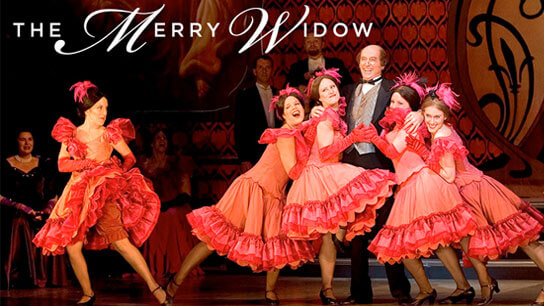
Vilja (From 'The Merry Widow') - Franz Lehar - Andi Cook
This special new release is a specially commissioned arrangement by Andi Cook for the Grimethorpe Colliery Band and in particular, their soprano cornet player, Kevin Crockford. Recorded and released on the bands new CD "Grimethorpe By Request", this lively piece of music from "The Merry Widow" is within the reach of most soprano players and is not too technically challenging. A certain delight for the audience and a welcome addition to any soprano cornet player's repertoire.
In Stock: Estimated dispatch 1-3 working days
-
£24.50
The Cheshire Waltz - Traditional - A. Cook
A gentle setting of the traditional Cheshire folk melody, featuring solo and ensemble contributions from around the stand, this arrangement is playable by most levels of band and ideal for a lighter moment in your concert programme as an alternative to a slow melody.Starting as softly as a summer breeze, slowly gaining enthusiasm, before waltzing brightly to its peaceful conclusion, it's music as light as a victoria sponge and as English as a game of cricket on the village green.
In Stock: Estimated dispatch 1-3 working days
 View Music
 Listen to MP3