
Results
-
 £24.50
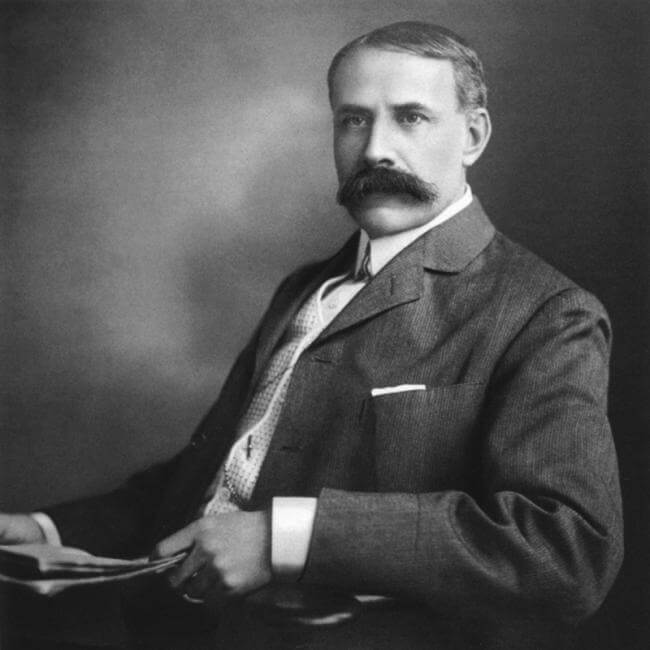
Nimrod 'From Enigma Variations' - Elgar - Gavin Somerset
The 'Enigma Variations' by Elgar are musical portraits of his friends and family. The best of these 14 variations is by far, number 9 entitled 'Nimrod'. The variation has become a piece in its own right and is common at funerals and other solemn occasions. Remembrance Day in particular would not be complete without hearing the work and is always performed at the Cenotaph in London on this day. Now, this arrangement by Gavin Somerset remains faithful to the original and with careful scoring throughout, it allows bands of most standards to play this gorgeous piece and still obtain those hair raising moments the audiences have come to expect. A must for every bands library.
In Stock: Estimated dispatch 1-3 working days
-
 £29.50
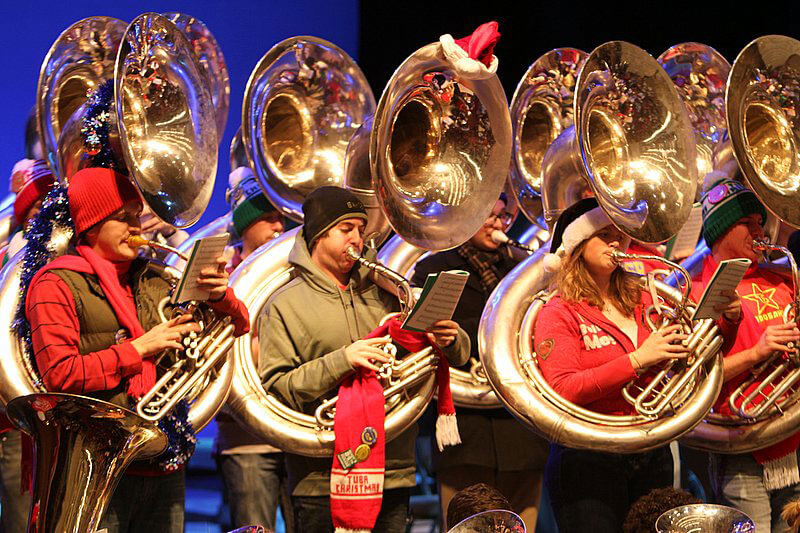
An Oompah Christmas - Trad - Len Jenkins
Described as "Rhythmic Seasonal Sillyness", this smashing arrangement throws together a mixture of well known Christmas melodies (Noel, Silent Night, Schneewalzer) as well as some other surprises, wrapped up in a toe tapping waltz style, all finished off with a rendition of "We Wish You A Merry Christmas". Perfect anywhere on a Christmas program and makes a great finale item.
In Stock: Estimated dispatch 1-3 working days
-
 £29.50
Only You - Vincent Clarke - Andrew Keegan
Originally beginning life as a joke item, this track was to feature on Kylie Minogue's 2015 Christmas album. James Corden & Kylie Minogue have been good friends since hosting the BRIT awards in 2009 and upon completing the recording, record producers took a liking to it and elevated the song to single status. The piece makes a great cornet/horn duet and although was initially released for a Christmas album, it is not a Christmas song. Light accompaniments and a simple, beautiful melody ensure this new duet will be a hit with players and audiences alike. *Soprano Cornet solo part included as an extra to perform as a Soprano/Horn Duet.
In Stock: Estimated dispatch 1-3 working days
-
 £24.50
O Isis Und Osiris - W.A. Mozart - Andi Cook
The Magic Flute (Die Zauberflote) is one of Mozart's most successful operas, premiered only 2 months before the composer's early death. Skilfully arranged now as an Eb Tuba solo (with an Euphonium solo part as an alternative option), this is a chance for your band's tuba player to show the instruments in a new light, not often seen on the concert stage. The Aria O Isis Und Osiris is performed at the start of the second act of the opera and allows the soloist to show off the more lyrical and operatic side of the instrument.
In Stock: Estimated dispatch 1-3 working days
-
 £65.50
Phoenix - David Holling
Phoenix is a programmatic study depicting the life of the fascinating fictitious bird. The opening is dramatic and yet joyous, followed by the first theme that represents the bird in flight; light in style but relentless all the same. A touch of Latin imposes on a small part of the opening section before returning to the theme once again. The 'Tranquillo' section represents the calm dignity of the bird's fate before the tender slow movement conveys the Phoenix's death with a new theme. This is chance for the soloists to demonstrate musical and technical skill and should be treated interpretively, not mechanically. A fanfare then bursts forth followed by a serious but short fugal section as the Phoenix is reborn. The bird takes flight again in the closing section of music where the melodic content should always be at the forefront of the ensemble.
In Stock: Estimated dispatch 1-3 working days
-
£24.50
Perpetuum - Dave Collins
A new and very exciting concert work for band. It is based upon driving additive patterns similar to those use in action and spy films. This is a brilliant new addition to the concert repertoire and is composed with energy right from the start. Thick block chords underneath the driving rhythms will allow your audience to feel the band's presence. This title was originally commissioned by the VBS Poynton band and works equally well on the bandstand or in the concert hall.
In Stock: Estimated dispatch 1-3 working days
-
 £29.50
A Partridge In A Pear Tree - Gavin Somerset
The perfect Christmas concert finale!!! The Twelve Days of Christmas is known for being one of the most tedious pieces for any band to play - now the band get their own back! As the M.D starts to conduct the "Twelve Days Of Christmas", the band has other ideas. Throughout the piece, well-known carols are blasted out from all corners of the stage. This item is ideally suited for each band to add their own choreography. As the M.D fights to keep the front row playing all twelve days, the trombones stand to blast out Jingle Bells, the horns decide to join in and the back row then show their retaliation by giving a round of "Once In Royal David's City" - and the fun goes on. Eventually the M.D & front row finally loose their battle and give in at the end to a rousing line of "We Wish you a Merry Christmas". Fanfares, Jazz Waltz's and Christmas bedlam leave your audience in stitches and wanting more!!
In Stock: Estimated dispatch 1-3 working days
-
£29.50
Quanta Qualia - Patrick Hawes - David Hollins
This moving piece of music, composed by the British composer Patrick Hawes, was featured on Hayley Westenra's album 'Odyssey'. The words "Quanta Qualia" translate to "How great & how wonderful". Now, scored for brass band by David Holling, a quintet (2 cornets, Horn, Baritone & Euphonium) lead the band throughout this stunning piece that brings a sense of tranquility to your concerts. This is the perfect item for those reflective, tender moments within your concert program that every band should have in their repertoire.
In Stock: Estimated dispatch 1-3 working days
-
£24.50
Rondeau - Mouret - Stephen Tighe
Public Television viewers will recognize this piece as the theme from "Masterpiece Theatre." It was composed in Paris in 1729 by Jean-Joseph Mouret (1682-1738) as part of a longer suite of instrumental pieces. The Rondeau has been popular at weddings and can be used as either a processional or a recessional, depending on the tempo at which it is played.
In Stock: Estimated dispatch 1-3 working days
-
 £29.50
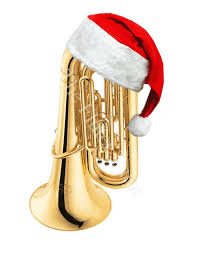
Rockin' Around The Christmas Tree - Johnny Marks - Rob Bushnell
No Christmas concert would be complete without a solo item, and when given the chance to have a bit of fun at the same time, this piece is a must have for your programmes this year. Loosely based on the Mel & Kim version this light-hearted work allows the soloist the chance to have a bit of fun and with an optional cadenza in the middle, the entertainment value is high from start to finish. An optional Bb solo part is also included with the publication.
In Stock: Estimated dispatch 1-3 working days
 View Music