
Results
-
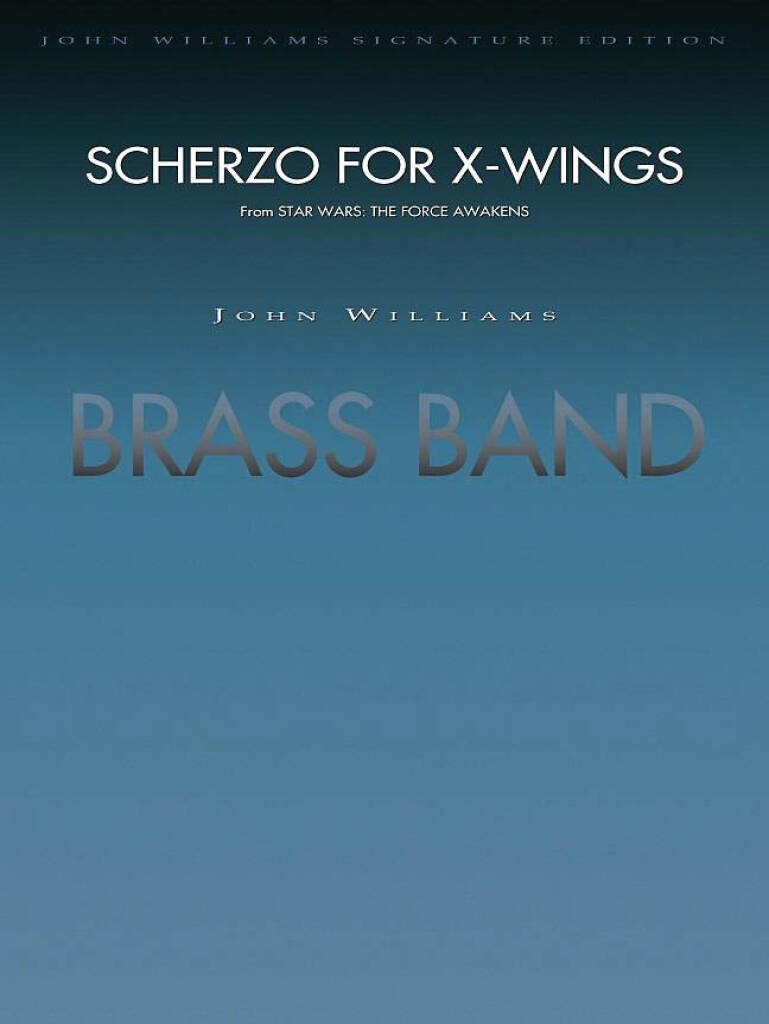 £69.99
Scherzo for X-Wings - John Williams
From the blockbuster film Star Wars: The Force Awakens this exciting music is featured in the climactic battle scene with our heroes and their X-Wing fighters. A dynamic tour de force for mature bands.
Estimated dispatch 5-14 working days
-
£60.99
Dynamite - Robert Finn
This electrifying piece of music is ideal for opening your concert or for when the audience comes back after the intermission. Fasten your seatbelts and put your helmets on!
Estimated dispatch 5-14 working days
-
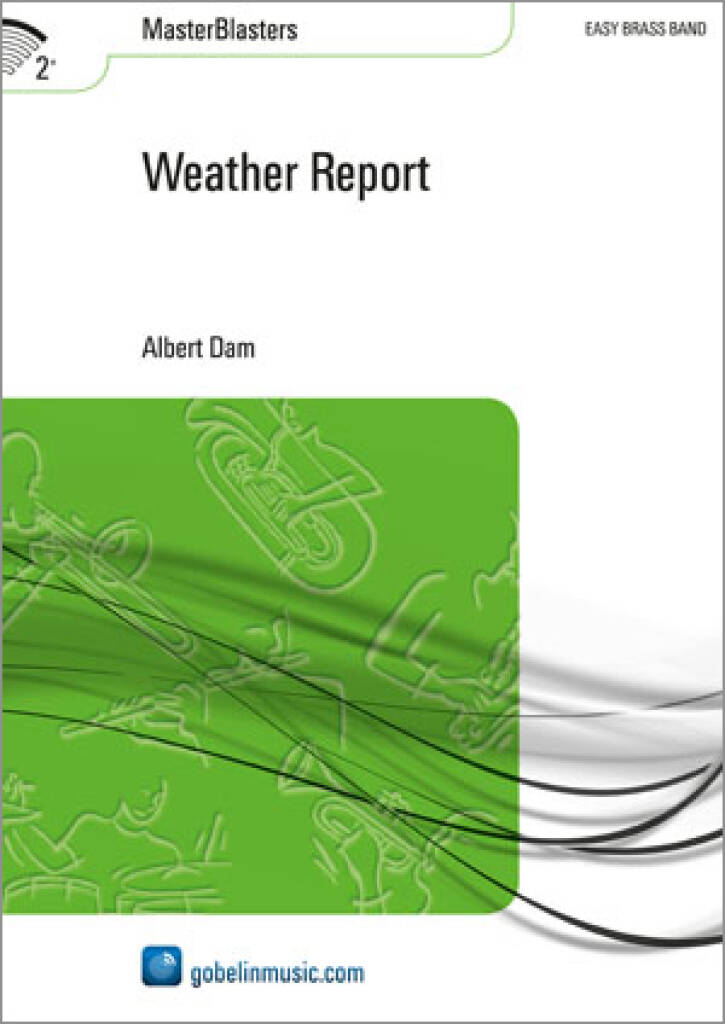 £76.99
Weather Report - Albert Dam
The weather inspired Albert Dam to compose Weather Report. The three parts Windy (rock), Misty (ballad) and Sunny (calypso) want to make us believe that the weather will be changeable. Stable or not, the music is solid as a rock.
Estimated dispatch 5-14 working days
-
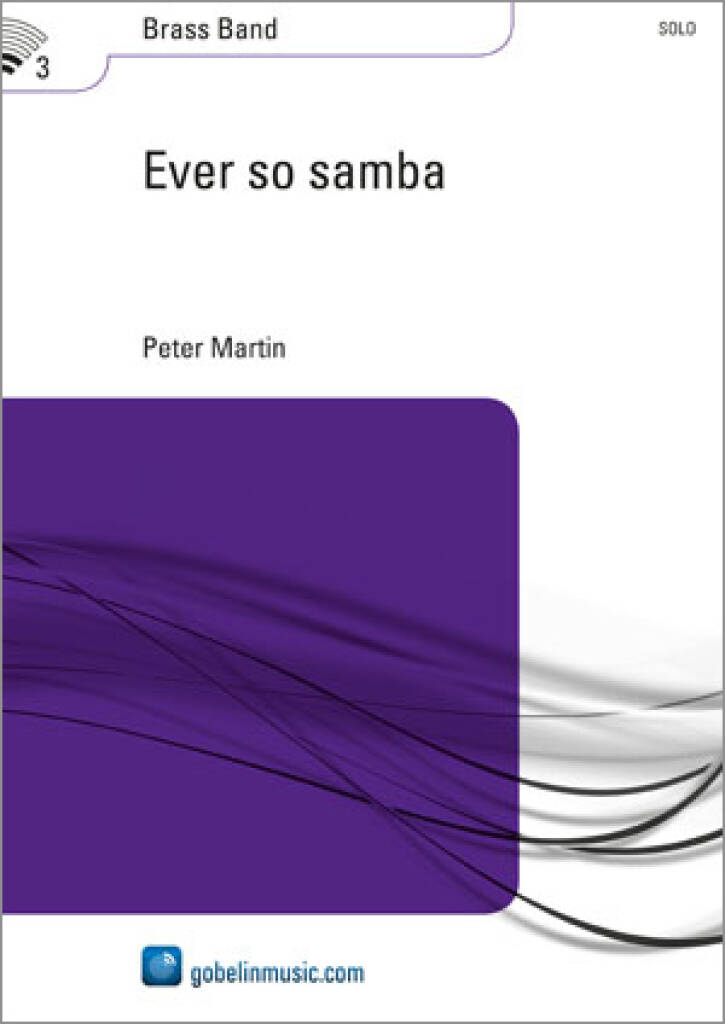 £76.99
Ever so samba - Peter Martin
The rhythm of the samba was originally created in Africa and brought to Brazil by the slaves . Here it became the national dance. For every festive occasion and especially the carnival festivities (Rio de Janeiro) samba music is played. The World's Fair in New York (1939) was the reason to the biggest spread of the samba. The cornet section gets an opportunity to feature in Ever so Samba. Together with the swinging percussion section they let you enjoy a South American party.
Estimated dispatch 5-14 working days
-
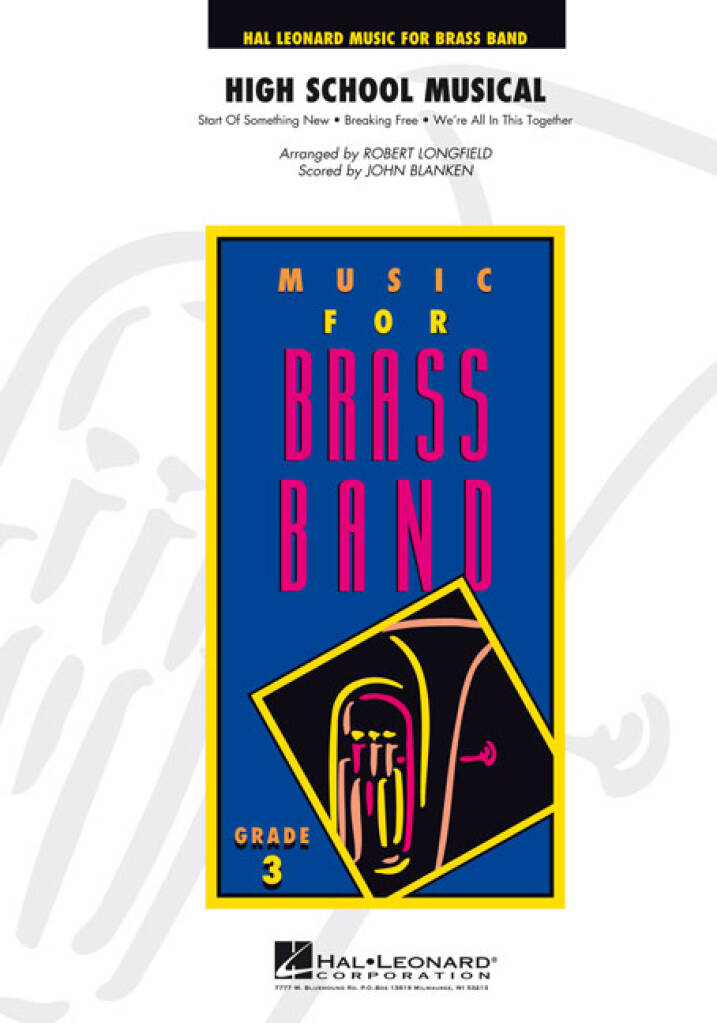 £60.99
High School Musical - Robert Longfield
Ask any child what their favourite film has been over the past few years and a large number will say High School Musical. The music is full of energy and emotion and has been an essential part of the films success. This fun-filled medley features three songs from the original film: Start Of Something New, Breaking Free and We're All In This Together.
Estimated dispatch 5-14 working days
-
 £54.99
Inner Space - John Emerson Blackstone
Today's society means to many people: bustle, hurry, quick and more ... No wonder that many are looking for (inner) tranquility and balance in their overloaded existence. Listen to music or active music is a way to relax and also to draw new energy. The repetitive motifs in Innerspace provide a relaxing effect. Enjoy and use the strength of your own 'innerspace'.
Estimated dispatch 5-14 working days
-
 £76.99
La Storia - Jacob de Haan
Film music is usually written to match the action of each scene. In Jacob de Haan's piece La Storia however there are no scenes and no plot, yet the composer supplies us with music full of action and suspense. The performers and audience are left to create their own storyline to fit the music. Jacob de Haan has dedicated La Storia to one of the most famous composers of film music - the Italian, Ennio Morricone.
Estimated dispatch 5-14 working days
-
 £9.99
£9.99Christmas Collection - Words and music (piano)
Christmas Collection is a newly revised carol book with original, additional and rearranged carols from New Christmas Praise as well as 10 extended pieces. Parts are now also available in large print A4 size!Titles:A child this day is bornA Christmas lullabyA great and mighty wonderAll my heart this night rejoicesAngels, from the realms of Glory (Come and worship)Angels, from the realms of Glory (Iris)Angels we have heard on highA starry nightAs with gladness men of oldA virgin most pureAway in a manger (The manger scene)Away in a manger (Traditional)BethlehemBrightest and best (Spean)Brightest and best (Traditional)Calypso CarolCarol for the NativityCarol of the drumChild of MaryChristians AwakeChrist is born (Il est n)Christ was born on Christmas DayCome and join the celebrationCome, children, come quicklyCoventry CarolDing dong! merrily on highDo you hear what I hear?Gabriel's MessageGaudeteGlory in the highestGlory in the highest HeavenGod of God, the uncreatedGod rest you merry, gentlemenGood Christian men, rejoiceGood King WenceslasGo, tell it on the mountain!Hark the glad sound!Hark! the herald angels singHow far is it to Bethlehem?Huron CarolInfant HolyIn the bleak midwinter (Cranham)In the bleak midwinter (Darke)I saw three ships come sailing inIt came upon the midnight clear (Traditional)It came upon the midnight clear (Willis)I wonder as I wanderJesus, good above all otherJoy to the world!Little baby JesusLittle children, wake and listenLittle DonkeyLittle Jesus, sweetly sleepLo! he comes with clouds descendingLong, long agoLove came down at ChristmasMary's boy childMary's ChildMasters in this hallNoelO come, all ye faithfulO come, ImmanuelO Heaven-sent KingO holy night!O little town of Bethlehem (Christmas Carol)O little town of Bethlehem (Forest Green)O little town of Bethlehem (St Louis)Once in royal David's cityPast three o'clockPersonent HodiePraise ye the LordRing the bellsRise up, shepherd!Sans day carolSaviour's DaySee, amid the winter's snowSilent Night!Softly the night is sleepingStars are shiningStill, still, stillSussex CarolSweet chiming bellsSweet chiming Christmas bellsThe candle songThe cherry tree carolThe first NowellThe holly and the ivyThe infant KingThe light has comeThe shepherds' farewellThe stable doorThe star in the eastThe virgin Mary had a baby boyThey all were looking for a kingThou didst leave thy throneThree kings' marchUnto us a boy is bornWe gather round the manger-bedWe three kings of Orient areWhat child is this?Whence is that goodly fragrance flowing?When wise men came seekingWhile shepherds watched (Cranbrook)While shepherds watched (Handel)While shepherds watched (Winchester Old)Who is he?Zither Carol
Estimated dispatch 7-14 working days
-
 £59.95
The Lord is King (Brass Band - Score and Parts) - Steadman-Allen, Ray
Ray Steadman-Allen was for many years the driving force in Salvation Army music. His publication list of both brass and vocal works can be measured literally by the hundred. 'The Lord is King' is arguably his crowning achievement of over twenty major works for brass band. Although described as a suite, the work is more symphonic in conception and scale as well as being formidable to perform. The work is based on the Welsh hymn tune 'Llangollen' to which the hymn 'The Lord is King, I own His power' are associated. The three movements derive inspiration from the lines 'My joy, my toil, my craftman's skill, all have their place, and serve His will' found in verse five of the hymn.
Estimated dispatch 7-14 working days
-
£29.95
The Lord is King (Brass Band - Score only) - Steadman-Allen, Ray
Ray Steadman-Allen was for many years the driving force in Salvation Army music. His publication list of both brass and vocal works can be measured literally by the hundred. 'The Lord is King' is arguably his crowning achievement of over twenty major works for brass band. Although described as a suite, the work is more symphonic in conception and scale as well as being formidable to perform. The work is based on the Welsh hymn tune 'Llangollen' to which the hymn 'The Lord is King, I own His power' are associated. The three movements derive inspiration from the lines 'My joy, my toil, my craftman's skill, all have their place, and serve His will' found in verse five of the hymn.
Estimated dispatch 7-14 working days
 View Music