
Results
-
 £29.50
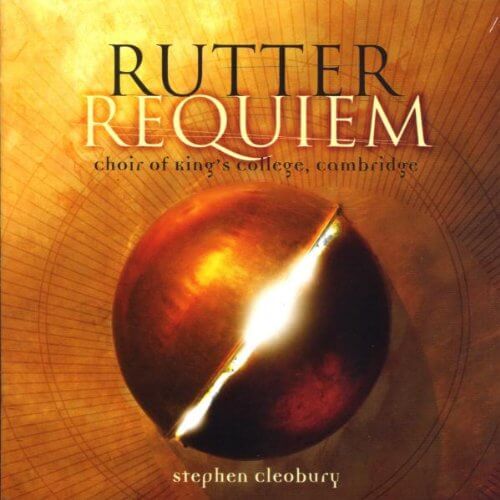
Pie Jesu (From Requiem) - John Rutter - Adam Rutter
John Rutter's music is known across the world for its simplicity and memorable melodies. The 'Pie Jesu' from his requiem is certainly no exception. First performed in Dallas, Texas in 1985, the 6 movements completed Rutter's setting of the Roman Catholic Mass. The third movement (the 'Pie Jesu') is typical of the composer, featuring a strong melody line with subtle accompaniments. Now arranged for Solo Cornet by Adam Rutter, this slow melody allows the soloist to shine in one of the finest and most famous settings of the work to date. A great addition to any concert & soloists repertoire.
In Stock: Estimated dispatch 1-3 working days
-
 £65.50
Phoenix - David Holling
Phoenix is a programmatic study depicting the life of the fascinating fictitious bird. The opening is dramatic and yet joyous, followed by the first theme that represents the bird in flight; light in style but relentless all the same. A touch of Latin imposes on a small part of the opening section before returning to the theme once again. The 'Tranquillo' section represents the calm dignity of the bird's fate before the tender slow movement conveys the Phoenix's death with a new theme. This is chance for the soloists to demonstrate musical and technical skill and should be treated interpretively, not mechanically. A fanfare then bursts forth followed by a serious but short fugal section as the Phoenix is reborn. The bird takes flight again in the closing section of music where the melodic content should always be at the forefront of the ensemble.
In Stock: Estimated dispatch 1-3 working days
-
 £24.50
Rondo - Allegretto (from Clarinet Concerto) - Von Weber - Andi Cook
Born in Oldenburg, Germany, Weber composed his first two operas aged just 16. Being one of the finest pianists around, his music is filled with vigour and spirit. Weber wrote three concertos for clarinet in 1811 at the age of 25, for the Munich clarinettist, Heinrich Barmann. The most famous movement from the first concerto has been skilfully arranged for solo cornet and brass band. A perfect showcase of a piece.
In Stock: Estimated dispatch 1-3 working days
-
 £37.50
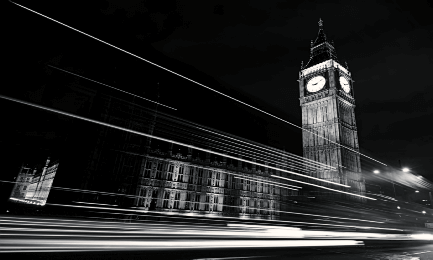
Resurgence - Sam Fisher
Resurgence is a new thrilling work which was composed as the finale for the Carlton Main Frickley Colliery Band's "Great Fire of London" programme which they performed at 'Brass In Concert' 2016. Written in three sections, the work graphically depicts London in its post-fire state, with damaged bells and the ghostly atmospheric sounds. The opening movement entitled, 'Devastation' leads to the rebuild of London town, with "Oranges and Lemons" being heard in short fanfares, eventually arriving at 'New London' which features the iconic "London's Burning" and familiar Westminster Chimes. This is a great showcase for any band looking to impress on both the concert and contest stage.
In Stock: Estimated dispatch 1-3 working days
-
 £24.50
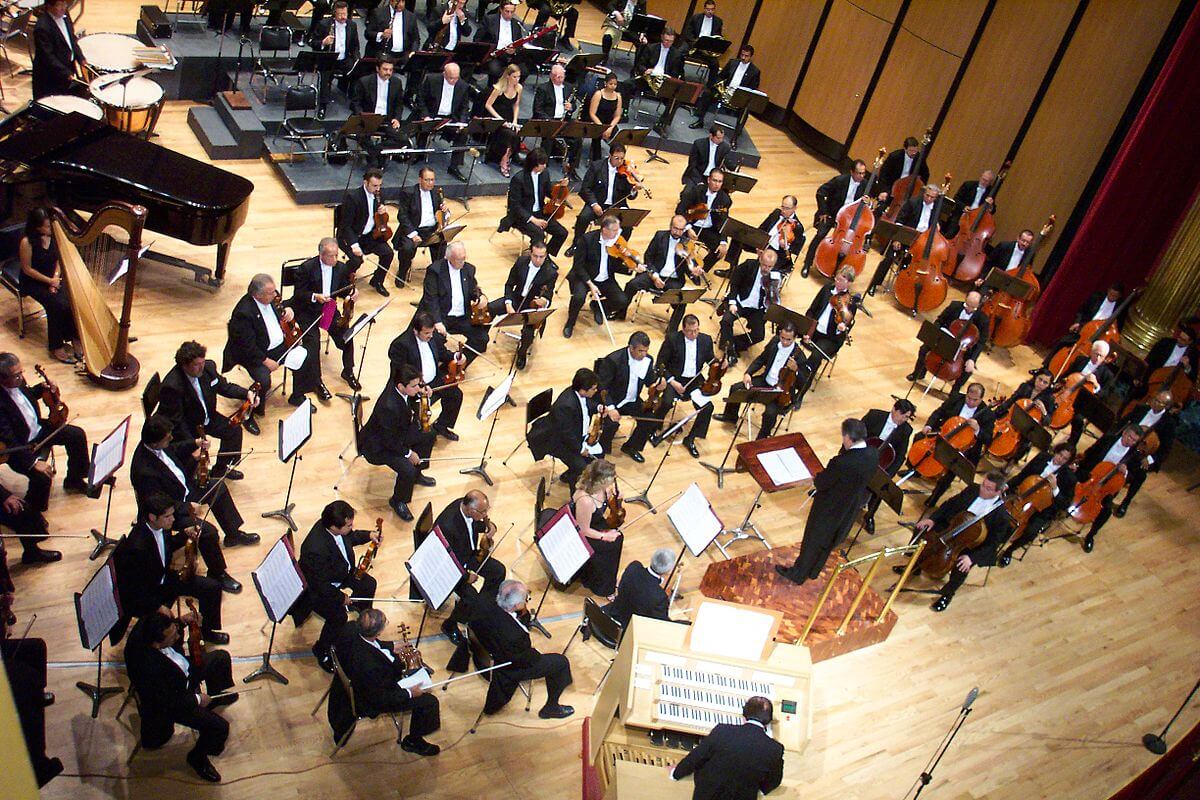
Sospiri - Elgar - Max Stannard
Originally scored for string orchestra, harp and organ, this Adagio was composed by Sir Edward Elgar shortly before the outbreak of the First World War and you can perhaps hear the gathering storm clouds of war in the music which became a bleak adagio that would not be out of place as the slow movement of an Elgar symphony. The work was dedicated to the leader of the London Symphony orchestra W.H. (Billy) Reed.
In Stock: Estimated dispatch 1-3 working days
-
 £29.50
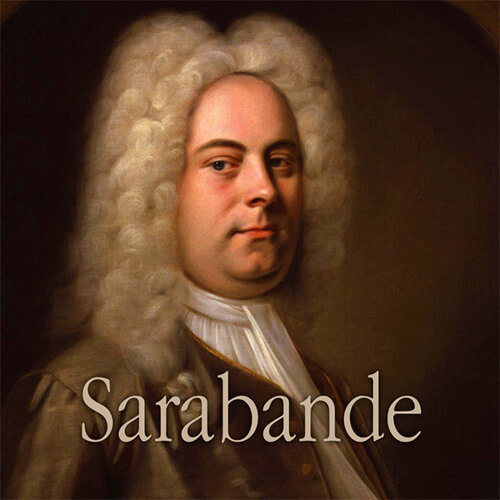
Sarabande - Handel - Sam Fisher
The theme of the fourth movement of Handel's 'Keyboard Suite in D Minor' (the Sarabande) has been popularised across many mediums in recent years and is regularly featured on Classic FM's playlist. Whilst steady in tempo, this arrangement is a great piece for bands looking to not only feature a popular piece of classical music, but also put all sections of the band to work with regards to learning to balance chords and ensure good ensemble musicianship. A favourite amongst listeners.
In Stock: Estimated dispatch 1-3 working days
-
 £24.50
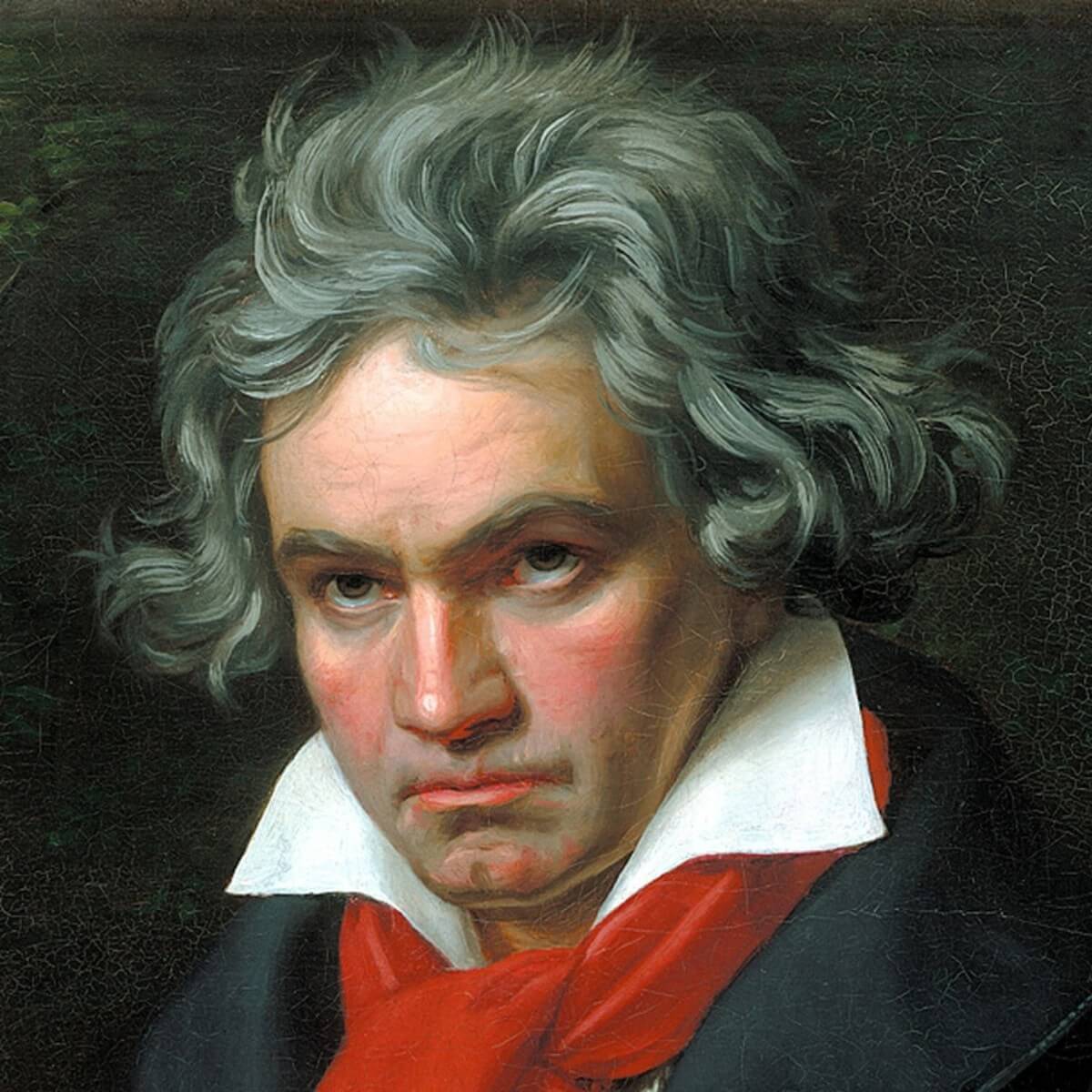
Symphony No.1 (1st Mov.) - Beethoven - Julian M Blakestone
When Beethoven's First Symphony was premiered on April 2 1800, the audience was baffled by the audacity of its composer. Although the work seems, to late 20th century ears, to be little different from the late symphonies of Mozart and especially Haydn. The very opening bars gave notice to the musical world that here was a composer to be watched. Now the first movement has been arranged for full brass band, making the perfect alternative to an overture at a concert.
In Stock: Estimated dispatch 1-3 working days
-
 £37.50
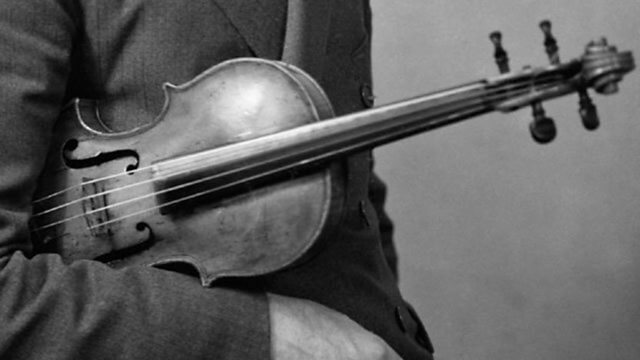
Violin Concerto (Adagio) - Max Bruch - Steven Hague
Skilfully arranged by Steven Hague for Kirsty Abbots of Carlton Main Frickley Brass Band, this beautiful second movement will not only keep the cornet soloist on their toes, but the rest of the band too, with some tricky rhythms and articulation. Although much of the work of Max Bruch remains unknown to modern audiences, his G Minor Concerto enjoys widespread popularity.
In Stock: Estimated dispatch 1-3 working days
-
£29.50
Utopia - Max Stannard
This solo was composed for Amy Partington and the Friezland Brass Band for their performance at the Red Admiral Entertainment Contest. The band won most entertaining performance and the award for best composition or arrangement. The piece is based on the theme of Utopia, representing left wing anarchy, in a set which also featured the Sex Pistols, System of a Down and Black Sabbath, this provided a gentle contrast to the mayhem. Based on themes from Beethoven's Pastoral Symphony and Vivaldi's Spring's 3rd movement, this is a beautiful solo which shows of some lyrical and gentle euphonium playing.
In Stock: Estimated dispatch 1-3 working days
-
 £109.99
Nordic Moods - Tom Brevik
The composer:1st movement: Reflections by the Fjord.Overlooking one of the mighty fjords of Norway, my mind and thoughts are with an old religious Norwegian folk-tune, with words by the famous parson Peter Dass.The majestic fanfare-likeopening reflects the power of God our Father, the choral itself heard for the first time on flugelhorn. The choral is repeated a few times, separated only by some short variations. The movement ends in thriumph, with fanfares and the choral broughttogether.2nd movement: Reflections in the Old Church.In this movement my associations of a summer day, finding myself alone in an old deserted stone church. From the old walls I hear folk songs, perhaps like the ones sung in the church bypoor fishermen and farmers in days gone by. Suddenly the light from the sun breakes through the small circular window above the altar, and a lovely melody is heard, before the original figures take us to the end of the movement.3rd movement:Festive Reflections.Any festive occasion can be reflected in this movement. from the bonfire at midsummer-night to the children celebrating the return of the sun in the northern part of Norway. from the traditional sleigh-riding at Christmas tothe Celebrations of the National Day on the 17th of May each year.
Estimated dispatch 5-14 working days
 View Music
 Listen to MP3