
Results
-
 £83.00
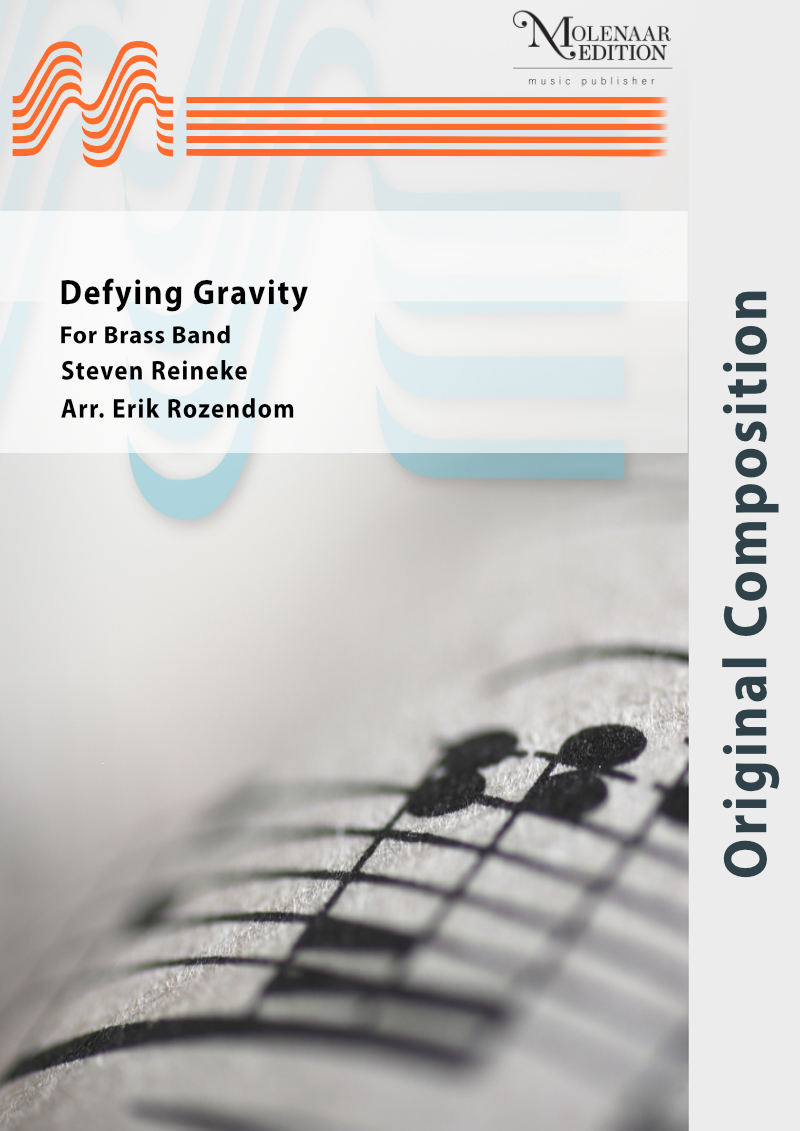
Defying Gravity - Steven Reineke/Erik Rozendom
This is a programmatic work by Steven Reineke that illustrates the wonders of modern aviation. The opening represents take-off and the powerful feeling of the climb to the heavens. But after reaching cruising altitude and calm flying above the clouds, the plane has to descend due to a strong turbulent storm. Everything will be fine if the pilot gets the plane back under control and manages to bring the orchestra and public safely to the ground. A beautiful work for every festival or concert.
Estimated dispatch 10-14 working days
-
 £50.00
Dutch Treat - Pi Scheffer/W. Bosman
Paul Yoder is one of the big names in the history of American wind band music. He was a pioneer in teaching the developing youth bands in the USA and by spreading the modern wind band music repertoire throughout Japan. He wrote over 200 works for symphonic band. 'Dutch Treat' was composed in the early seventies and immediately published in 1971 by Molenaar, a personal friend of Paul Yoder. It is an original arrangement of a traditional tune.
Estimated dispatch 10-14 working days
-
 £42.00
Dutch Treat - Paul Yoder/Wim Bouman
Paul Yoder is one of the big names in the history of American wind band music. He was a pioneer in teaching the developing youth bands in the USA and by spreading the modern wind band music repertoire throughout Japan. He wrote over 200 works for symphonic band. 'Dutch Treat' was composed in the early seventies and immediately published in 1971 by Molenaar, a personal friend of Paul Yoder. It is an original arrangement of a traditional tune.
Estimated dispatch 10-14 working days
-
£67.00
Mary, Did You Know? - Green-Lowry - John Philip Hannevik
Mark Lowry wrote the lyrics for Mary, did you know in 1984, but the melody was created in 1991, when Marks colleague and friend Buddy Greene composed what turned out to be a modern Christmas Classic.Since then, the song has been recorded by numerous artists from all over the world.
Estimated dispatch 7-14 working days
-
£72.00
Fairytale of New York - Finer-MacGowan - Idar Torskangerpoll
Once upon a time a band set out to make a Christmas song. Not about snow or sleigh rides or mistletoe or miracles, but lost youth and ruined dreams. A song in which Christmas is as much the problem as it is the solution. A kind of anti-Christmas song that ended up being, for a generation, the Christmas song.With the recording of "Fairytale of New York", The Pogues and Kirsti MacColl (1959-2000) created a modern Christmas Classic
Estimated dispatch 7-14 working days
-
 £84.95
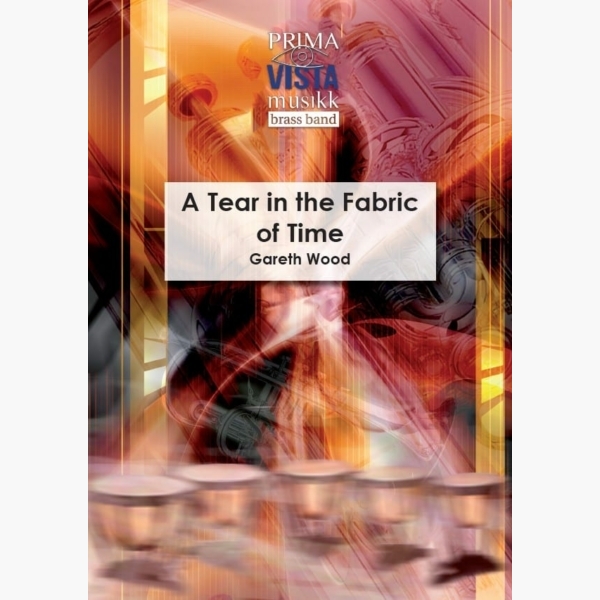
A Tear in the Fabric of Time - Gareth Wood
A Tear in the Fabric of Time is essentially a symphony for brass band and was inspired by the book The Elegant Universe by Brian Greene, which attempts to simplify complex ideas in modern physics for the layperson. This piece...
Estimated dispatch 5-7 working days
-
 £39.95
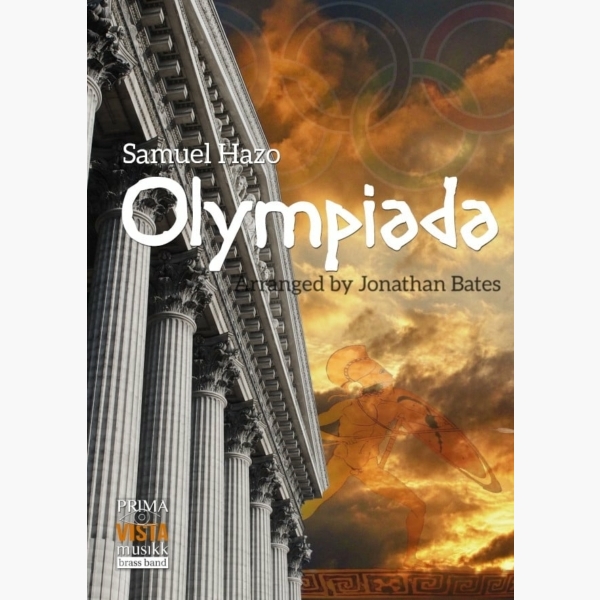
Olympiada - Samuel Hazo - Jonathan Bates
Olympiada was written to capture the human conditions of intense glory and pain that only the Olympic Games can inspire, while musically tying themes with a historic Greek feel to modern chord changes and melodies. It opens with an Olympic-style...
Estimated dispatch 5-7 working days
-
 £44.95
Starburst and Canyons - Paul Lovatt-Cooper
The annual RNCM Festival of Brass features a number of the country's top bands and is a platform for modern compositions. Starburst and Canyons was composed for Dr Nicholas Childs and the Black Dyke Band to perform at the festival...
Estimated dispatch 5-7 working days
-
 £34.95
The Spellbinding Jewel - Paul Lovatt-Cooper
This solo is in rondo form and written in a style which will appeal to both performer and listener. The first section is full of colour and vibrancy and has a rhythmic modern jazz feel that shows off the technical...
Estimated dispatch 5-7 working days
-
 £44.95
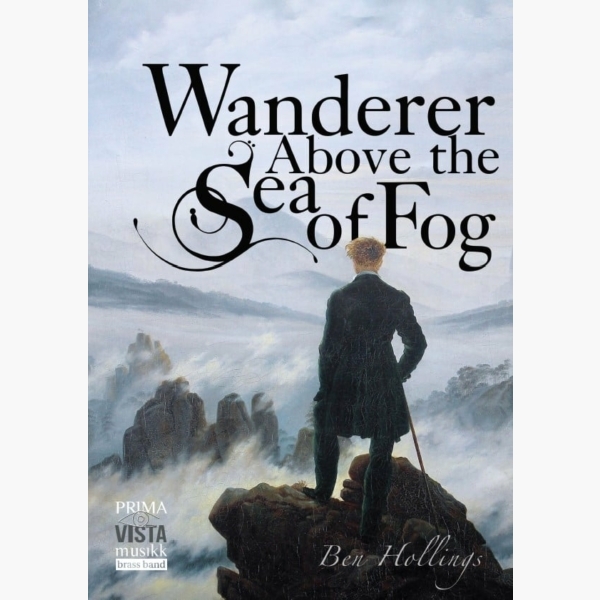
Wanderer Above the Sea of Fog - Ben Hollings
Wanderer Above the Sea of Fog was commissioned by Leigh Baker and the Carlton Main Frickley Colliery Band, for the 2014 Brass in Concert Championships at the Sage, Gateshead. The theme for the programme was a modern take on Mussorgsky's...
Estimated dispatch 5-7 working days
 View Music