
Results
-
 £92.20
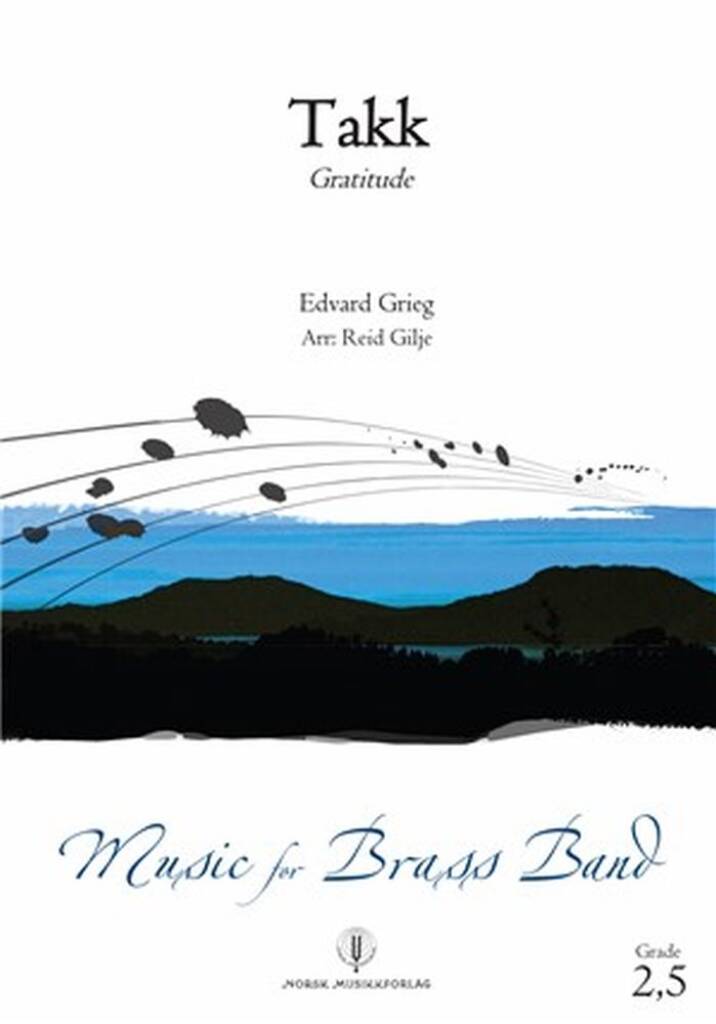
Takk - Edvard Grieg - Reid Glje
"Gratitude" is one of Grieg's beautiful lyrical pieces, Op. 62 No. 2.Eva Knardahl made a beautiful recording that I well remember was used as background for a picture cavalcade by the Norwegian Broadcasting Corporation during the passing of His Majesty King Olav V of Norway in 1991.In this arrangement for band, I have tried to vary the instrumentation, both for the sake of more colours and to emphasize the drama.This piece should be played rubato with elastic phrasing. The form can be described as AABACoda. The most dramatic section is the B part from measure 25, which peaks just before measure 38. The last four measures (from measure 53) can be done a bit 'meno' in tempo.Reid Gilje
Estimated dispatch 5-14 working days
-
 £105.20
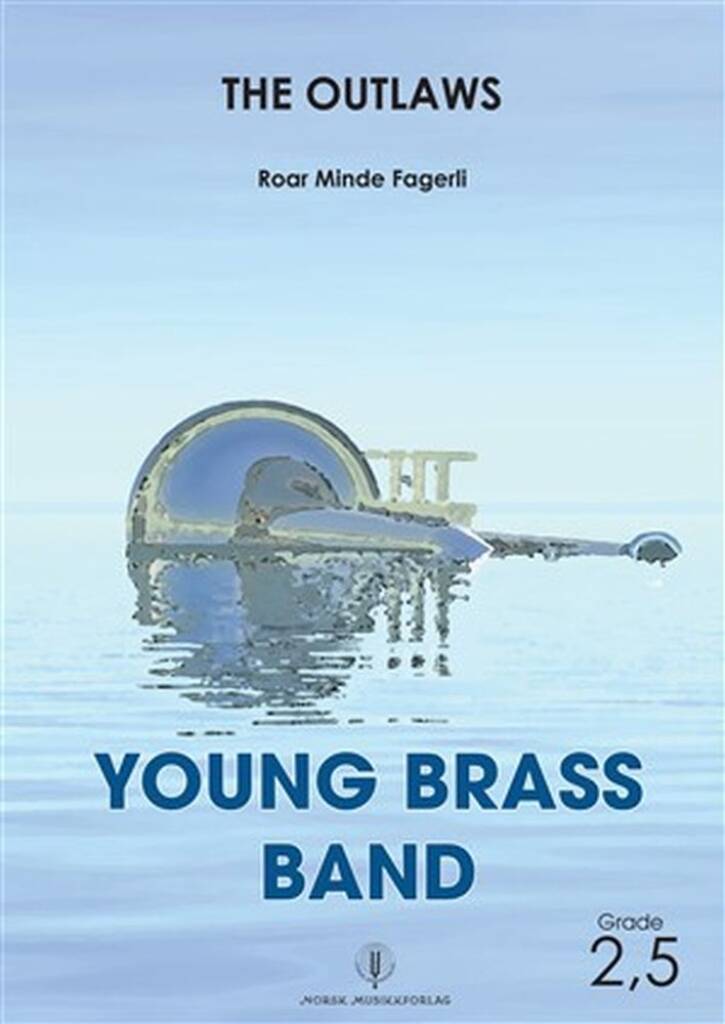
The Outlaws - Roar Minde Fagerli
The Outlaws is a musical piece in three parts who describes three criminal characters.The first part describes a thief in a cartoon who is chased by the police. The second part describes a gangster with a hat and pinstriped suite sitting with his gang planning their next robbery.The last part describes a bandit in the wild west riding across the prairie. He is riding towards a small town to rob the local bank.
Estimated dispatch 5-14 working days
-
 £94.99
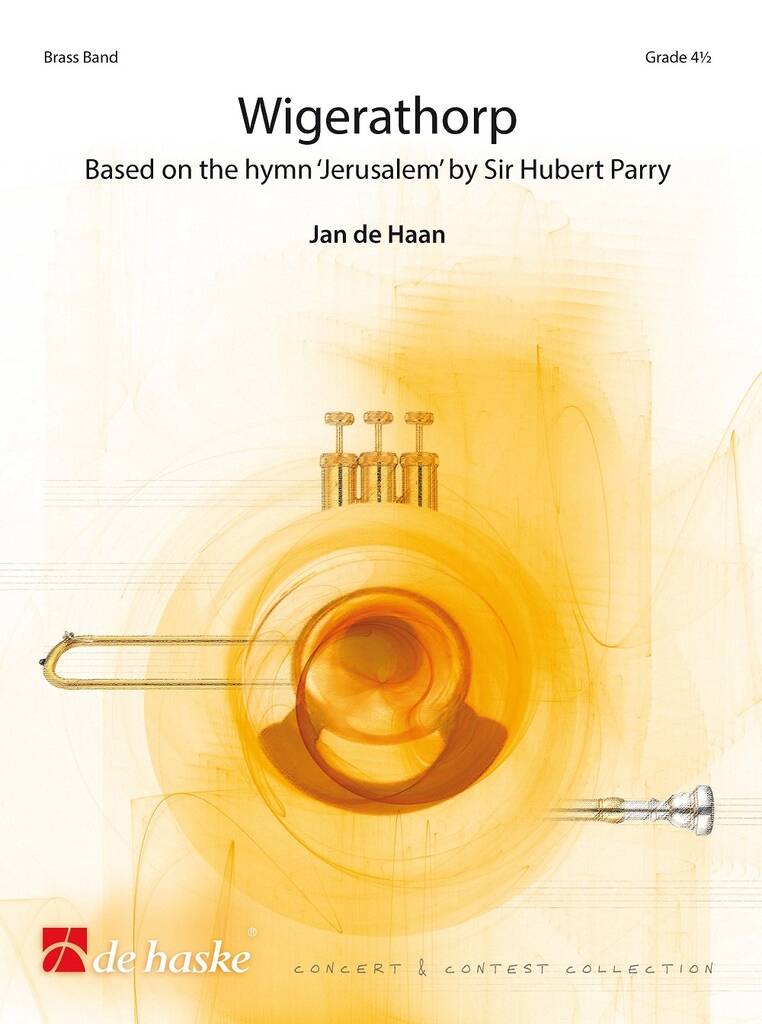
Wigerathorp - Jan de Haan
Brass Band Gloria Dei, the group that commissioned this work, has its roots in the Frisian town of Gerkesklooster (the Netherlands), where the settlement Wigerathorp used to be. In the 13th century, a monastery was erected here, named Jeruzalem. This inspired the composer to base the work on the well-known melodious hymn Jerusalem by Sir Hubert Parry. Gercke's Overture - the monastery was built by order of landowner Gercke Harkema - is followed by a slow movement in which the founders of the monastery, The Monks of Claercamp, take shape through the Gregorian chant Veni creator spiritus. In the last movement, Monastery Jerusalem, the main theme develops in all its glory.
Estimated dispatch 5-14 working days
-
 £102.99
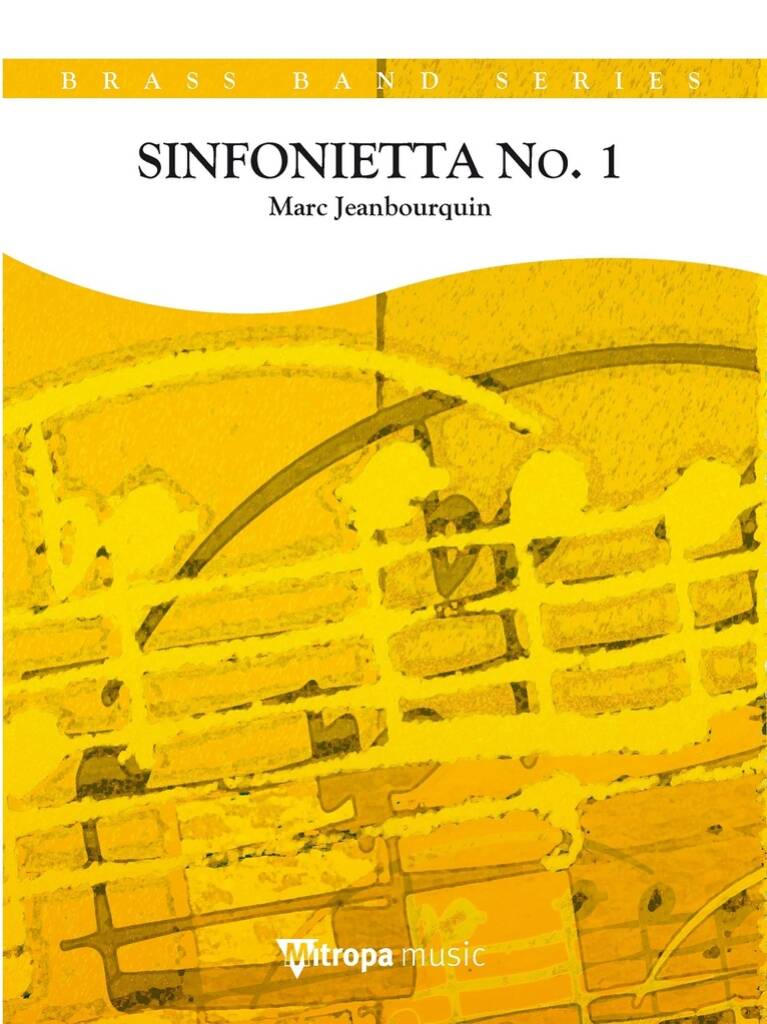
Sinfonietta No. 1 - Marc Jeanbourquin
Sinfonietta No.1 won first prize in the 2023 Composition Competition organized by the Swiss Brass Band Association. Various melodic themes and rhythmic motifs develop throughout the work. They combine with the numerous dynamic effects to bring a certain unity, from the beginning to the end of this competition piece. The technical and melodic difficulties allow the different soloists to show their virtuosity and musical prowess over five uninterrupted parts. After a first slow and misterioso part, there is a contrast with the following energico sequence based on an ostinato, creatings both a progression and a tension, to drive everything towards the third part mesto (sad), then lento, where some cadenzas and numerous dissonnances can be heard. The energico transition announces the fifth part, a ternary and fast con fuoco. This last part will lead the audience to a final apotheosis.
Estimated dispatch 5-14 working days
-
 £115.60
Griffenfeldt - John Philip Hannevik
Here we present "Griffenfeldt, a folk-dance in the style of a Norwegian reinlender.This arrangement can be used as the first item in a concert, or after an interval.The musicians can come on stage as they join in. That is why two of the measures are notated "repeat till ready", here you have to wait until everyone is in place! If everyone is ready from the start, the repetition can be omitted.Be sure to play with a bouncy but singing style, not with short and harsh articulations.Do the trills on the beat, but these can also be omitted if it makes it too difficult.To bring out the folk music style a little extra, you can ask the musicians to play on the "backbeat", i.e. emphasize the last half of each quarter-note.In addition, the music will really come to life if all "solo" places are done standing up.The musician Anon Egeland tells this story:This song got its name from a party where it all just got a bit too lively: one of the party-goers started shooting into the ceiling with a gun just as this reinlender was being played. The fiddler - or was it the man with the gun? - was called Griffenfeldt, and that gave the name for the song.
Estimated dispatch 5-14 working days
-
 £115.60
Pratene vender tilbake - Roar Minde Fagerli
"The Return of the Pirates" is a five movement suite of music originally composed for a summer course arranged by The Norwegian Band Federation.The five movements describes scenes for the pirates' story. In the first movement they sing a shanty while preparing their ship to sail. I the second movement the pirates sails into a storm. In the third movement they sing a song to open a treasure chest. The fourth movement is a dramatic swordfight. In the fifth movement the pirates win at last.
Estimated dispatch 5-14 working days
-
 £72.99
Little Clover - Etienne Crausaz
Cornet solo commissioned by Carole Rudaz, a Swiss cornetist, on the occasion of her 40th birthday. Due to its rarity, the four-leaf clover is considered lucky in western culture. But the common three-leaf shamrock, also known as Little Clover, is one of the symbols of Ireland, whose traditional music greatly influenced the general aesthetics of this piece. The work is in three parts: the first, in 6/8, is very lively and virtuosic. After a short cadenza, the second part introduces a theme tinged with melancholy, while the last part is a dance in 2/2 that reprises the theme of the second part to conclude the piece.
Estimated dispatch 5-14 working days
-
 £72.99
Pagan Songs - Etienne Crausaz
Written in three movements without a break, this work was inspired by melodies of a popular nature. The first movement features two opposing modal melodies: one is very bright and lively, the other dark and tuneful. Various motifs are developed to offer highly contrasting musical events. The second movement is very peaceful, with a melody resembling a lullaby. To conclude the piece, the last movement delivers a festive dance with a swing feel. Commissioned by the Swiss Music Association, this very accessible work is mostly intended for small ensembles or those with mixed instrumentation. The duration and conception of this piece makes it ideal for competitions and concerts alike.
Estimated dispatch 5-14 working days
-
 £115.60
Piratene Kommer! - Roar Minde Fagerli
The Pirates are comming! is a four movement suite of music originally composed for a summer course arranged by The Norwegian Band Federation. The four movments describes the pirates tale. In the first movement they set the sails for new adventures. In the second movememt we meet the pirates early one morning when the sun rises. I the third movememt the pirates are looking for a treasure map at the Isle of the Dead. In the fourth and last movememt, they hunt the teasure! The Composer has been inspired by TV-series and films with pirate themes. The Music is written especially for beginners.
Estimated dispatch 5-14 working days
-
 £159.99
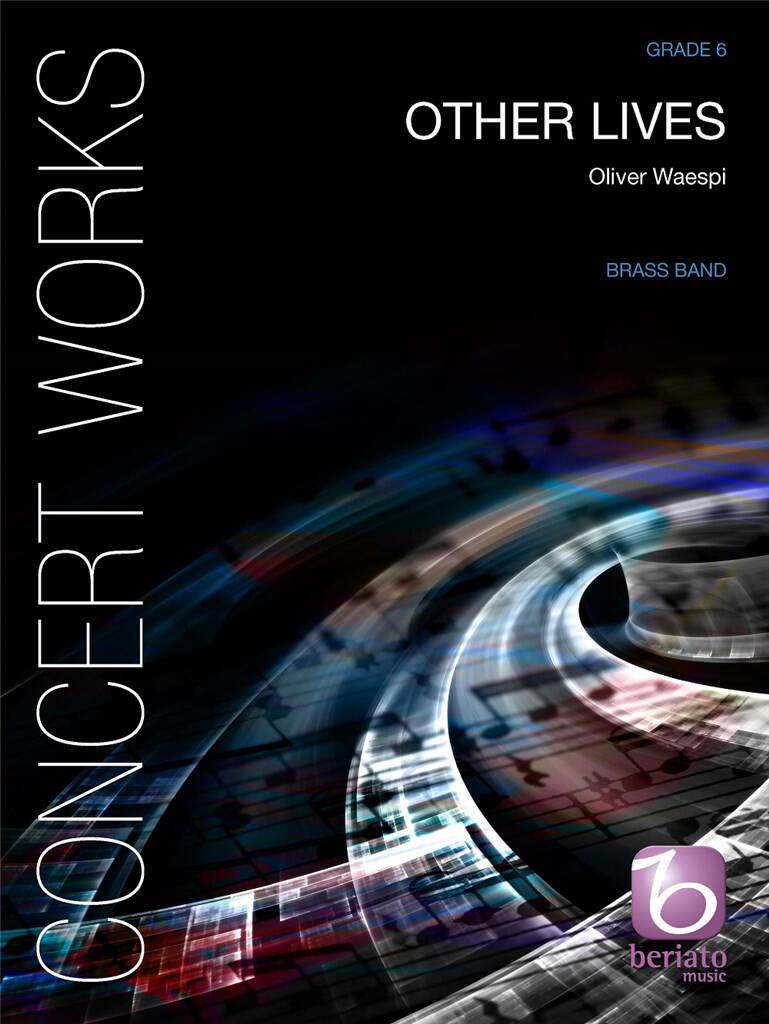
Other Lives - Oliver Waespi
Other Lives is works perfectly for a competition but can also be programmed as concert work. The dark chords at the beginning of the piece are derived from "Der Doppelganger", one of Franz Schubert's late songs. After a short development the music begins to accelerate and find its own shape, gradually moving away from the introduction. The entire first part, "Rage", has an intensely agitated character. The ensuing "Reflection" turns back to the initial chord progression, before a series of interspersing solos explore time and space at a slower pace. After another musical surge, the music is brought close to silence and then gives way to the third part, "Redemption".Here, a widely spaced sound field contains a remote allusion to another work by Schubert "Ruckblick". After this farewell, an abstract musical transformation triggers an emotional change, as the initial motifs are now presented in their inversed form in order to create a much brighter harmonic landscape. Moreover, in the last part of the piece, "Renewal", the grim, tense atmosphere of the first part is transformed into a great energy. Other Lives was commissioned by the Valaisia Brass Band.
Estimated dispatch 5-14 working days
 View Music